This individual is a guest contributor. MEI is not able to assist with contact requests.
Burak Bilgehan Özpek is Associate Professor in the Department of Political Science and International Relations at the TOBB University of Economics and Technology in Ankara. His main research interests include the de facto states, civil conflicts, contemporary politics of the Middle East and Turkish foreign policy. He has published articles in academic journals such as Journal of International Relations and Development, International Journal, Iran and the Caucasus, Turkish Studies, Israel Affairs, and Global Governance. He is the author of a book entitled “Peace Process Between Turkey and the Kurds: Anatomy of a Failure” published by Routledge in 2017. Özpek is also one of the founders of Daktilo1984 Movement in Turkey.
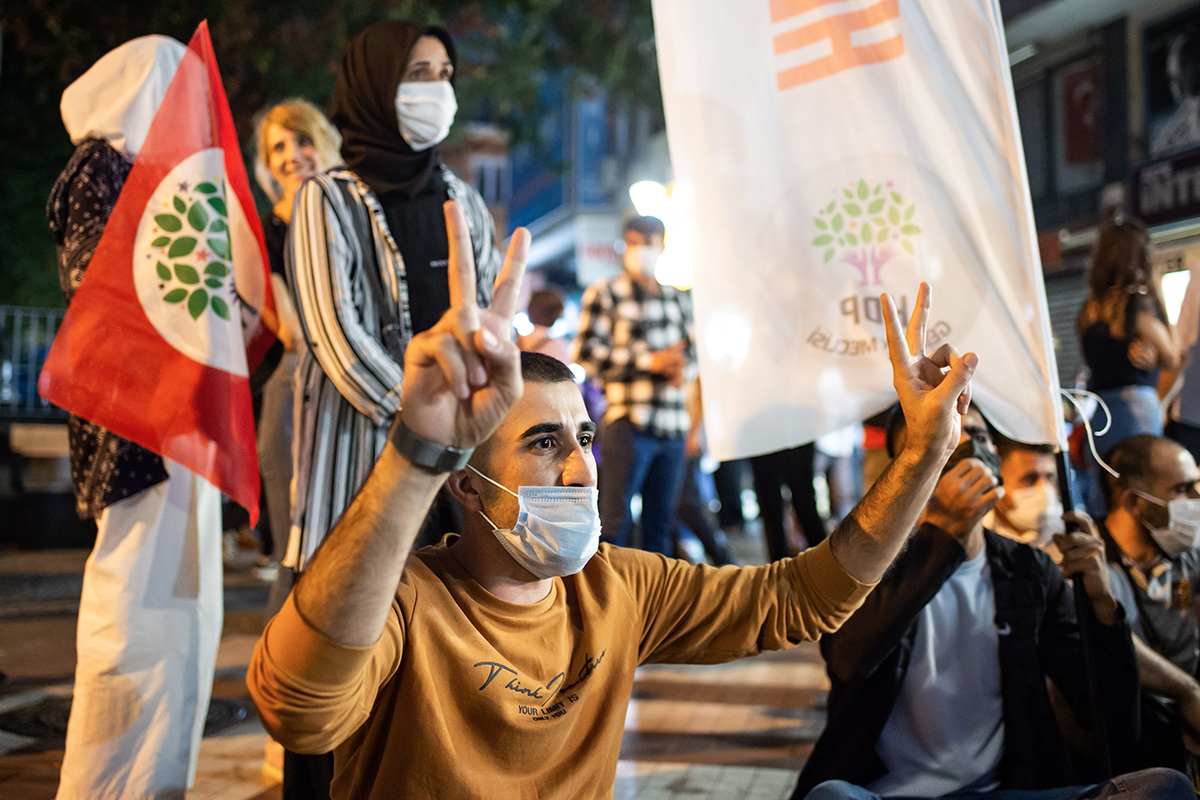
Since Erdoğan adopted a nationalist and militarist approach to reverse the results of the June 2015 elections, the Kurdish political movement has faced immense pressure. The line between the PKK and other non-violent political actors has blurred in the eyes of the elites in Ankara. Leaders and officials of the pro-Kurdish HDP have been arrested and the party has been demonized in the media. This paper aims to understand the motivation behind Erdoğan’s approach to the Kurdish question and explore the potential implications for the upcoming elections in June 2023.
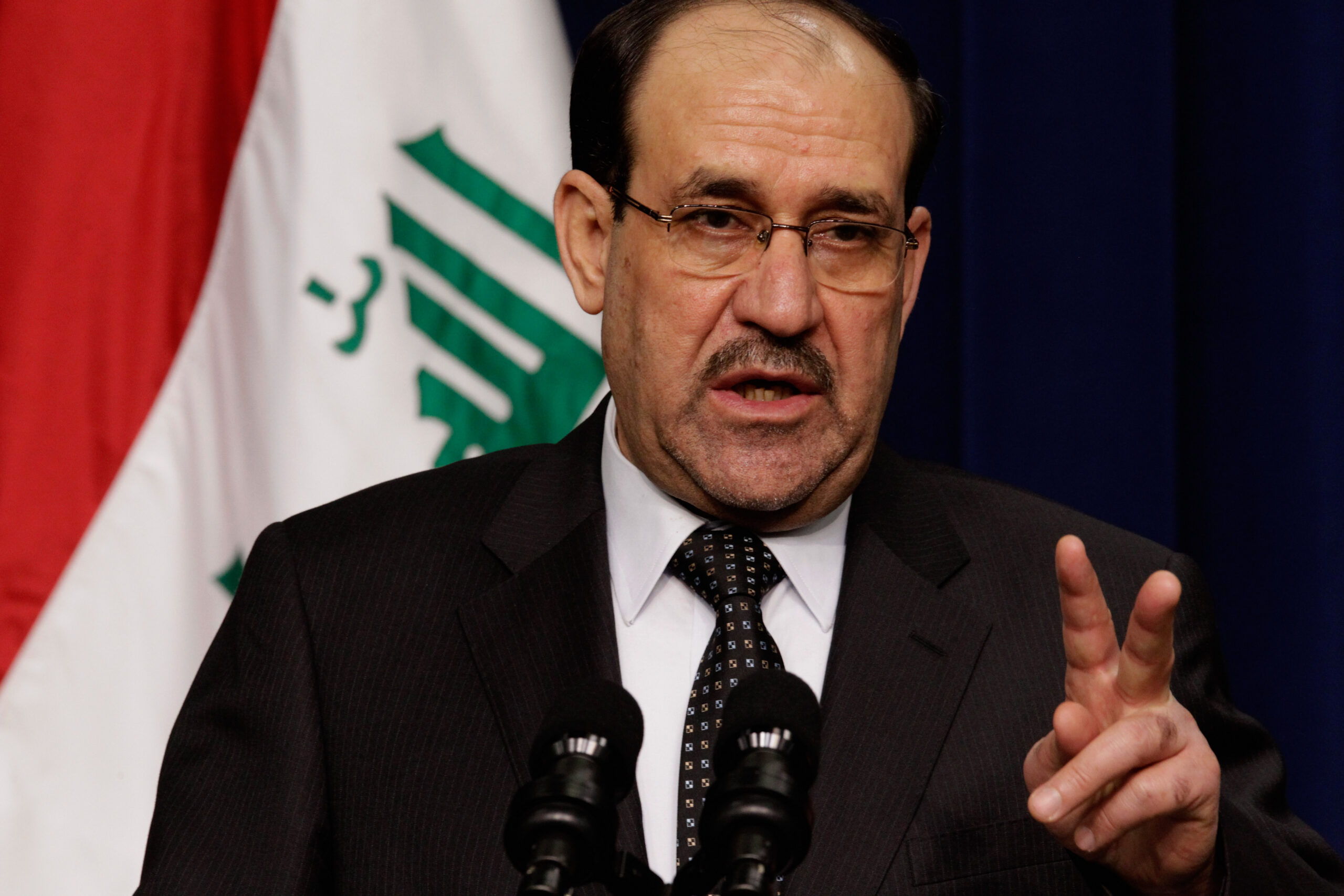
It would be unfair to argue that democracy fails to provide stability in divided societies or that democracy cannot work in Iraq. Instead, the term “democracy” should be redefined to take free market principles into consideration. As the Iraq case shows, any political group, party, or figure can manipulate the democratic system if the state apparatus controls the distribution of economic resources. If, as in the case of Iraq, a political arrangement, constitution, or power-sharing formula results in a specific group gaining control of the distribution of economic resources, this imbalance will be reflected in the composition of the security forces as well as in their mission and activities, and it will likely result in the emergence of (armed) actors in opposition to them.