
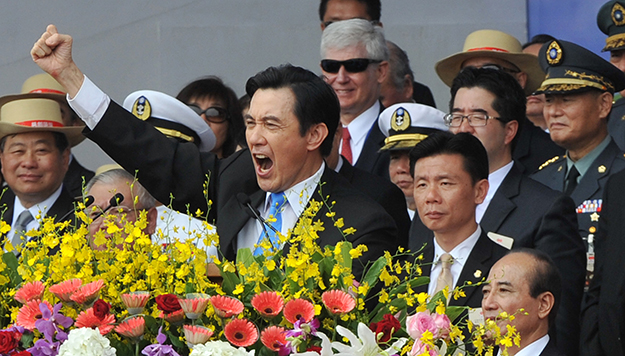
The Rise and Fall of Transitional Justice in Taiwan
Authoritarian rule in Taiwan ended peacefully in the late 1980s. Since then, state institutions and private organizations have repeatedly attempted to address the atrocities committed during authoritarianism (1945-1987). This essay explores the various factors that have determined transitional justice in Taiwan over the last two decades. It demonstrates that post-authoritarian Taiwan has experienced three distinct periods: first, limited apology and compensation (1988-2000); second, attempts at transitional justice that ended in failure (2000-2008); and third, a reversal of all transitional justice mechanisms and a relapse to the past (2008-present). These changes are due in significant part to indigenous conflicts in Taiwan that have not been resolved, but also to global economic and political events that have drastically reduced the focus on democratic governance and accountability.



