This individual is a guest contributor. MEI is not able to assist with contact requests.
Eliza Aspen is a writer and researcher focusing on the intersection of human rights and technology. She is the former director of MEI’s Cyber Security and Emerging Technology Program, and was previously a researcher at the Center for Contemporary Arab Studies at Georgetown University, and a Fulbright fellow in Bulgaria. She holds a bachelor’s degree in political science and Arabic, and a master’s degree from the Georgetown School of Foreign Service. She co-edited with Mike Sexton the book Cyber War & Cyber Peace: Digital Conflict in the Middle East, published by I.B. Tauris (June 2022).
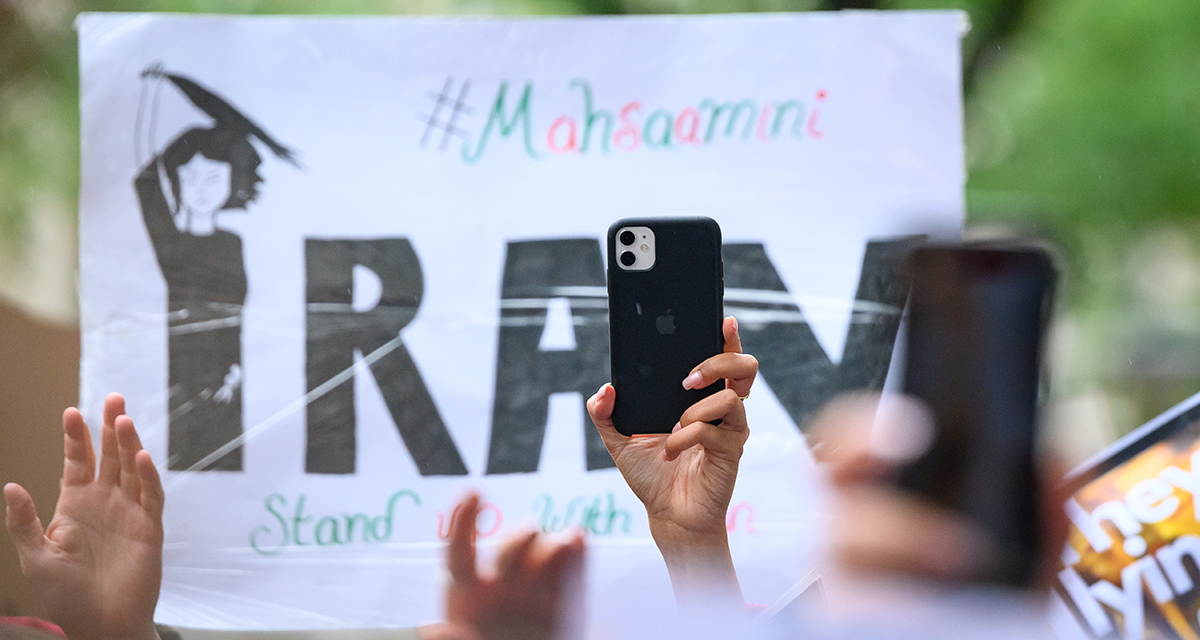
Mahsa Amini and the future of internet repression in Iran
The death of Mahsa Amini in September 2022 has remained the catalyst and central rallying cry of almost half a year of escalating protests in Iran — protests that have, like many before, and like many will in the future, lived as much online as they have on the ground. What is clearer than ever is that the Iranian state’s relationship to dissent will continue to be predominantly mediated by its practices and attitude toward freedom of information, which, today, largely remains a question of internet access.
Ransomware in the UAE: Evolving threats and expanding responses
Immediately following the outbreak of COVID-19, cyber attacks swept across the Middle East, leaving public and private entities highly vulnerable and transforming the pandemic into both a physical and a digital threat. Despite worldwide physical isolation, many people were more digitally connected than ever before, which vastly expanded the attack surface for eager cyber threat actors. Ransomware attacks, in particular, hit the Middle East rapidly and in great numbers, especially the UAE.
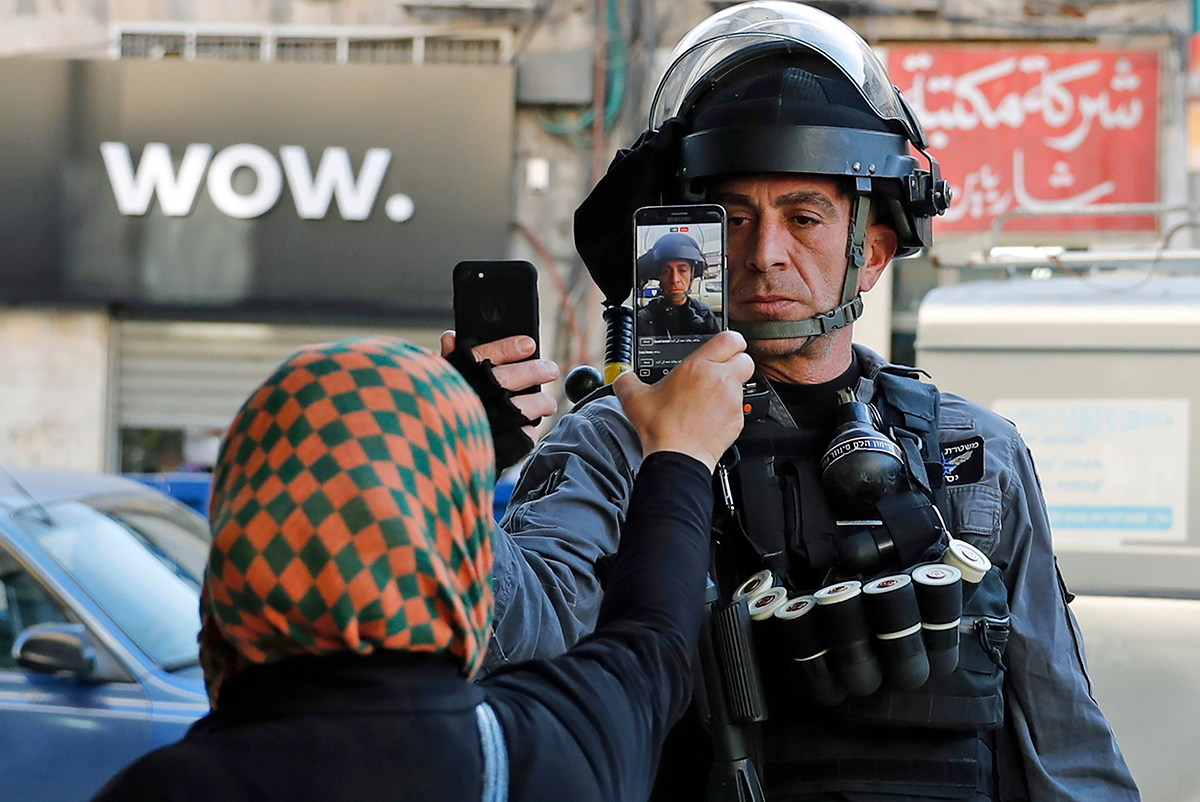
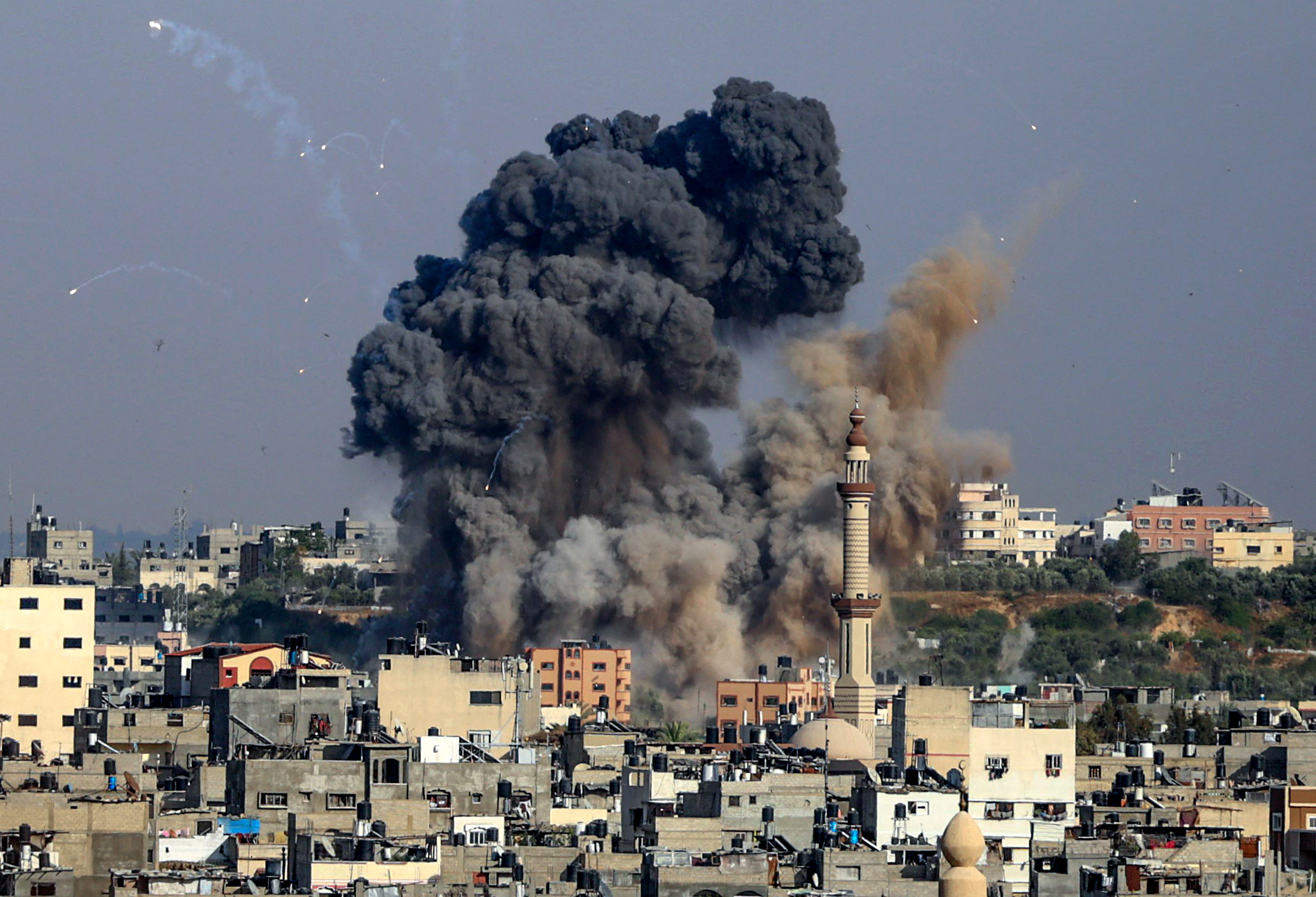
The 4.8 million residents of the occupied Palestinian territories live in two simultaneous and vastly different realities. In the physical world, Palestinians are captives, crammed into Gaza or West Bank enclaves and blockaded by Israeli military checkpoints. But on the internet, the checkpoints disappear.
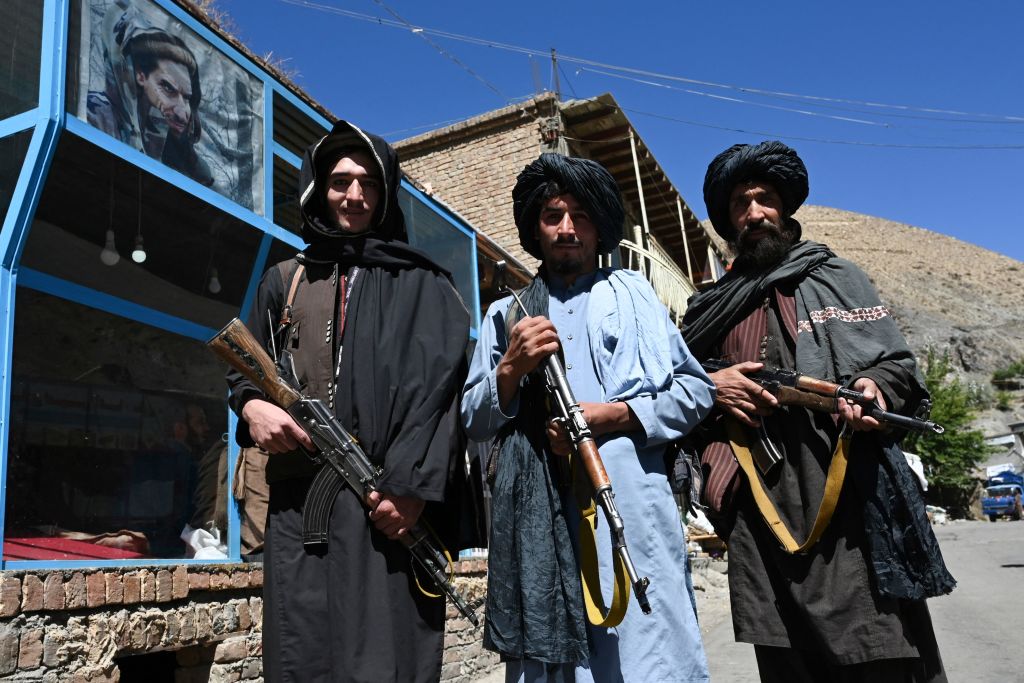
How digital rights are key to protecting Afghans under the Taliban
Like the rest of the world during the past 20 years, Afghanistan has lived much of its life online and via networked technology; a multifaceted understanding of how digital rights are foundational to protecting Afghans in the face of an uncertain future must be key to any humanitarian or policy strategy undertaken by the U.S. or the international community.
Content moderation trends in the MENA region: Censorship, discrimination by design, and linguistic challenges
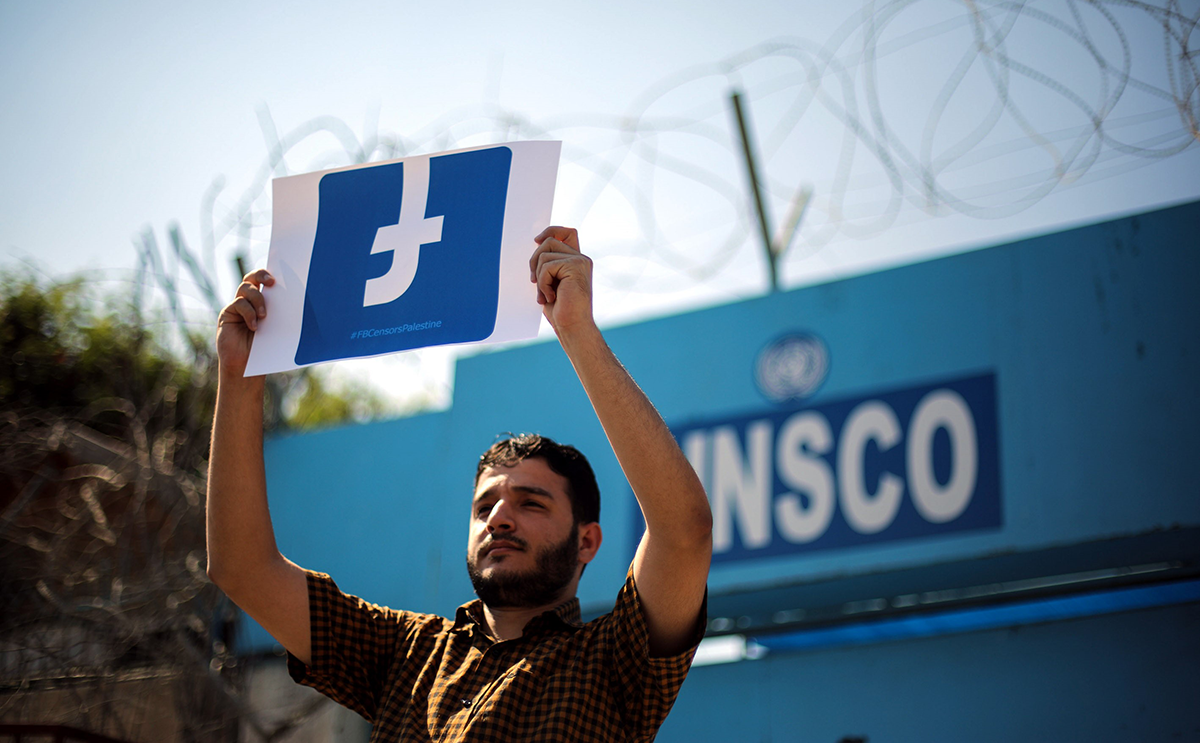
Over the past decade, social media and communications platforms such as Facebook, Twitter, and WhatsApp have emerged as important spaces for civil society, journalists, and everyday people in the Middle East to express themselves and organize. However, users’ experiences on these platforms often differ as platforms’ enforcement of their content policies varies by geography, language of use, and context. These flaws in the content moderation system can harm users residing in and around the Middle East, as well as those who use Middle Eastern languages such as Arabic.
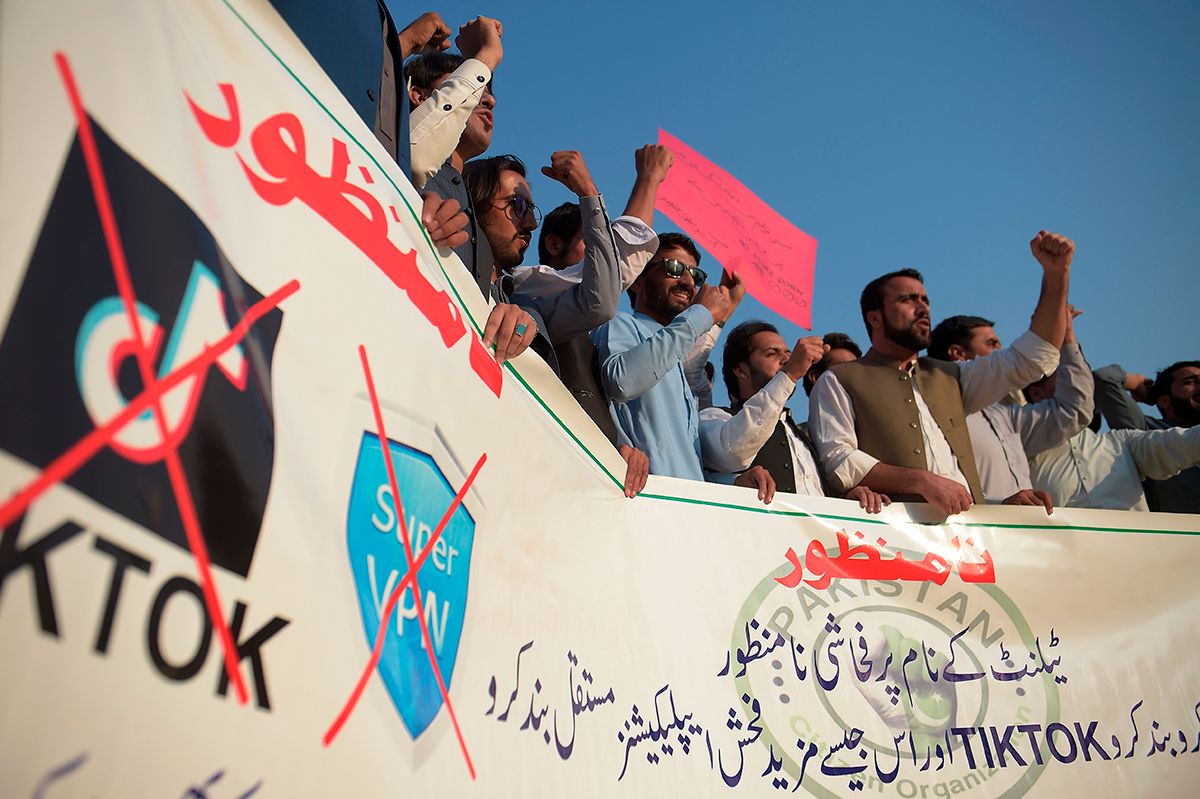
The cyclical futility of governance by TikTok in the Middle East
When headlines flashed this month about the Peshawar High Court’s decision in Pakistan to yet again ban the controversial video-sharing app TikTok, you might have been tempted to scroll away in boredom. After all, who hasn’t banned TikTok these days?