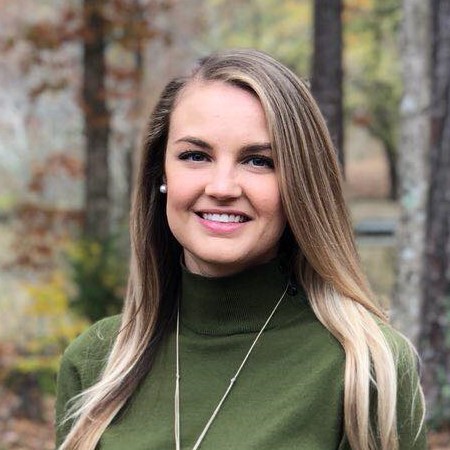
Elizabeth Dent was previously a non-resident scholar with the Middle East Institute’s Countering Terrorism and Extremism program. Prior to that, she served as the Special Assistant to the Special Presidential Envoy to the Global Coalition to Defeat ISIS, supporting diplomatic engagements with coalition countries and working with local partners on the ground in Iraq and Syria to accelerate the campaign against ISIS. Elizabeth worked on ISIS at the Department of State starting in 2014, where she helped coordinate and implement the counter-ISIS messaging strategy, and later covered ISIS in North Africa for the coalition office. She began her career at the Bureau of Diplomatic Security, where she provided policy guidance and support to bureau leadership regarding best security, strategic, and operational practices.
Education:
Elizabeth received her M.A. in International Affairs from American University in Washington, DC. She also holds a bachelor’s degree in History and Political Science with a focus on Middle Eastern Studies from Miami University.
Issues of Expertise:
Counterterrorism, U.S. foreign policy
Monday Briefing: Regional reverberations of the Sudan-Israel announcement
This week’s briefing on recent news and upcoming events in the region featuring Paul Salem, Jonathan M. Winer, Gonul Tol, Mohammed Soliman, Marvin G. Weinbaum, Elizabeth Dent, Mirette F. Mabrouk, and Robert S. Ford.
US Policy and the Resurgence of ISIS in Iraq and Syria
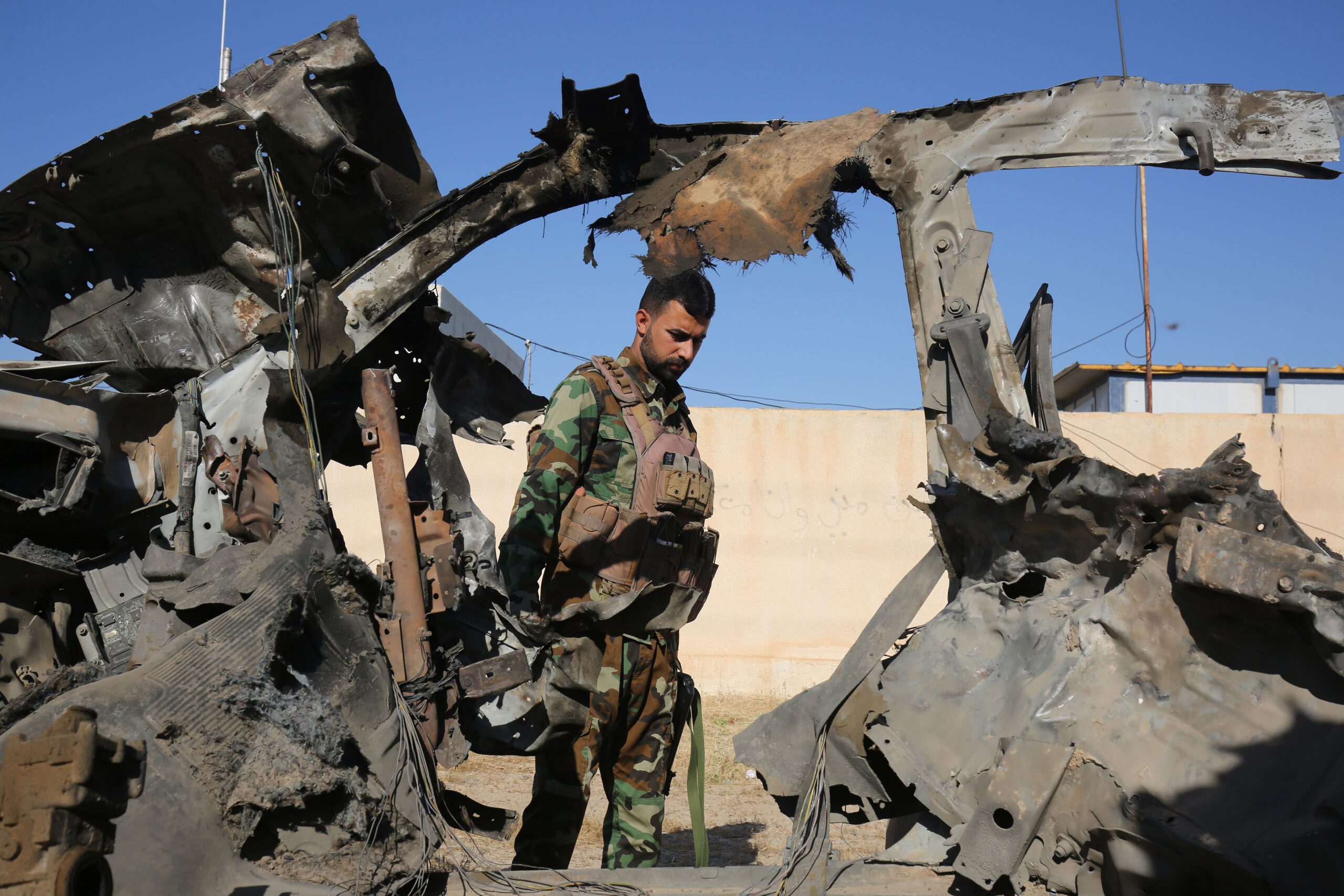
As attacks by ISIS increase in both Iraq and Syria, the upcoming U.S. presidential election offers a turning point for how U.S. foreign policy will seek to address a potential ISIS resurgence. This paper lays out this growing problem and recommends policy, which will be constrained by the outcome of the November election.
The United States has missed a valuable opportunity to use its influence in Iraq to encourage the government to implement the reforms Iraqi protesters have been demanding over the past six months and push back on Iran.
Over the past few weeks, my colleagues at MEI have debated whether the U.S. should stay in Syria or leave. Here I’d make a different argument: that it doesn’t really matter. The president has already made the decision to leave, and while his aides may have been able to slow roll the troop drawdown, the reality is that Donald Trump has made it clear the U.S. will not disburse any additional resources. Even within the 2020 Democratic field, not a single candidate has advocated increasing resources.
Monday Briefing: Bahrain workshop is little more than a kabuki show
In this week’s Monday Briefing, MEI experts Gerald Feierstein, Guney Yildiz, Nathan Stock, Elizabeth Dent, and Eran Etzion provide analysis on recent and upcoming events including this week’s Bahrain “workshop” on Palestine’s economic development, an opposition victory in Istanbul’s rerun election, the release of a portion of the Trump administration’s Israel-Palestine peace plan, the fracturing of the Global Coalition to Defeat ISIS, and Tuesday’s trilateral meeting between the U.S., Israel, and Russia.
Weekly Briefing: US-Iran tensions and the need for diplomacy
In this week’s Monday Briefing, contributors Nabil Fahmy, Guney Yildiz, Paul Scham, and Elizabeth Dent provide analysis on recent and upcoming events including the state of US-Iran tensions, Turkish-Russian disagreement on Idlib, Israeli Prime Minister Netanyahu’s apparent inability to meet the deadline to form a government, and Iraq’s proposal to take custody of captured ISIS fighters awaiting trial.
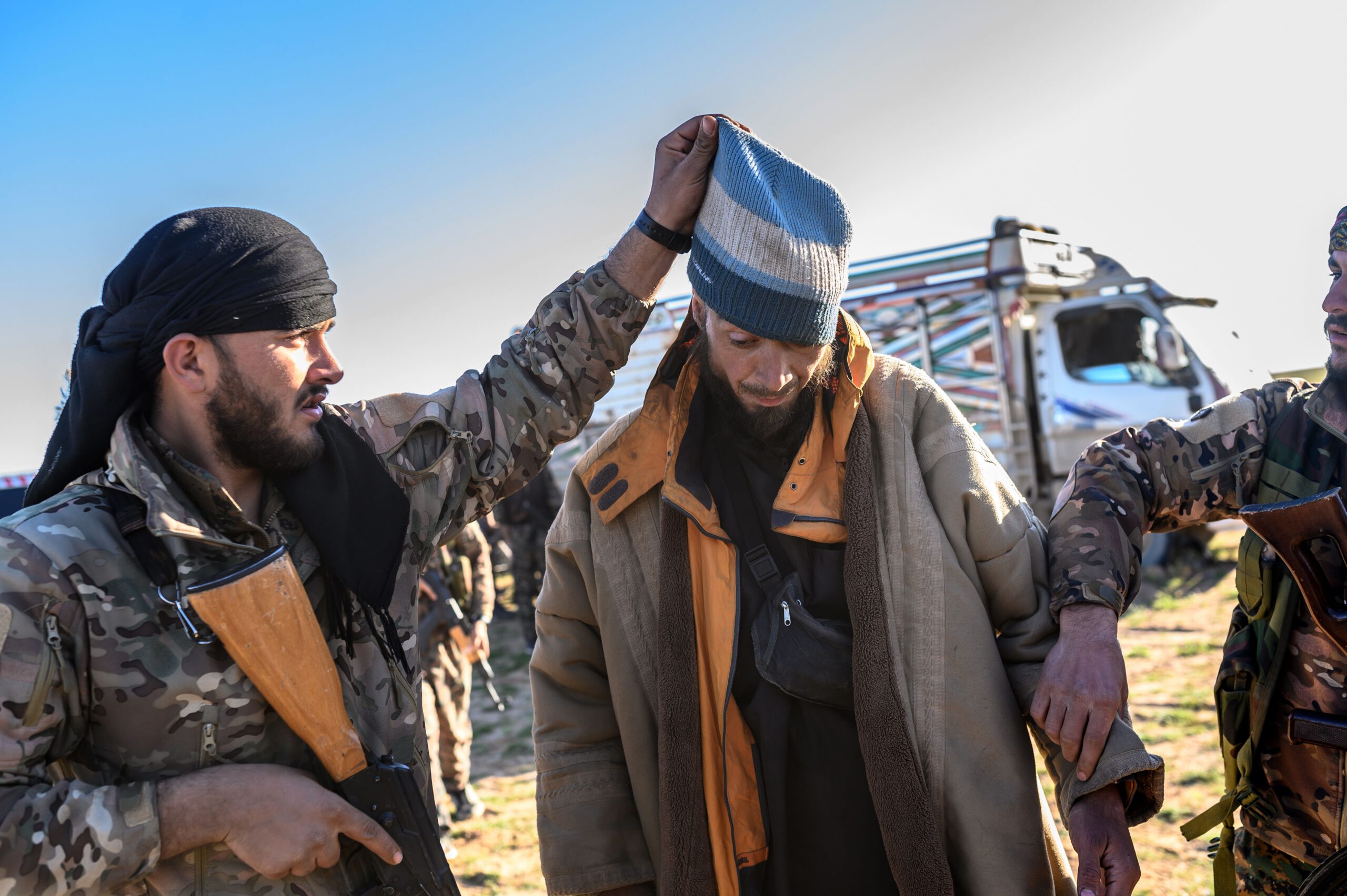
Perhaps the most immediate challenge facing the Syrian Democratic Forces is what to do with the influx of ISIS members and their families that have poured out of ISIS’s last stronghold, particularly since February 2019.