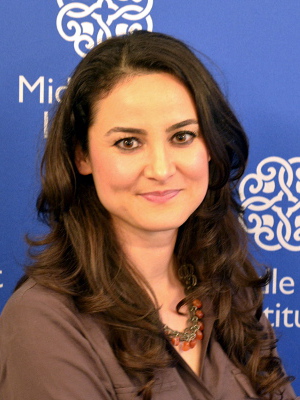
Gönül Tol is a senior fellow at the Middle East Institute (MEI), where she focuses on Turkish politics, US-Turkey relations and regional dynamics in the Middle East.
A frequent commentator, Dr. Tol has written extensively on Turkish domestic and foreign policy for publications such as Foreign Affairs, The New York Times, Foreign Policy, and TheFinancial Times. Her articles include “Turkey Is Now a Full-Blown Autocracy” in Foreign Affairs (March 2025), “The Indispensable Erdogan” in The New York Times and “Erdogan Sees Nothing But Opportunity in Syria” in TheFinancial Times (December 2024).
Turkey-NATO ties are problematic, but there is one bright spot
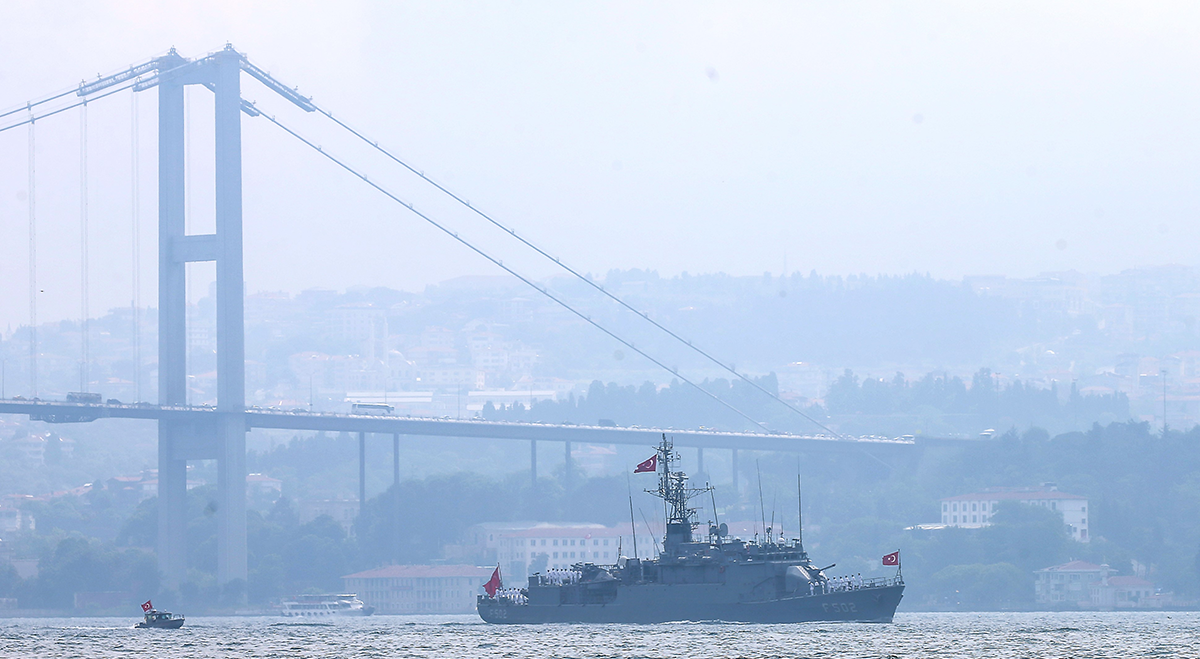
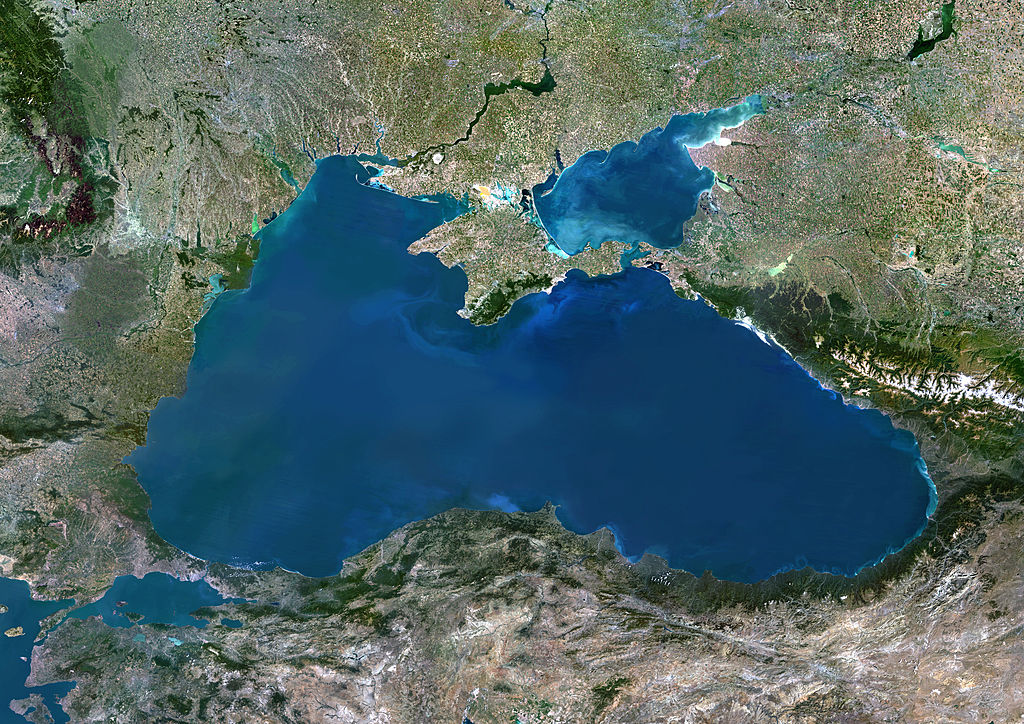
When it comes to Turkey-NATO ties, Ankara is regarded as more of a problem than an ally these days. Not only did it purchase a Russian S-400 air defense system, but its gunboat diplomacy in the eastern Mediterranean also raised the specter of military conflict between NATO allies when Greek and Turkish naval flotillas steamed directly toward each other this past summer. There is one region, however, where Turkey can help NATO efforts: the Black Sea.
At least they’re talking: Turkey and Greece resume negotiations, but don’t hold your breath on a breakthrough
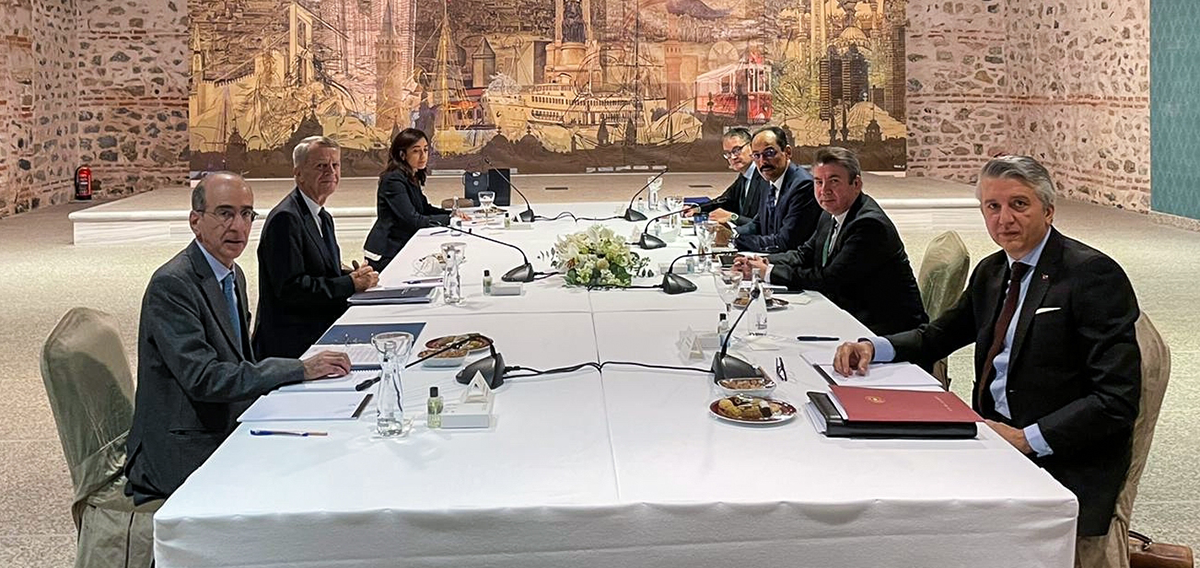
Turkey’s efforts to strike a different tone were apparent on Jan. 25 in Istanbul, when Greek and Turkish officials resumed talks after a five-year gap to calm tensions in the Aegean and Mediterranean. The fact that the parties met is welcome news after the two came to the brink of war recently over offshore energy exploitation rights, but no one expected a breakthrough. The tensions between the two countries have a long history and the issues dividing Athens and Ankara are too deep to bridge.
A look back at the year’s most important developments with analysis from Paul Salem, Alex Vatanka, Randa Slim, Gerald Feierstein, Gonul Tol, Jonathan M. Winer, Khaled Elgindy, Marvin G. Weinbaum, Mirette F. Mabrouk, Grace Wermenbol, Syed Mohammad Ali, Robert S. Ford, and Khaldoun Khelil.
Monday Briefing: The reverberations of the US election in the Middle East
This week’s briefing on recent news and upcoming events in the region featuring Paul Salem, Alex Vatanka, Gonul Tol, Gerald Feierstein, Randa Slim, Khaled Elgindy, Charles Lister, Mirette F. Mabrouk, and Marvin G. Weinbaum.
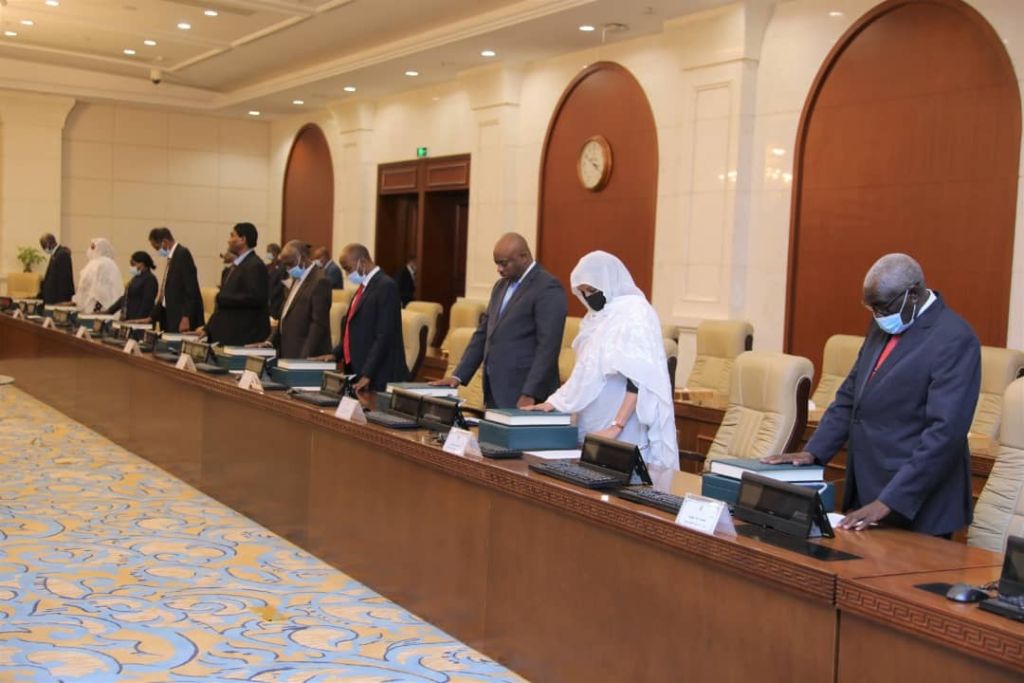
Monday Briefing: Regional reverberations of the Sudan-Israel announcement
This week’s briefing on recent news and upcoming events in the region featuring Paul Salem, Jonathan M. Winer, Gonul Tol, Mohammed Soliman, Marvin G. Weinbaum, Elizabeth Dent, Mirette F. Mabrouk, and Robert S. Ford.
Election 2020: The Future of U.S.-Black Sea Relations
In Frontier Europe Initiative’s new briefing book, entitled Election 2020: The Future of Black Sea-U.S. Relations, MEI scholars and external contributors identify key issues across the region, highlight U.S. interests at stake, and provide policy insights and recommendations for the path forward. The pieces in this book serve as a contribution to the broader discussion about the challenges and opportunities for U.S. policy in the region
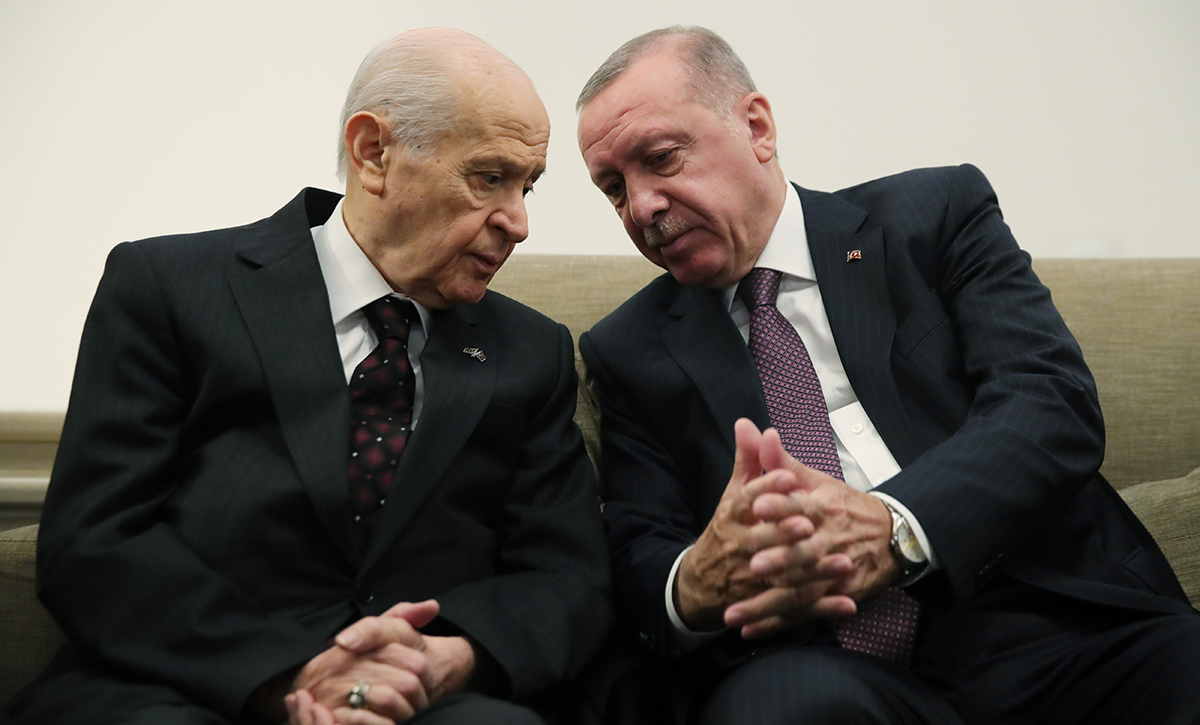
For those following Turkey, there is no doubt about who calls the shots. From the economy and landscape to the arts and sports, everything reflects the will and vision of one man: President Recep Tayyip Erdogan. To his supporters and many of his detractors, he is invincible and answers to no one but God. In reality, however, Erdogan has become increasingly reliant on Devlet Bahceli, the head of the hard-right MHP, who is playing a growing role in shaping his policies. And as Erdogan loses ground in the polls, Bahceli’s sway only increases.
Monday Briefing: Will Washington risk a collapse in Iraq?
This week’s briefing on recent news and upcoming events in the region featuring Robert S. Ford, Gonul Tol, Paul Salem, Dr. Marwa Maziad, and Marvin G. Weinbaum.
Election 2020: Challenges and Opportunities for US Policy in the Middle East
In a new briefing book released ahead of the U.S. elections in November, entitled Election 2020: Challenges and Opportunities for US Policy in the Middle East, MEI scholars lay out key issues across the region, highlight the U.S. interests at stake, and provide policy insights and recommendations for the path forward.
Erdogan pulls a rabbit out of his hat with Black Sea gas find, but is it all it seems?
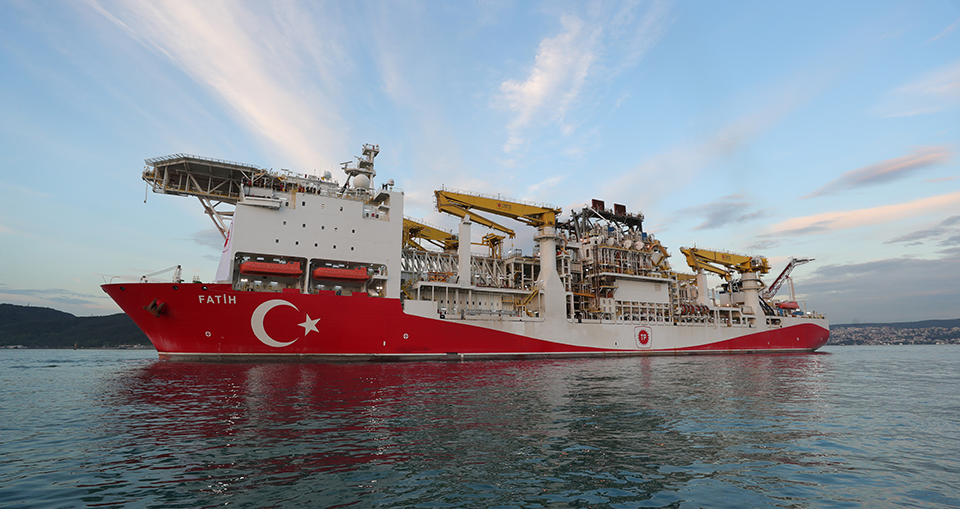
“God has opened the door to unprecedented wealth for us,” said an enthusiastic Recep Tayyip Erdogan as he announced that Turkey had made its biggest-ever discovery of natural gas on Aug. 21. He promised that gas from the 320-billion-cubic-meter deep-sea find would reach consumers in 2023, but industry experts are skeptical and have raised questions about the feasibility of the discovery.
Are Turkey and Russia bracing for conflict in the South Caucasus?
On July 12, the Armenian and the Azerbaijani armed forces started a border skirmish. Fighting went on for several days, leaving at least 16 dead in its wake. Remarkably enough, the two sides are facing off outside the disputed region of Nagorno-Karabakh, the usual flashpoint. This time around the flare-up took place well to the north, where Armenia’s Tavush region meets Azerbaijan’s Tovuz district. It is little wonder then that the crisis caught Turkey’s attention.