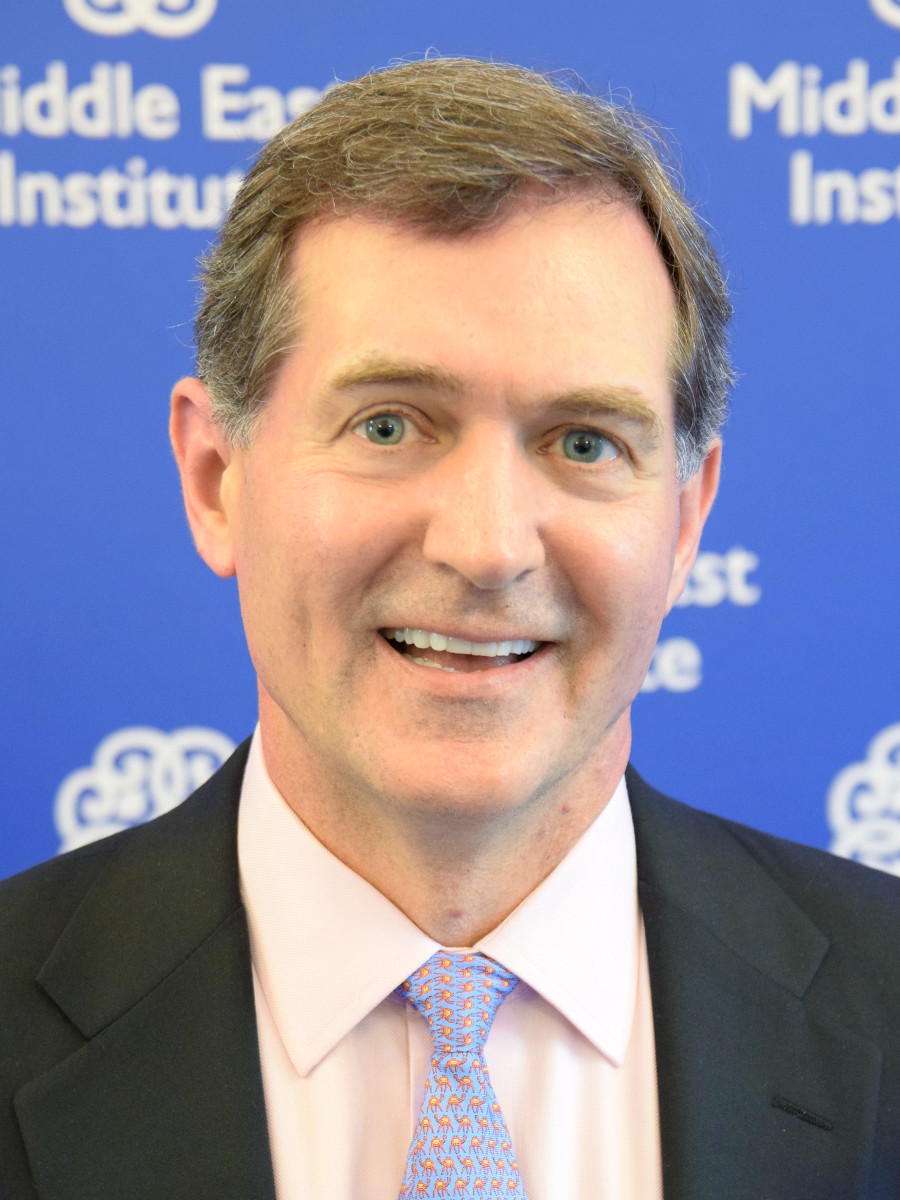
Greg Myre is the international editor for digital news at NPR. Previously, he was a foreign correspondent from 1987 to 2007 with The New York Times and the Associated Press and spent more than a decade based in the Middle East. He has covered major events throughout the region, including the first Gulf War in 1991, the rise of the Taliban in Afghanistan, Pakistan’s political turmoil, Iraq under Saddam Hussein, and America’s wars in Iraq and Afghanistan. He was based in Jerusalem from 1999 to 2007, covering the Israeli-Palestinian conflict. This last assignment was also the basis for the 2011 book he co-authored with his wife Jennifer Griffin, calledThis Burning Land: Lessons from the Front Lines of the Israeli-Palestinian Conflict.
Education:
B.A. at Yale University
Countries of Expertise:
Afghanistan, Iraq, Israel, Pakistan, Palestinian Territories
Issues of Expertise:
US Foreign Policy, Terrorism, Peace Process, Middle East Affairs, Media, Globalization, Asian Middle East Policy, Arab-Israeli Relations
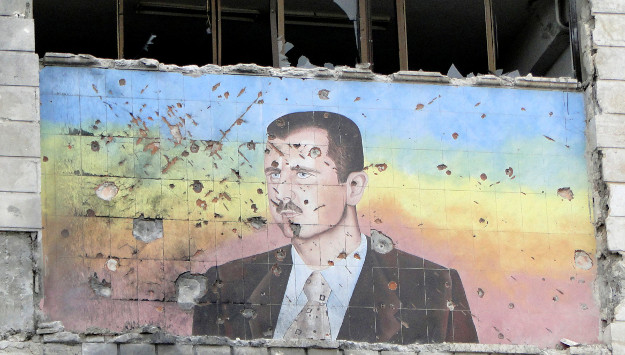
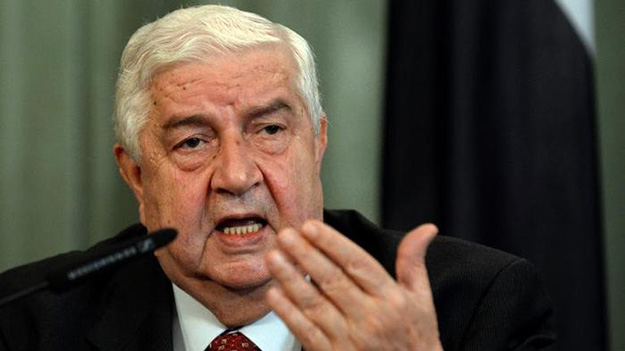
As President Bashar Assad’s army pushes into the last few neighborhoods controlled by rebels in Aleppo, the Syrian leader can claim a stronger position than at any point since the early days of a war that broke out in 2011.
The last surviving leader of Israel’s founding generation, Shimon Peres was a three-time prime minister, the architect of the country’s secretive nuclear program and a winner of the Nobel Peace Prize for his efforts to make peace with the Palestinians.
When Pakistani Taliban gunmen stormed a school in December 2014, killing more than 130 schoolboys, it united many Pakistanis in support of a major offensive against the radical group that had been growing more menacing for years.
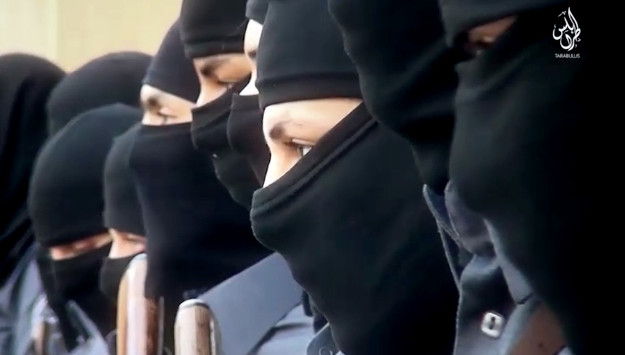
The Islamic State has been steadily losing territory in its self-declared caliphate in Syria and Iraq, where a U.S. bombing campaign and a host of rival forces chip away at its holdings.
Less than two weeks after international sanctions were lifted, Iran is already cutting megadeals with Europe. The French automaker Peugeot-Citroen said Thursday it will return to Iran, while Iran appeared poised to buy at least 100 planes from Airbus.
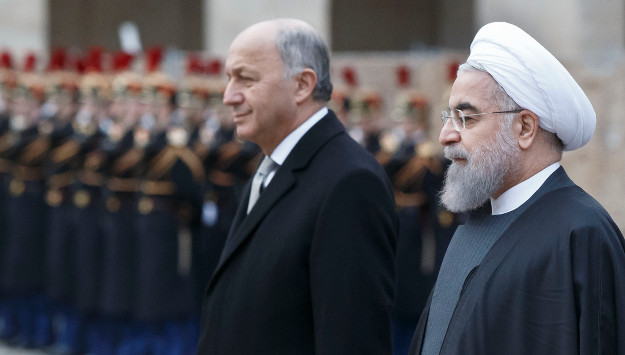
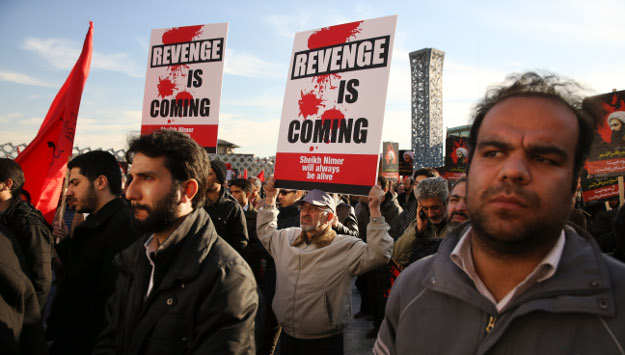
In a Middle East already aflame, a fresh feud between Saudi Arabia and Iran threatens to complicate most every major issue from the Iranian nuclear deal to the Syrian civil war to global oil markets.
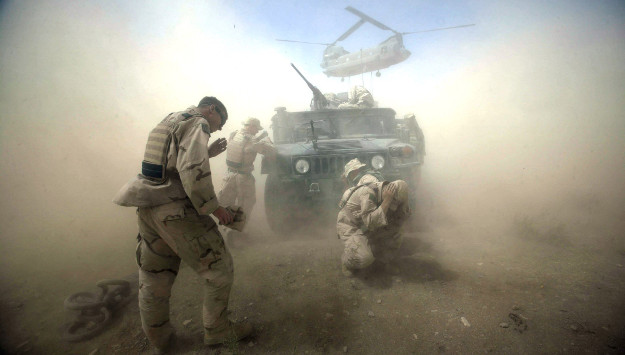
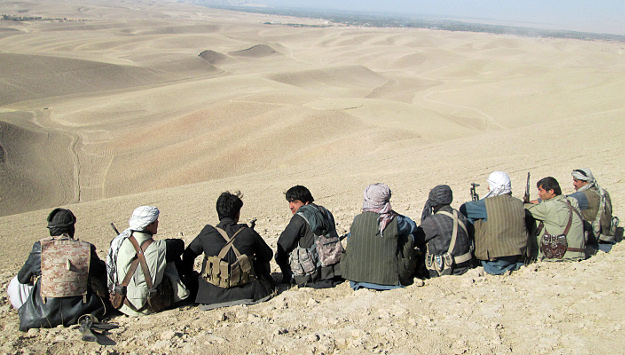
U.S. troops in Afghanistan lowered the flag and boxed up their gear at the end of last year as President Obama declared the formal end to 13 years of U.S. combat operations.
This article was first published on NPR’s Parallels blog.
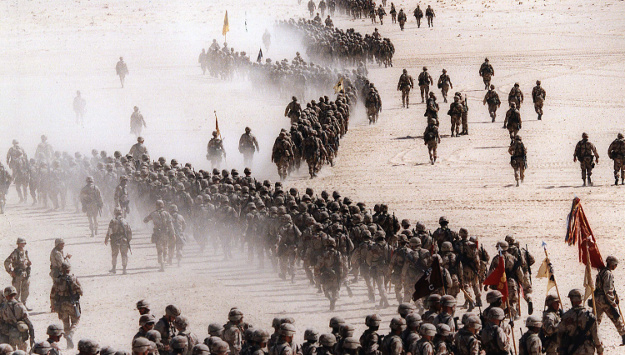
It started so well. When Saddam Hussein’s Iraq invaded Kuwait on Aug. 2, 1990, the United States swiftly cobbled together a broad coalition, unleashed a stunning new generation of air power and waged a lightning ground offensive that lasted all of four days. Iraqi troops were so desperate to quit that some surrendered to Western journalists armed only with notebooks.
The Humanitarian Crisis in the Middle East: Highlights from the MEI Conference
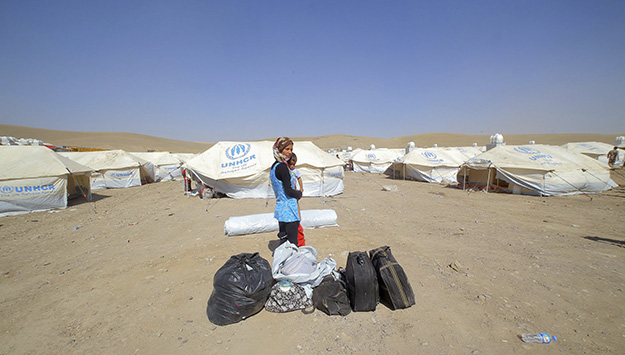
For decades, most refugee crises followed a pattern: A war erupted, usually in a poor country, and beleaguered civilians staggered across the nearest border. The United Nations organized a response, rich nations footed the bill, and aid groups sent in workers to tend to the needy. Even in extreme cases, such as the mass exodus from Afghanistan during the Soviet invasion in the 1980s, the crisis was largely confined to the country at war and a few immediate neighbors.
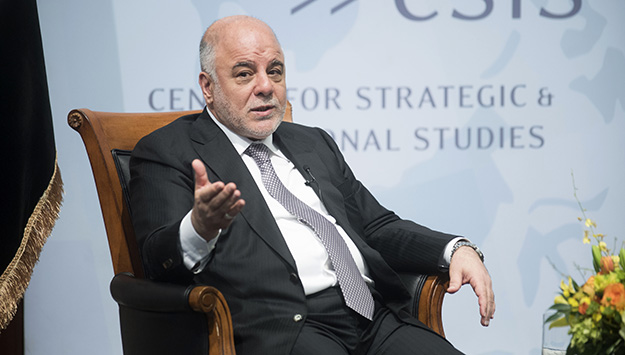
When Iraqi Prime Minister Haider al-Abadi weighs the pros and cons of running such a fractured country, here’s the upside: He can count on five separate military groups supporting his battle against the self-declared Islamic State.
The downside is that he has limited control of these groups, and of much of his country.
With a major push from the U.S., a new Syrian peace conference opened Wednesday in Switzerland, the first such effort since the middle of 2012. It wasn’t easy getting everyone there, and it will be harder still to achieve a breakthrough.
This story first appeared on NPR.com on November 15, 2012
In their long conflict, the Israelis and the Palestinians often fight just as fiercely on the propaganda front as they do on the battlefield. Social media is taking the clash to new heights with both sides taking the unprecedented steps of announcing military operations in almost real time.
The Israeli military is live-tweeting and blogging its military operation directed at Hamas militants in the Gaza Strip, and Hamas is responding in kind.
Slain U.S. Ambassador Thrived On Tough Assignments
This story first appeared on NPR.com on September 12, 2012
Chris Stevens, the U.S. ambassador killed in an attack on the U.S. consulate in Benghazi, Libya, was a very special diplomat. He made a career of going to difficult places and insisting that he witness tumultuous events firsthand.
In his article for NPR.com, Middle East Institute scholar Greg Myre examines the new dynamics of war reporting. As the nature of warfare shifts from traditional army-to-army combat to more assymetrical government vs. non-state opposition warfare, journalists are having to embed – alone – with rebels groups in order to get the story. In the wake of multiple journalist deaths in Syria, Myre looks at the increasing risk faced by war correspondents in covering the front lines of conflict.