US-Houthi Ceasefire Deal & the Future of Red Sea Security
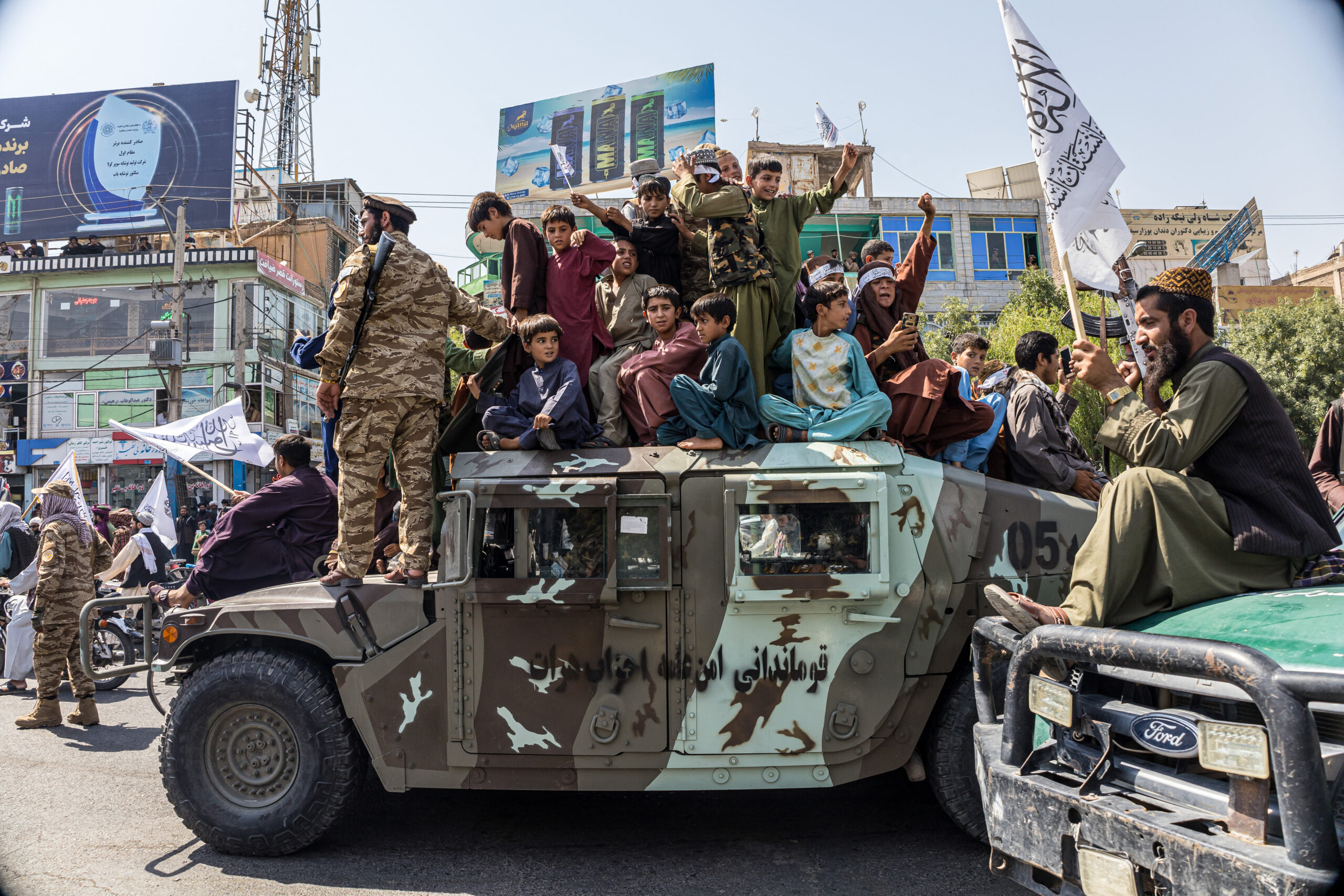
The sudden announcement of a US-Houthi ceasefire, brokered by Oman, has halted Washington’s air campaign in Yemen and raised urgent questions about the future of Red Sea security. What prompted the deal, and what are its implications for maritime shipping, regional alliances, and the trajectory of Yemen’s civil war? This episode explores the strategic motivations behind the ceasefire, the role of Iran and Saudi Arabia, and how the Houthis could leverage the pause to regroup and expand their influence across the Horn of Africa.
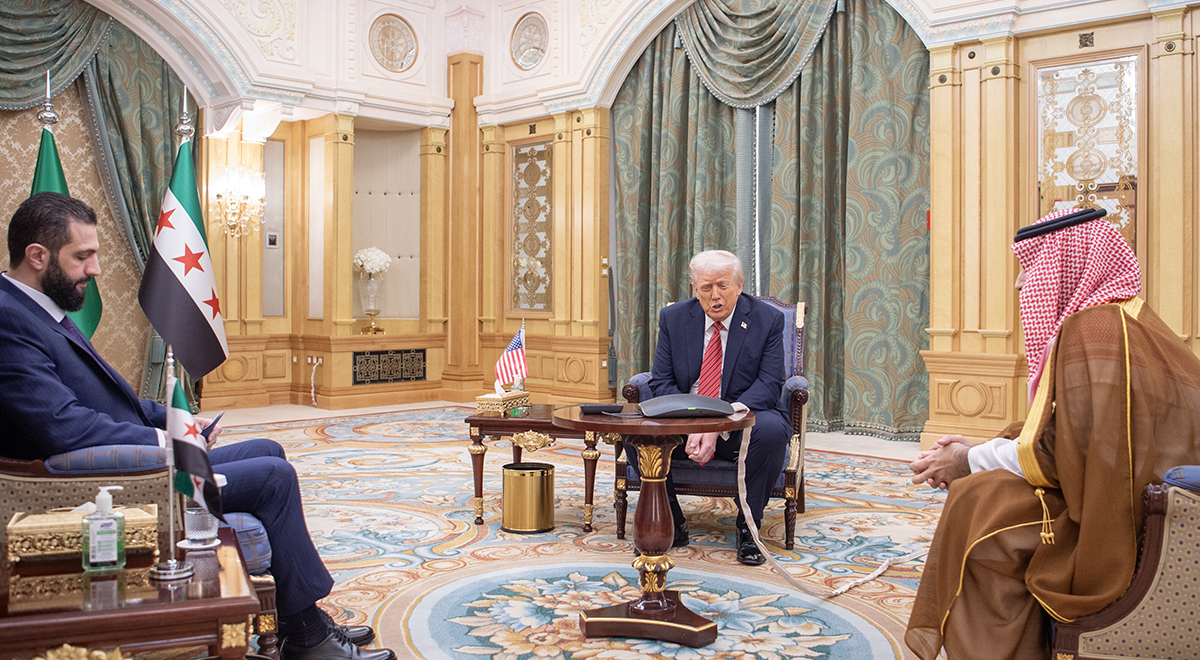
Trump should build on the momentum with Syria and help prevent a Turkey-Israel clash
Two recent developments present the new Syrian government with a critical opportunity to stabilize the country. First, US President Donald Trump announced plans to lift sanctions on Syria. Second, the Kurdistan Workers’ Party declared it would disband and dissolve itself — a move that will help Damascus to finalize a deal with the Syrian Democratic Forces and integrate it into the new Syrian national army. President Trump should build on this momentum and seize the opportunity to address one of the most complex remaining challenges facing Syria: the risk of a military confrontation between Turkey and Israel inside the country.
A midstream appraisal of Trump’s historic Middle East trip
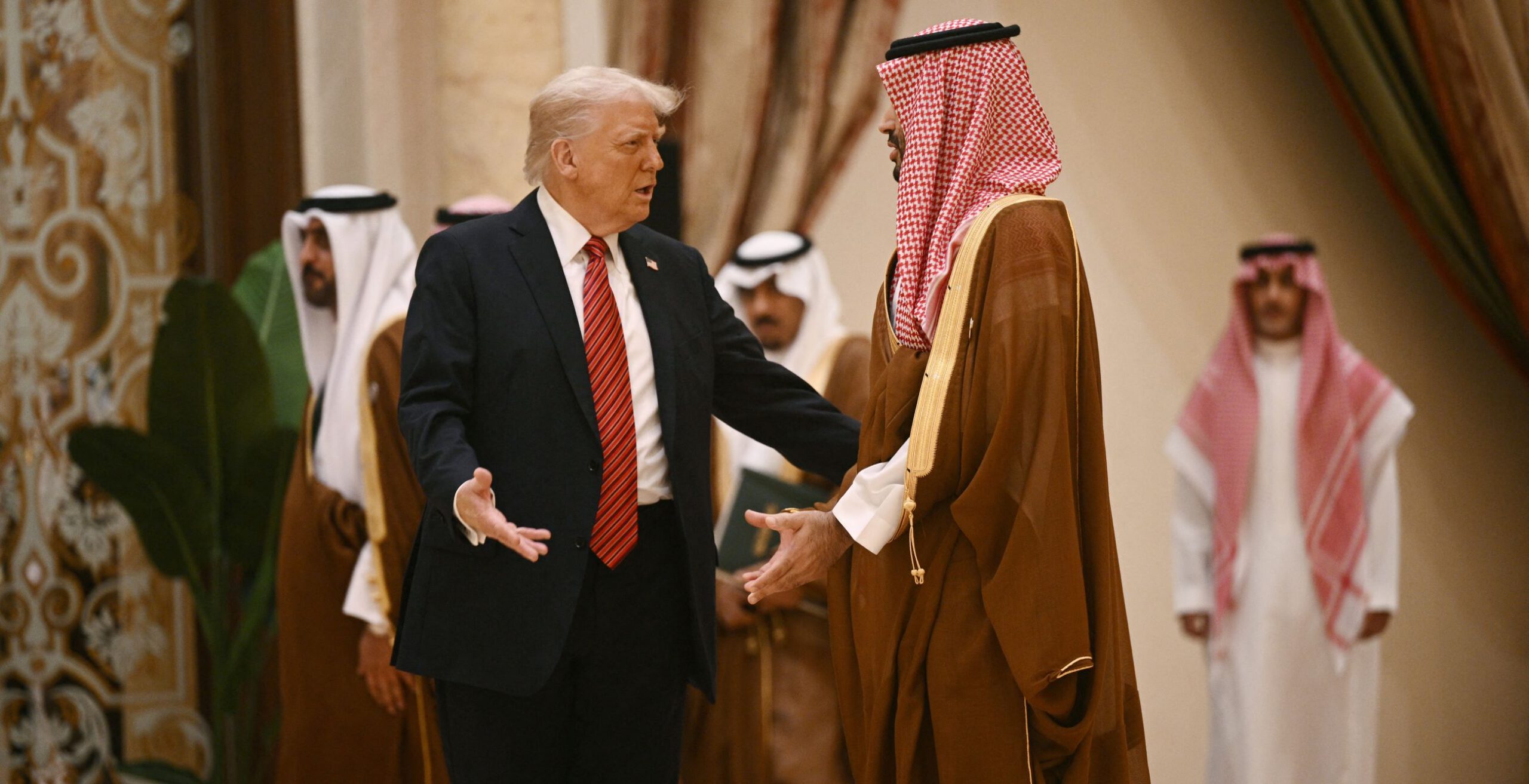
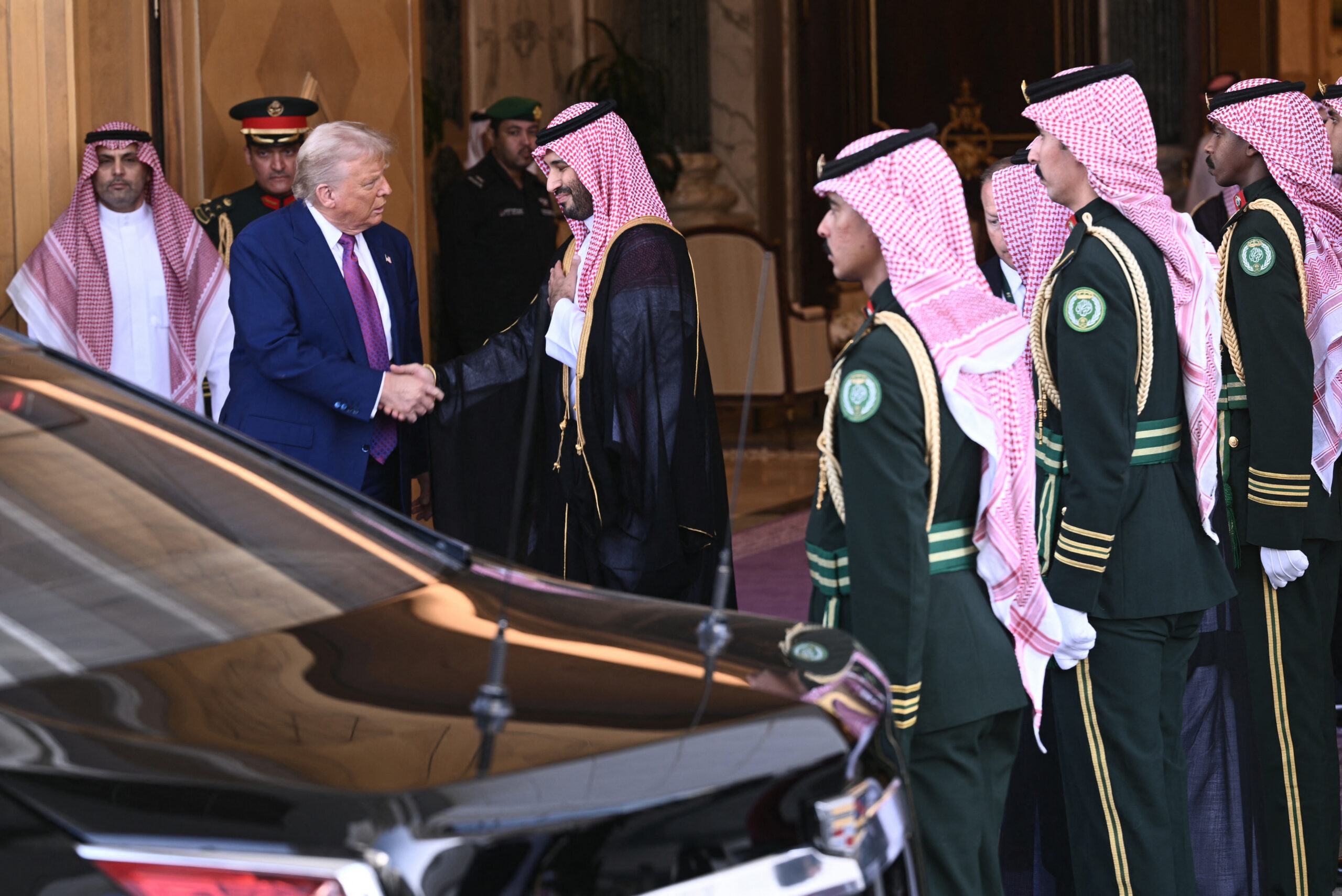
One of the strategic thrusts of the opening months of Trump’s second terms has been aimed at deepening America’s economic engagement with the leading economies of the Gulf. Thus, the first leg of his trip to the region resulted in a template for deeper US-Saudi ties.
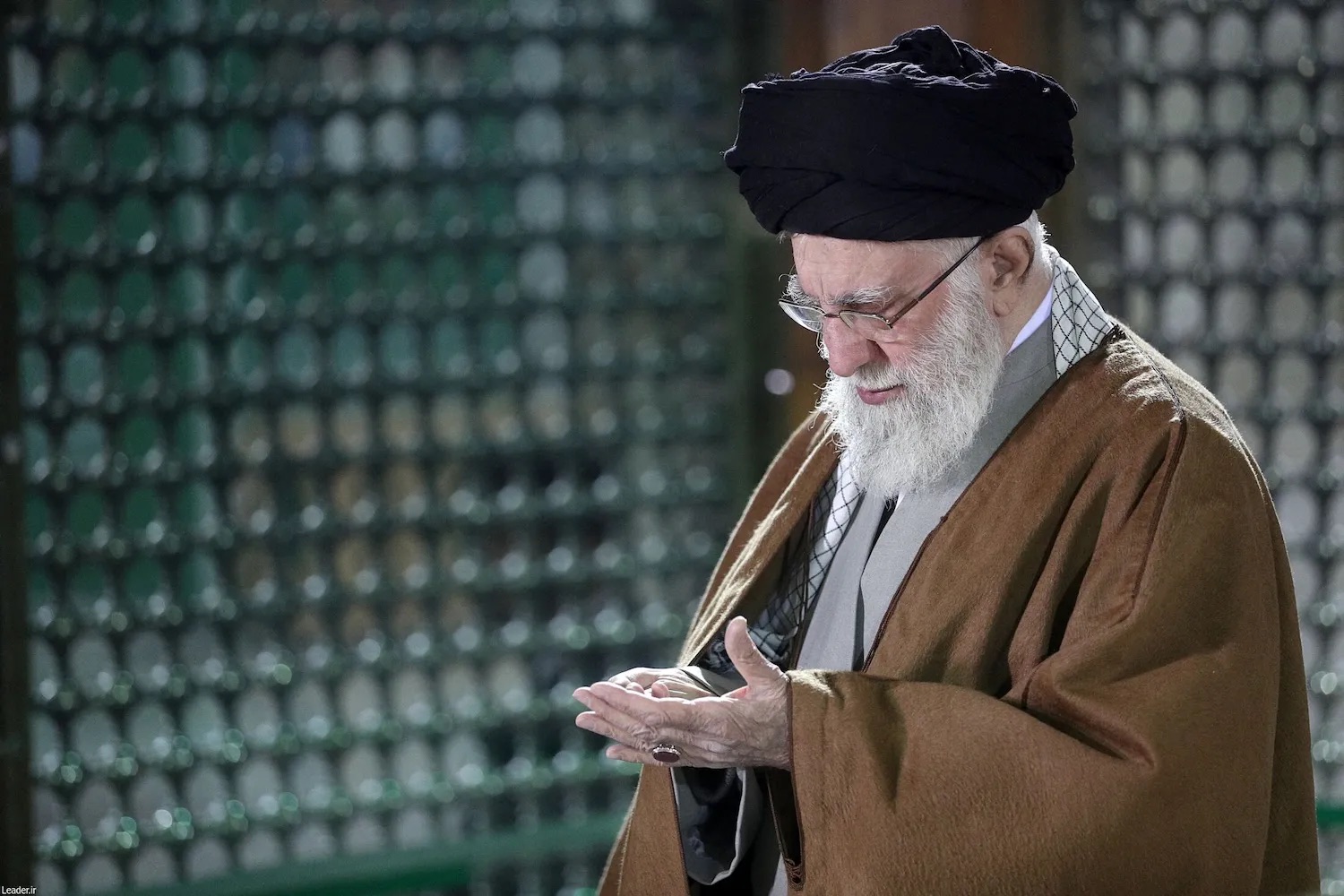
Since mid-April, diplomacy between Tehran and Washington has shifted into overdrive. After a seven-year freeze, Iran’s supreme leader, Ayatollah Ali Khamenei, has made a stunning, if not entirely surprising, reversal: He has greenlit a new nuclear deal if U.S. President Donald Trump accepts Tehran’s basic red lines. While the fourth round of talks between the two countries last weekend in Oman contained no apparent breakthrough, both sides seem determined to continue negotiating.
Trade Tensions, Oil Sanctions, and the Future of Middle East Oil
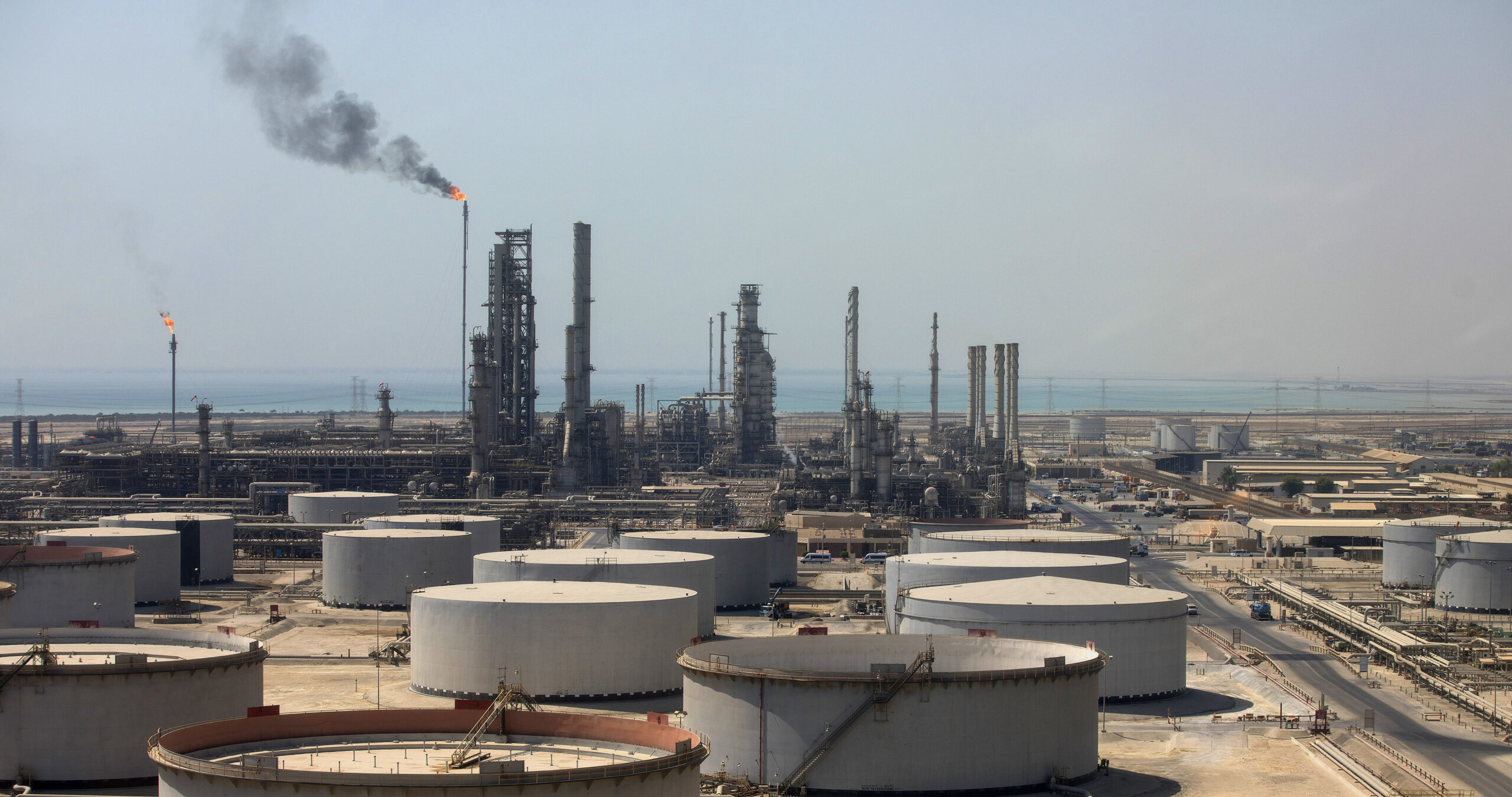
For oil producers in the Middle East, mounting external pressure from trade tensions, tariffs, and oil sanctions presents headwinds to government revenue and regional stability. Oil production is becoming a battle for market share rather than a collective effort to increase prices.
Illiberal Hegemony? Trump’s Foreign Policy and the GOP’s Identity Crisis – with Bill Kristol
Neoconservatives and MAGA isolationists are locked in a battle for the soul of Republican strategy. Nowhere is the split more glaring than over the Middle East: hawks view it as a proving ground for American power and allegiance to Israel, while isolationists see only endless wars that have bled America dry. Where does Trump fall in this tug-of-war?
This week, US President Donald Trump makes his inaugural visit to the Middle East since the start of his second term, traveling to Saudi Arabia, Qatar, and the United Arab Emirates on May 13-16. Amid the heightened focus on US policy toward the Middle East, MEI’s experts take stock of Trump’s trip to the Gulf, how his administration has shaped its approach to the wider region in its first several months, and how regional actors are responding to the policies coming out of Washington.
Analysis: Trump’s Gulf tour should deepen economic alignment
It has been a dynamic period in US-Gulf relations. A steady stream of senior Gulf officials has visited Washington to engage the new administration. There have been talks to end the Russia-Ukraine war in Saudi Arabia, the Gaza crisis in Qatar, and nuclear negotiations with Iran in Oman.
The Damascus-SDF agreement two months on: Fragile progress or delayed collapse?
On March 10, 2025, Ahmed al-Sharaa, the president of Syria, and Mazloum Abdi, the commander-in-chief of the Syrian Democratic Forces, signed a historic agreement, ending a long-running divide between Damascus and the Democratic Autonomous Administration of North and East Syria. Now, two months after the deal was signed, how far has it progressed, and what are the main obstacles and disputes between the parties during this transitional phase?
Trump’s Gulf Visit: Strategic Stakes and Symbolic Optics
President Donald Trump is heading to Saudi Arabia, Qatar, and the UAE on his first foreign trip of his second term, with major investment deals, defense cooperation, and tech diplomacy on the agenda. What are the Gulf states hoping to gain, and what does the trip signal about US policy in the region? Alistair Taylor speaks with Dr. Ibrahim al-Assil, Senior Fellow at MEI, about the goals of the visit, the geopolitical and economic dynamics at play, and how regional powers are navigating a complex landscape shaped by Iran, China, AI ambitions, and the crisis in Gaza.
President Donald J. Trump’s trip to the Middle East on May 13-16 comes on the heels of more than three months of whirlwind activity in US foreign policy where the region has been a higher priority than it was in the early months of the previous US administration. The US president has gained attention by proposing some provocative ideas and his team has made some signs of progress in talks with Iran, but thus far the second Trump administration has produced very few tangible advances for stability, prosperity, and progress in the Middle East. The following report assesses the US government’s actions on Middle East policy over the past three months, from late January to late April 2025.
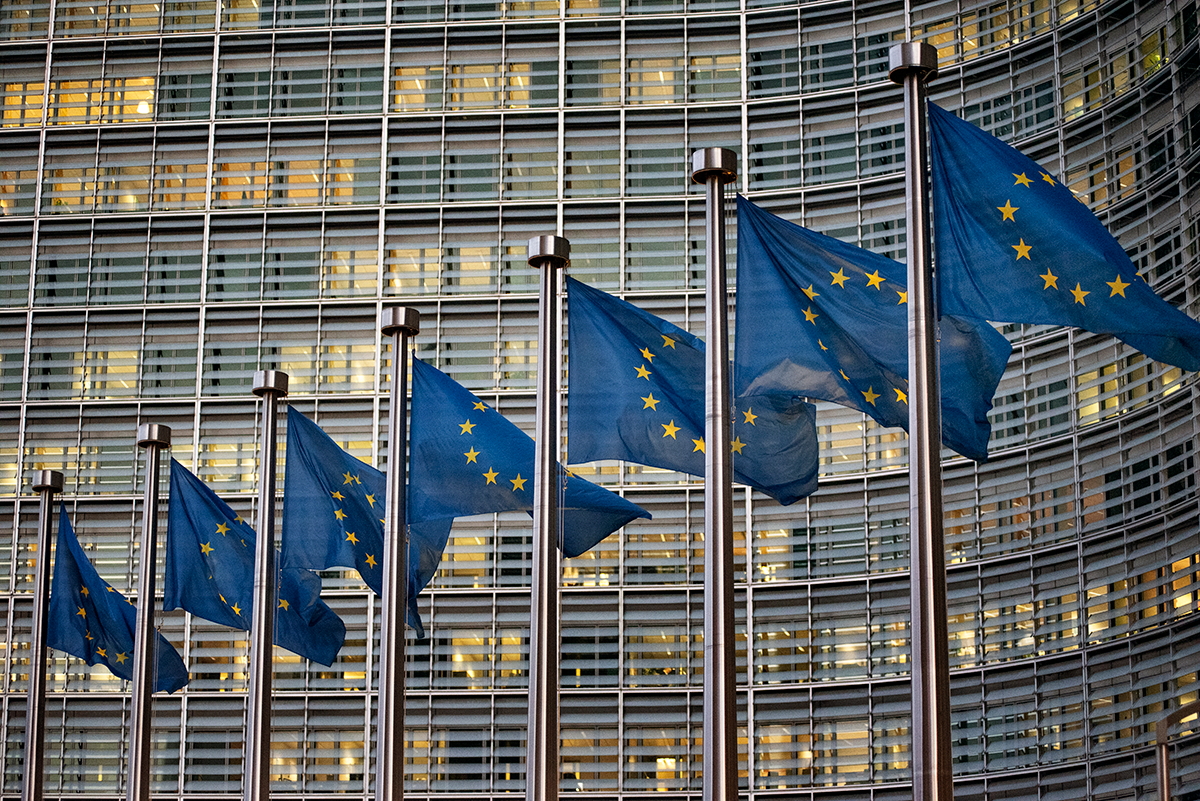
It’s time to end the EU’s Assad-era sanctions on Syria
As the EU prepares for its annual review of sanctions imposed on Syria, it faces a moment of reckoning — an opportunity to demonstrate whether its policies not only continue to be principled and legal, but also in line with its strategic interests. They no longer serve the purpose for which they were designed, and the EU should let the entire sanctions regime on Syria collapse unconditionally and immediately.