When the Mongols invaded Baghdad in 1258, they laid siege to the city’s libraries, including the famed House of Wisdom—the largest in the world at the time.
A center for Muslim, Jewish, and Christian scholars, the destruction of the library remains one of the most famous examples of cultural loss during wartime.
Nine centuries later, Iraqi-American artist Wafaa Bilal has taken the fate of the House of Wisdom as a starting point for a cultural project aimed at rebuilding the library of the Baghdad College of Fine Arts, destroyed in the aftermath of the 2003 invasion.
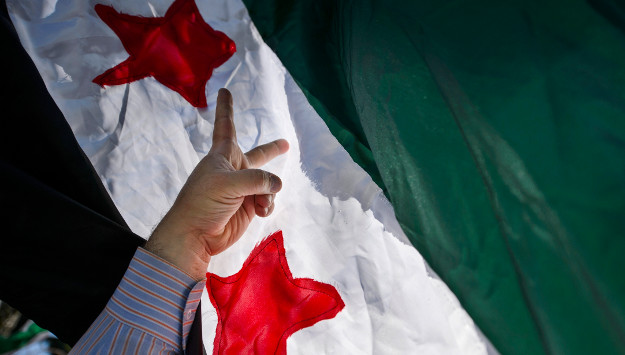
The Syrian Refugee Emergency: Implications for State Security and the International Humanitarian System
This essay depicts the Syrian refugee crisis as a symptom of the disorder which currently exists in the international system, describes the distinctive characteristics of the Syrian exodus, discusses the security implications of the crisis, and proposes four forms of international cooperation to safeguard the welfare of Syria’s refugees and to prevent the emergency from generating further upheaval in the Middle East.
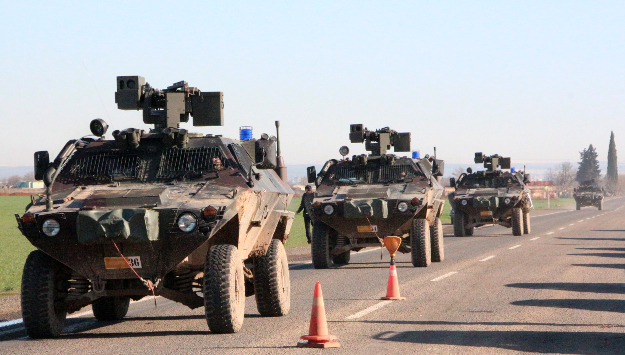
The United States has been pushing Turkey for a campaign to eject ISIS from a 60-mile stretch of border that it still controls between the Syrian towns of Jarabulus and Azaz. However, the joint U.S.-Turkey operation has faced several roadblocks. From the outset, the United States and Turkey have had different goals. Washington wants Ankara to close the border, which is the sole remaining crossing point for ISIS militants.
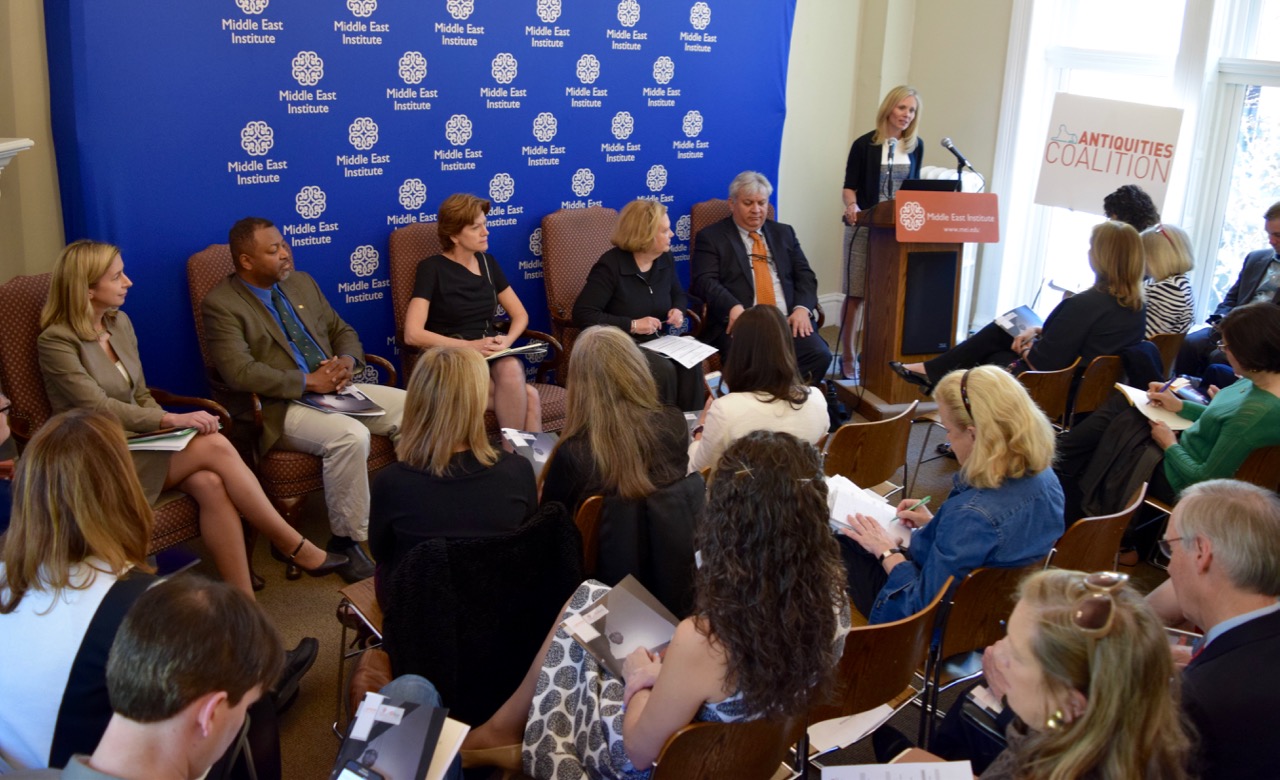
#CultureUnderThreat Task Force Unveils Recommendations to Combat Antiquities Trafficking
WASHINGTON, DC (April 13, 2016) – Today the Antiquities Coalition, Asia Society, and Middle East Institute released #CultureUnderThreat: Recommendations for the U.S. Government, a series of steps for confronting growing threats to our cultural heritage and global security. Cultural racketeering – the global trade in looted antiquities – is a multibillion-dollar industry that funds organized crime and terrorists like Daesh (also known as ISIS).
Migration, Conflict and Security in the Post-2011 Landscape
This essay suggests lines of inquiry for a research agenda on why migration has arisen both as a consequence and a driver of conflict in the aftermath of the Arab Spring. The essay sheds light on conflict-induced migration flows and their determinants in the post-2011 landscape; highlights how displacement has become both as a consequence and as a driver of new types of conflict and vulnerability; shows how migration flows and patterns have become closely intertwined with the construction of security and power; and raises the question of whether or not the post-2011 migrant crises have provided opportunities for political reform.
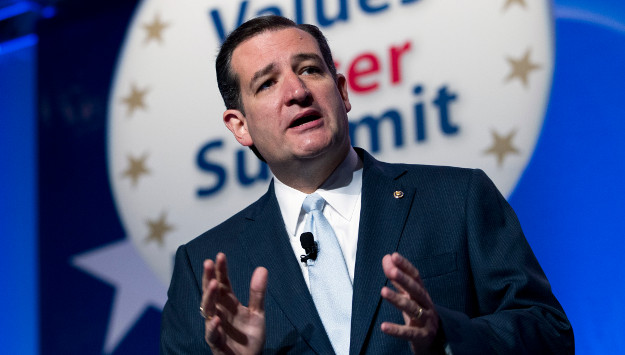
Sen. Ted Cruz, when asked at last month’s CNN town hall meeting to defend his controversial proposal to target Muslim neighborhoods in the United States, made a valuable distinction between Islam and Islamism.
Since the mid-2000s, Egypt has developed into a main transit country for irregular migrants, either to Libya or to Israel. Now, as the traditional paths have largely been closed, many migrants and refugees are blocked in Cairo and along Egypt’s Mediterranean coast. Boarding a boat towards Europe is for many the only option to escape negligence, detention and abuse.
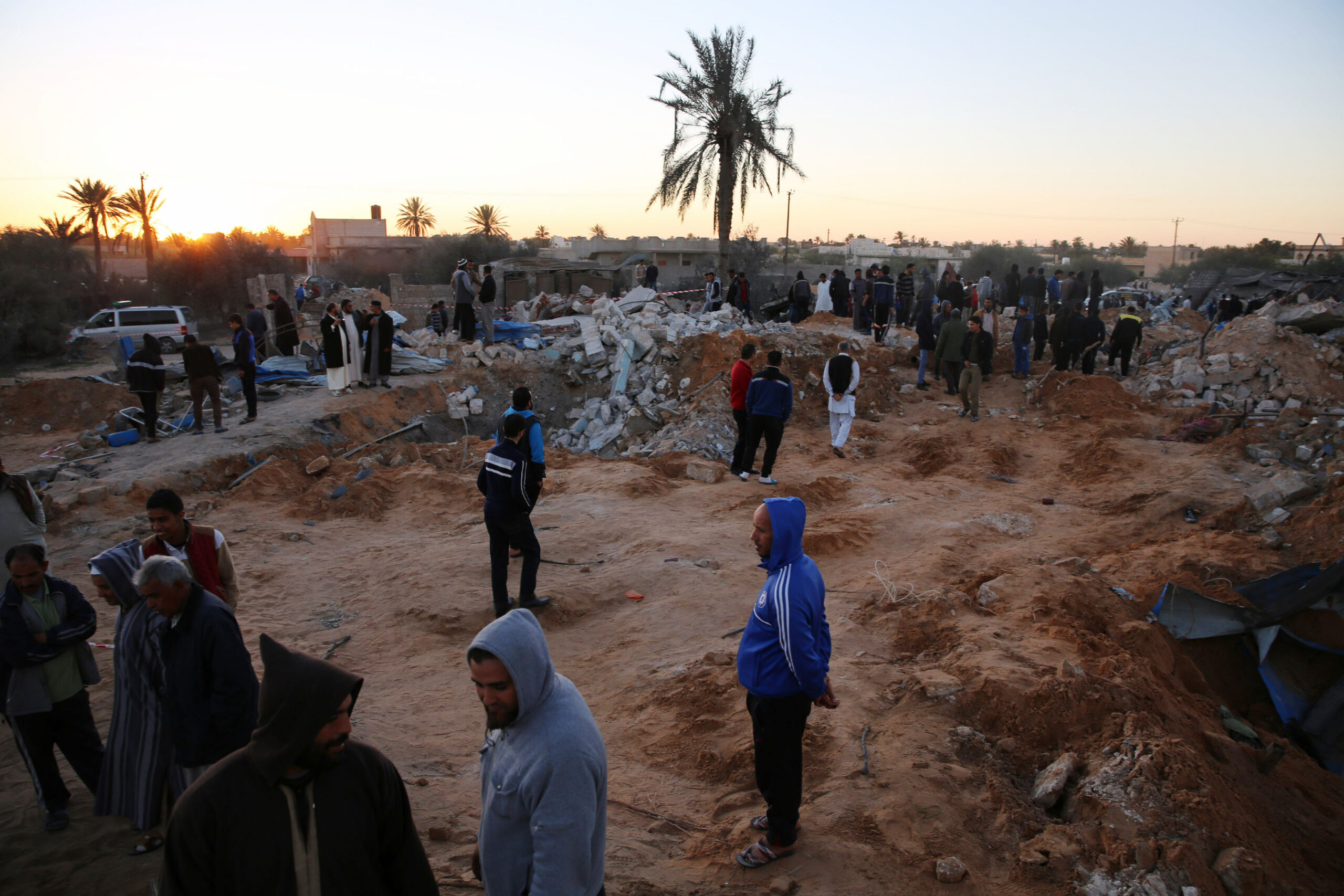
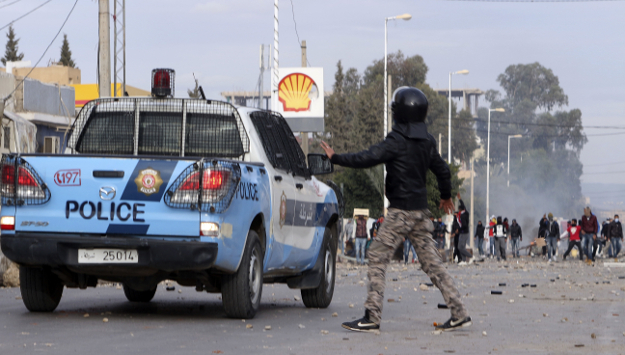
Tunisia is facing multiple pressures that, if not handled well by its current leaders, could undermine its stability as it continues to grapple with the post-Arab Spring era. The March 7 attack on Ben Gardane in Tunisia was a vivid reminder that the threat of ISIS and other extremist groups with safe haven in Libya is alive and well.
Monday Briefing: Syrian Peace Talks, Yemen's Cease-fire, and Saudi Regional Diplomacy
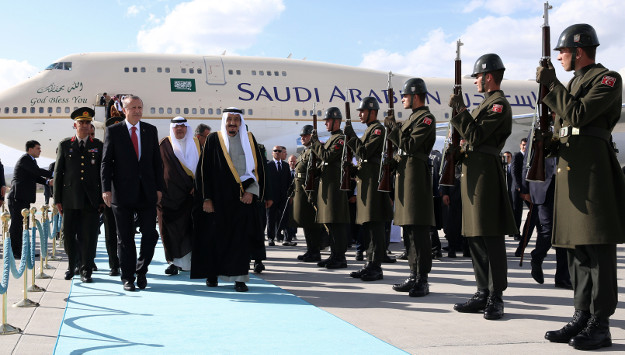
In this week’s Monday Briefing, MEI experts Randa Slim, Charles Schmitz, and Paul Salem provide analysis on recent and upcoming events including the next round of Syrian peace talks, the cease-fire in Yemen and the negotiations ahead, and Saudi King Salman’s visits to Egypt and Turkey.