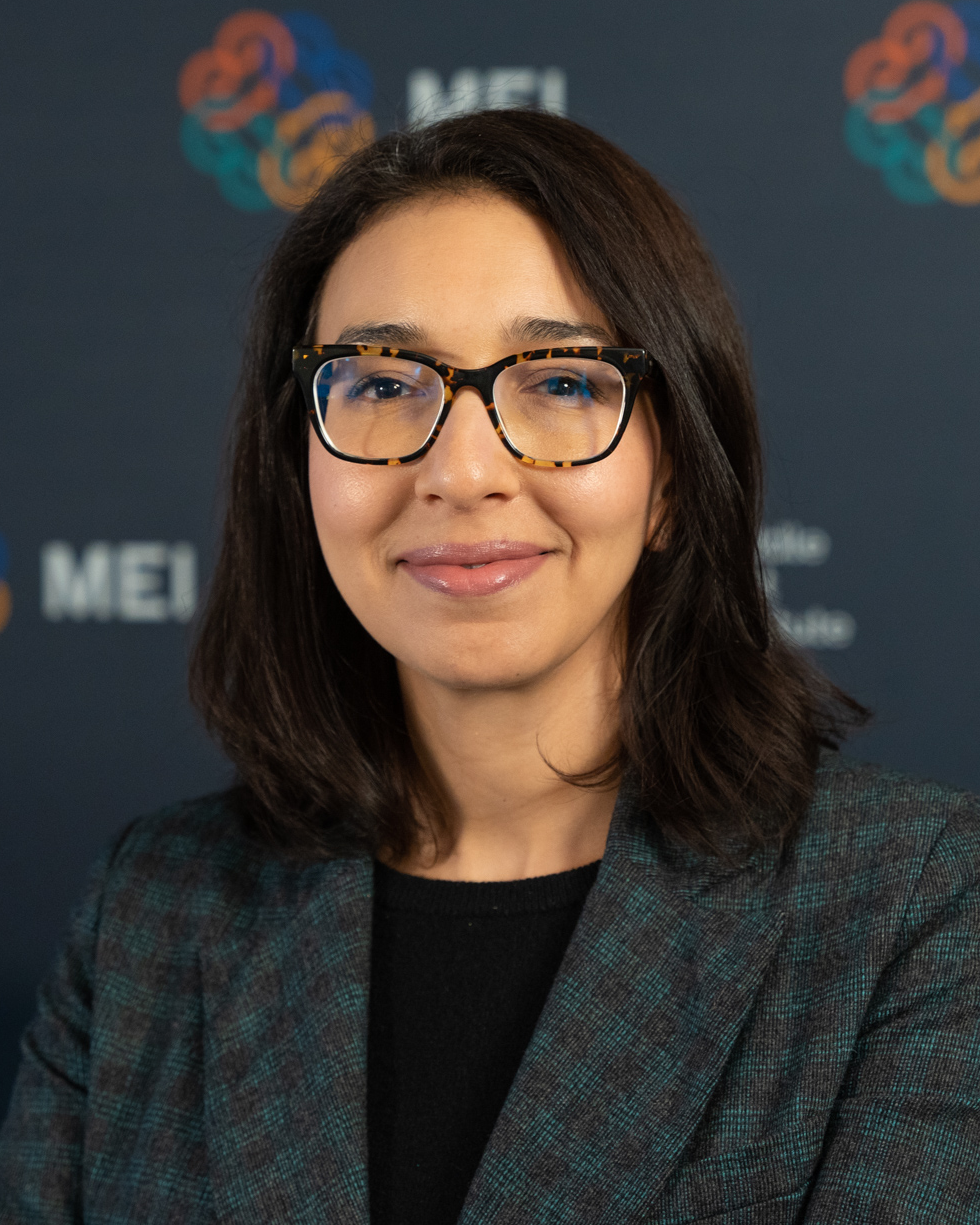
Intissar Fakir is a Senior Fellow at the Middle East Institute, where she researches the politics and geopolitics of North Africa and the Sahel. Her work explores how changing notions of sovereignty, legitimacy, and state resilience are reshaping domestic governance and international engagement across the region. She examines the implications of these shifts for regional security, democratic backsliding, conflict, migration, food and energy security, great-power competition, and U.S. foreign policy, with a particular focus on how North African states are navigating an increasingly fluid international order.
Prior to joining MEI, Fakir was a fellow at the Carnegie Endowment for International Peace and editor-in-chief of Sada. Earlier in her career she worked on democracy, governance, and socioeconomic reform across the Middle East and North Africa. Originally from Morocco, she holds an M.A. from the Elliott School of International Affairs at George Washington University and is a frequent commentator in international media.
Morocco, Algeria and the Western Mediterranean tension game
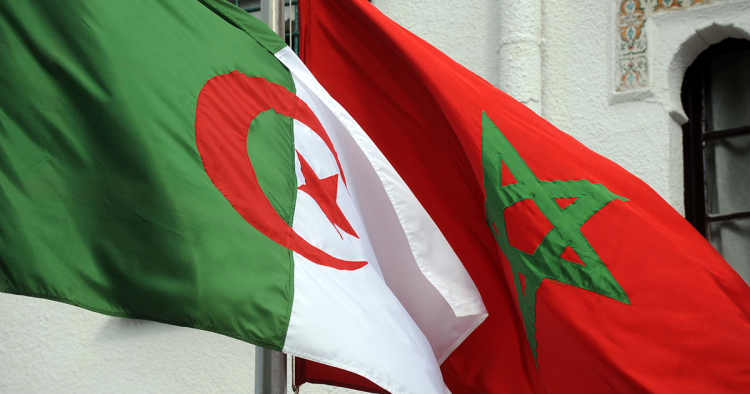
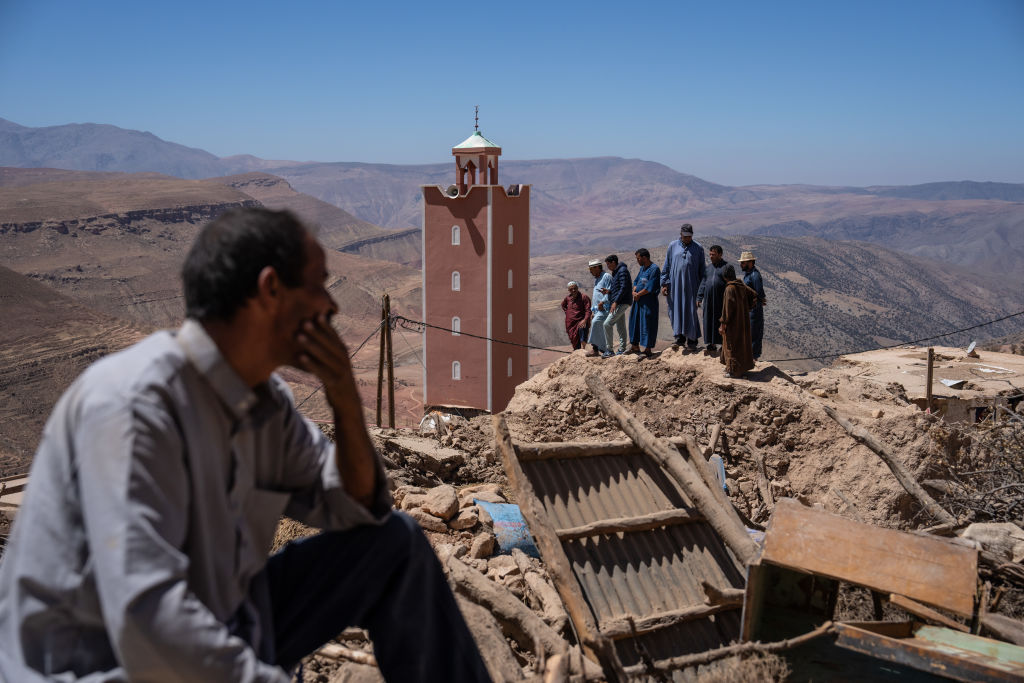
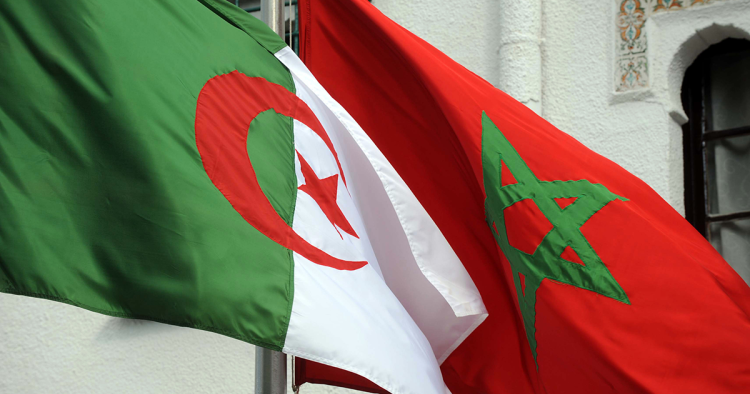
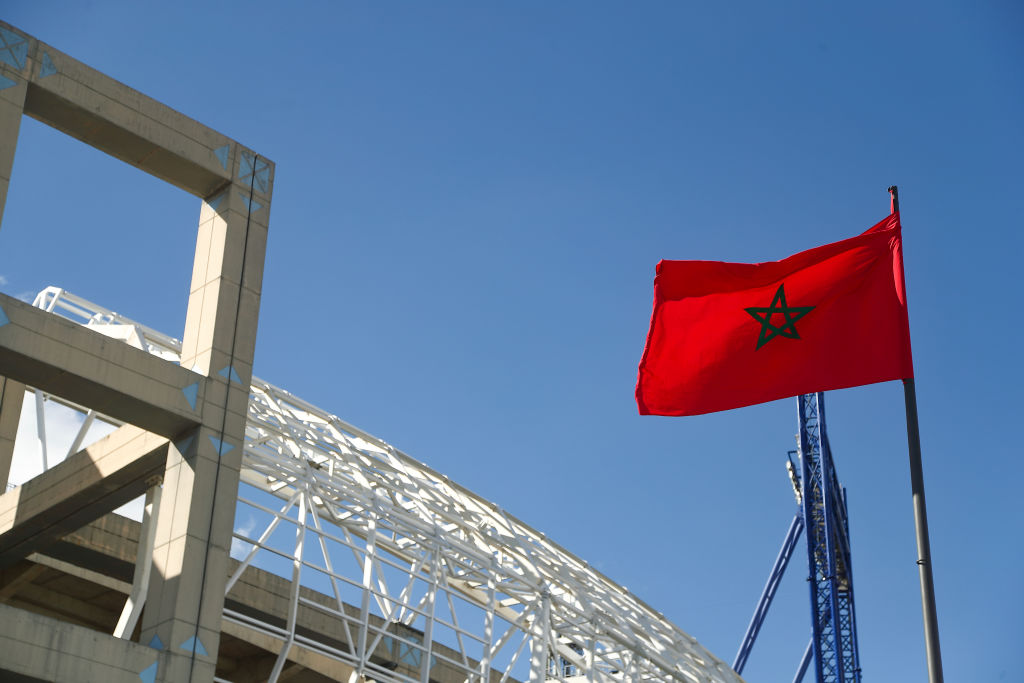
As the aftermath of the earthquake that struck Morocco in early September unfolded, one notable aspect of the response to the devastation was the geopolitical element of aid and disaster relief. Specifically, what drew attention was Algeria’s offer of assistance and whether it might signal an implicit desire to reduce tensions between the hostile neighbours. Yet, mistrust between the two continues to run high, and a single gesture of offering support is unlikely to undo decades of animosity.
NATO, North Africa, and the Sahel: Squaring the triangle of insecurity
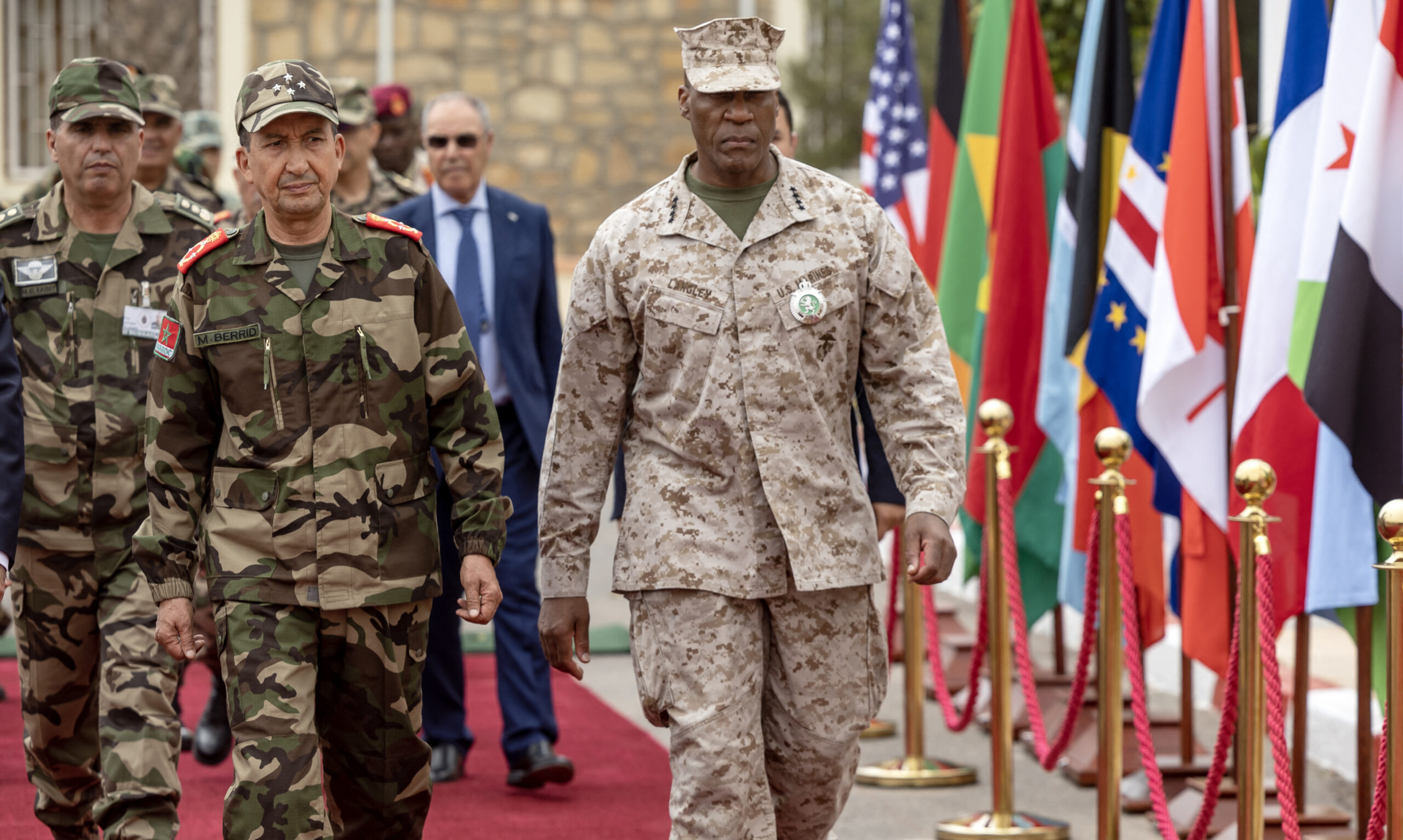
With NATO celebrating 75 years since its founding, Alliance members will gather in Washington, DC, on July 9-11, for a historic summit. Two of the key issues on the agenda will be addressing the acute threats emanating from the Black Sea region and adopting a strategic approach toward the Middle East and Africa.
In North Africa, Startups and NGOs Drive Local Innovation. What Is Missing?
Innovation is often cited as the prerequisite for development, growth, and prosperity. New ways to improve on existing practices and approaches, curiosity, and the ability to carry that forward into new ideas, discoveries and inventions help economies thrive, populations develop, and lives prosper. In the North African context, innovation is charting an uneven course. This human ability to improve, build, and innovate is at times fed by state institutions or hindered by them.
Over the last two decades, the Mediterranean has become an important region. Many scholars, policymakers and analysts have mostly referred to this region from a nexus of security, geopolitics and traditional energy politics. With the war in Ukraine, the relevance of this whole region has increased along the same line. The Mediterranean today is home to some of the most enduring conflicts in the world. New energy resources are being discovered in disputed areas in an environment of intense geopolitical competition over regional leadership and energy routes within and beyond the region.
Algeria, Morocco and Western Sahara: Why Tension, Not Conflict, Has Become the Norm
During an interview on 29 December with the French daily Le Figaro, Algerian President Abdelmadjid Tebboune declared that his country had cut ties with Morocco in the summer of 2021 to “avoid war.”[i] Tebboune’s comments reflected just how far relations had deteriorated, and that avoiding conflict required a strong response. Hence, the diplomatic break of August 2021. What has resulted in this bilateral nadir?
Politics and Civic Engagement in North Africa: Present Trends and Future Outlook
In the North Africa and Middle East region, there is a battle for citizenship currently lurking behind the façade of a reemerging authoritarianism. Indeed, in most cases, the revolutions and transitions that spread across North Africa and the Middle East since 2011 have crystalized into resurgent authoritarian regimes that target freedoms and liberties and reverse political openings, while still contending with the economic and governance crises. But this is only one layer.
Morocco and Israel: Economic Opportunities, Military Incentives, and Moral Hazards
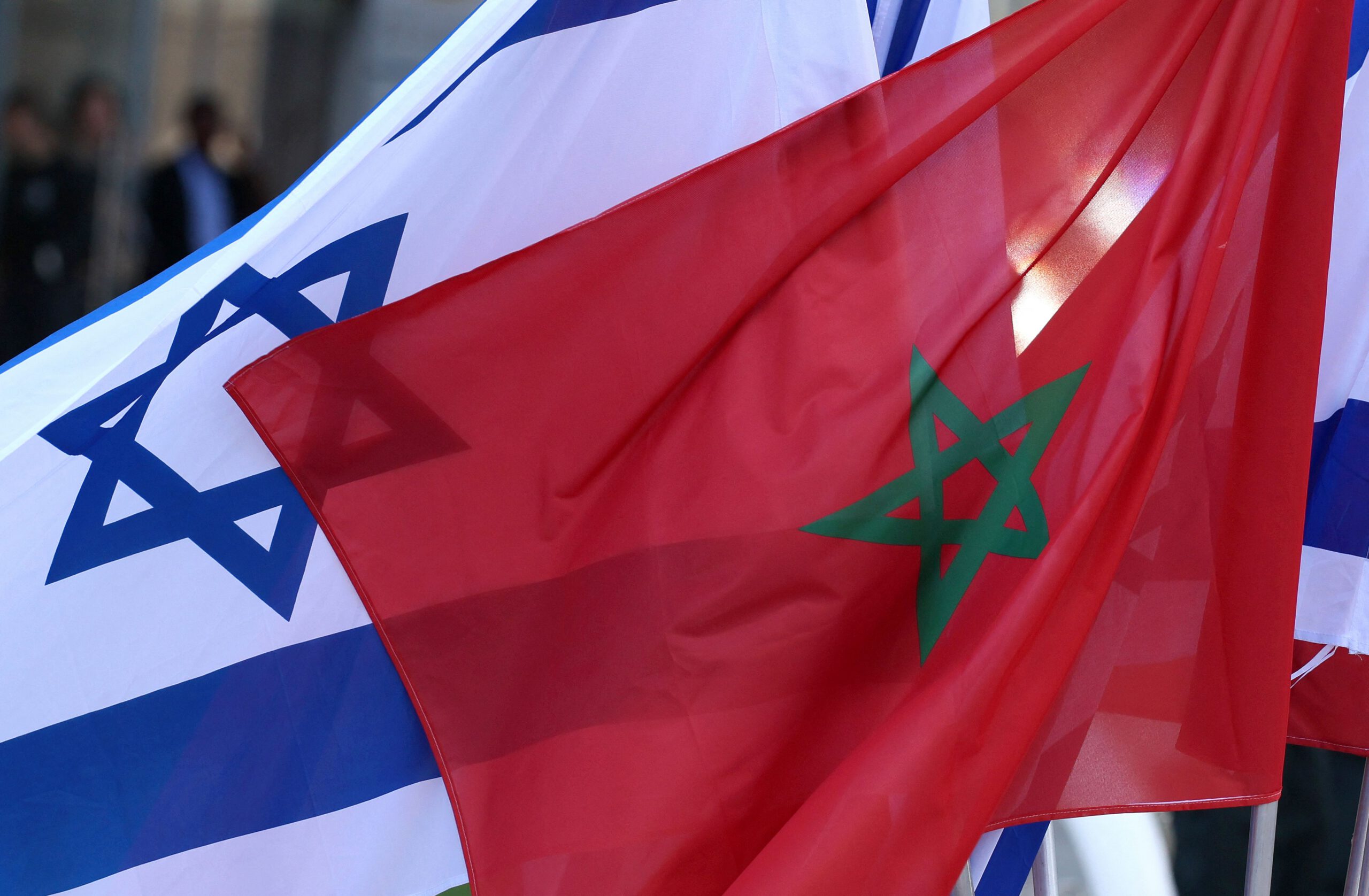
The December 2020 Moroccan-Israeli normalization deal has evolved from a vehicle enabling Morocco to gain long-sought U.S. recognition of its claims on Western Sahara to a broader strategic partnership with Israel. But the relationship further strains relations with neighboring rival Algeria.