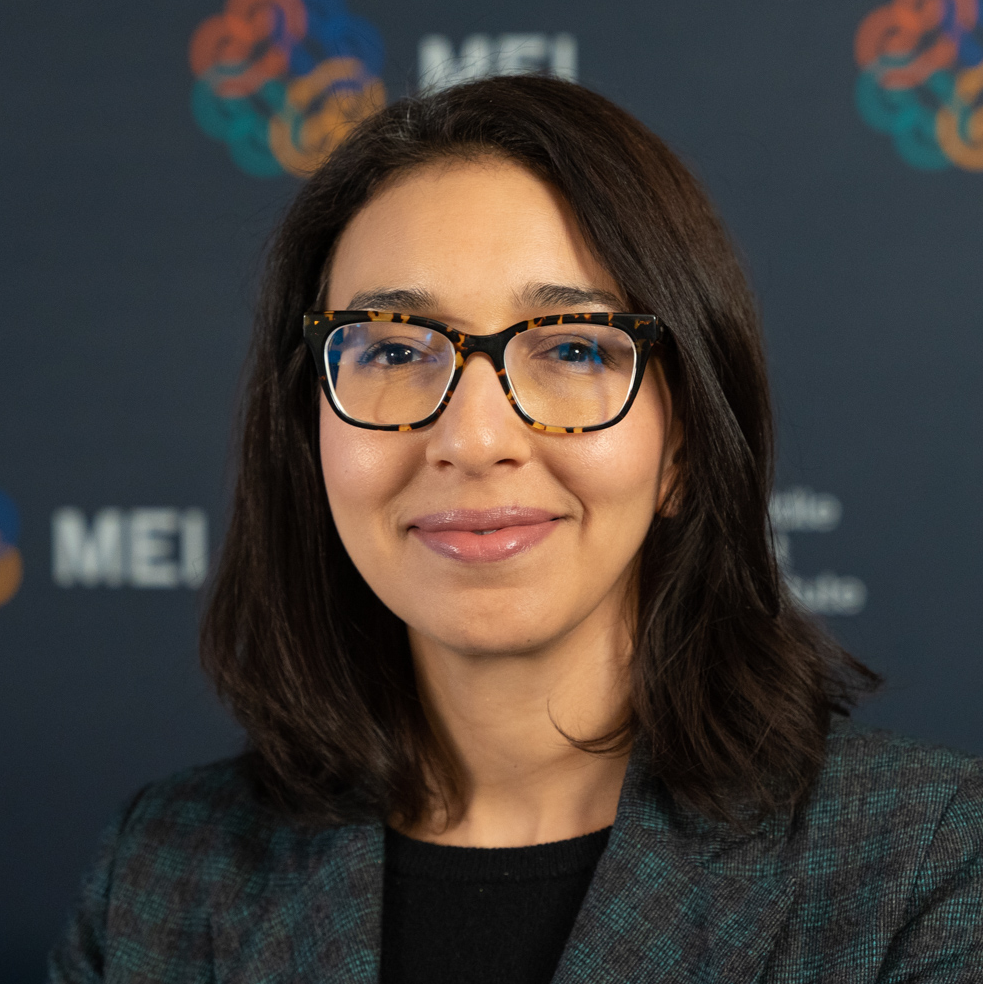
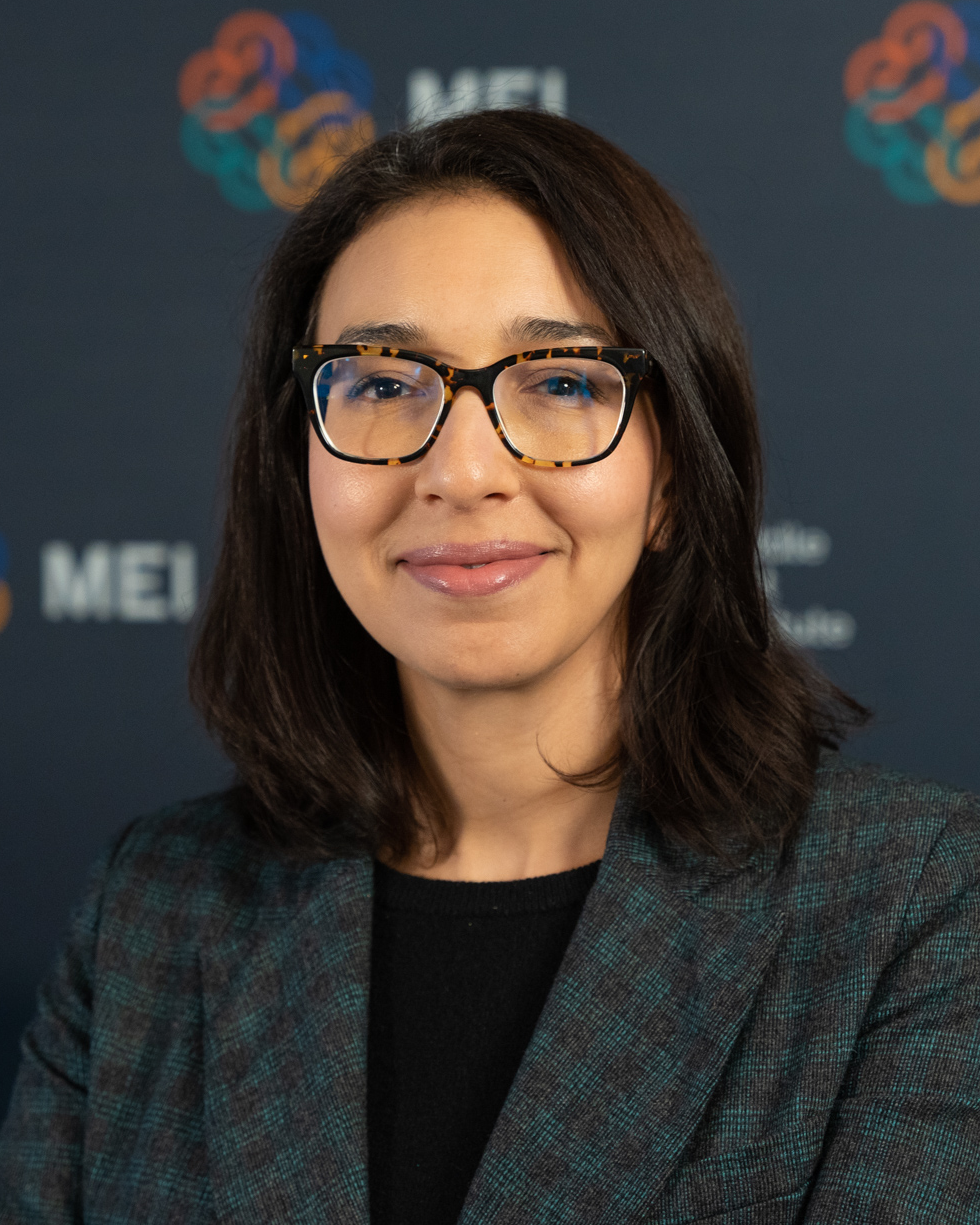
Intissar Fakir is a Senior Fellow at the Middle East Institute, where she researches the politics and geopolitics of North Africa and the Sahel. Her work explores how changing notions of sovereignty, legitimacy, and state resilience are reshaping domestic governance and international engagement across the region. She examines the implications of these shifts for regional security, democratic backsliding, conflict, migration, food and energy security, great-power competition, and U.S. foreign policy, with a particular focus on how North African states are navigating an increasingly fluid international order.
Prior to joining MEI, Fakir was a fellow at the Carnegie Endowment for International Peace and editor-in-chief of Sada. Earlier in her career she worked on democracy, governance, and socioeconomic reform across the Middle East and North Africa. Originally from Morocco, she holds an M.A. from the Elliott School of International Affairs at George Washington University and is a frequent commentator in international media.
Given capacity constraints, Algeria is no quick fix for Europe’s Russian gas concerns
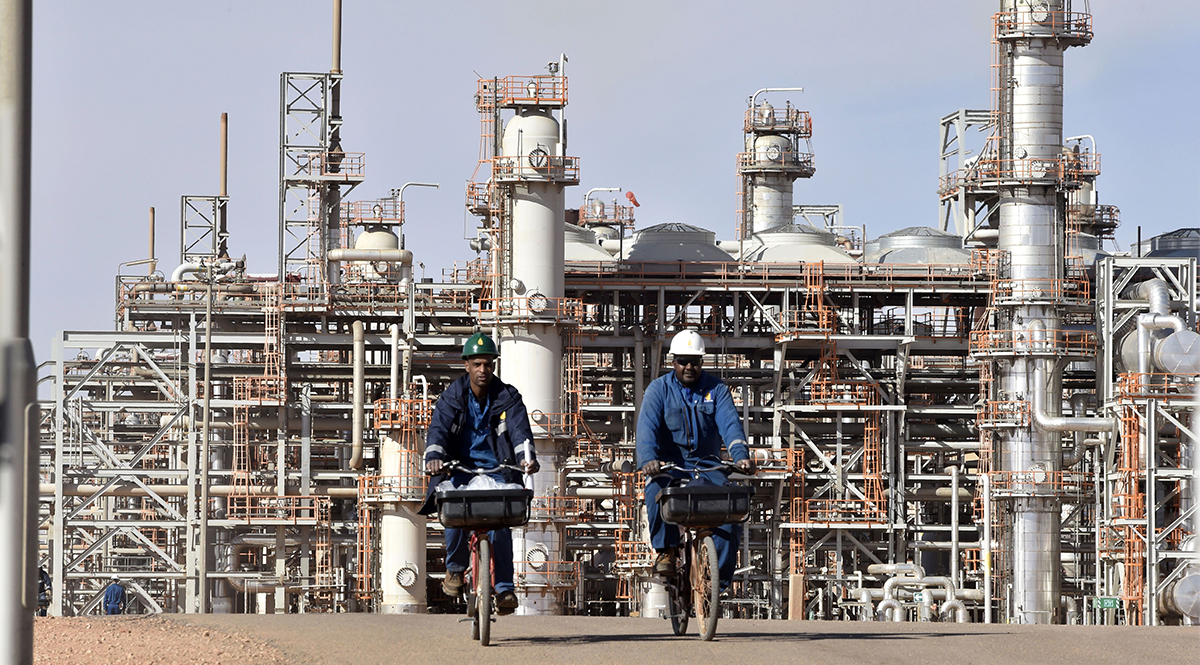
While Europe might be ready for more Algerian gas as it looks to diversify its suppliers, Algeria’s current production capacity limits its ability to substantially increase export volumes to Europe. As of now, any meaningful increases in Algerian production will require years of exploration and development and more crucially, further energy industry reforms to attract new investment.
وضعت الحكومة المغربية الجديدة أولويات الميزانية، لكن هل يمكنها توفير مواردها؟
بعد شهرين في السلطة، أعطت الحكومة المغربية الجديدة إشارات إلى أنها تريد إعطاء الأولوية للتنمية الاجتماعية والتعافي من الآثار المطولة لكوفيد 19 على البلاد. ومع ذلك، فإن استقرار الاقتصاد الكلي، والموارد المالية المحدودة، وزيادة الإنفاق الدفاعي تحد من مدى قدرة الدولة على متابعة وتمويل خطط التنمية الاجتماعية التي تشتد الحاجة إليها.
Morocco’s new government lays out budget priorities, but can it pay for them?
After two months in power, Morocco’s new government has indicated that it wants to prioritize social development and post-pandemic recovery as the country reels from the prolonged impact of COVID-19. However, macro-economic stabilization, constrained financial resources, and increasing defense spending are limiting the extent to which the state can effectively pursue and finance much-needed social development plans.
A Mysterious Bombing Heats Up the Algeria-Morocco Standoff
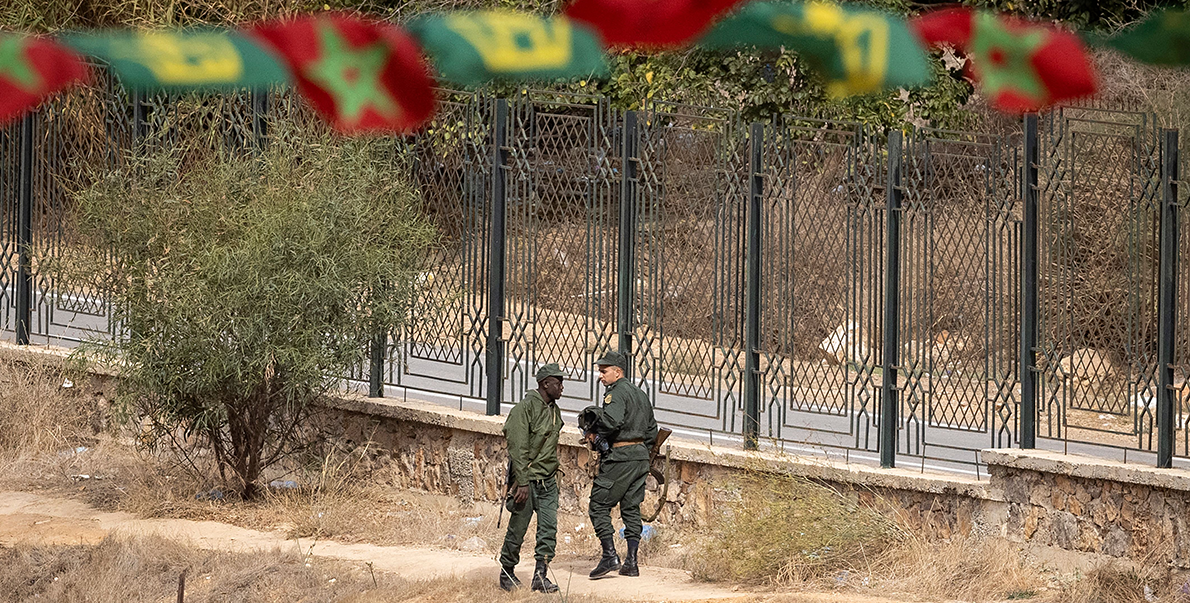
Algeria has blamed Morocco for a Nov. 1 bombing that killed three Algerian truckers in the disputed territory of Western Sahara, adding a new layer of uncertainty to ongoing tensions between the two hostile neighbors.
Expert Views: What should be the key outcomes from COP26?
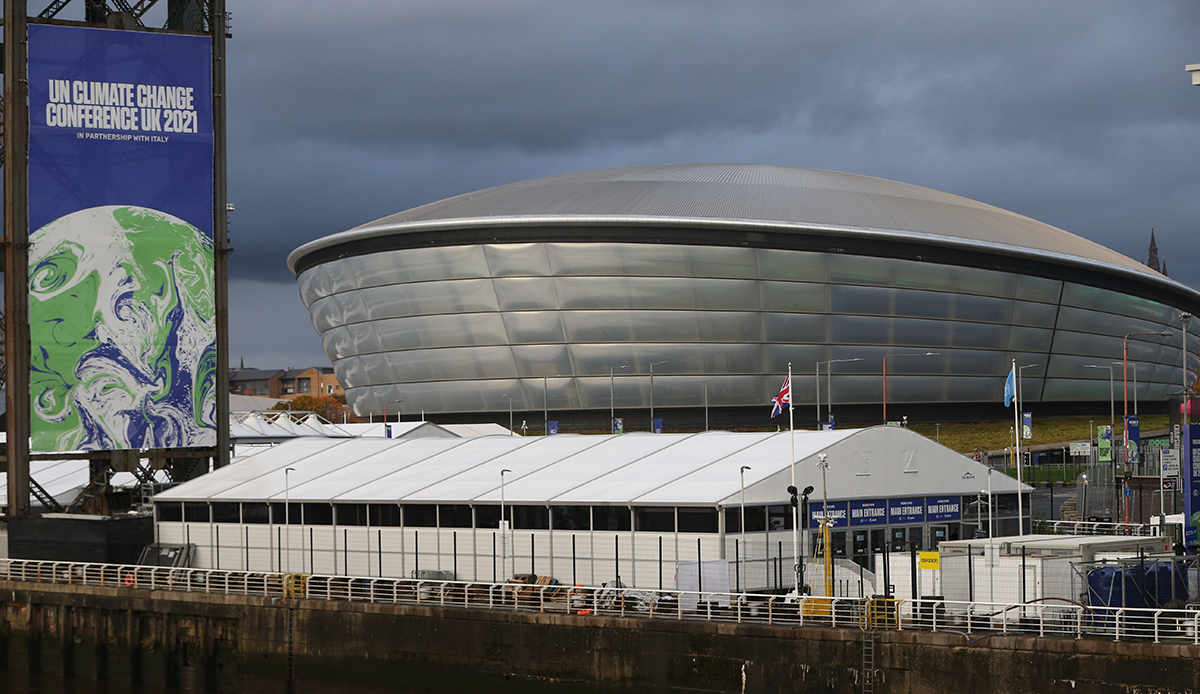
As the U.N. Climate Change Conference (COP26) kicks off in Glasgow, climate change is front and center on the global agenda. Few regions of the world have more at stake than the Middle East and North Africa, given the current environmental and sustainability challenges and potential future scenarios. Experts from across MEI weigh in with their thoughts on what should be the key outcomes from COP26.
Across the Maghreb, support for all outside actors, including China and Russia, remains low
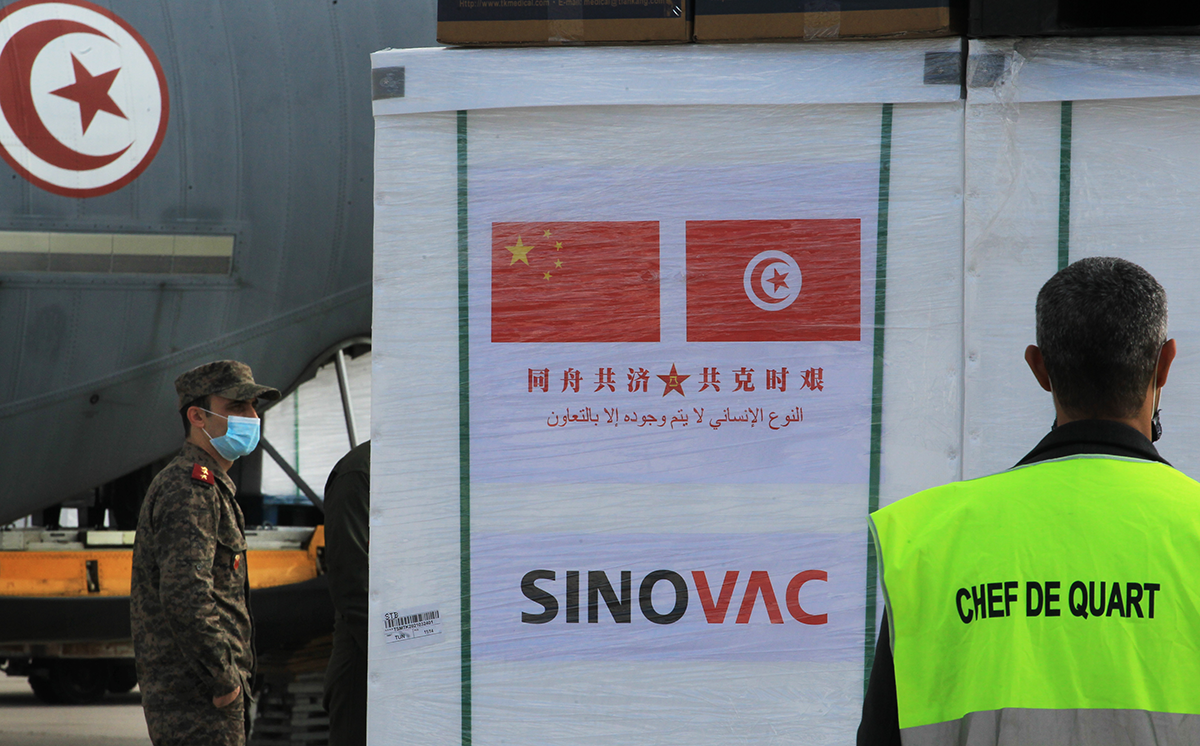
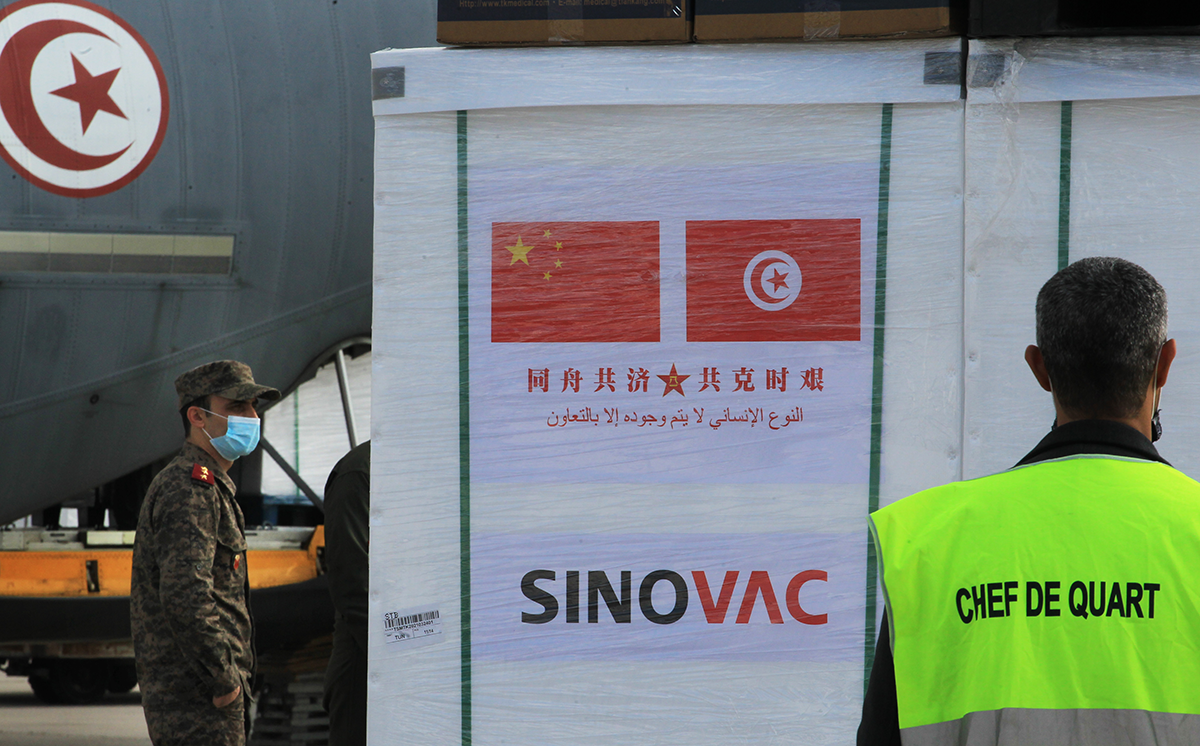
In recent years, China and Russia have gradually increased their influence in the Maghreb. The two powers, relative newcomers to the regional scene compared to Europe and the U.S., have been building stronger commercial, security, and diplomatic ties to the Maghreb countries of Morocco, Algeria, and Tunisia. However, these ties have not yet translated into significant popular approval or support.
What’s driving the escalating tensions between Algeria and Morocco?
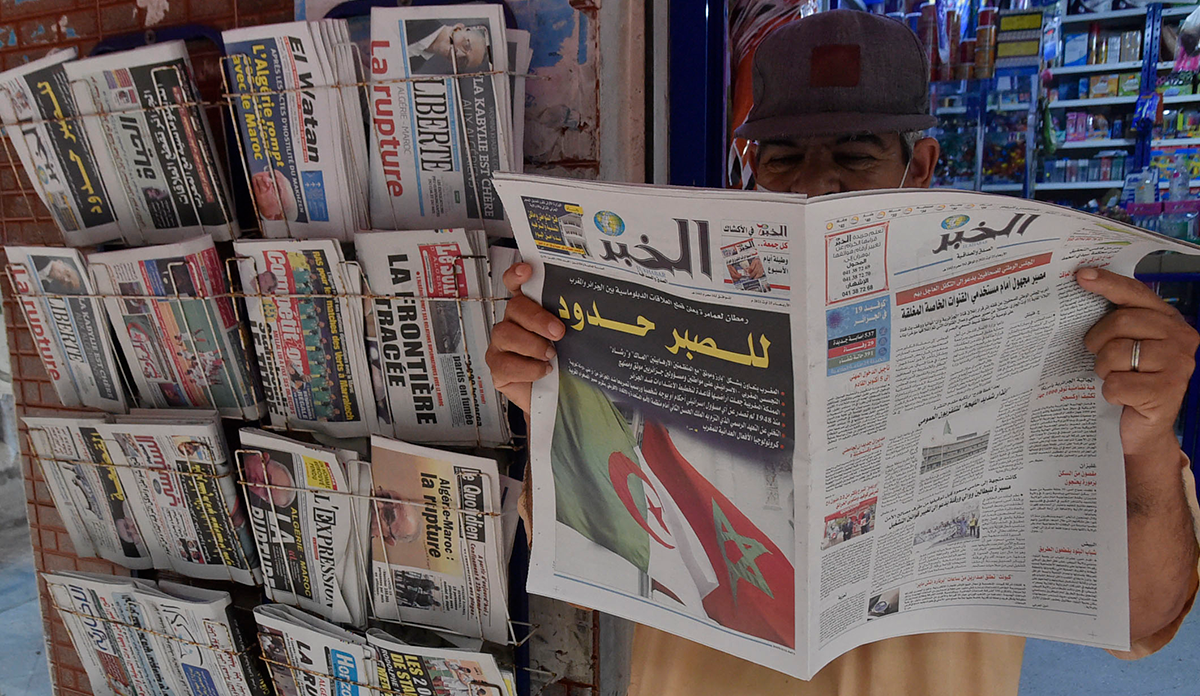
On Aug. 24 Algeria broke off its already minimal bilateral relations with Morocco, declaring this was due to the kingdom’s “hostile actions” and accusing it of involvement in the wildfires that struck the Kabylia region earlier that month. The heightened tension between the two countries brings into focus regional uncertainty and may spell the end of their limited collaboration in the energy sector.
Consistency and change: Morocco under King Mohammed VI
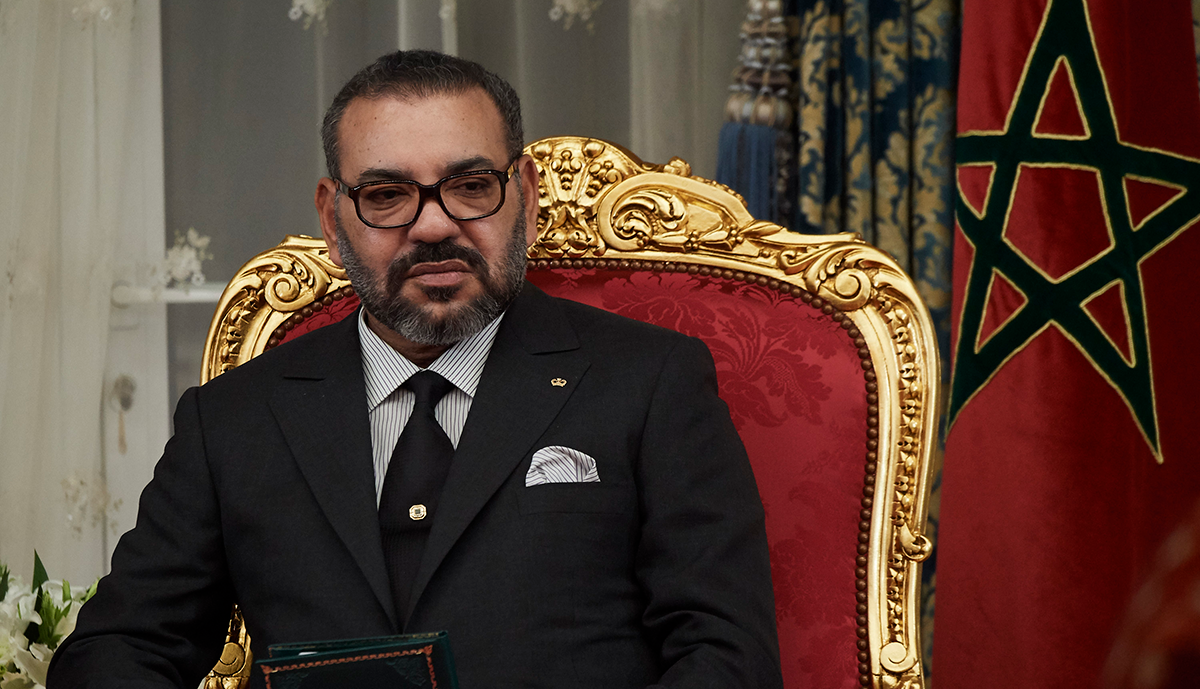
In July, Morocco marked the 22nd year of King Mohammed VI’s rule and 10 years under the new constitution ushered in by a popular referendum in the aftermath of the 2011 protests. The past 22 years have transformed Morocco, the region, and the world in fundamental ways, yet the country’s politics have continually snapped back to a familiar equilibrium. During these past 22 years Morocco has gone through three distinct phases in managing these internal and external dynamics.
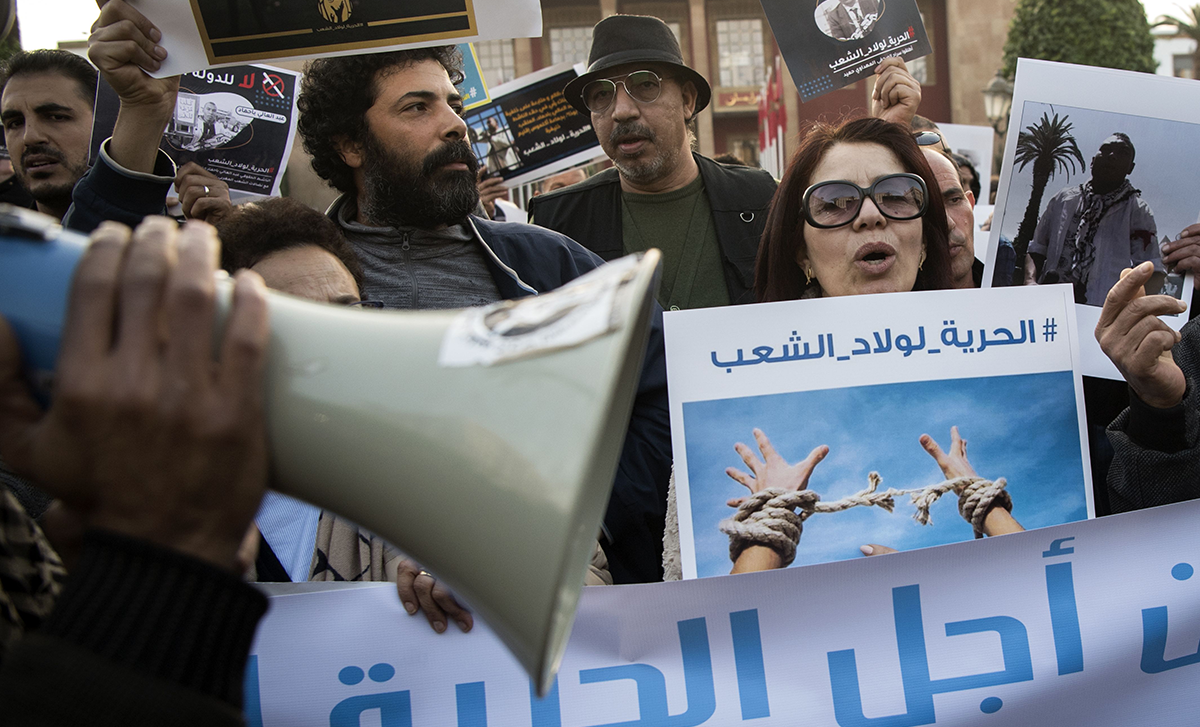
Testimony | "Briefing on Human Rights and Freedom of Expression in Morocco"
The following testimony was presented to the House Foreign Affairs Committee, Tom Lantos Human Rights Commission “Briefing on Human Rights and Freedom of Expression in Morocco” on August 12, 2021.