Iulia Joja is a senior fellow at the Middle East Institute (MEI), where she focuses on European and Black Sea security, with particular attention to defense, strategic cultures, and transatlantic relations. She is also an adjunct professor at Georgetown University and George Washington University, teaching European affairs and security.
Before joining MEI, Dr. Joja served as an adviser to the Romanian president and as a deputy project manager at NATO Allied Command Transformation in Virginia. She has also worked with the Romanian delegation to the United Nations, the European Parliament, and the Romanian Ministry of Foreign Affairs.
Dr. Joja has held prestigious academic positions, including as a visiting scholar at the Center of Military History and Social Sciences of the German Armed Forces in Potsdam/Berlin and as a German Academic Exchange Service (DAAD) post-doctoral fellow at the Foreign Policy Institute of the Johns Hopkins School of Advanced International Studies.
She holds a PhD in Strategic Studies from the National School of Political and Administrative Studies in Bucharest, an MA in International Conflict Studies from King’s College London, and a BA in Political Science and International Relations from Freie Universität in Berlin.
Iran’s growing influence in the Black Sea region: Consequences and Western responses
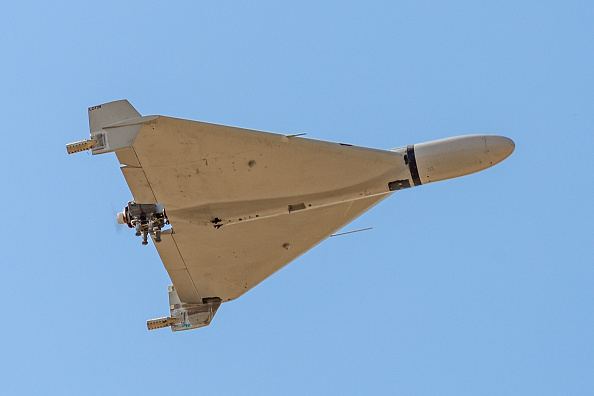
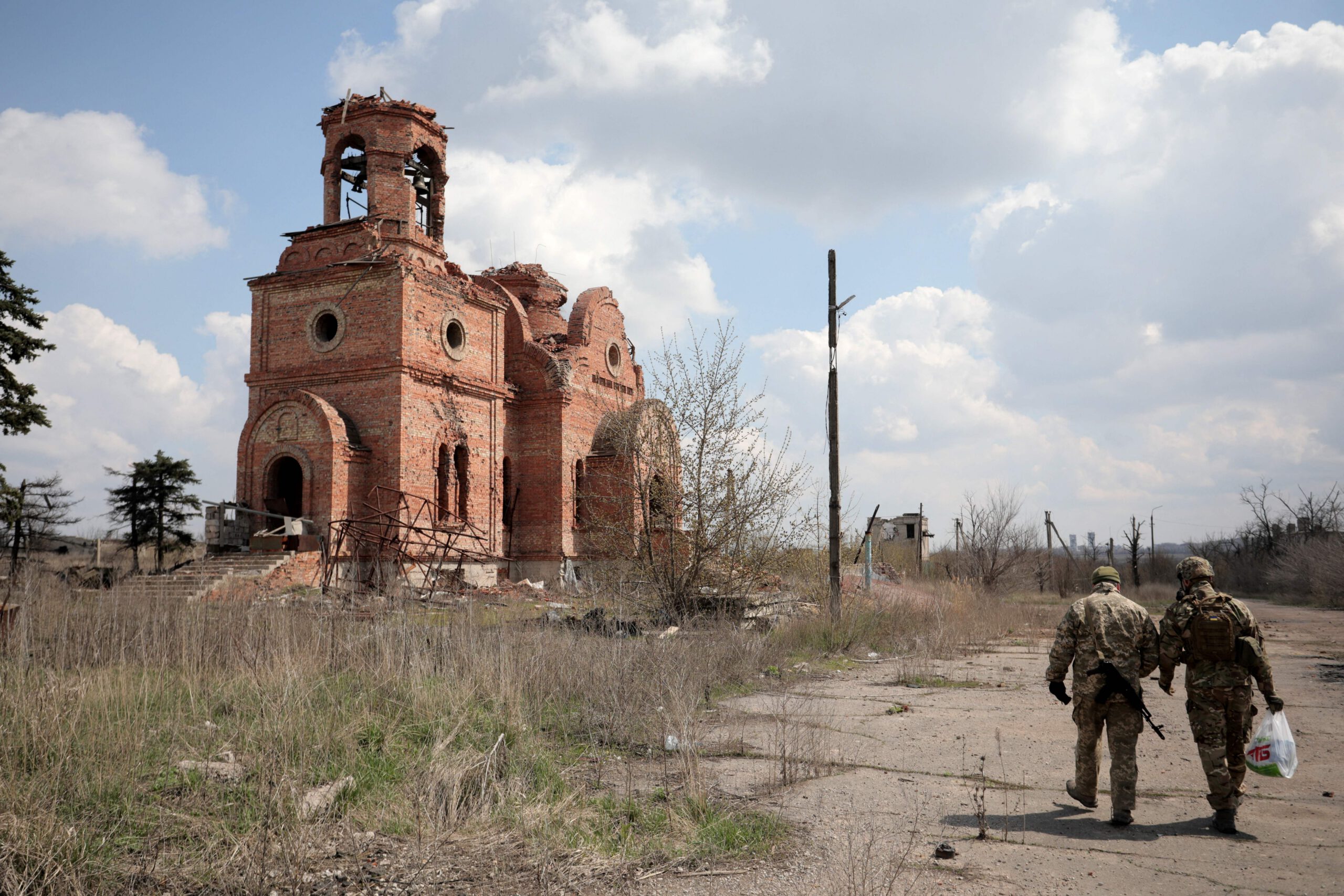
Russia’s full-scale war against Ukraine has provided several strategic opportunities for Iran to increase its foothold in the Greater Black Sea Region. A closer analysis of Iran’s deepening footprint there is necessary to inform how the next administration in Washington and the new European Commission can strengthen and better coordinate their policy responses.
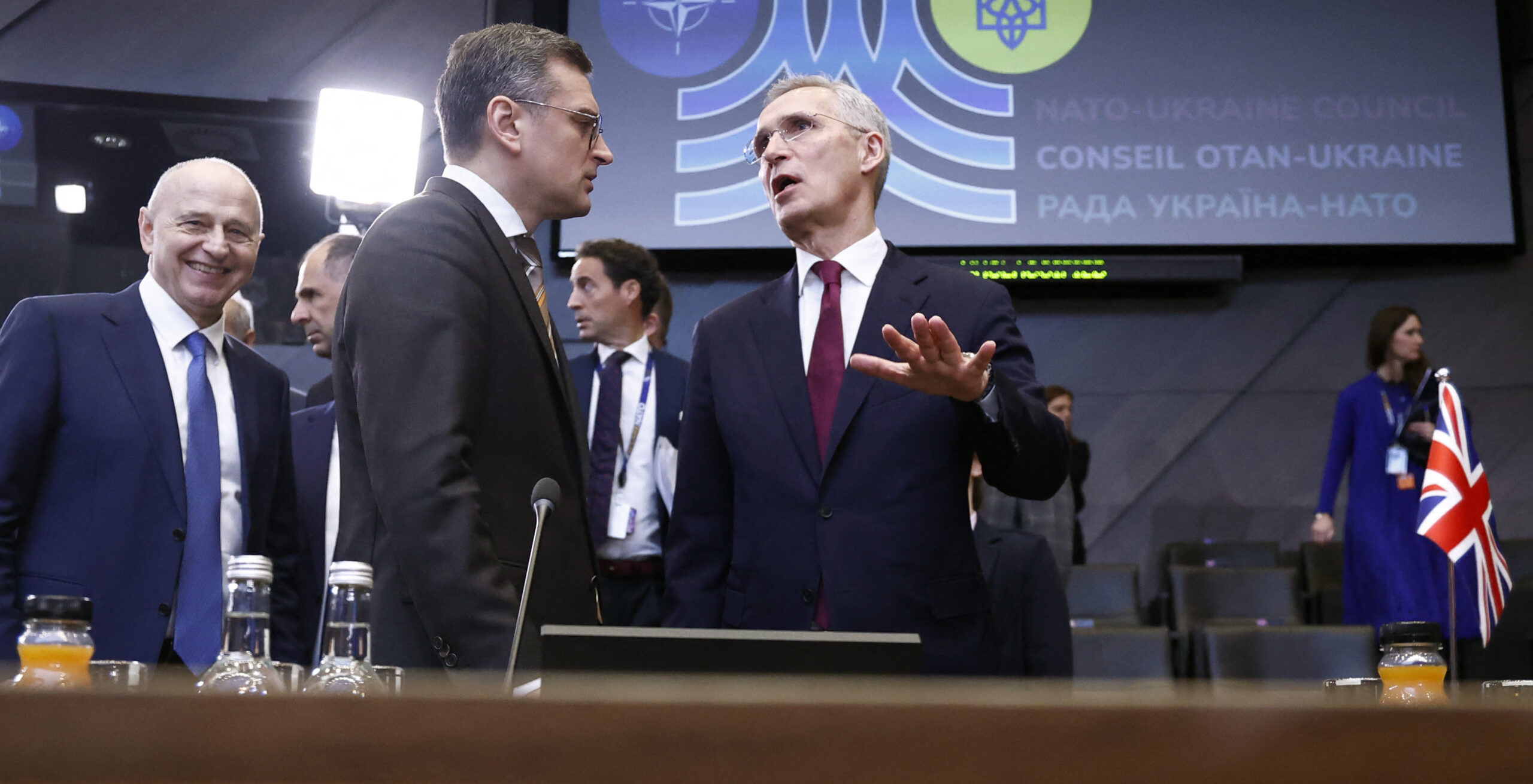
In its 2022 Strategic Concept, NATO declared the Black Sea Region (BSR) of strategic importance for the Alliance, yet this recognition has never translated into NATO developing a proper strategy toward its critical southeastern flank. That glaring gap must be addressed right away.
After weeks of inter-party disputes, the US Congress ended the first month of 2024 without agreeing to an additional $61bn military aid package for Ukraine.
The same can be said of the EU, where Hungary blocked a $55bn aid package.
There was no matching uncertainty in the Kremlin. Putin persists, his aim unchanged — the emasculation of an independent and sovereign Ukraine.
What will the rest of 2024 bring? Here are three scenarios.
Opinion: Wake up, West! Putin can gain upper hand in Ukraine in ‘24 if we do nothing
The European Union just approved membership talks with Kyiv; that’s symbolically important.
But the EU’s postponement of critical military assistance is an alarm bell.
NATO Secretary General Jens Stoltenberg says to prepare for bad news this winter.
German Chancellor Olaf Scholz suggests support for Ukraine may be crumbling across Europe.
And there’s faltering confidence in America, as Europeans are beginning to ask whether the strategic interests of the United States end at its border with Mexico.
Iran sees lucrative markets across the Black Sea region. It also sees an opportunity to expand strategic cooperation with Russia. And there’s just a chance that America will turn inward in 2025.
It’s all dangerous. To get the picture, start by connecting the dots.
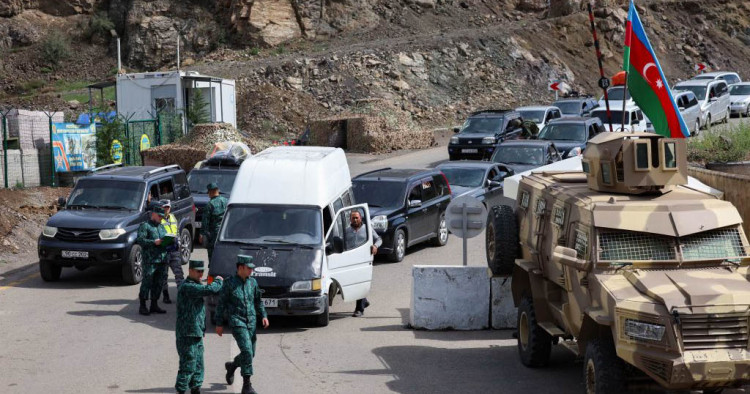
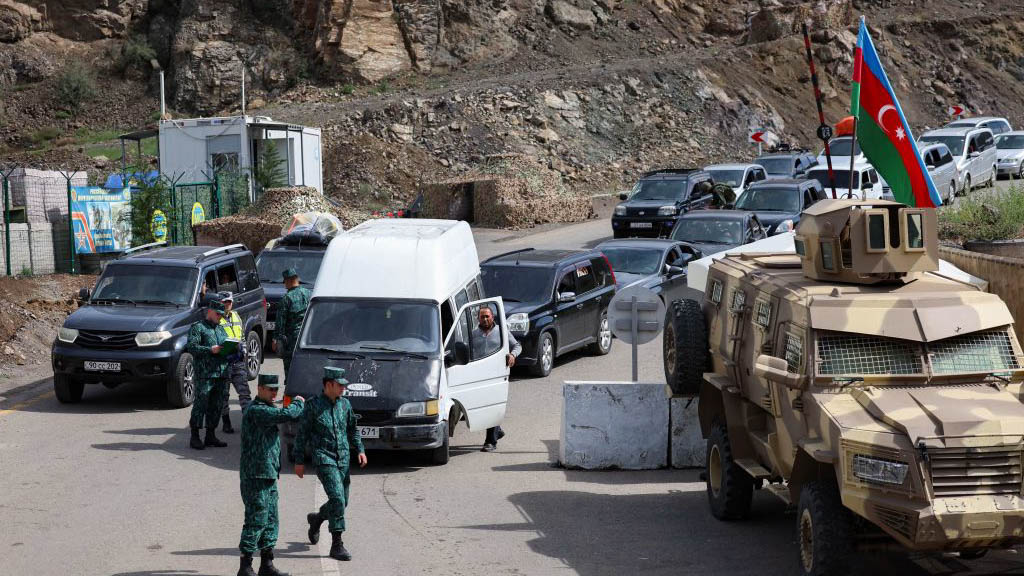
Nagorno Karabakh offers the US a chance to make new friends and weaken old enemies
The latest war over Nagorno Karabakh lasted a single day, ending on Sept. 20. It is the third war over the region disputed between Azerbaijan and Armenia in the last three and a half decades.
But this time, it seems there was really only one party to the conflict. Armenia stayed out, leaving it to the Armenians of Nagorno Karabakh to surrender.
A hundred thousand people have fled to Armenia, roughly 80 percent of the Karabakh population. What’s more, Armenia’s most powerful allies, Iran and Russia, appear to be distracted and marginally engaged.
Russia, Ukraine, and the Reshuffling of the European Security Order
In a 1994 article for Foreign Affairs, former US national security advisor Zbigniew Brzezinski famously argued that “without Ukraine, Russia ceases to be an empire.” His analysis is no less valid today.
At the time, Brzezinski was arguing against the United States pressuring Ukraine to give up its nuclear weapons. It seems reasonable to say that there would be no war in Ukraine today if the country had not done so under the terms of the flawed Budapest Memorandum.