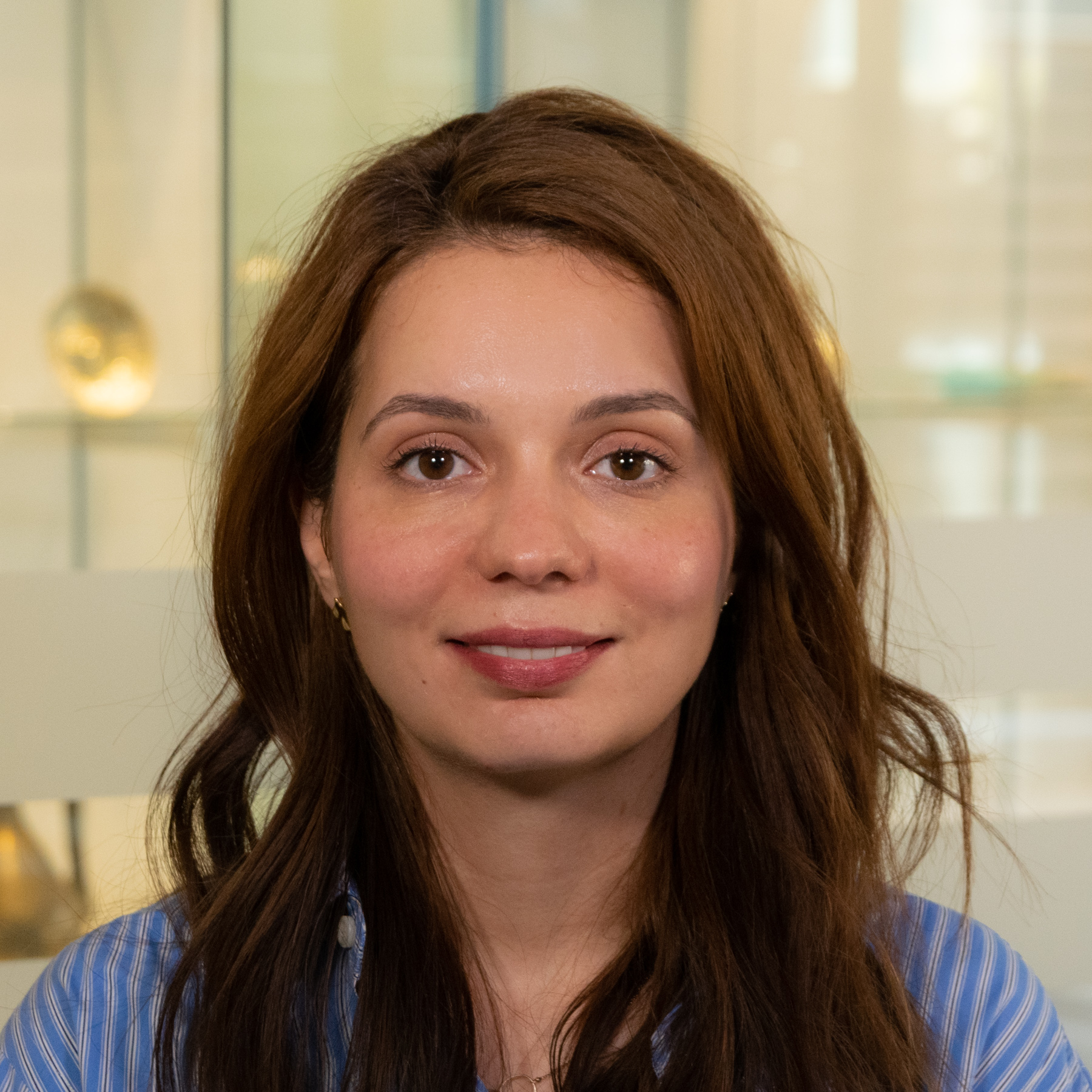
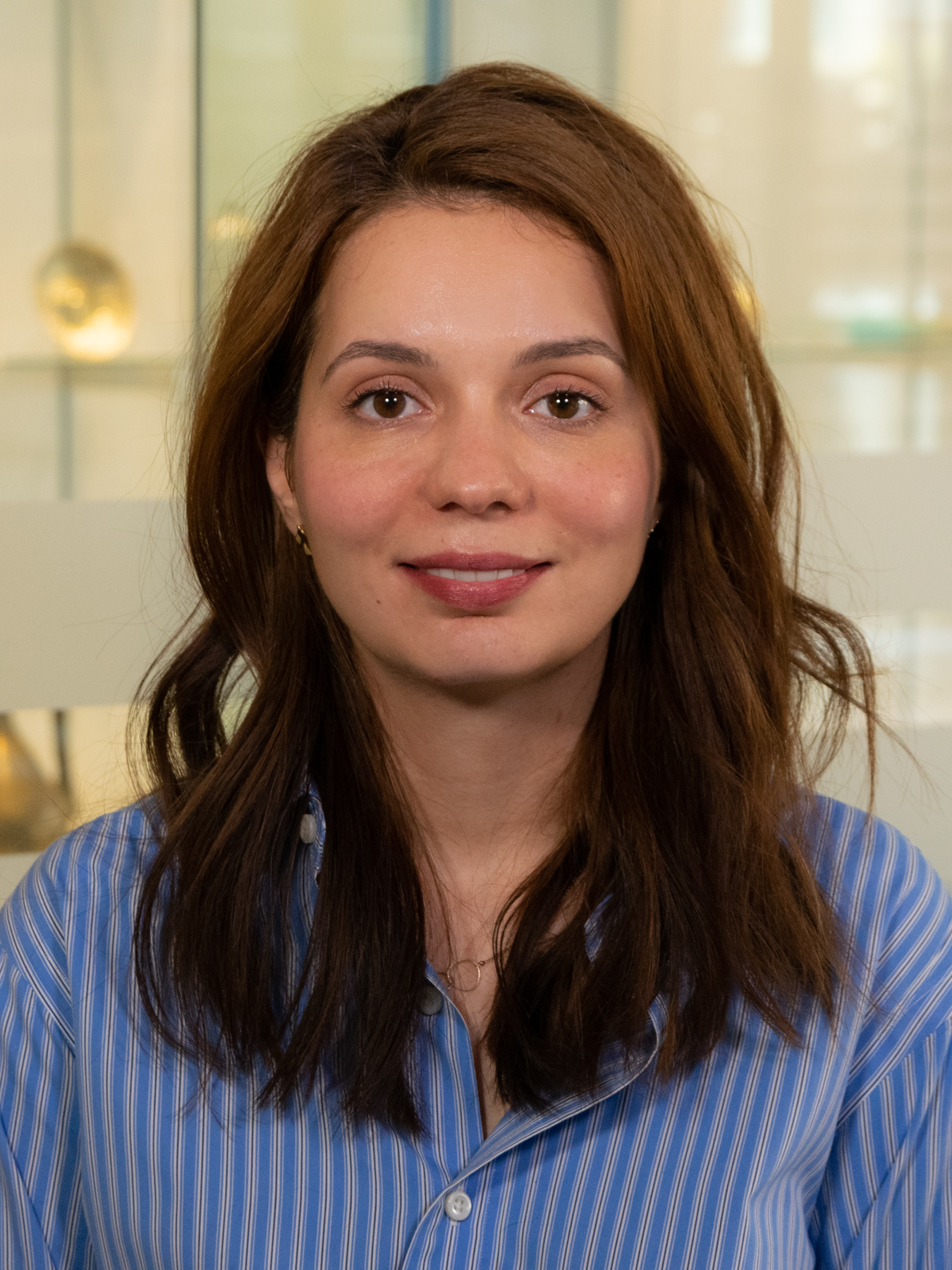
Iulia Joja is a senior fellow at the Middle East Institute (MEI), where she focuses on European and Black Sea security, with particular attention to defense, strategic cultures, and transatlantic relations. She is also an adjunct professor at Georgetown University and George Washington University, teaching European affairs and security.
Before joining MEI, Dr. Joja served as an adviser to the Romanian president and as a deputy project manager at NATO Allied Command Transformation in Virginia. She has also worked with the Romanian delegation to the United Nations, the European Parliament, and the Romanian Ministry of Foreign Affairs.
Dr. Joja has held prestigious academic positions, including as a visiting scholar at the Center of Military History and Social Sciences of the German Armed Forces in Potsdam/Berlin and as a German Academic Exchange Service (DAAD) post-doctoral fellow at the Foreign Policy Institute of the Johns Hopkins School of Advanced International Studies.
She holds a PhD in Strategic Studies from the National School of Political and Administrative Studies in Bucharest, an MA in International Conflict Studies from King’s College London, and a BA in Political Science and International Relations from Freie Universität in Berlin.
Disease, destruction, flooded fields, and hunger: The far-reaching consequence of the Kakhovka dam collapse in Ukraine
Last week’s collapse of the Nova Kakhovka dam on the Dnipro River in Ukraine is one of the largest environmental disaster the Black Sea region and Europe has faced in decades. Its far-reaching environmental, economic, and humanitarian consequences will affect not just Ukraine and the Black Sea region, but also the Middle East and Africa.
War as a catalyst for greater Black Sea-Gulf interconnectivity
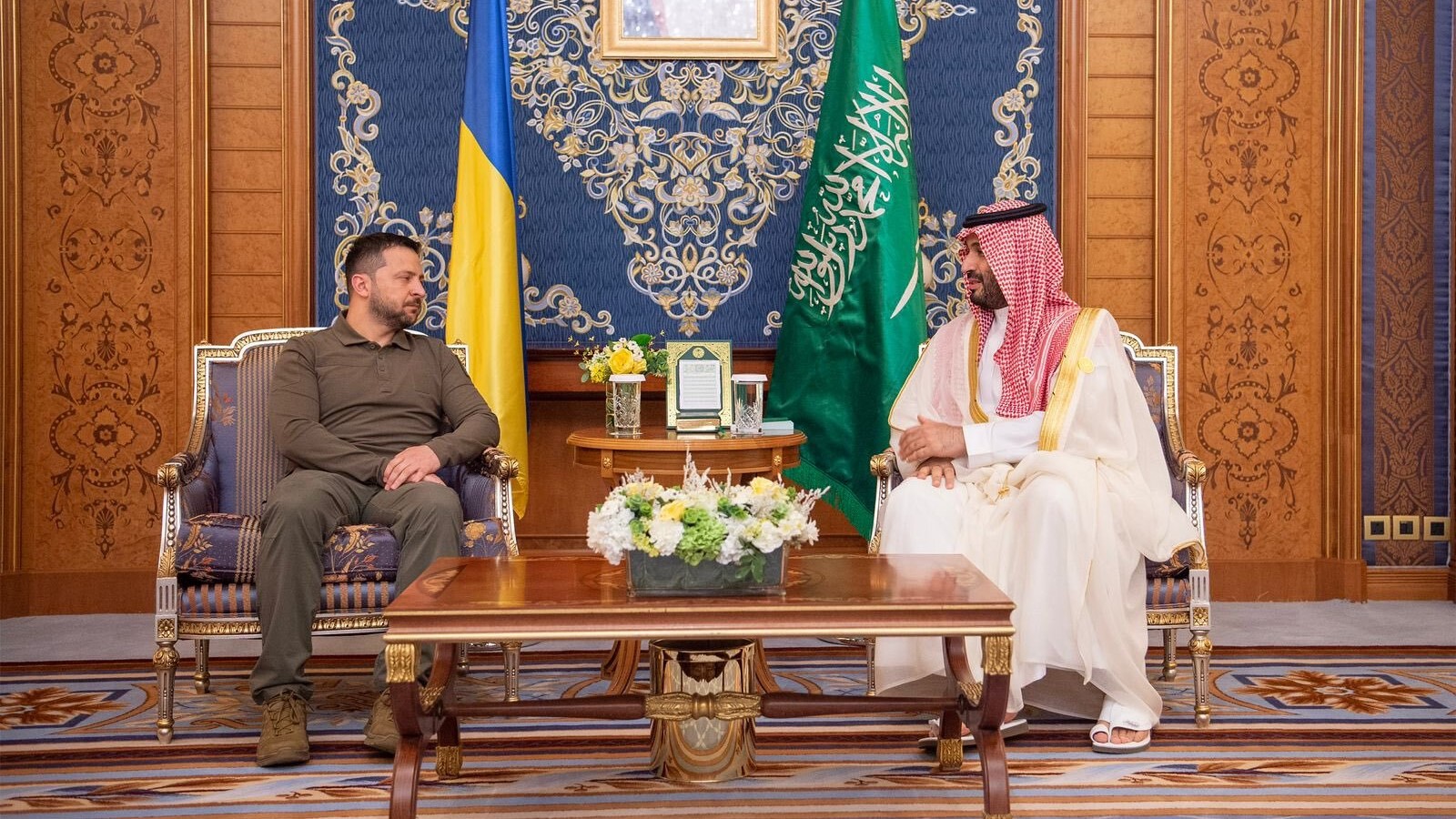
Russia’s full-scale invasion of Ukraine has destabilized and distressed the entire Black Sea neighborhood. Yet despite the war, or perhaps because of it, strategically important foreign direct investments into Black Sea littoral countries, including from the Gulf, have endured or even grown.
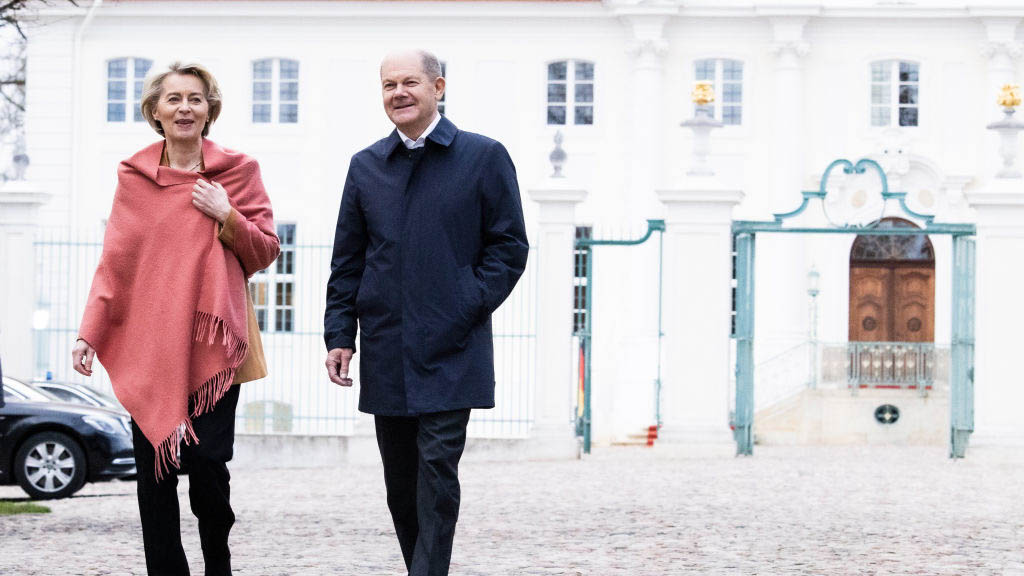
French President Emmanuel Macron is taking Ursula von der Leyen with him on his trip to China next week. Von der Leyen is president of the European Commission and, until now, one of the European Union’s (EU) staunchest supporters of Ukraine. The two are scheduled to arrive in Beijing on April 4. While Macron’s visit had been announced some time ago, von der Leyen’s recent decision to join gives the trip a pan-European stamp of approval. But for what?
Iulia Joja interviews Henry Sokolski, the executive director of the Nonproliferation Policy Education Center, about how tactical nuclear weapons might play into Vladimir Putin’s Ukraine strategy.
Opinion: Meet the tough women leaders taking on Vladimir Putin
It’s striking, the large number of brave women who are leading the protests against Iran’s violent and vicious theocratic regime. It’s likewise notable that young women lead the Ukrainian organization just awarded the Nobel Peace Prize. Arguably less noticed yet equally important: Across Europe, it’s women who are transcending political and geographic boundaries to call for an end to Russia’s brutal aggression.
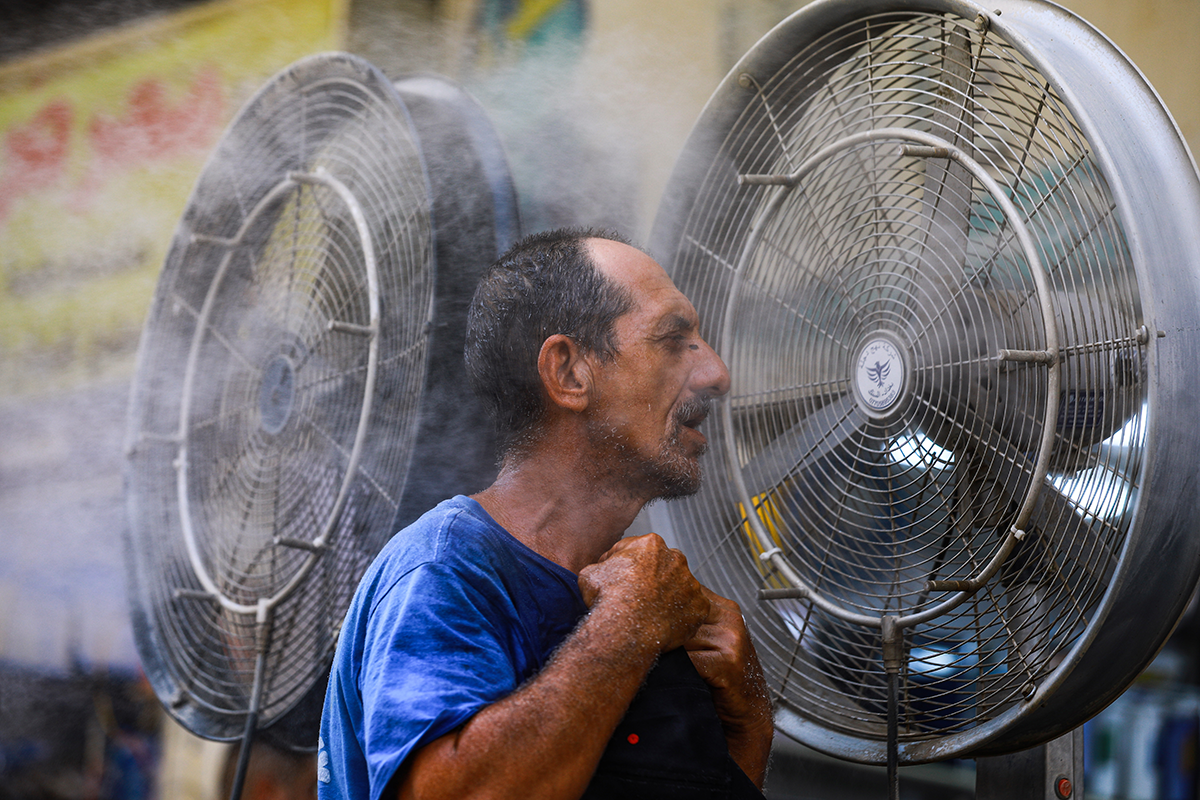
Expert Views: The implications of this summer’s scorching heatwaves
What began as a summer heatwave of significantly above-normal temperatures in Europe expanded to a series of successive heatwaves that has afflicted most of the northern hemisphere. Temperatures reached and remained at substantially elevated levels in the months of June and July, breaking historical records in many countries across Europe, Asia, North America, and the Middle East.