This individual is a guest contributor. MEI is not able to assist with contact requests.
Jean-Pierre Cassarino holds a professorship at the Robert Schuman Center for Advanced Studies (RSCAS/European University Institute, Florence) where he directs the Return migration and Development Platform (http://rsc.eui.eu/RDP/). He is also research associate at the Tunis-based Institut de Recherche sur le Maghreb Contemporain (IRMC). Since the mid-1990s, he has published extensively on international migration, particularly on return migration and has carried out numerous field surveys investigating returnees’ manifold patterns of reintegration. Selected publications include: (ed.) Unbalanced Reciprocities: Cooperation on Readmission in the Euro-Mediterranean Area, The Middle East Institute Press, Washington, 2010; (ed.) “Conditions of Modern Return Migrants”, International Journal on Multicultural Societies, Vol. 10, Issue 2, UNESCO, Paris, 2008; (ed.) Return Migrants to the Maghreb Countries: Reintegration and development challenges, RSCAS, European University Institute, Florence, 2008; Tunisian New Entrepreneurs and their Past Experiences of Migration in Europe: Networks, Resource Mobilisation, and Hidden Disaffection. Ashgate Publishers, Aldershot, 2000. Email: [email protected]
Biden’s presidency indicates new opportunities for Palestinian politics
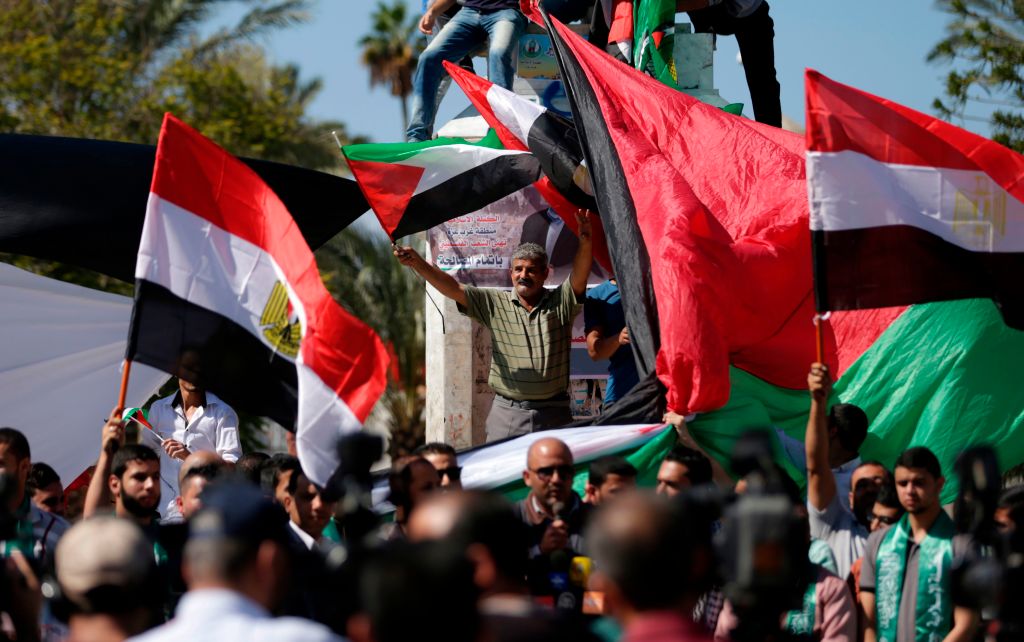
On Nov. 17 and 19, MEI’s Program on Palestine and Palestinian-Israeli Affairs convened a two-part series looking at the future of Palestinian politics and the Palestinian national movement. Below is a summary of Part 1, “Reviving Palestinian Political Life,” which focused on issues such as national reconciliation, elections, succession, the future of institutions like the Palestinian Authority (PA), and reform of the Palestine Liberation Organization (PLO).
Direct Libyan-to-Libyan talks are giving Libyan peace a new chance
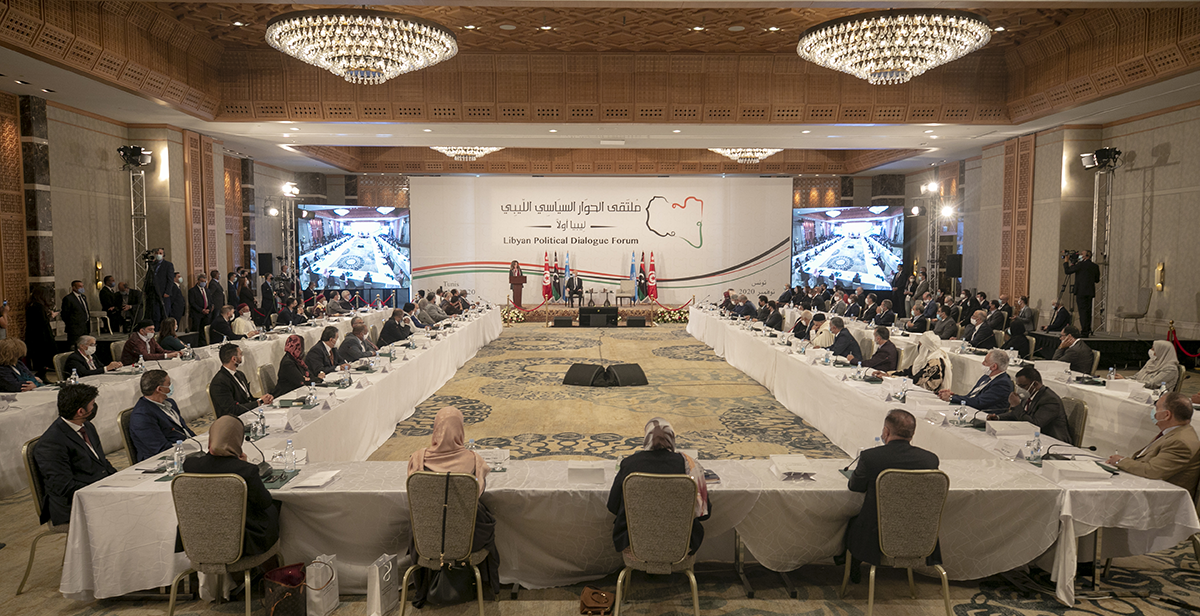
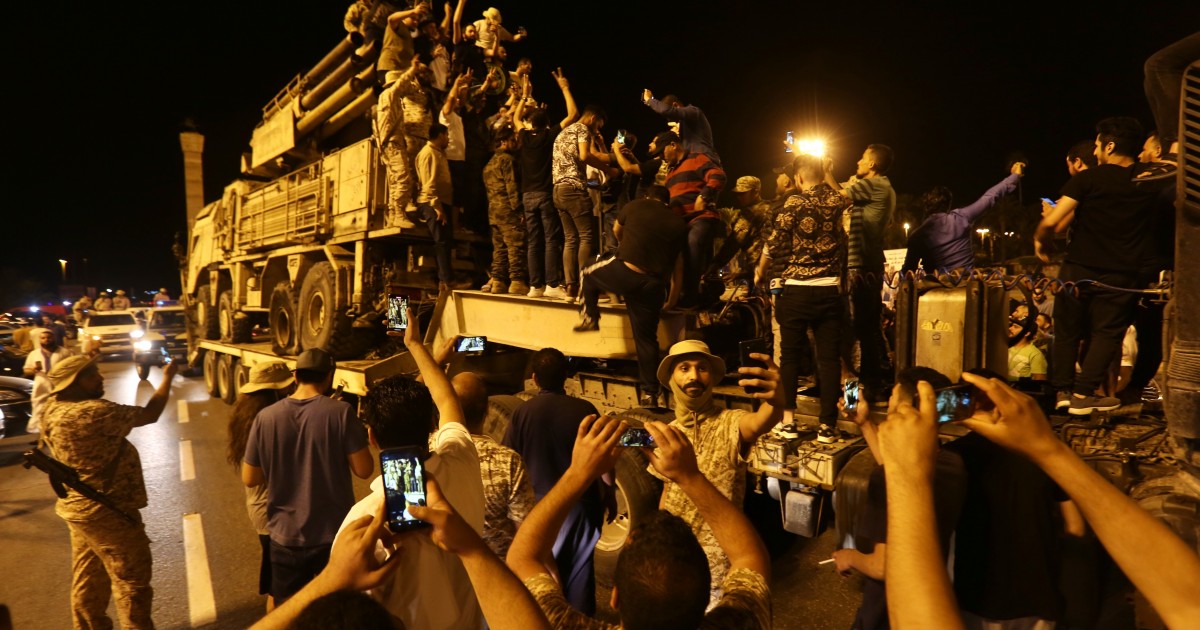
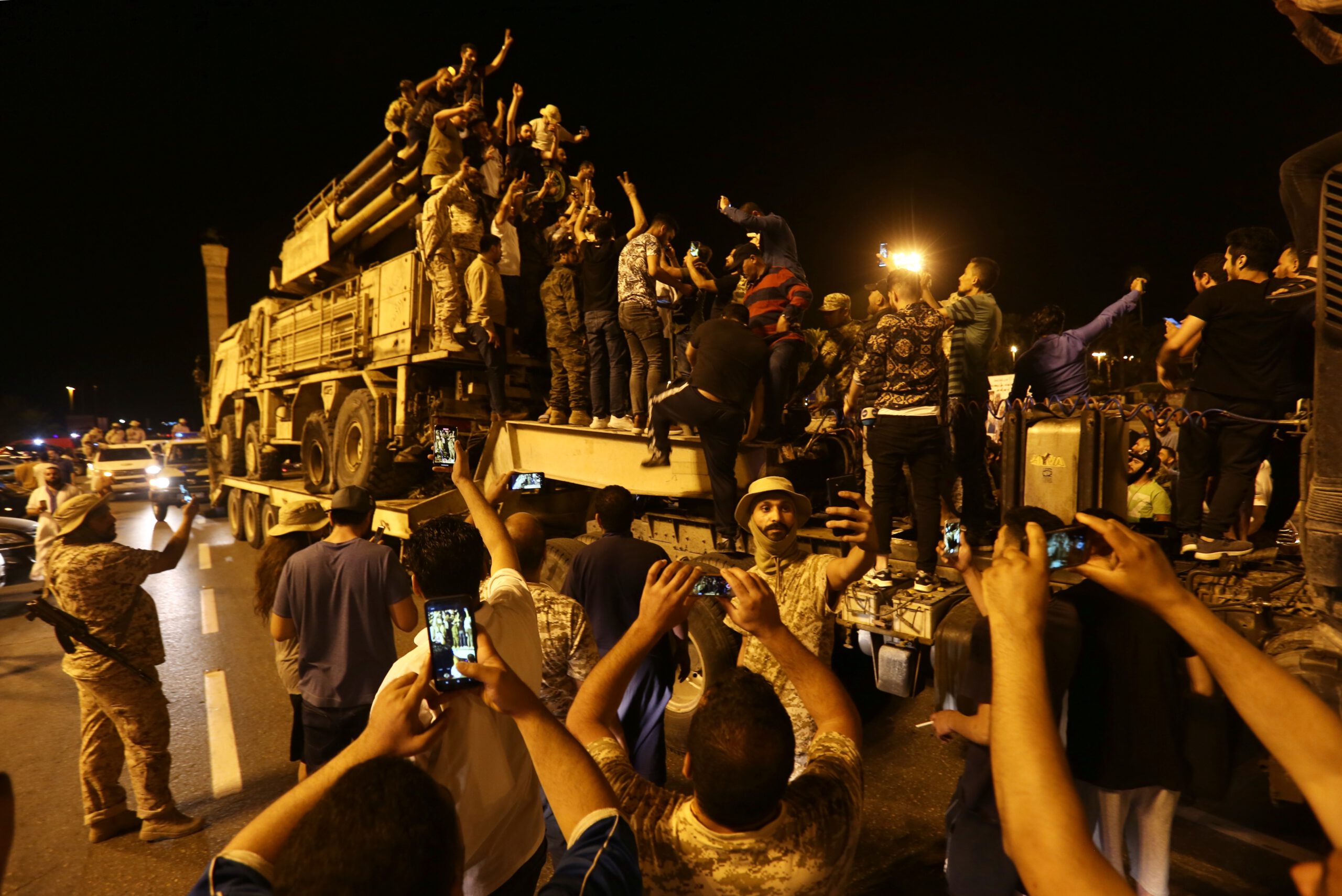
Hoping to avoid a foreign takeover of their country, a growing number of Libyans seem to have finally recognized that progress in Libya required Libyans to take charge of their own future. Accordingly, they are now taking active steps to see if they can forge a political deal to create a new, short-term transitional government to succeed the current GNA created by the Libyan Political Agreement of December 2015, following growing momentum that has already transformed Libya’s security situation with remarkable speed.
Monday Briefing: Pompeo’s Middle East farewell tour
This week’s briefing on recent news and upcoming events in the region featuring Gerald Feierstein, Mirette F. Mabrouk, Fatima Abo Alasrar, Marvin G. Weinbaum, and Yesar Al-Maleki.
A virtual G20 summit underscores this importance of this year's agenda
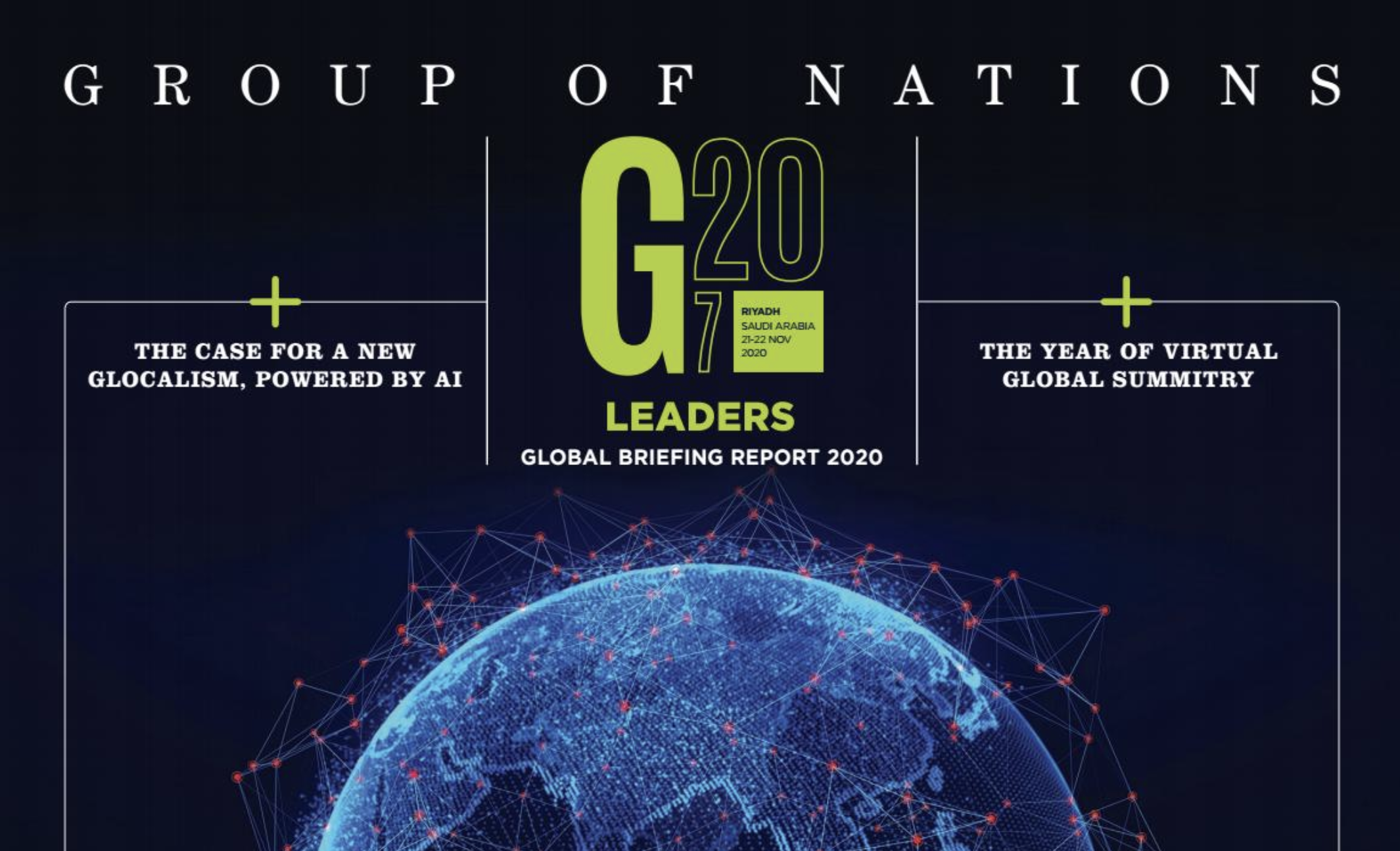
This year, the G20 summit will be held virtually. As a result, the world will be deprived of the customary images that surround these events… the group photos, the glittering halls wither flag-festooned conference tables, the luxurious surroundings where the world’s most powerful political leaders gather to bread bread and discuss the critical issues of the day over lavish banquets.
MEI’s Gonul Tol and Robert Pearson join host Alistair Taylor to discuss prospects for US-Turkey relations and regional policy under the Biden presidency.
The recent ceasefire agreement signed by Armenia, Azerbaijan, and Russia halted the armed phase of the Nagorno-Karabakh conflict following 45 days of fighting and thousands of military and civilian lives lost on both sides. Russian peacekeepers have already been deployed to the conflict zone to oversee implementation of the agreement. It now remains to be seen whether they will be joined by Turkish counterparts, either in the field or at a joint monitoring center in Azerbaijan. The latter is the first disagreement between Moscow and Ankara over peacekeeping in the region.
The geopolitics of Crimea are important, but we mustn't overlook the persecution of Crimean Tatars
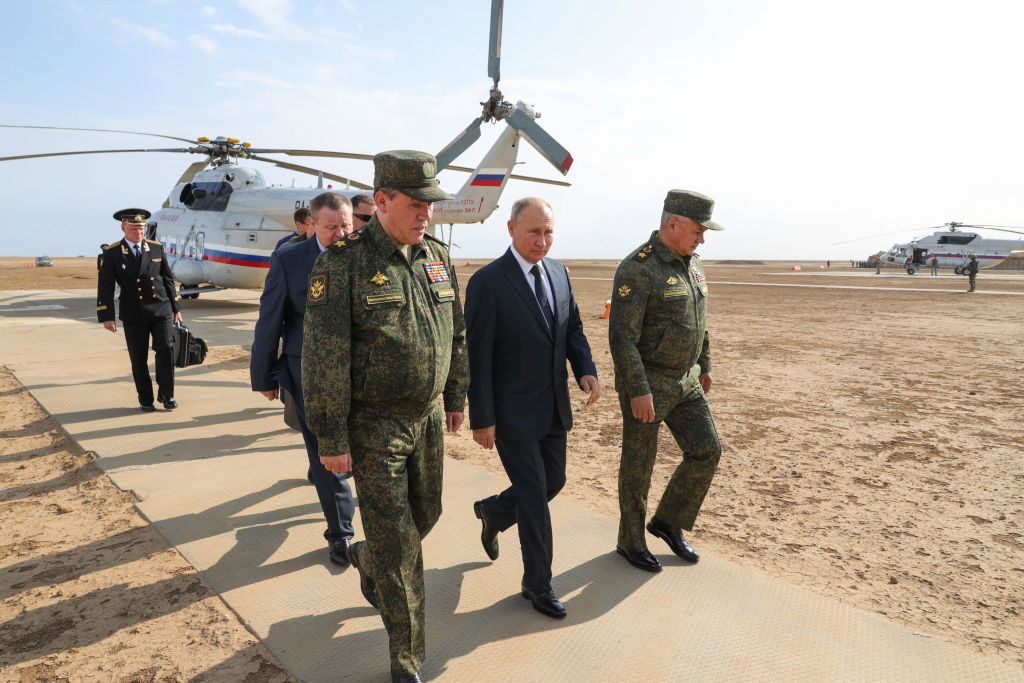
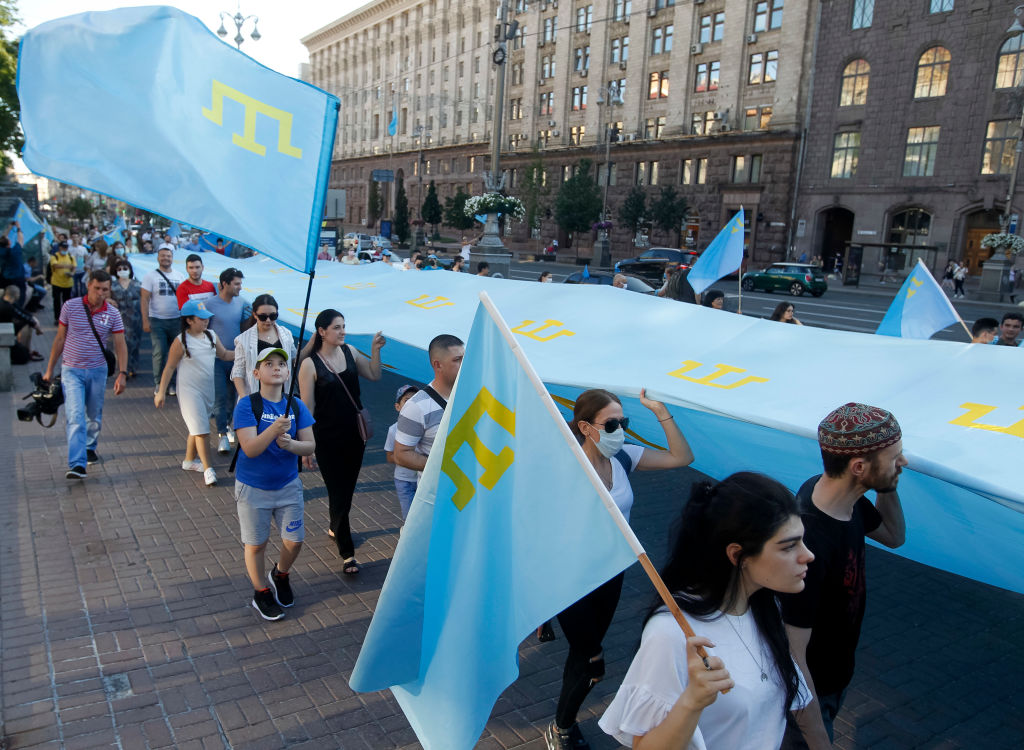
When commentators and policymakers discuss Russia’s illegal annexation of Crimea in 2014, the focus is often placed on geo-politics and Black Sea security. This is understandable. While the geo-politics of Crimea are important, one should not overlook the tragedy taking place to many of the people living there. This is especially true with the Crimean Tatar community – an ethnically Turkic and religiously Sunni Islam minority population which has faced decades of religious and political persecution under Russian domination.
Pompeo’s settlement visit caps a four-year effort to destroy the two-state solution
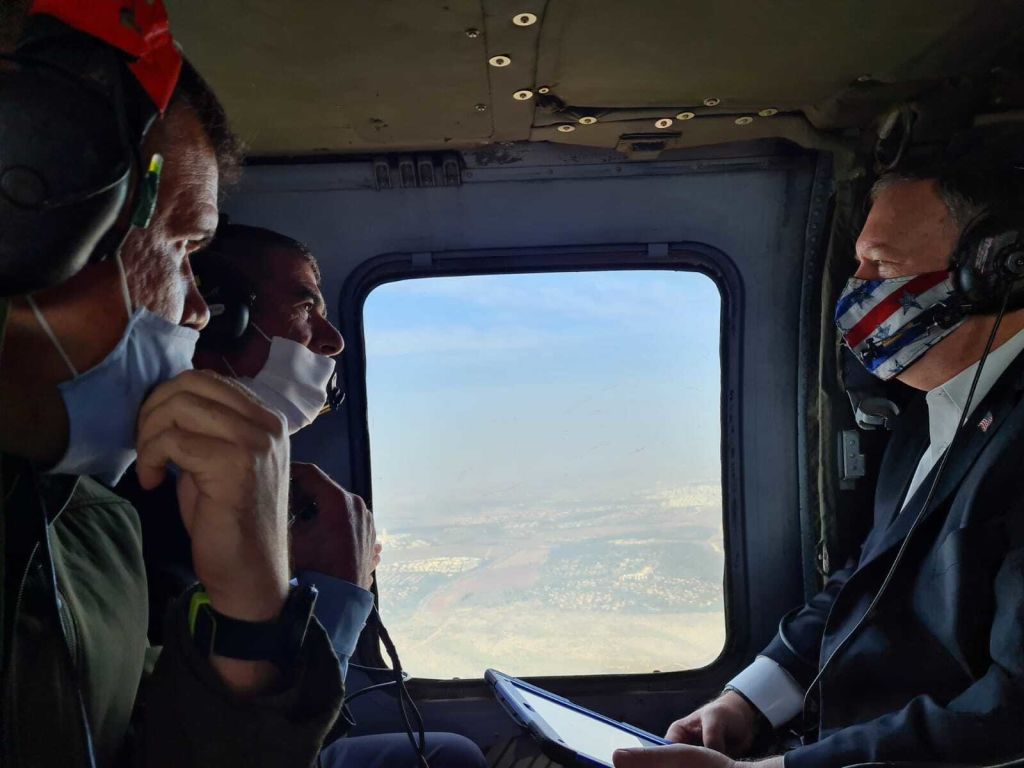
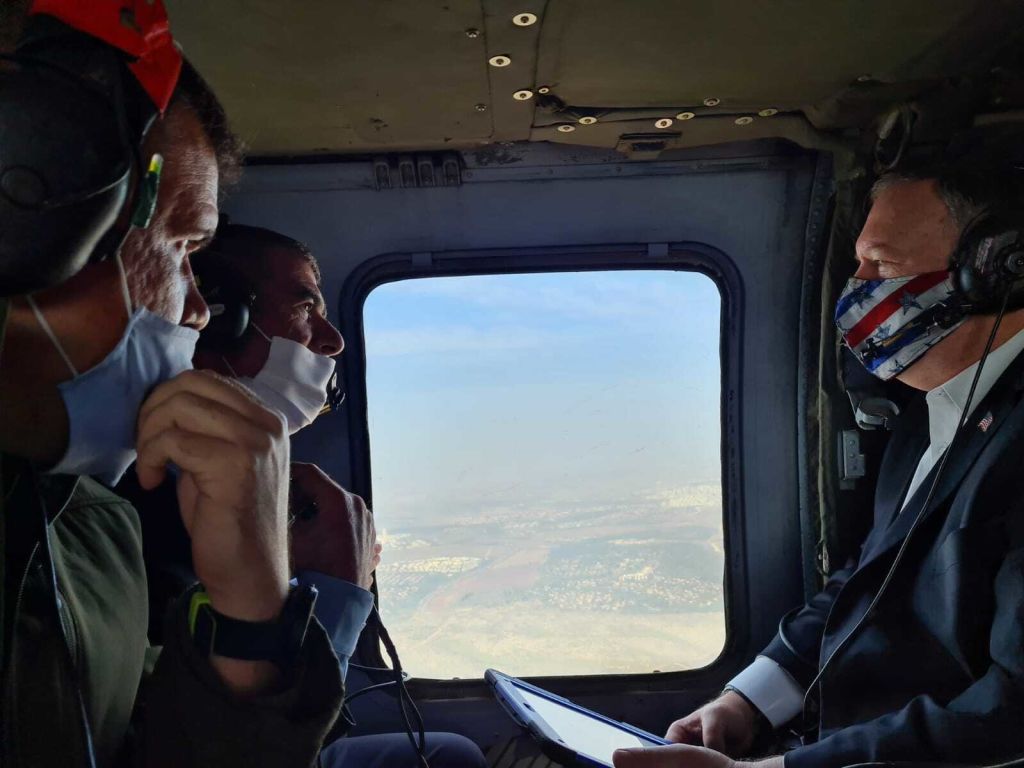
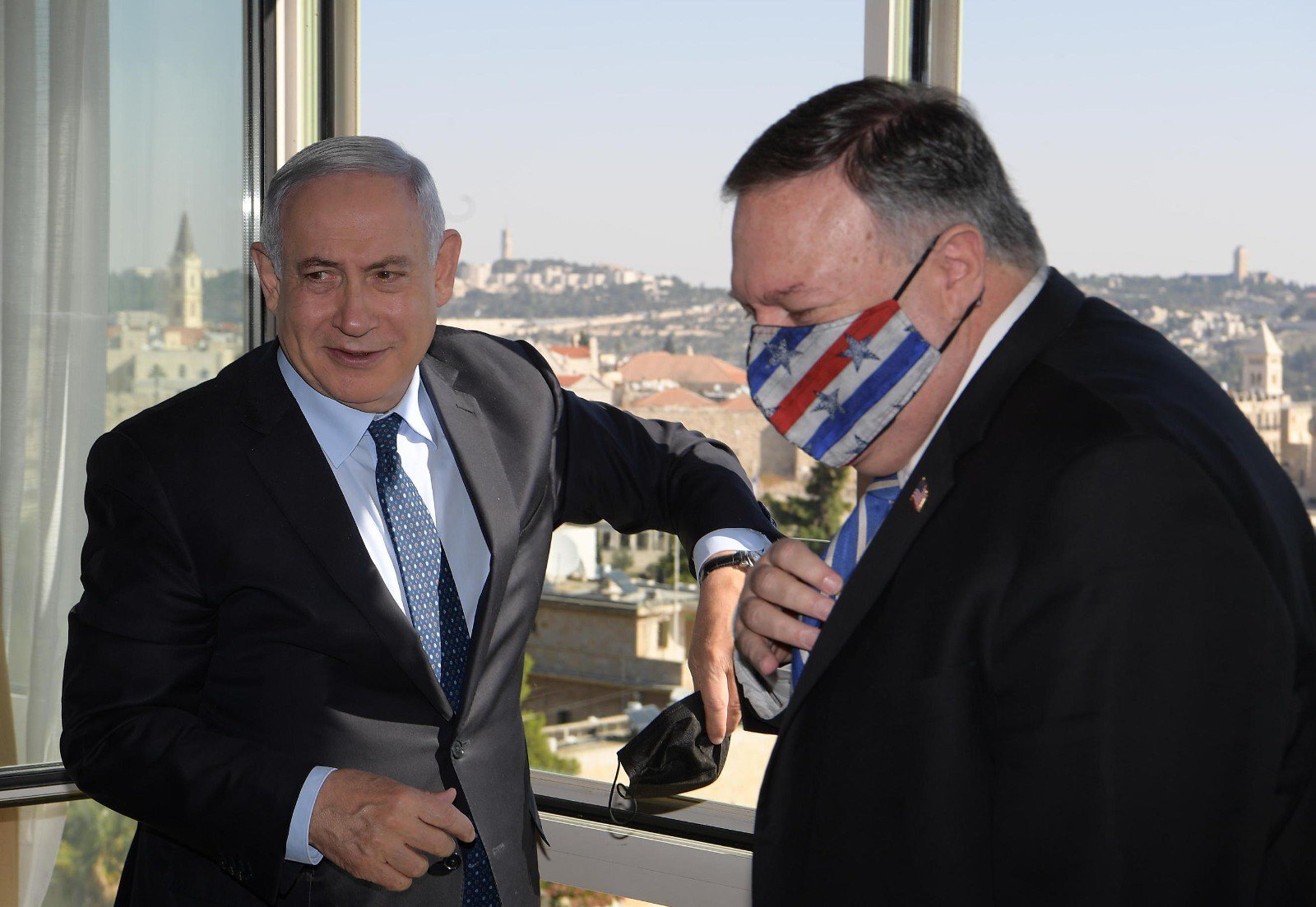
Secretary of State Mike Pompeo made history this week by visiting two Israeli settlements, the Psagot winery located on the outskirts of Ramallah in the heart of the Israeli-occupied West Bank, and the City of David located in the Palestinian neighborhood of Silwan just outside Jerusalem’s Old City, the first ever such visits by a sitting American secretary of state. The visits were clearly aimed at legitimizing and normalizing Israel’s settlement enterprise, which is considered illegal under international law, in keeping with the administration’s approach of the last three years.
The Consequences of Inaction: US and NATO Syria Policy
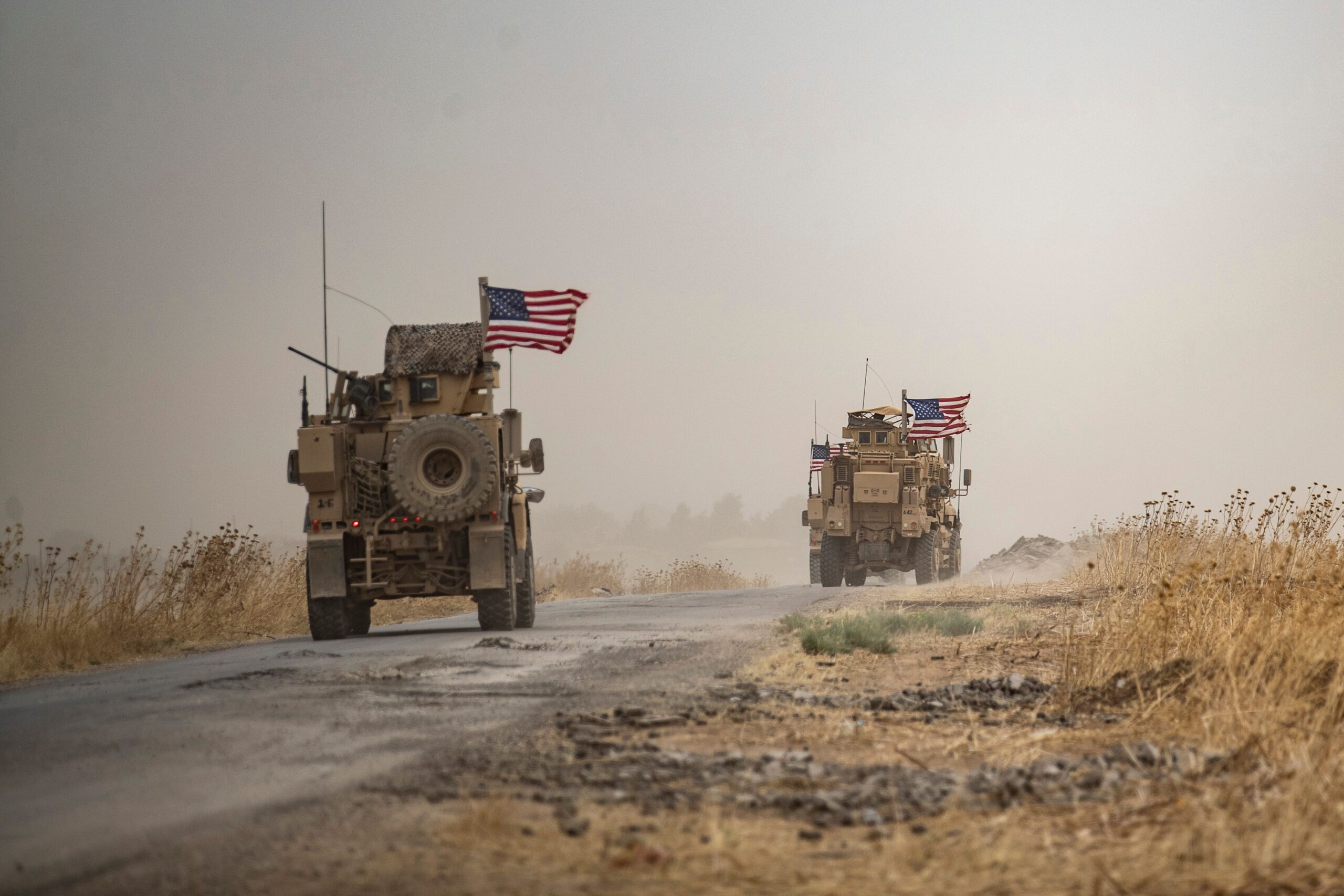
In recent years of the Syrian crisis, the reluctance of NATO states to take decisive action to secure their interests and protect Syrian lives has had drastic repercussions in both Syria and the wider region. Where NATO members have shown indecisiveness and a refusal to engage, their geopolitical rivals, Iran and Russia, have seized the moment and cemented their influence. However, as the regime is challenged by a crippling economic crisis, a new U.S. administration may offer an opening for the U.S. and its NATO allies to develop a collective approach in Syria that will secure their interests and bolster regional security.
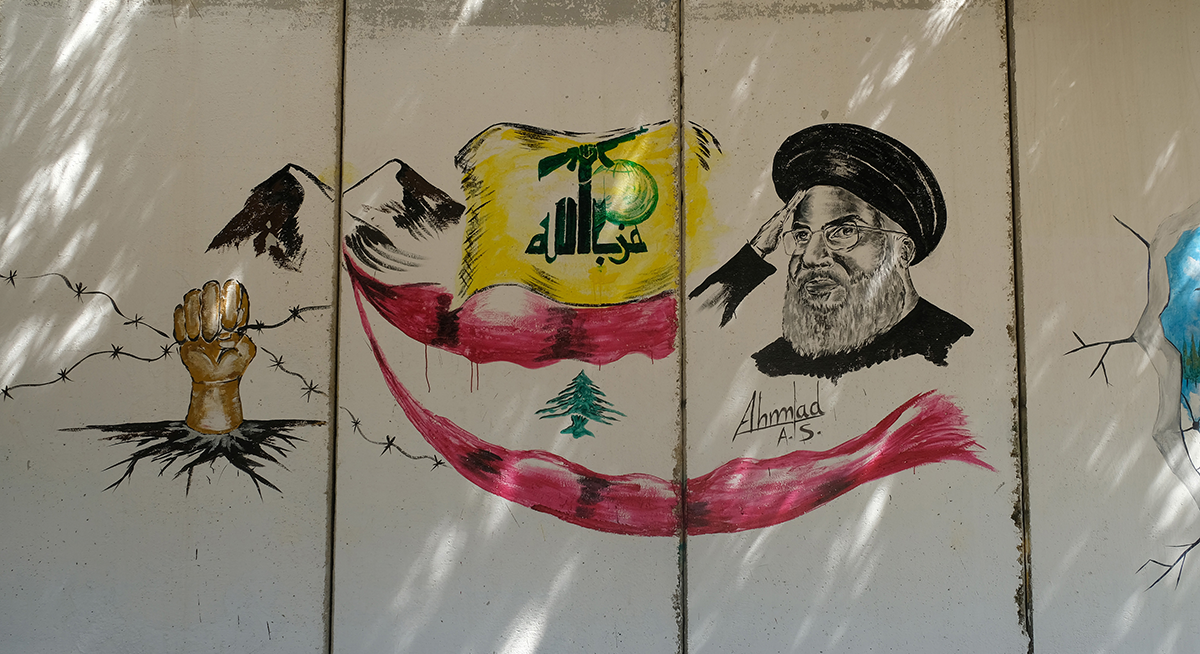
Despite fresh comments from Hezbollah’s leader Hassan Nasrallah that Joe Biden’s victory in the U.S. elections would not dramatically alter America’s pro-Israeli foreign policy in the Middle East, Hezbollah appears largely optimistic of its future under the new administration. The Party of God seems wary of the next few months, however, until President Donald Trump leaves the White House in January. While Hezbollah will certainly benefit from a reboot in diplomatic relations between the U.S and Iran, which could translate into much-needed liquidity for the organization and a strengthening of its internal position, it still faces numerous domestic challenges that money alone cannot solve.