Jean-Pierre Cassarino holds a professorship at the Robert Schuman Center for Advanced Studies (RSCAS/European University Institute, Florence) where he directs the Return migration and Development Platform (http://rsc.eui.eu/RDP/). He is also research associate at the Tunis-based Institut de Recherche sur le Maghreb Contemporain (IRMC). Since the mid-1990s, he has published extensively on international migration, particularly on return migration and has carried out numerous field surveys investigating returnees’ manifold patterns of reintegration. Selected publications include: (ed.) Unbalanced Reciprocities: Cooperation on Readmission in the Euro-Mediterranean Area, The Middle East Institute Press, Washington, 2010; (ed.) “Conditions of Modern Return Migrants”, International Journal on Multicultural Societies, Vol. 10, Issue 2, UNESCO, Paris, 2008; (ed.) Return Migrants to the Maghreb Countries: Reintegration and development challenges, RSCAS, European University Institute, Florence, 2008; Tunisian New Entrepreneurs and their Past Experiences of Migration in Europe: Networks, Resource Mobilisation, and Hidden Disaffection. Ashgate Publishers, Aldershot, 2000. Email: [email protected]
The Latest from Jean-Pierre Cassarino
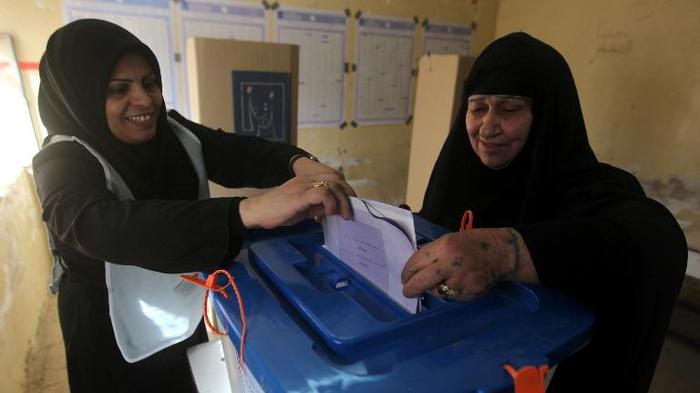

Turkey’s KRG Energy Partnership
This piece was first published by ForeignPolicy.com on January 29, 2013.
Legal and Political Reforms in Saudi Arabia
The Middle East Institute is proud to host Dr. Joseph A.
Legal and Political Reforms in Saudi Arabia
The Middle East Institute is proud to host Dr. Joseph A.
Legal and Political Reforms in Saudi Arabia
The Middle East Institute is proud to host Dr. Joseph A.
Legal and Political Reforms in Saudi Arabia
The Middle East Institute is proud to host Dr. Joseph A.
Legal and Political Reforms in Saudi Arabia
The Middle East Institute is proud to host Dr. Joseph A.
Middle East and North Africa: Another Year of Upheaval
Reconciliation Efforts in Iraq—Reversals and Paradoxes
For the benefits of reconstruction to take hold in today’s Iraq, it is essential to avoid oversimplified arguments that merely “fixing” ethno-sectarian tensions will be sufficient to attain the goal of political stability. A broader approach, which recognizes the country’s current ethno-sectarian polarization as both a symptom and a cause of instability would be a far more appropriate means of addressing the deep-rooted problems faced by Iraqis since 2003.
The "Arab Spring" and EU's Immigration Policy: A Critical Sociology on the Global Approach to Migration and Mobility
1. Introduction
The Arab Spring and West Asia: Challenges for India
Lecture delivered on January 8, 2013 at Madras University, India by Ambassador (ret.) Ranjit Gupta.
Concluding Remarks on MEI's Western Sahara Series
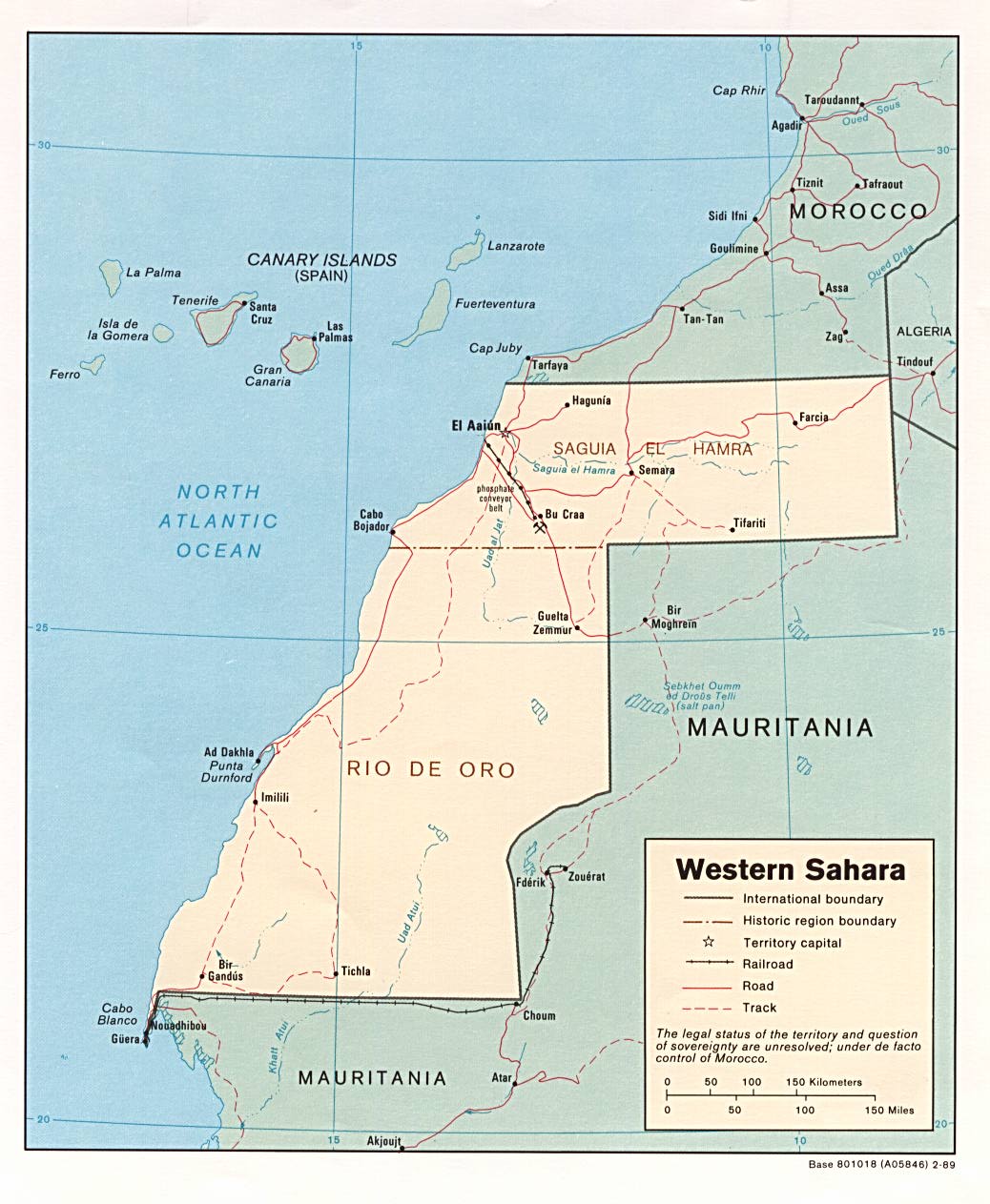
“Compromise” is the word repeated 25 times in this three-voice dialogue with opposing views on what could be the best solution to the Western Sahara dispute. The settlement options that emerged from the three contributors to this series have accepted either autonomy for the Western Sahara territory (subject to a referendum) or a referendum on self-determination that would include independence as well as other possibilities, including autonomy.
Tangle in the Caucasus
This piece was originally published by ForeignAffairs.com on January 15, 2013
Assertions and opinions in this publication are solely those of the above-mentioned author(s) and do not necessarily reflect the views of the Middle East Institute, which expressly does not take positions on Middle East policy.