This individual is a guest contributor. MEI is not able to assist with contact requests.
Dr. Khalid al-Jaber is the Director of MENA Center in Washington D.C. Previously, he served at al-Sharq Studies & Research Center and as Editor-in-Chief of The Peninsula, Qatar’s leading English language daily newspaper.
Al-Jaber is a scholar of Arab and Gulf Studies, and his research focuses on political science, public diplomacy, international communications, and international Relations. He has published scholarly works in several academic books and professional journals, including the World Press Encyclopedia, Sage, and Gazette. Dr. Al-Jaber obtained his PhD from the UK and MA from the USA. He also holds a postgraduate diplomas from Fordham University, Stanford University, and Georgetown University
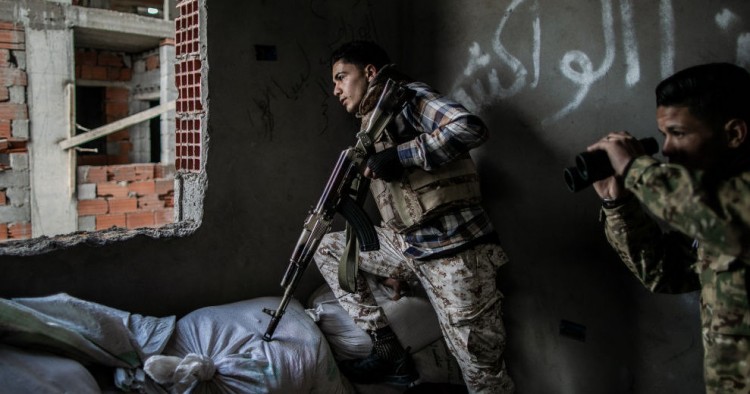
Washington’s response to counterrevolutionary agendas in Libya
Throughout Donald Trump’s presidency, the U.S. has largely retreated from a leadership role in the MENA region, resulting in Washington mostly outsourcing its Libya foreign policy to Egypt, Russia, and Washington’s partners in NATO and the GCC. Yet the U.S. diplomatic establishment is growing frustrated with the beleaguered North African country’s ongoing turmoil, as Washington increasingly sees Egypt and the UAE as undermining American interests in Libya.
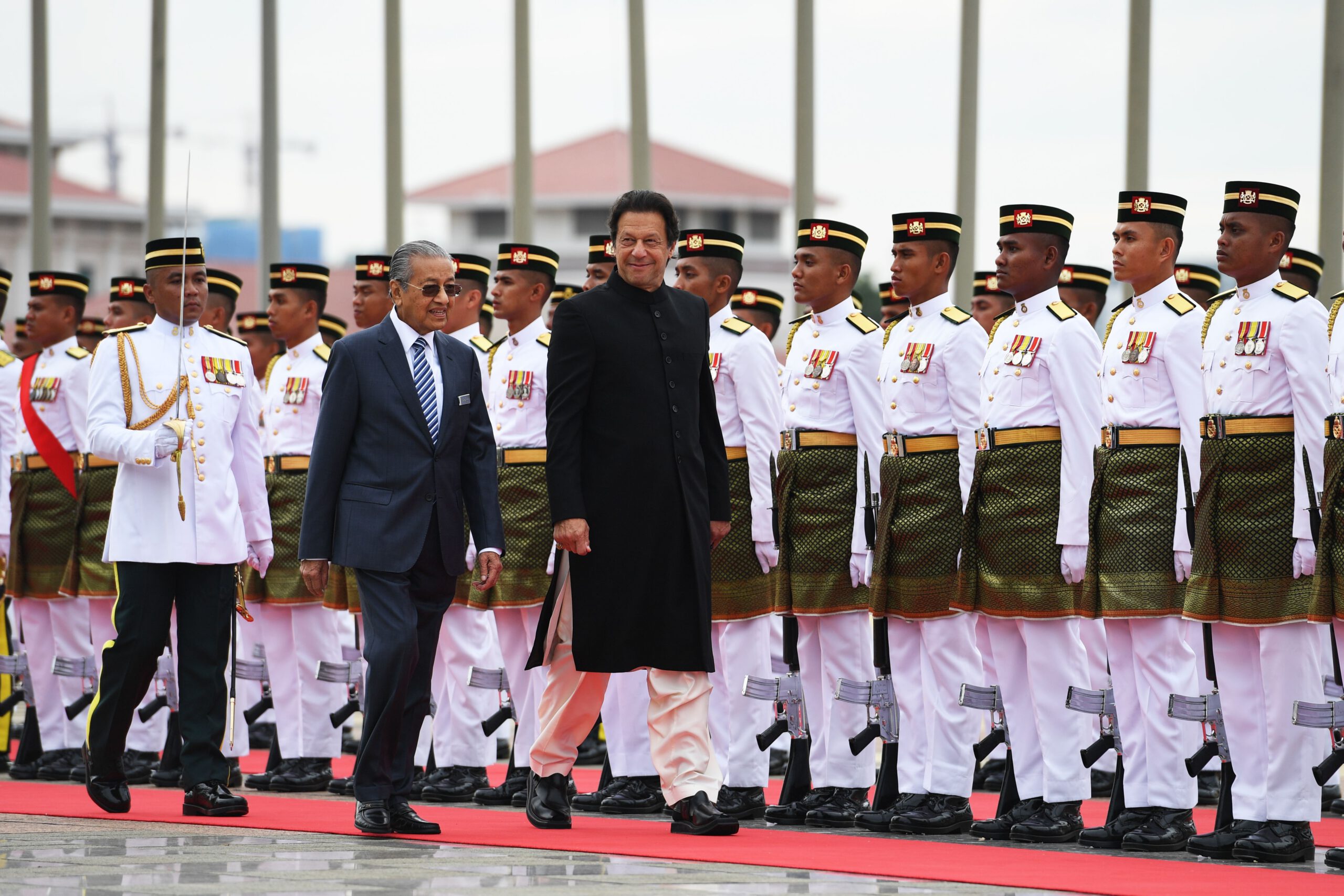
Kuala Lumpur summit: A challenge to Saudi leadership?
On Nov. 23, Malaysia’s prime minister, Mahathir Mohamad, announced that his country will stage an Islamic summit in Kuala Lumpur from Dec. 19-21. The event, on the theme of “The Role of Development in Achieving National Security,” will feature representatives from the host country as well as Indonesia, Pakistan, Qatar, and Turkey. Around 450 leaders, scholars, clerics, and thinkers from 52 countries will attend, along with Turkish President Recep Tayyip Erdoğan, Qatari Emir Sheikh Tamim bin Hamad al-Thani, Indonesian President Joko Widodo, and Pakistani Prime Minister Imran Khan.
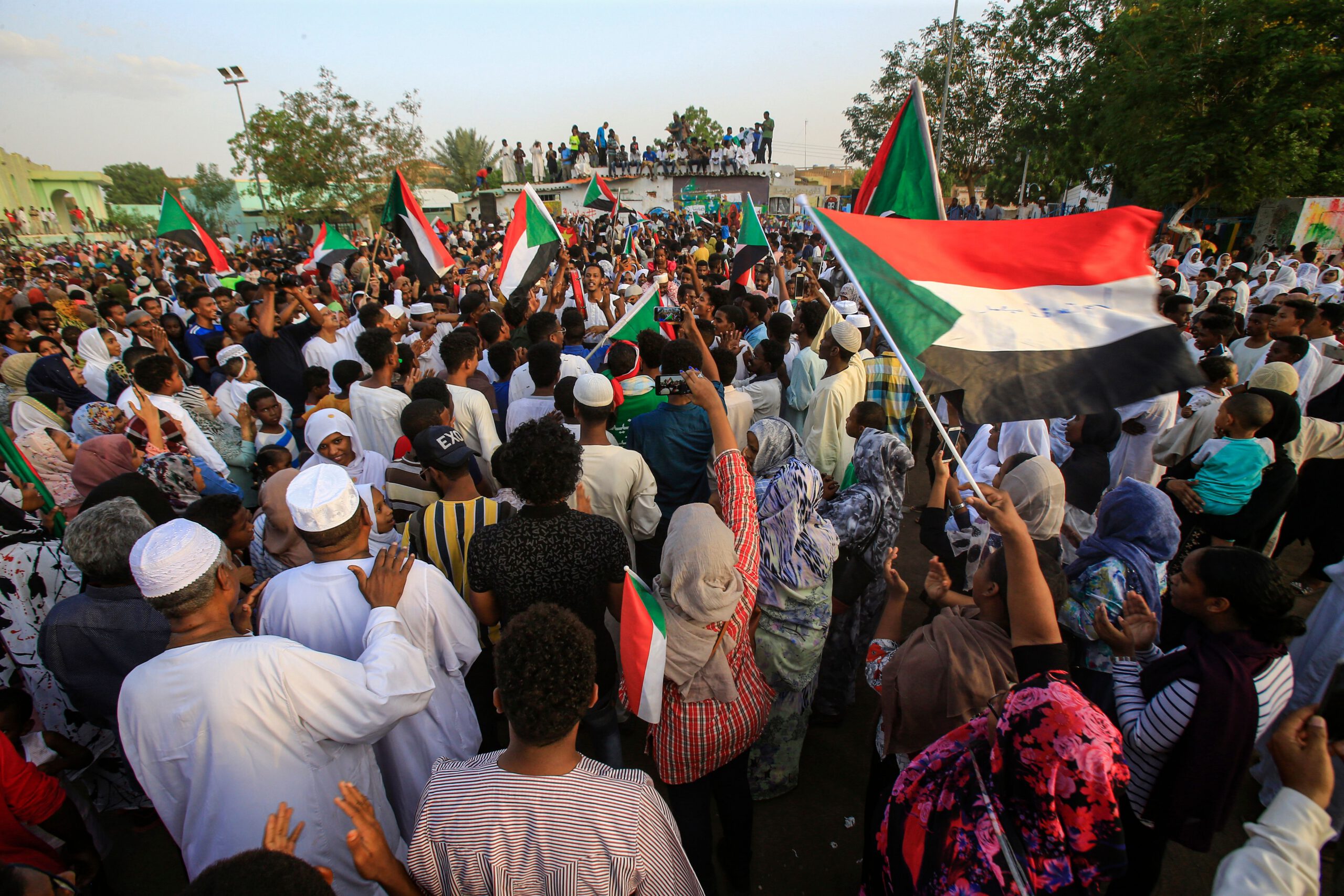
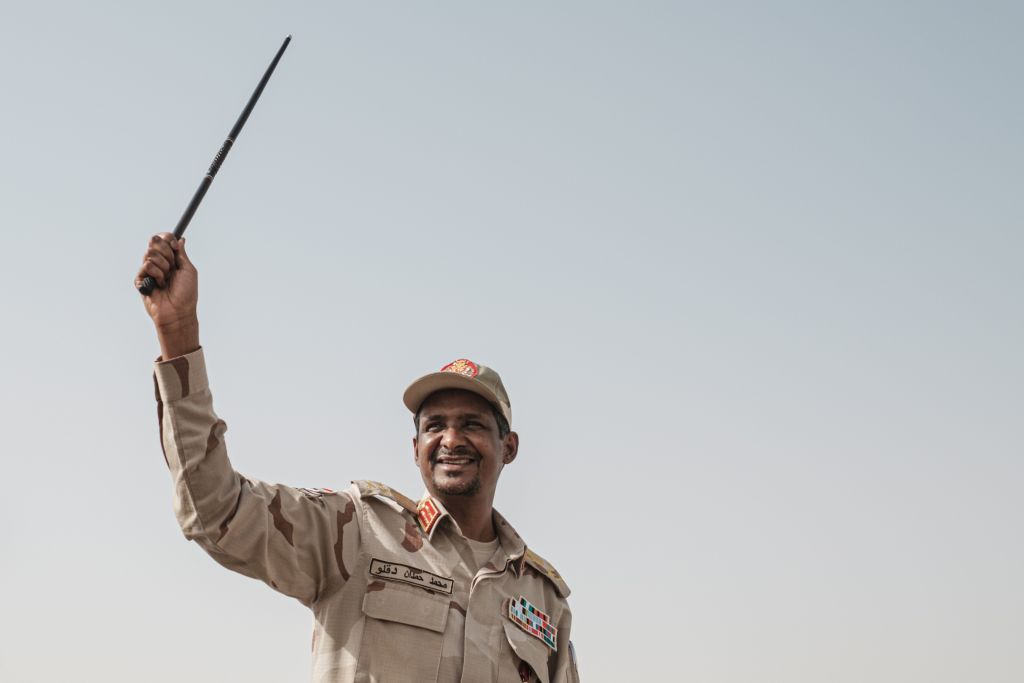
The celebratory scenes in Khartoum last month were a marked contrast from the bloodshed in Sudan’s capital earlier this year. After eight months of unrest following the ouster of former Sudanese President Omar al-Bashir in April, Sudan’s military council and the Alliance for Freedom and Change — represented by Ahmed al-Rabie — signed a power-sharing agreement on Aug. 17. This deal offers hope that Sudan can complete a peaceful transition to civilian rule.
One hallmark of Sudan’s most recent protests has been the protestors’ fierce determination that the military not be their partner in the struggle for democratization. Some GCC states, however, are getting involved in Sudan, using their financial means to influence the country’s future. In doing so, they risk making it the Arab world’s next theater for intra-GCC rivalry.