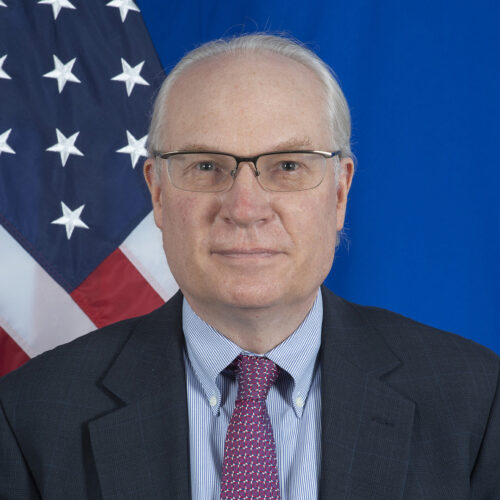
This individual is a guest contributor. MEI is not able to assist with contact requests.
Mahdi Ghodsi is an economist at the Vienna Institute for International Economic Studies (wiiw). His research focuses on international trade, international trade policy, non-tariff measures, industrial policy, foreign direct investment, global value chains, political economy of sanctions, and the Iranian economy. He holds a Ph.D. in economics from Università Cattolica del Sacro Cuore – Sede di Milano and a second Ph.D. in international economics from the Faculty of Economic Sciences, University of Warsaw.
Bad policy advice could lead to a catastrophe for Iran’s public economy
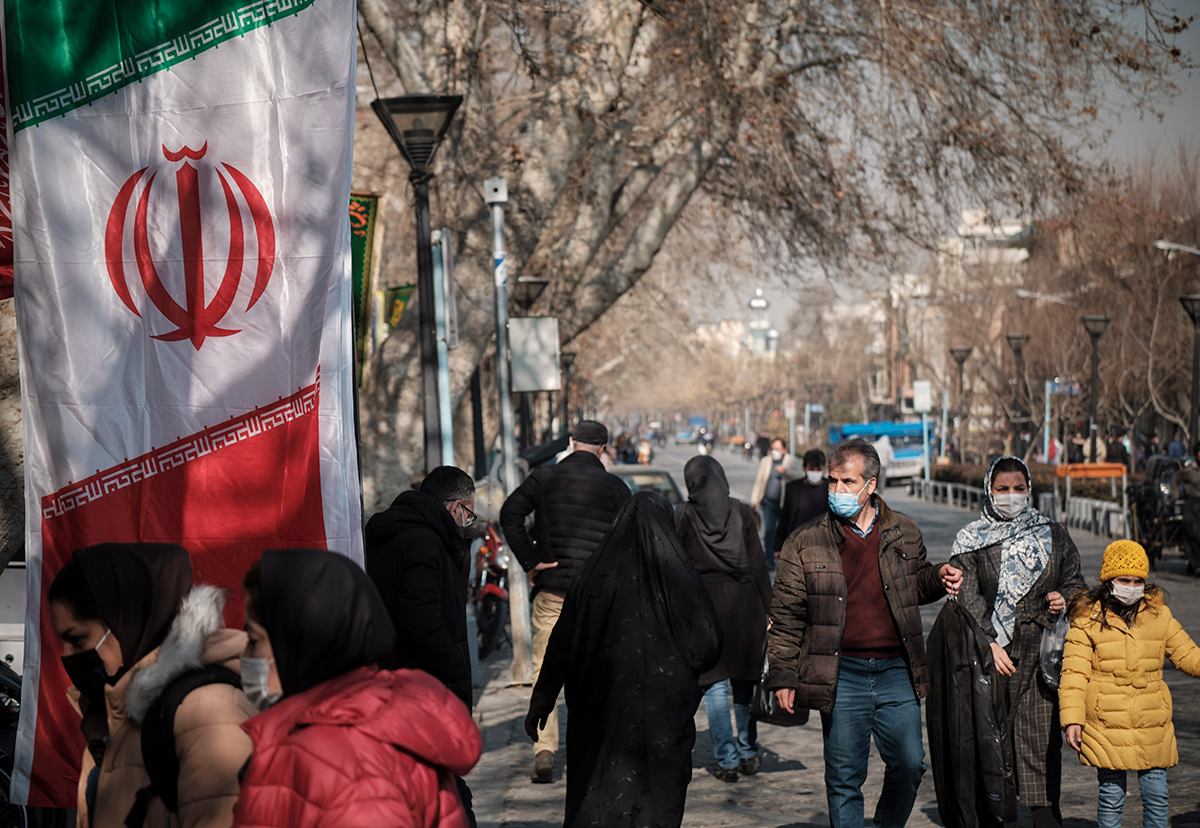
Iran began the new fiscal year on March 21, 2022 having recorded an estimated GDP growth rate of about 4% over the previous year, but CPI has grown by 35% year-on-year. While GDP growth could be the result of the stabilization of the economy after several years of recession, a steady rate of high inflation is alarming for Iran’s economy.
Raisi's shrinking budget cements the Islamic Republic's "trinity"
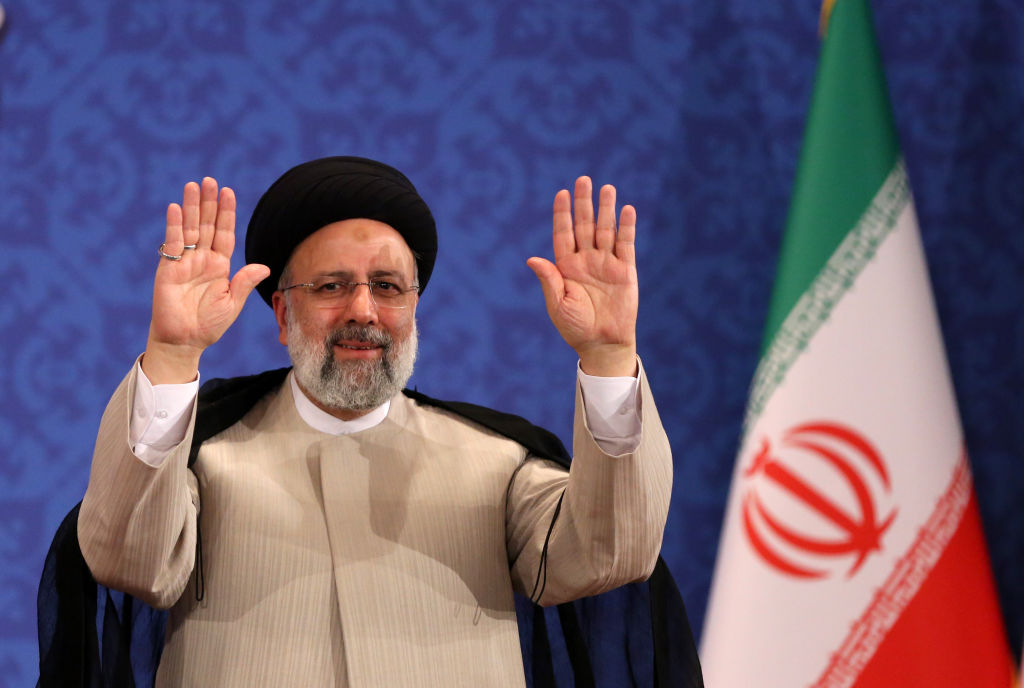
Iran’s new president, Ebrahim Raisi, has presented his first draft budget bill for the upcoming Iranian year (1401), which starts on March 21, 2022. Rather than facilitating a much-needed economic recovery, the proposed budget is designed to strengthen the regime’s power base and impose austerity while keeping society under control.
Iran’s President Raisi takes over a ruined country
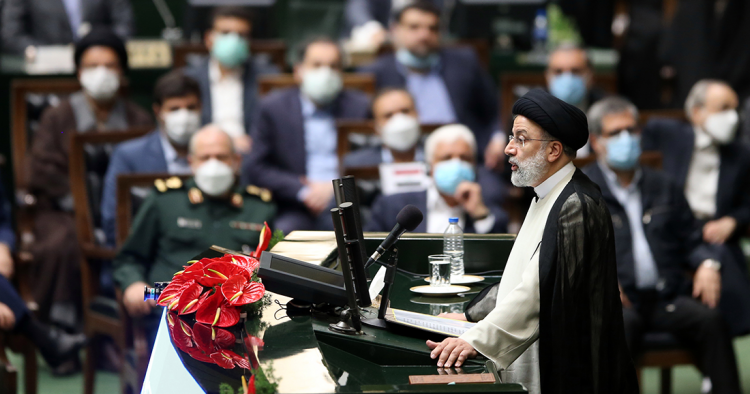
On Aug. 25, Iran’s parliament voted on the cabinet of its new president, Ebrahim Raisi, approving 18 out of the 19 ministers put forward. Raisi’s government is full of revolutionaries likely to adopt a hardline approach to domestic and international affairs, leading to heightened geopolitical risk and potentially prolonging the country’s economic crisis.