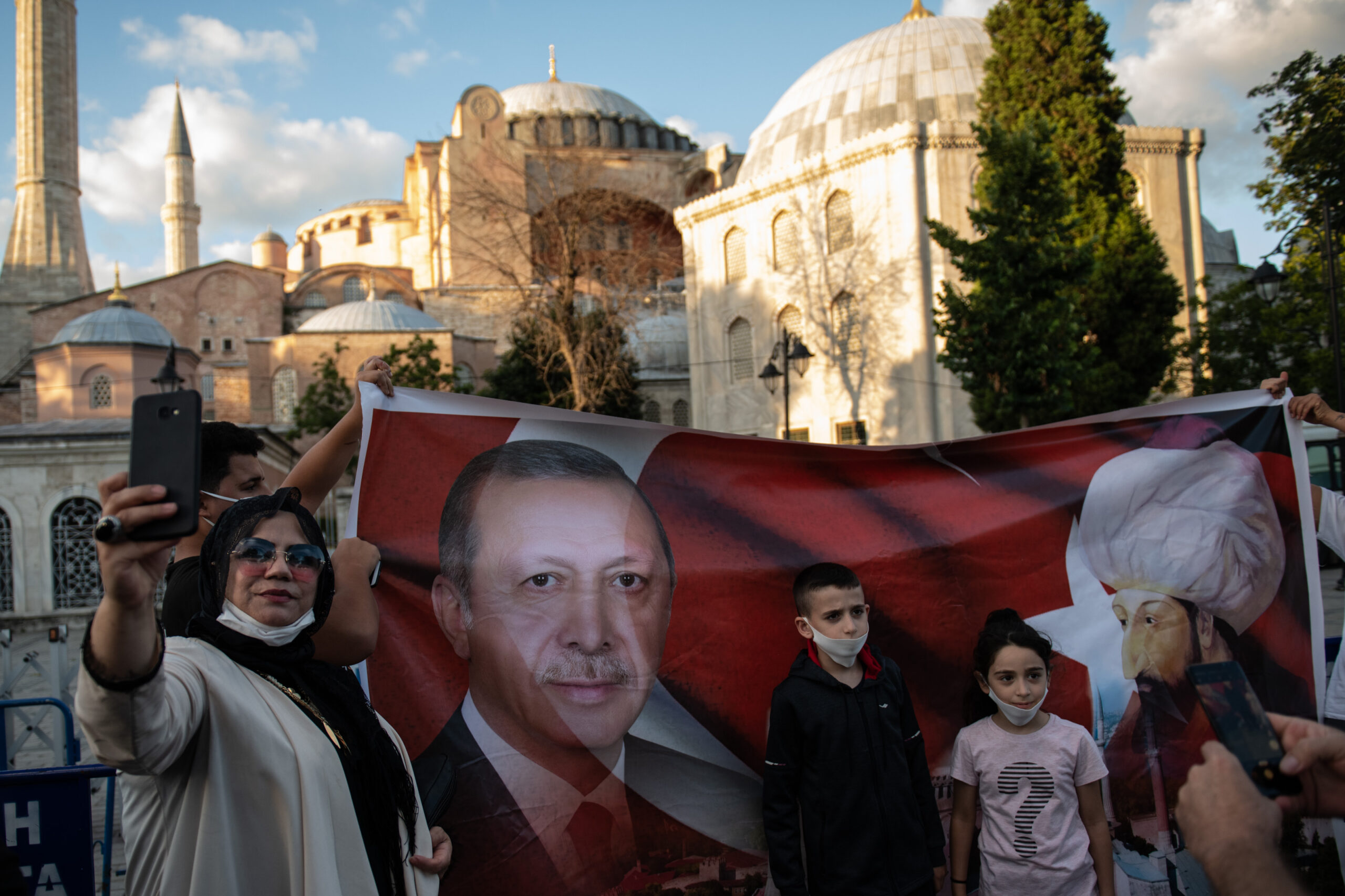
Monday Briefing: Erdoğan and the “symbolic war” over Hagia Sophia
This week’s briefing on recent news and upcoming events in the region featuring Seren Selvin Korkmaz, Marvin G. Weinbaum, Mirette F. Mabrouk, Robert S. Ford, and Nilsu Goren.
Climate, Defense and Security, Energy, Governance, Reform, and State Capacity, Great Powers in the Middle East, Egypt, Israel, Palestine, Sudan
Press inquiries: [email protected]
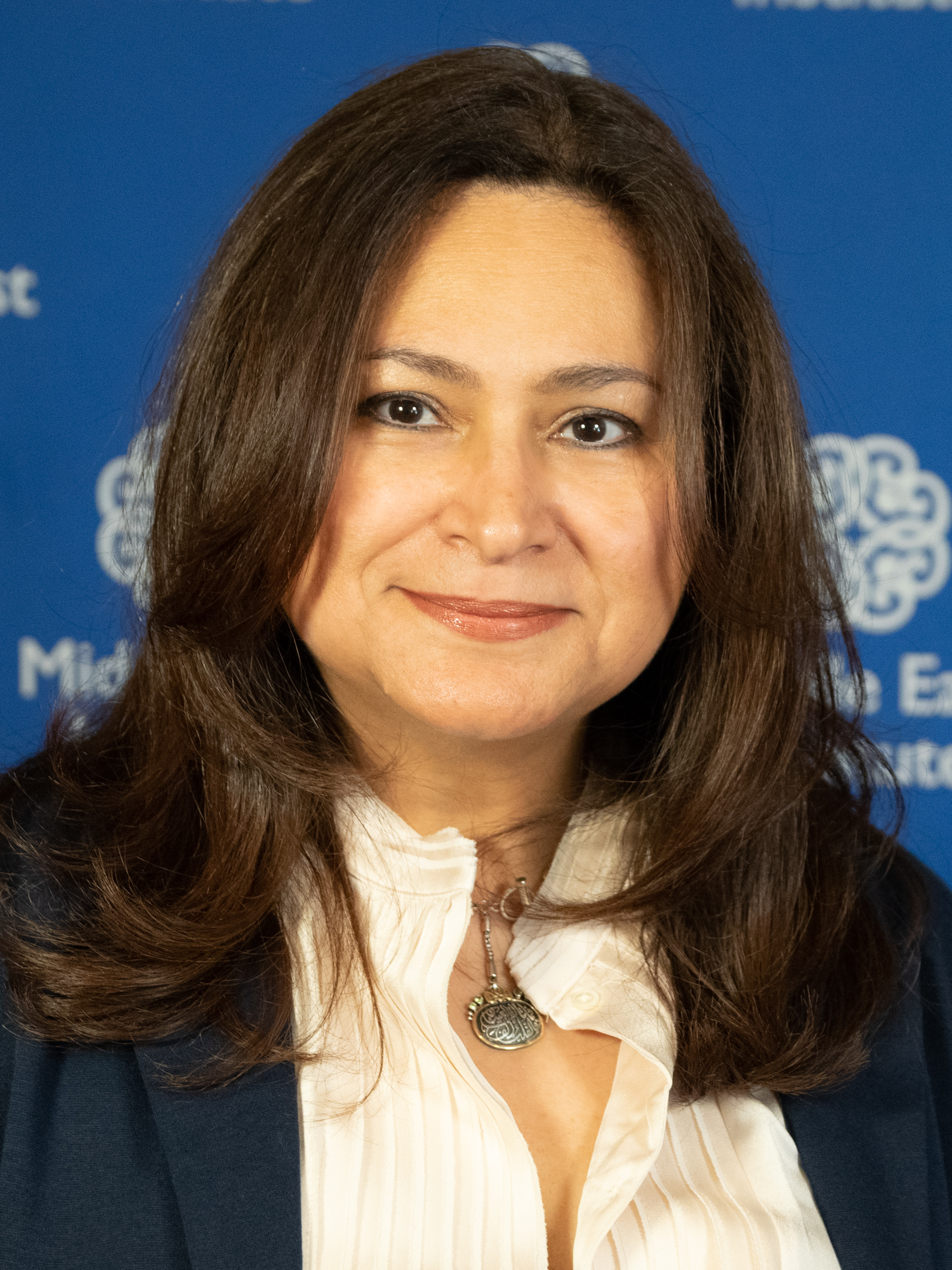
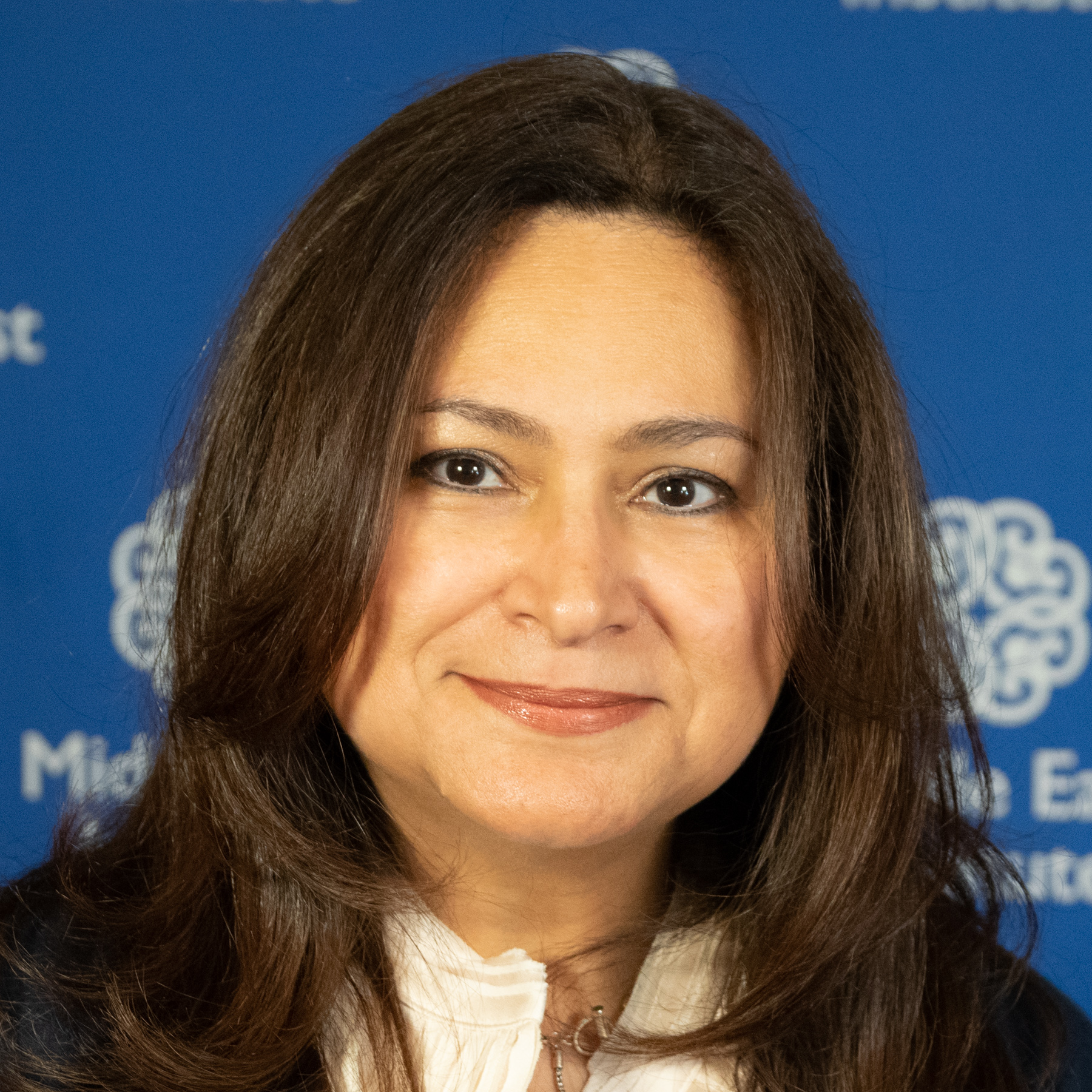
Mirette F. Mabrouk is a senior fellow at the Middle East Institute (MEI), where she focuses on economic development, regional security, and sustainable development issues in the Middle East and North Africa.
Prior to joining MEI, Ms. Mabrouk served as the deputy director and director for research and programs at the Rafik Hariri Center for the Middle East at the Atlantic Council. She was also a fellow at the Project for US Relations with the Middle East at the Brookings Institution and was based in Cairo, where she was the director of communications for the Economic Research Forum (ERF).
Ms. Mabrouk comes from a long career in journalism, including over 20 years in print and television. She is the founding publisher of The Daily Star Egypt (now The Daily News Egypt), the country’s only independent English-language daily newspaper at the time. She also served as the publishing director for IBA Media, which produces the region’s leading English-language magazines.
Her work has appeared in prominent publications such as Foreign Policy, The Hill, and HuffPost, and she has been quoted or appeared on major media outlets including the BBC, VOA, Sky News, and The Wall Street Journal. She is the author of the book chapter “And Now for Something Completely Different: Arab Media’s Own Little Revolution” from Reconstructing the Middle East (Routledge, 2017), as well as the editor of the report Rethinking Egypt’s Economy (Middle East Institute, 2020).
She holds an MA in Broadcast Journalism and a BA in Mass Communication from the American University in Cairo.
This week’s briefing on recent news and upcoming events in the region featuring Seren Selvin Korkmaz, Marvin G. Weinbaum, Mirette F. Mabrouk, Robert S. Ford, and Nilsu Goren.
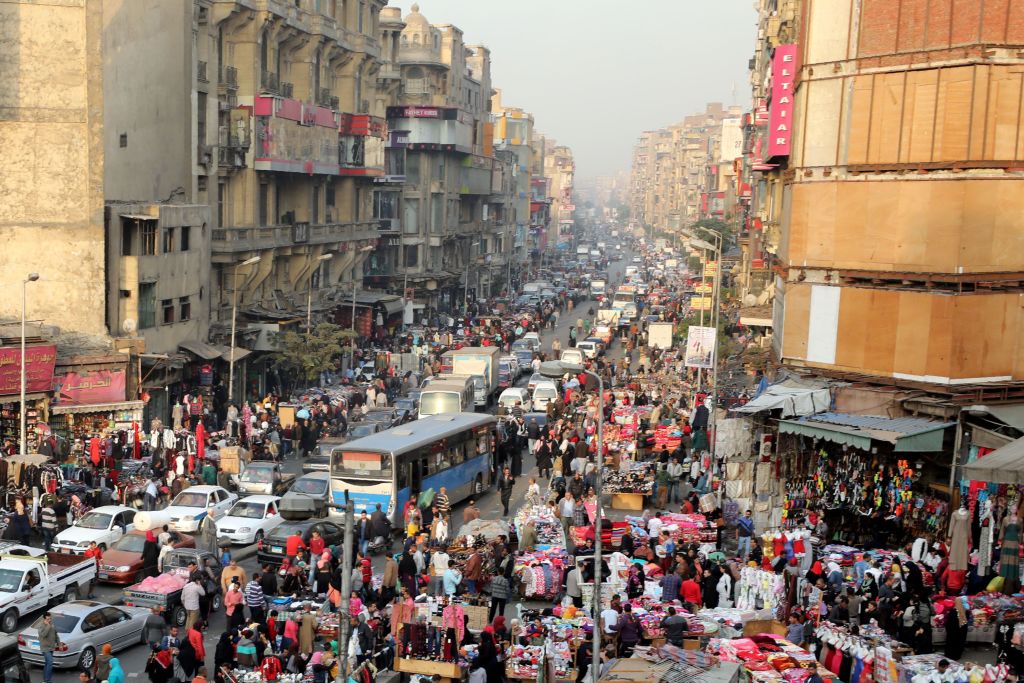
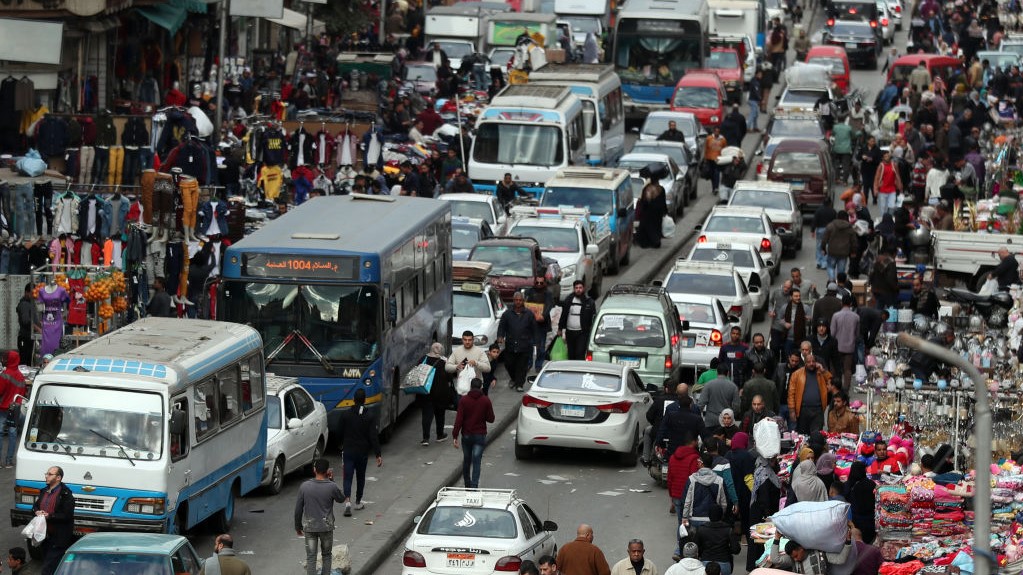
The lockdown conditions have meant that demand for the services of informal market laborers has declined, leaving them with no means of making a living and no form of insurance or savings to fall back on.
A possible influx of returnees from the Gulf swelling the ranks of the unemployed is bad enough, but it also comes with a serious complication — the possible loss of remittances.
Despite an unprecedented global slump, this is hardly an ideal time to cut into social spending.
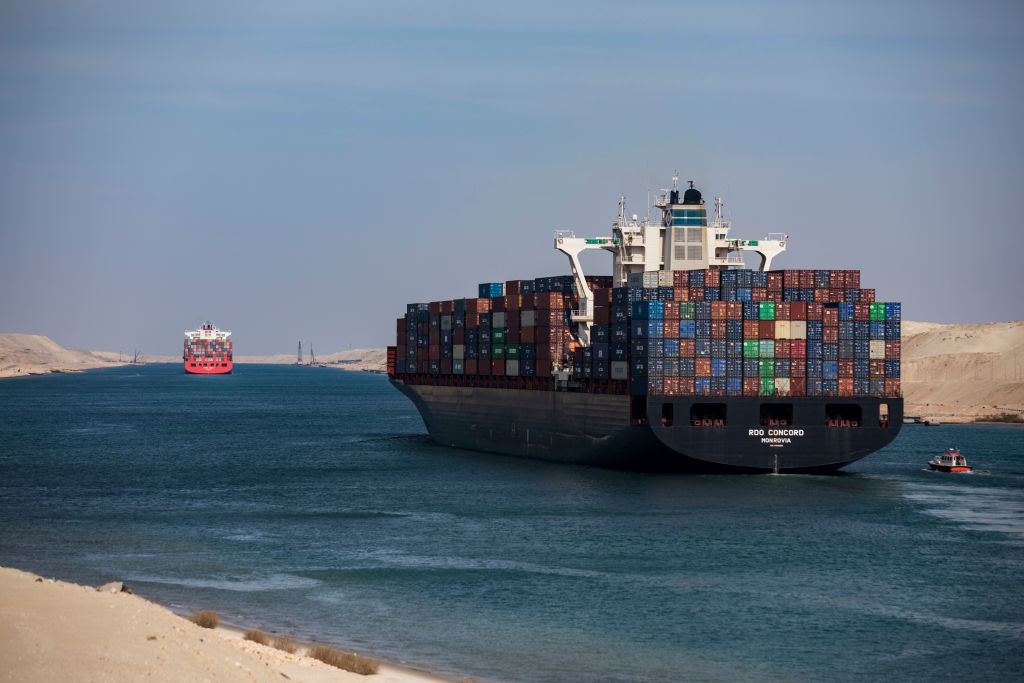
It’s difficult to overstate the importance of the Canal to the international shipping trade, but it’s importance to Egypt economy is even greater still.
Climbing unemployment is a major specter for Egypt.
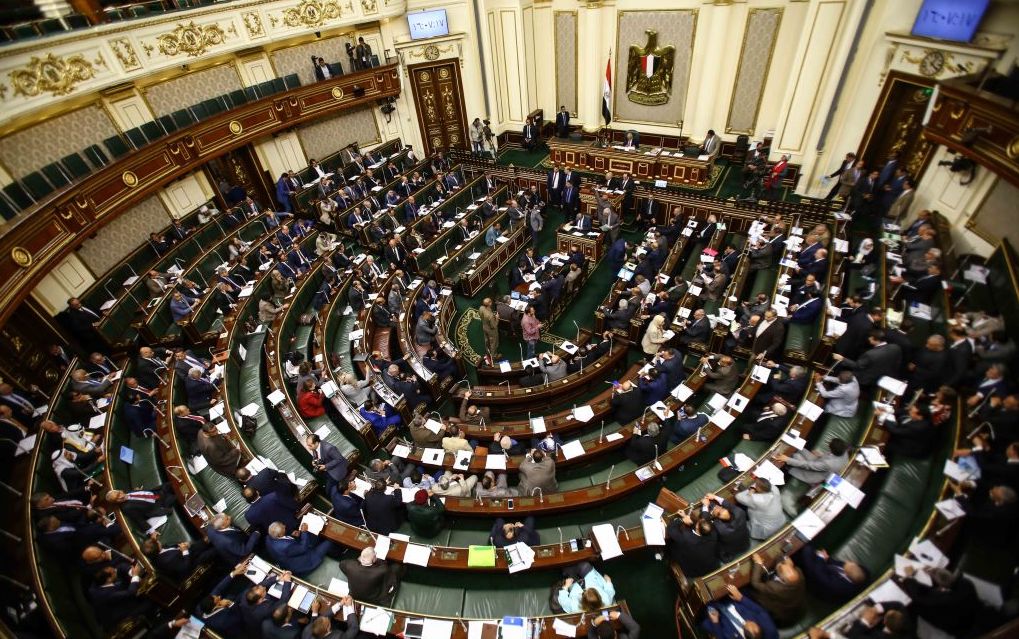
The amendments have been designed to provide relief on both the individual and corporate levels.
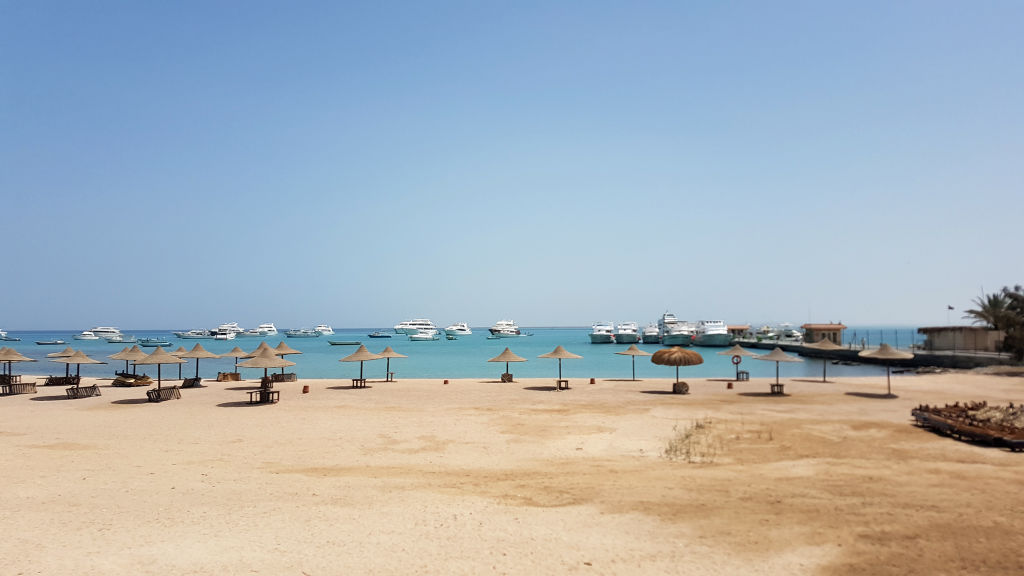
Egypt’s three top sources of foreign revenue — tourism, remittances, and the Suez Canal — are likely to be hard hit by the crisis.
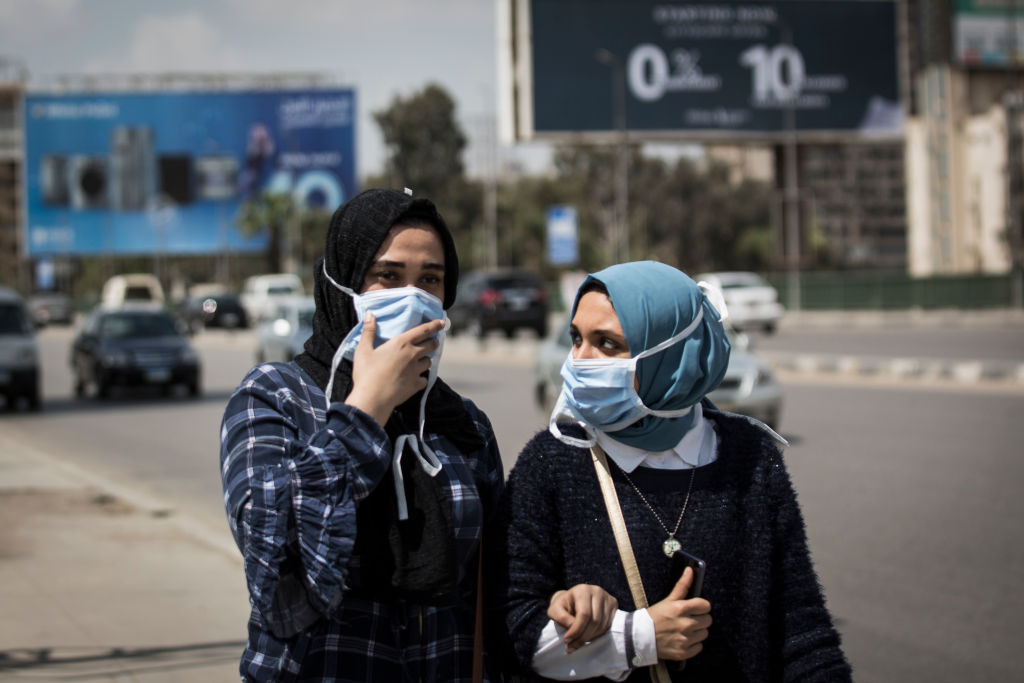
11 scholars and experts from across MEI weigh in with the latest on how the coronavirus pandemic is affecting the Middle East.
From Morocco to Afghanistan, the scholars and experts at MEI take a closer look at how the COVID-19 coronavirus pandemic is affecting the Middle East.
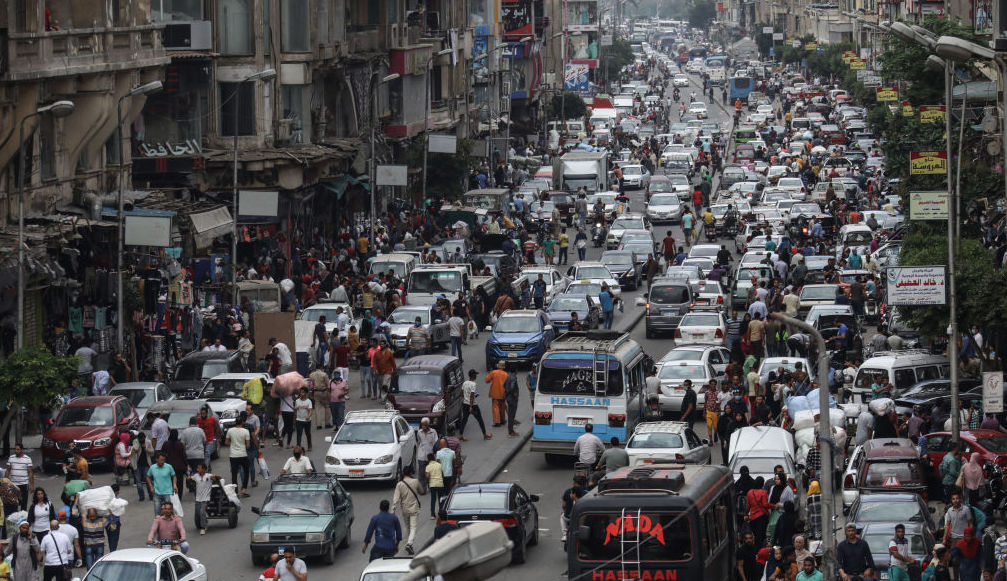
The most populous country in the Arab world, with 100 million people straining its seams, Egypt has weaknesses that make it susceptible to a serious outbreak of COVID-19.
Egypt’s burgeoning population is one of the biggest threats to its future.
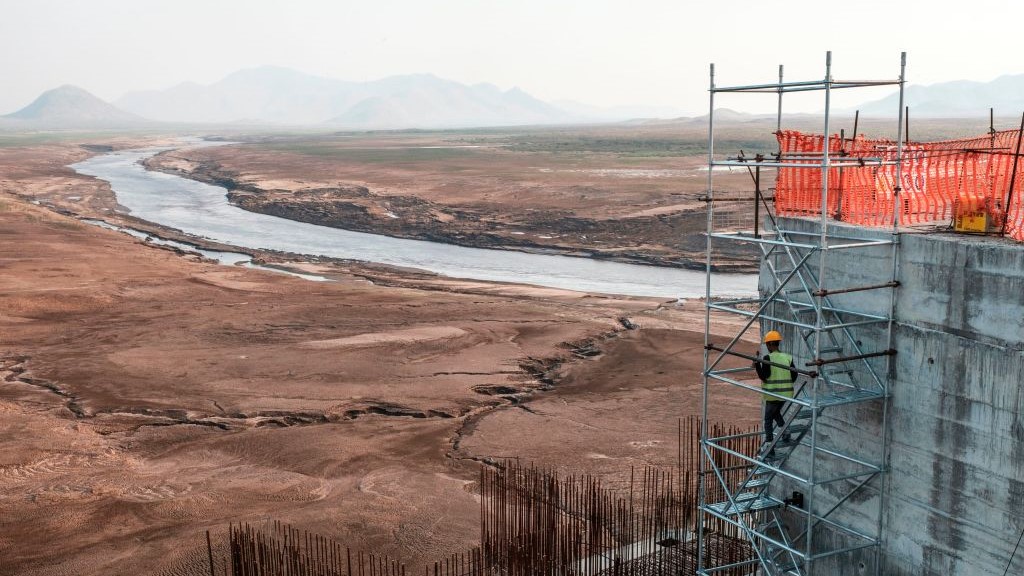
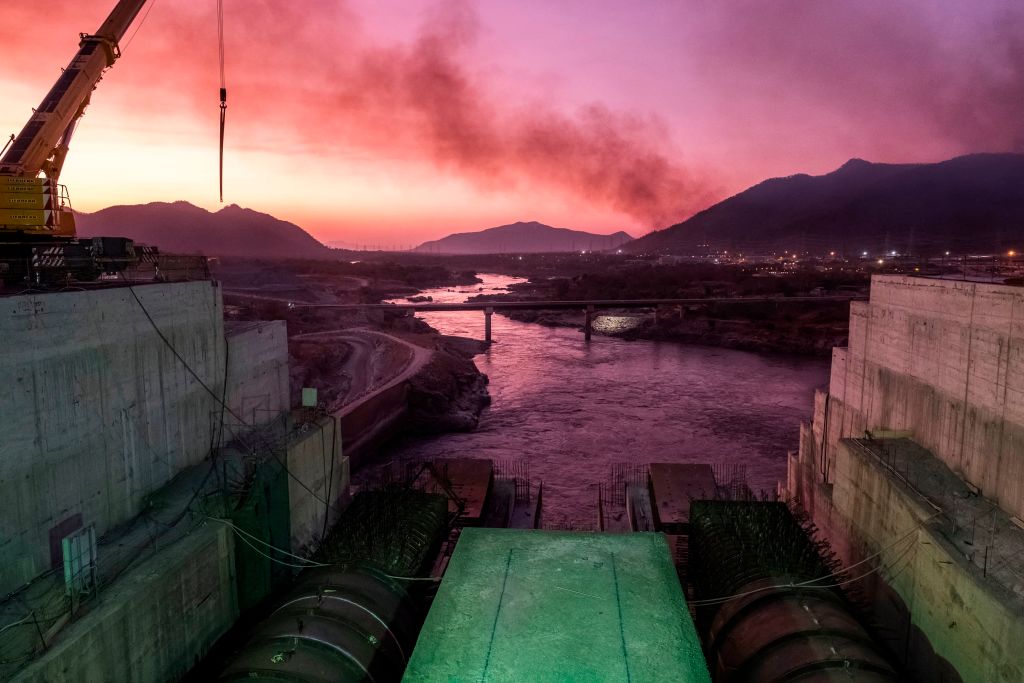
The latest talks in Washington brought about some concrete, and cautiously welcome, results.
It is profoundly in the interest of the U.S. to help all three countries arrive at an amicable working solution.
Fourteen MEI scholars weigh in on the key Middle East policy issues and developments for the year ahead.