This individual is a guest contributor. MEI is not able to assist with contact requests.
Mohammed Mahmoud is the former founding director of the Climate and Water Program at the Middle East Institute. His areas of expertise include climate change adaptation, water policy analysis, and scenario planning.
Mohammed has held leadership positions in several organizations. Most recently as Chair of the Water Utility Climate Alliance; a coalition of 12 of the nation’s largest water utilities that collectively provide water to over 50 million people in the United States, with the purpose of providing leadership and collaboration on climate change issues that affect water agencies. Prior to that Mohammed was President of the North American Weather Modification Council; an organization dedicated to advancing research and development activities that increase the scientific knowledge and proper use of weather modification applications.
Mohammed’s professional accomplishments include negotiating and formalizing a 10-year multi-state cloud seeding funding agreement between seven Colorado River Basin states, developing and implementing the first ever climate adaptation plan for a multi-county water district in Arizona, and helping secure a 1.1 million dollar grant from NASA for Arizona State University to study the impacts of climate change on the hydrology of the Western United States. Furthermore, he has provided numerous subject matter interviews in press, radio, and video media on climate-associated topics such as regional climate change impacts, water resources management, extreme heat, droughts, and the food-water-energy nexus.
Mohammed has conducted water management research and work for the Middle East and North Africa region; most extensively on the Nile River Basin. His research on the Nile River Basin focused on the development of water resources in the Basin, analysis of Nile water- sharing agreements, and solutions for current and future challenges in the Nile River Basin.
Mohammed’s other water management work in the region explored formalizing the administration of Saudi Arabia’s groundwater resources by using other established groundwater management frameworks as application templates; such as Arizona’s 1980 Groundwater Management Code.
Mohammed’s educational background includes a B.S. and M.S. in Civil Engineering from Michigan Technological University, and a PhD in Hydrology and Water Resources from the University of Arizona.
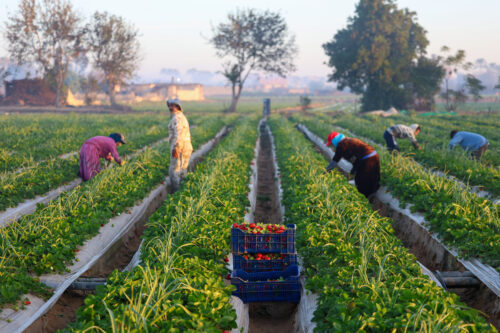
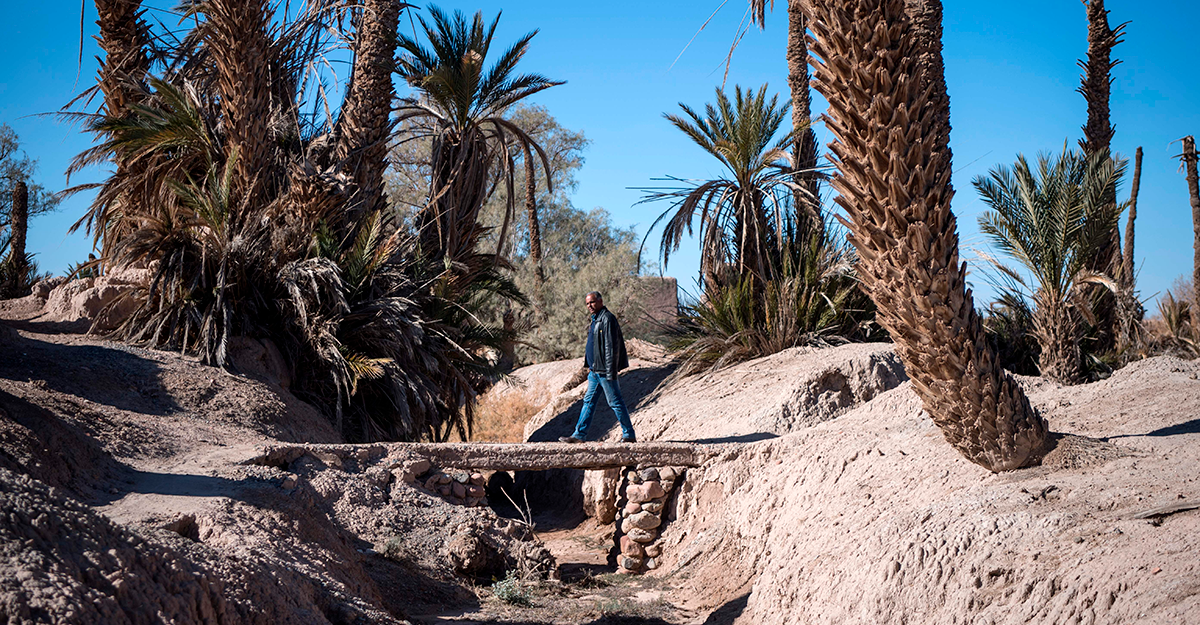
This summer, brutally hot temperatures, deepening water scarcity, and spiking fertilizer costs have put North Africa’s agricultural sector under intense pressure. Host Alistair Taylor is joined by Mohammed Mahmoud, CEO and founder of the Climate and Water Initiative and lead for Middle East Climate and Water Policy at the United Nations University Institute for Water, Environment, and Health, to unpack the region’s food and water security challenges. Drawing on Mahmoud’s new report card on agricultural sustainability in North Africa, they explore the diverging picture across the region, why some countries have weathered the strain better than others, and what it will take to build a more resilient and secure food system.
Outlook for Sustainable Agriculture in North Africa: Report Card Assessment
This report assesses the future sustainability of agriculture across North Africa using a multidimensional approach that considers the dynamics of water, climate, land, and economics. To enable this assessment of sustainable agriculture across the region, the author evaluates water resources reliability, water use efficiency, agricultural land sustainability, and the food sector economy for Egypt, Sudan, Libya, Tunisia, Algeria, Morocco, and Mauritania, and provides recommendations for action.
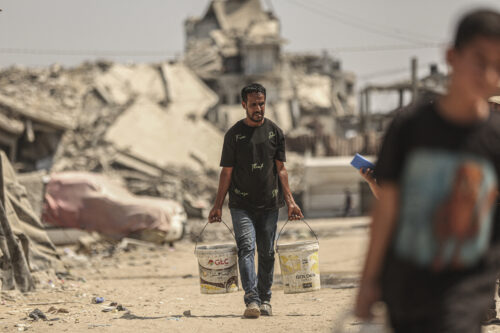
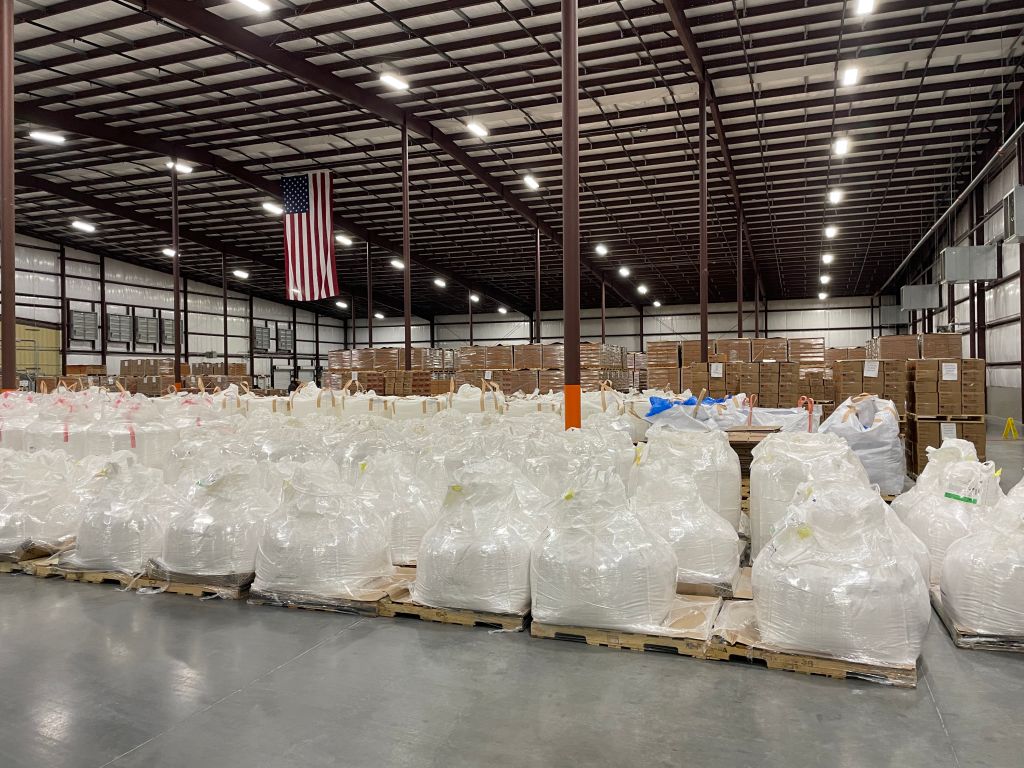
The ripple effects of US foreign aid cuts to food and water access across North Africa
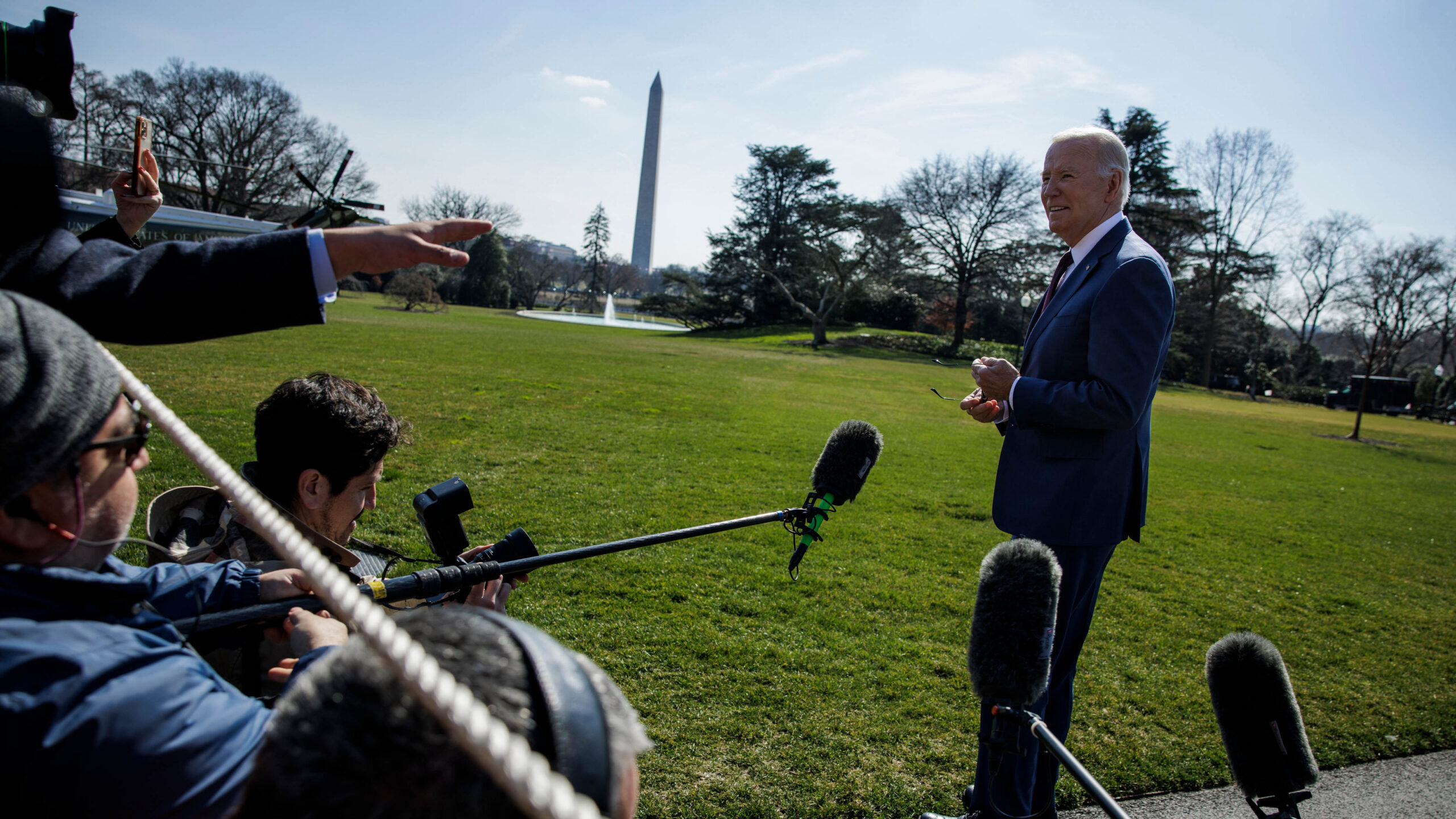
When Executive Order (EO) 14169, “Reevaluating and Realigning United States Foreign Aid,” was issued and implemented by the administration of President Donald Trump in early 2025, it effectively halted nearly all US foreign aid. The order primarily suspended the disbursement of non-military aid programs, leading to the termination of US-funded assistance projects, contracts, and employment across the world. The impact of this abrupt elimination of foreign aid was especially acute for humanitarian and development programs, crippling those targeting food assistance, clean water access, public health, and agricultural support.
Managing Threats to Food Security: Water and Agricultural Resilience in North Africa
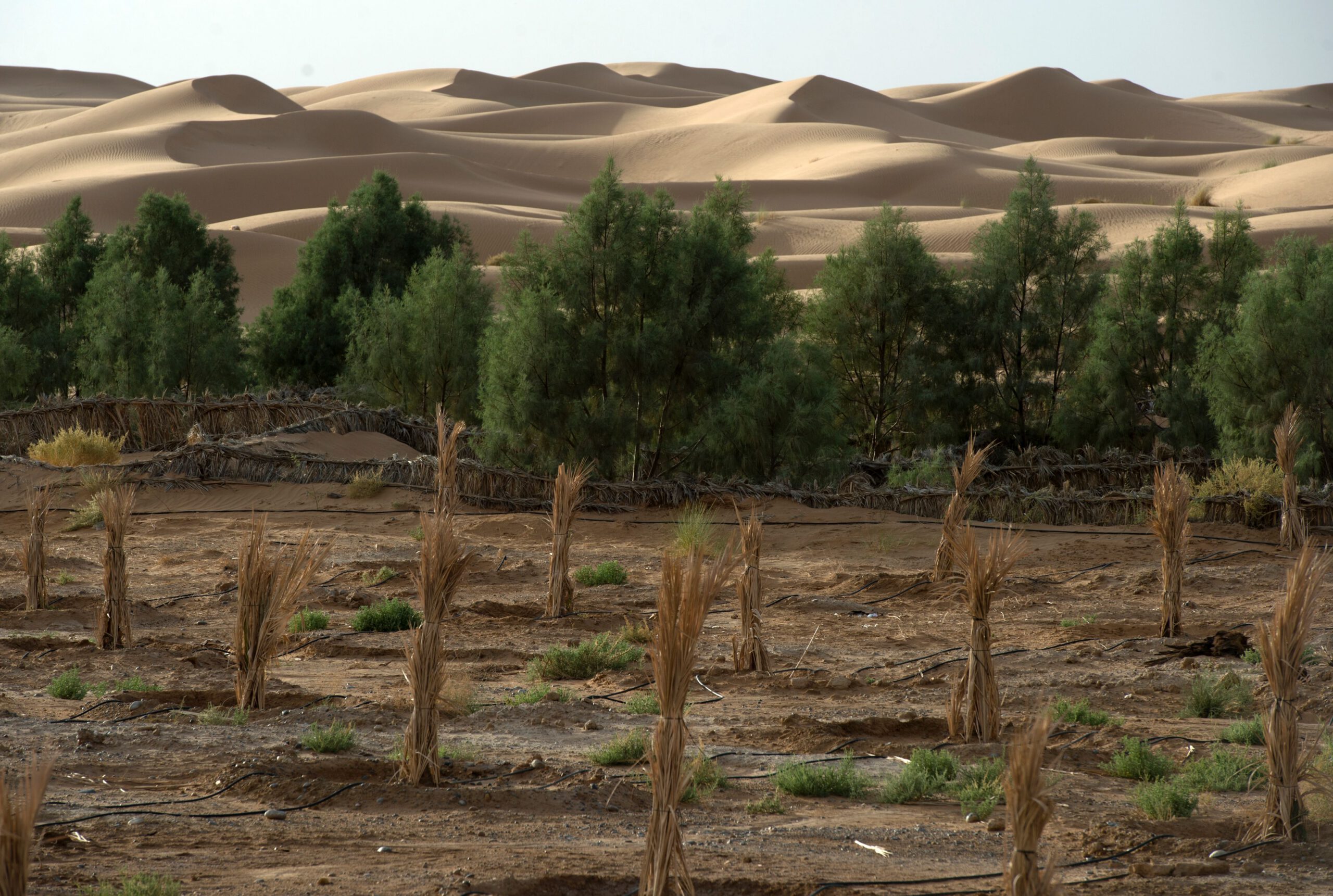
Sustaining food security in North Africa is a complex and evolving challenge, influenced by the region’s arid climate, limited water resources, and sparse arable land. In response, efforts to enhance food security by governments, farmers, and non-governmental organizations have been centered on adopting climate-resilient agricultural practices, efficient irrigation techniques, and sustainable land-management strategies. Despite these efforts, food security in North Africa remains fragile due to systemic pressures on agricultural systems from climate change, water scarcity, and increasing market demands.
The impact of climate variability on Morocco’s agriculture
Climate variability is becoming a key factor in shaping economic stability, agricultural productivity, and water security worldwide. Periods of prolonged drought and sudden shifts in precipitation can have far-reaching consequences, particularly for countries that rely heavily on natural water sources for farming and economic growth. As weather patterns become increasingly unpredictable, there is a need to navigate both the immediate impacts of climate change and the long-term strategies needed for climate resilience. Finding the right balance between short-term relief and sustainable adaptation is a fundamental challenge for economies dependent on agriculture and water availability. Nowhere is this more evident than in Morocco.
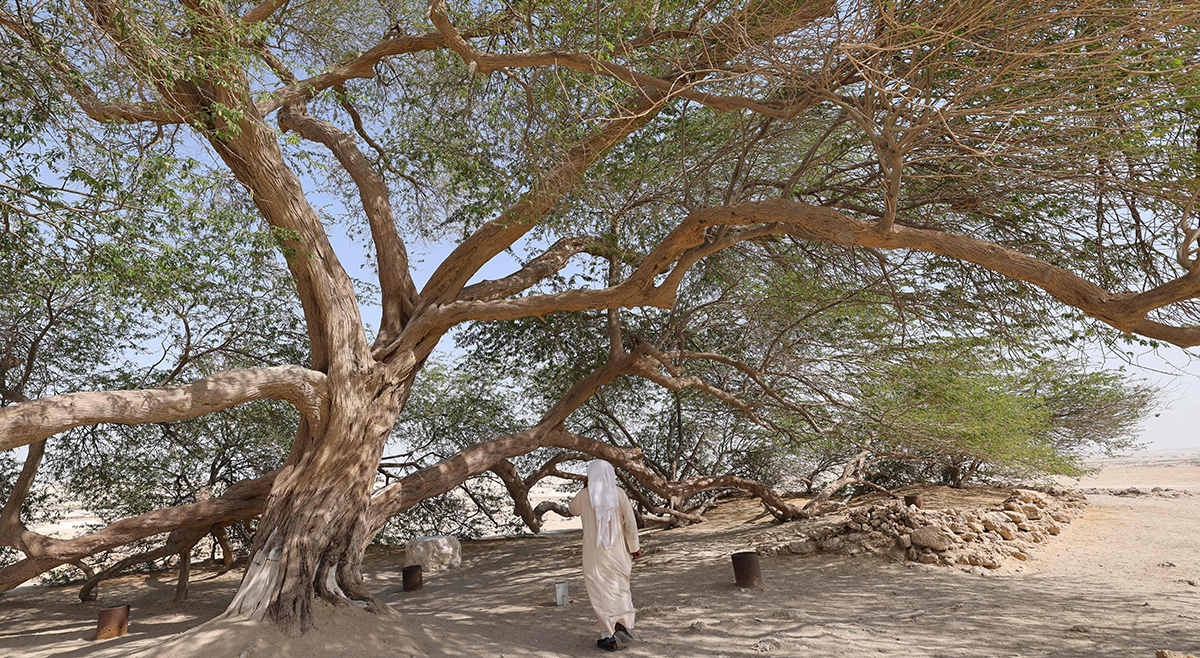
Building a More Resilient Bahrain: An Integrated Approach to Climate Change, Socioeconomic, and Governance Challenges
From extreme heat and drought to dust storms and rising sea levels, the Kingdom of Bahrain is facing the growing impact of climate change, with projections indicating conditions will only get worse in the future. Manama’s vulnerability to the effects of climate change directly intersects with its broader societal and governance issues, necessitating comprehensive climate-resilience strategies to address these interconnected challenges.
The Future of Climate Change Mitigation in the Middle East and North Africa
Future global warming scenarios indicate the 1.5°C target laid out under the 2015 Paris Agreement is at risk, with some projections suggest a median global warming of as much as 2.8°C by 2100. Bridging the gap between emissions and mitigation necessitates immediate, comprehensive, and far-reaching strategies in energy, cities, transportation, demand mitigation, and carbon removal. Urgent and coordinated global action is imperative to address the escalating climate crisis. The 2023 U.N. Climate Change Conference meeting in Dubai serves as a critical juncture to assess progress, address gaps in mitigation efforts, and translate net-zero goals into impactful climate action.
With COP28 set to kick off later this week at Expo City, Dubai, in the United Arab Emirates, MEI’s Mohammed Mahmoud takes a closer look at five key questions that will influence the course and outcomes of the proceedings.
Putting Diplomacy First in the Middle East: Creating Incentives for De-Escalation
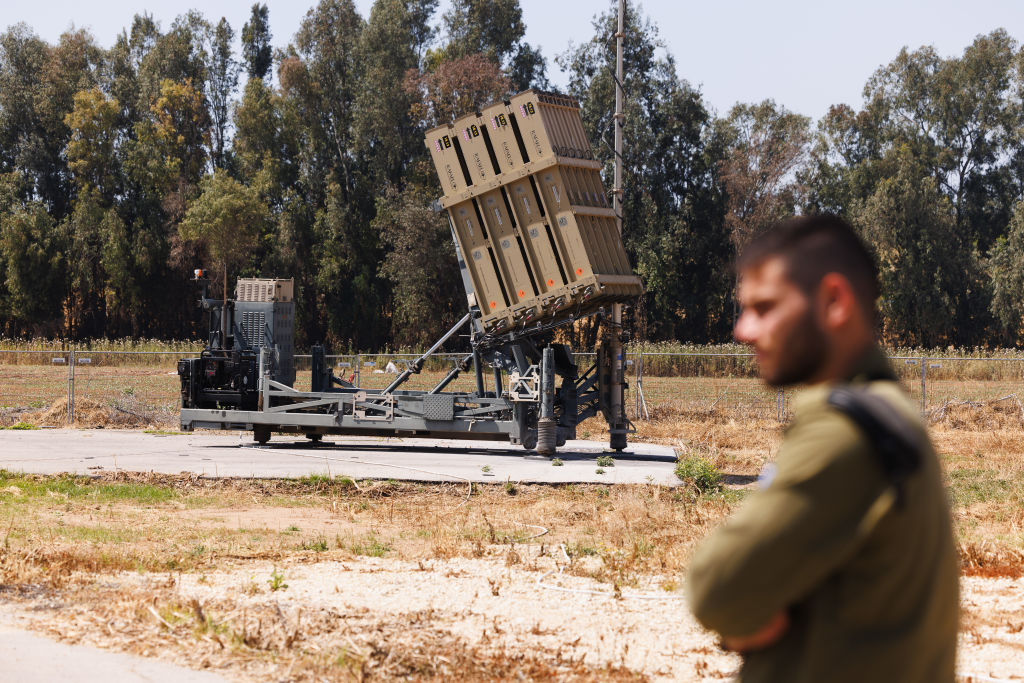
The Middle East is undergoing a historic transformation with unprecedented opportunities to build new relationships, de-escalate tensions, and foster conditions for stronger integration. At the same time, the region remains on edge because of ongoing tensions in Yemen, Syria, Iraq, and other conflict zones, a civil war that broke out recently in Sudan, along with the overarching challenges presented by fraught relations between Iran, Israel, and several Arab Gulf countries — with the longer-term implications of the still-fragile Iranian-Saudi rapprochement yet to be fully assessed.
Citizen priorities on the environment and climate change in MENA
The results of the seventh wave survey from Arab Barometer shed light on regional perspectives on issues of climate change, water resources, and the environment. Here are five key takeaways gleaned from the survey results.