Mohammed Mahmoud is the former founding director of the Climate and Water Program at the Middle East Institute. His areas of expertise include climate change adaptation, water policy analysis, and scenario planning.
Mohammed has held leadership positions in several organizations. Most recently as Chair of the Water Utility Climate Alliance; a coalition of 12 of the nation’s largest water utilities that collectively provide water to over 50 million people in the United States, with the purpose of providing leadership and collaboration on climate change issues that affect water agencies. Prior to that Mohammed was President of the North American Weather Modification Council; an organization dedicated to advancing research and development activities that increase the scientific knowledge and proper use of weather modification applications.
Mohammed’s professional accomplishments include negotiating and formalizing a 10-year multi-state cloud seeding funding agreement between seven Colorado River Basin states, developing and implementing the first ever climate adaptation plan for a multi-county water district in Arizona, and helping secure a 1.1 million dollar grant from NASA for Arizona State University to study the impacts of climate change on the hydrology of the Western United States. Furthermore, he has provided numerous subject matter interviews in press, radio, and video media on climate-associated topics such as regional climate change impacts, water resources management, extreme heat, droughts, and the food-water-energy nexus.
Mohammed has conducted water management research and work for the Middle East and North Africa region; most extensively on the Nile River Basin. His research on the Nile River Basin focused on the development of water resources in the Basin, analysis of Nile water- sharing agreements, and solutions for current and future challenges in the Nile River Basin.
Mohammed’s other water management work in the region explored formalizing the administration of Saudi Arabia’s groundwater resources by using other established groundwater management frameworks as application templates; such as Arizona’s 1980 Groundwater Management Code.
Mohammed’s educational background includes a B.S. and M.S. in Civil Engineering from Michigan Technological University, and a PhD in Hydrology and Water Resources from the University of Arizona.
The Latest from Mohammed Mahmoud
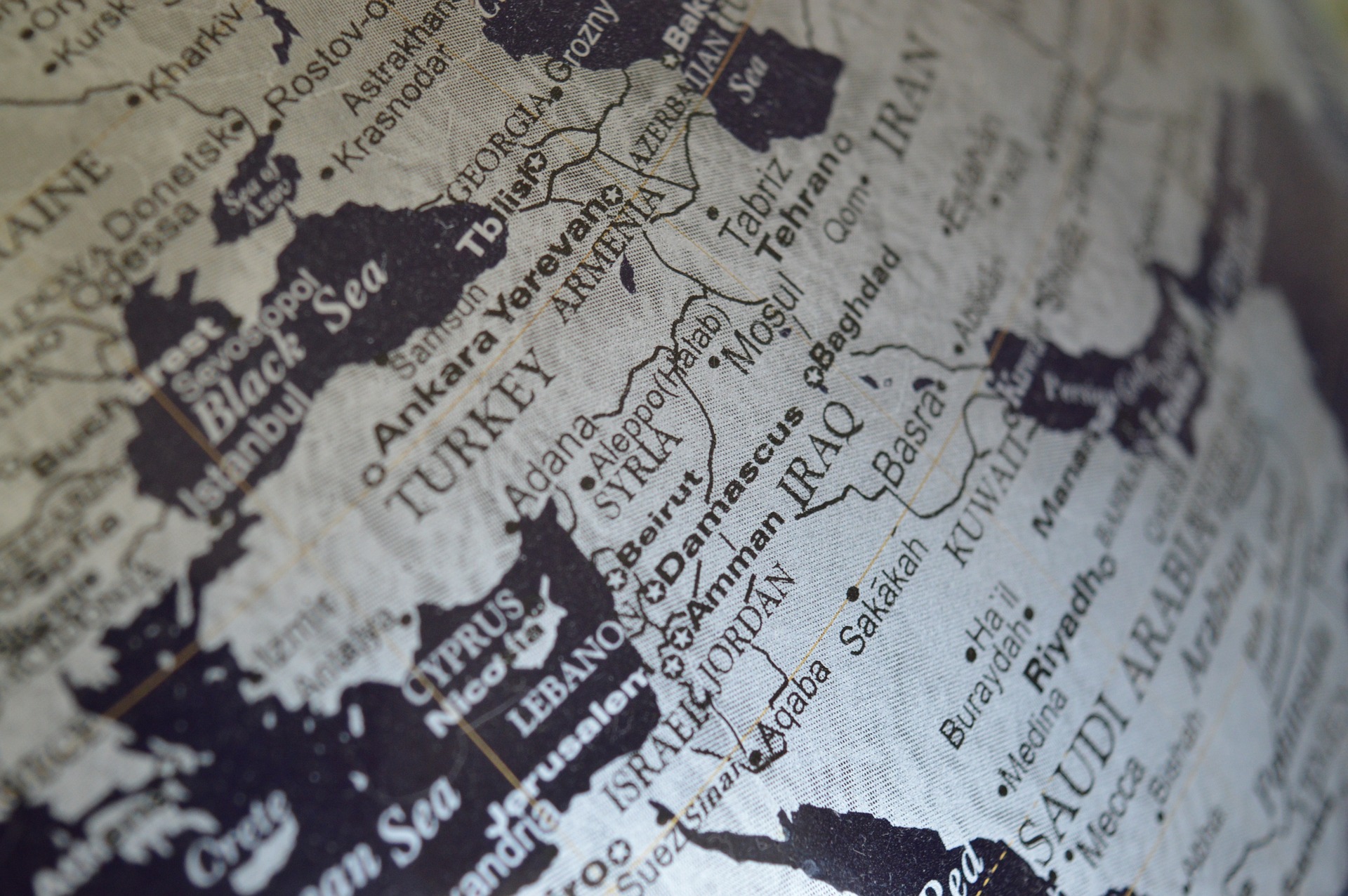
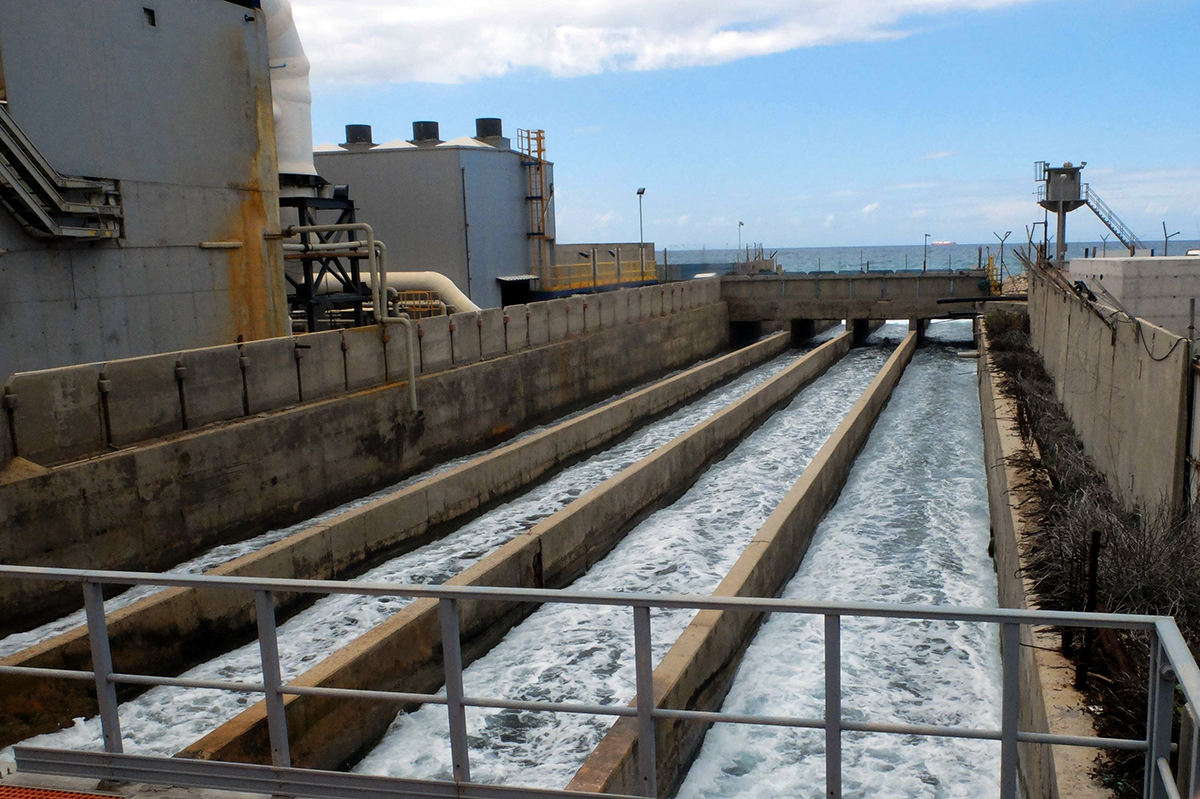
Exploring the feasibility of the Jordan-Israel energy and water deal
On Nov. 22, the Dubai Expo hosted an event where the United Arab Emirates (UAE), Jordan, and Israel signed a cooperation agreement that would broker an exchange of renewable energy and water between Jordan and Israel. The signing of the agreement between the respective minsters of the three countries took place in the presence of Abu Dhabi Crown Prince Mohammed bin Zayed and U.S. Climate Envoy John Kerry, who played a role in getting the deal done.

Monday Briefing: Last-minute deal pushed through at the conclusion of COP26, but was it enough?
Read MEI’s weekly briefing featuring expert analysis of key regional developments for the week ahead.

Cop26 ينطلق في غلاسكو
من 31 أكتوبر/تشرين الأول إلى 12 نوفمبر/تشرين الثاني، يجتمع عشرات الآلاف من قادة العالم والمفاوضين والعلماء ورجال الأعمال والنشطاء والمراقبين في غلاسكو باسكتلندا لحضور مؤتمر الأمم المتحدة السادس والعشرين لتغير المناخ. تُعرف هذه الهيئة المميزة أيضًا باسم مؤتمر الأطراف (COP)، وهي تجتمع سنويًا لاتخاذ قرارات بشأن تنفيذ اتفاقية الأمم المتحدة الإطارية بشأن تغير المناخ (UNFCCC).

Monday Briefing: COP26 kicks off in Glasgow
Read MEI’s weekly briefing featuring expert analysis of key regional developments for the week ahead.

التطلع إلى COP26: كيف يمكن للتطورات الأخيرة أن تصيغ اجتماع هذا العام
في الأسبوع المقبل، سيجتمع عشرات الآلاف من قادة العالم والمفاوضين والعلماء ورجال الأعمال والنشطاء والمراقبين من جميع أنحاء العالم في غلاسكو بإسكتلندا لحضور مؤتمر الأمم المتحدة السادس والعشرين لتغير المناخ، والذي سيستمر في الفترة من 31 أكتوبر/تشرين الأول إلى 12 نوفمبر/تشرين الثاني. المؤتمر المعروف أيضًا باسم مؤتمر الأطراف (COP)، تجتمع فيه هذه الهيئة المتميزة سنويًا لاتخاذ قرارات بشأن تنفيذ اتفاقية الأمم المتحدة الإطارية بشأن تغير المناخ (UNFCCC)، والتي تهدف إلى “منع تدخل الأنشطة البشرية في النظام المناخي”.

Looking ahead to COP26: How recent developments could shape this year’s meeting
Next week, tens of thousands of world leaders, negotiators, scientists, business executives, activists, and observers from all over will gather in Glasgow, Scotland for the 26th United Nations Climate Change Conference, which will run from Oct. 31 to Nov. 12. Also known as the Conference of the Parties (COP), this distinguished body meets annually to make decisions regarding the implementation of the United Nations Framework Convention on Climate Change (UNFCCC), which aims to “prevent anthropogenic interference with the climate system.”
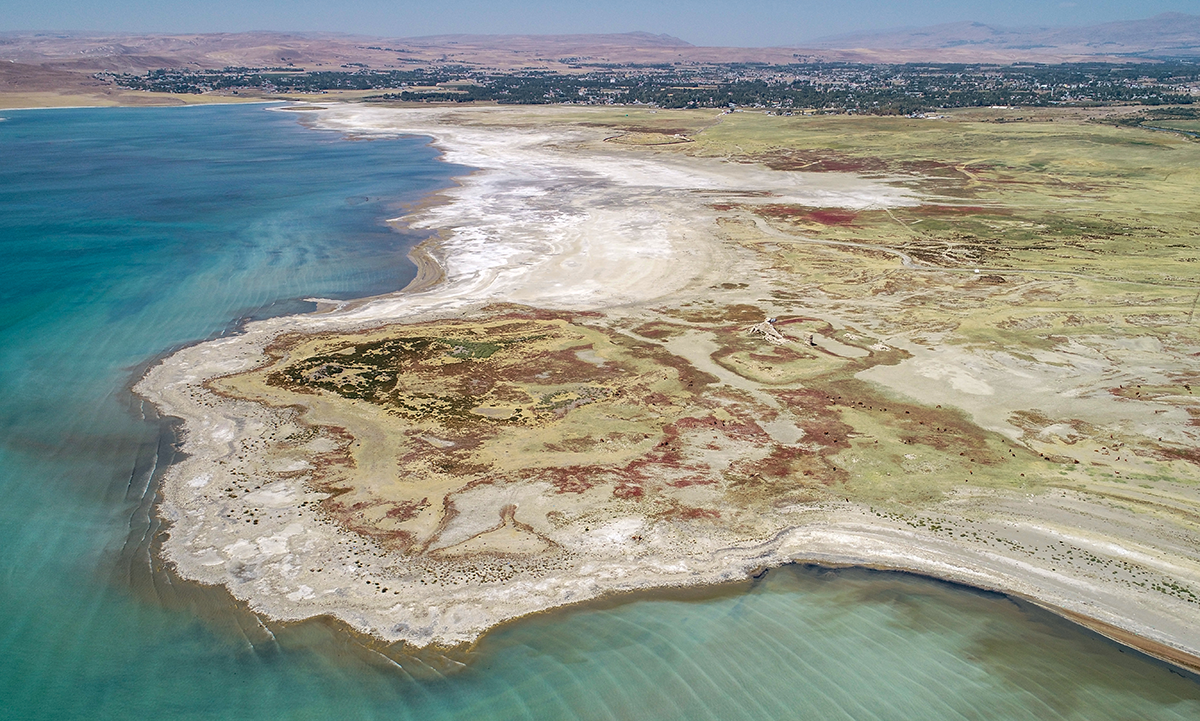
The IPCC Sixth Assessment Report on Climate Change and what it means for the Middle East
The Intergovernmental Panel on Climate Change (IPCC) released their Sixth Assessment Report on the Physical Science Basis of Climate Change in August of this year. This report brings together the latest advances in climate science, observations, paleoclimatology, and climate simulations to provide the most up-to-date physical science understanding of climate change. The report also describes the anthropogenic influence on the current state of climate and how future climate can distinctly affect different regions across the world.
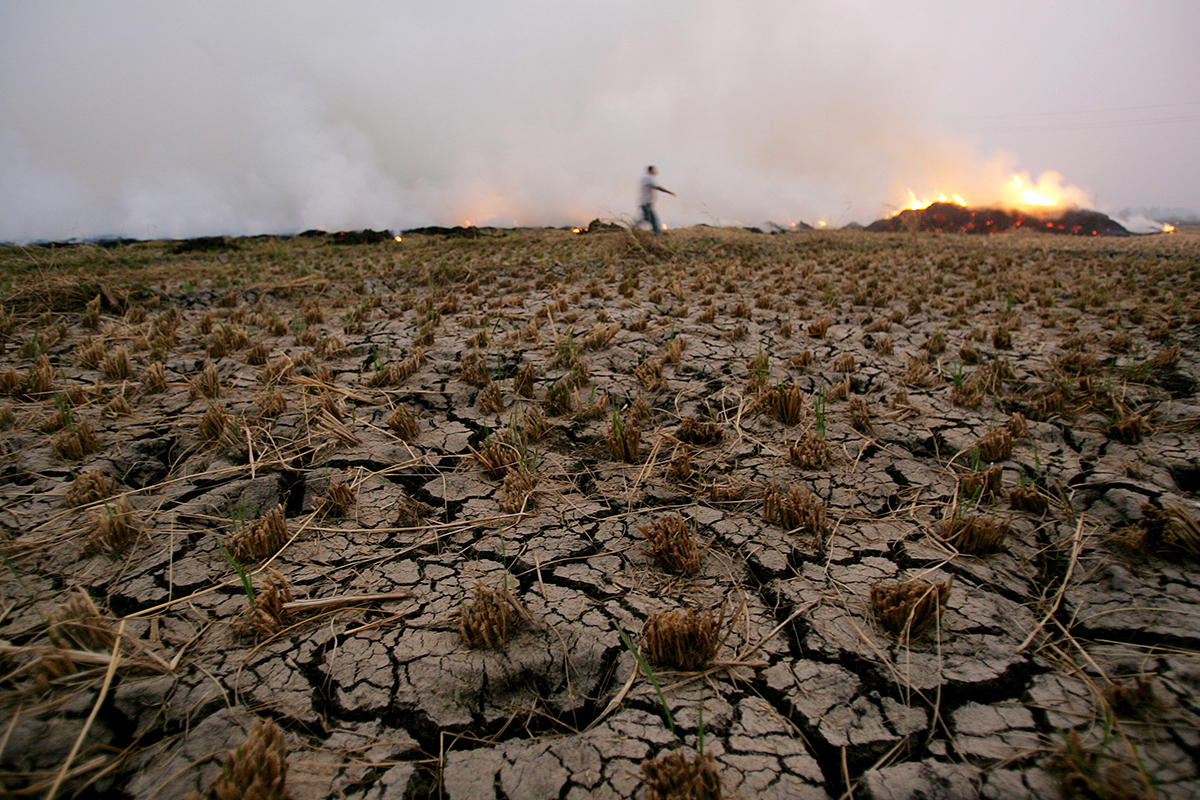
Extreme Heat: The Urgent Climate Impact
The most immediate threat posed by climate change to the Middle East, one that will be in the forefront of climate adaptation efforts within the next five years, is extreme heat. Average global temperatures have been projected to increase up to 1.5°C by 2030.
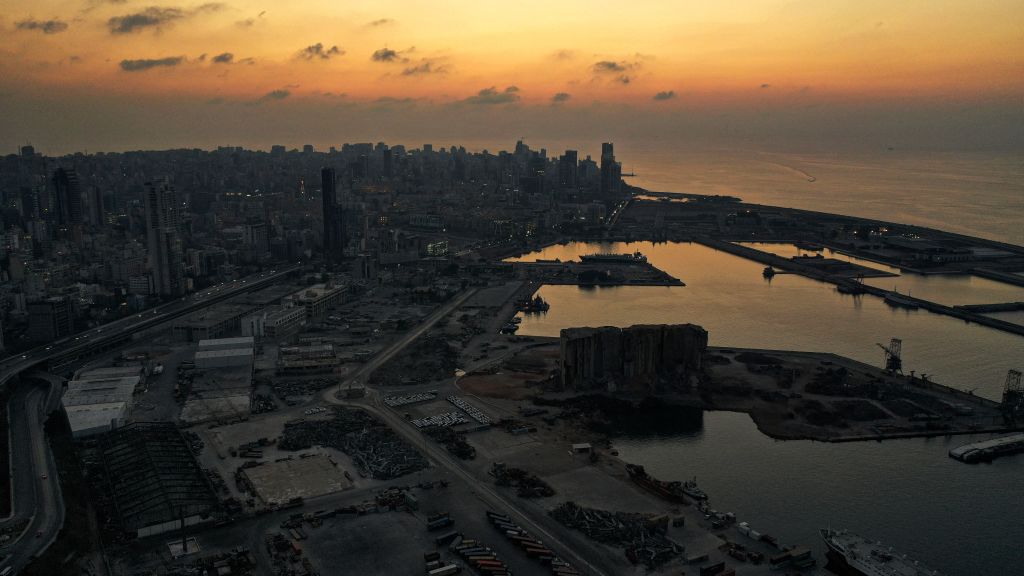
Weekly Briefing: Lebanon’s power grid shuts down
Expert regional analysis by MEI scholars and contributors.
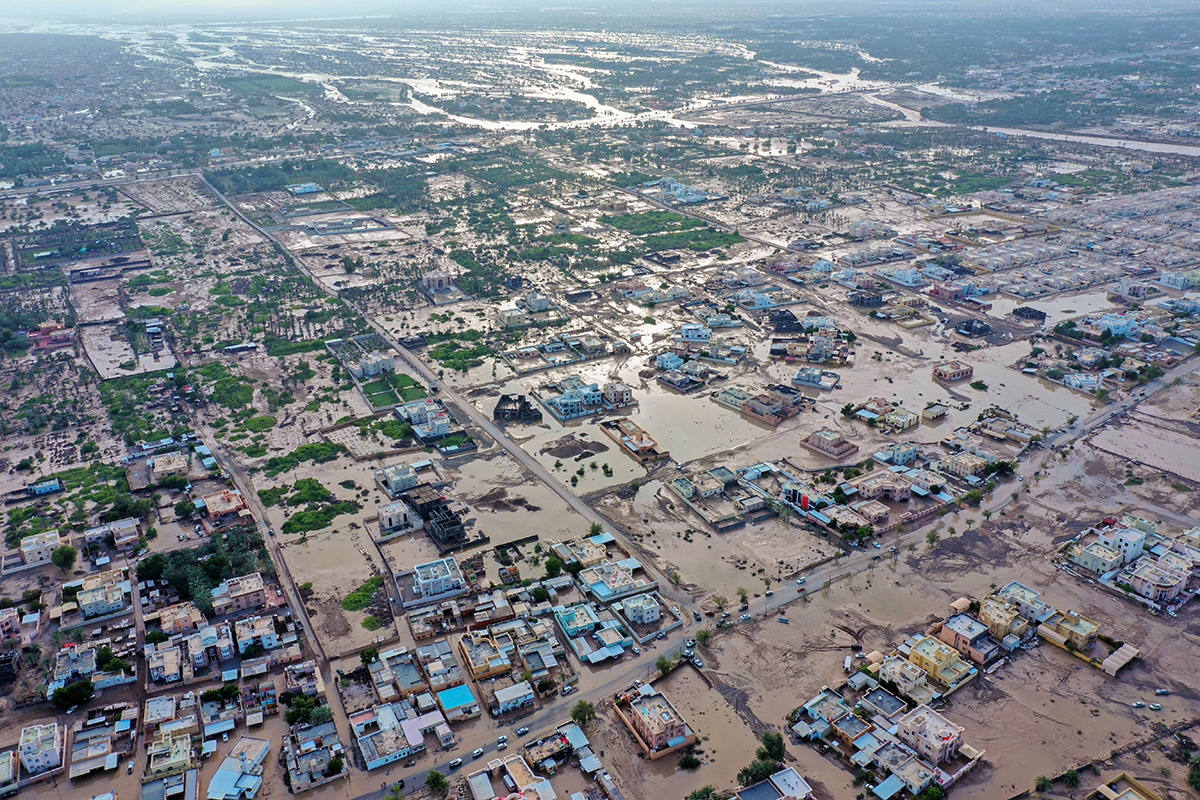
Cyclone Shaheen: A reminder of the Arabian Peninsula’s vulnerability to extreme weather events
On Oct. 3 Cyclone Shaheen made landfall in Oman, near Muscat, after traveling through the Gulf of Oman from the Arabian Sea. According to the India Meteorological Department, which monitors and tracks the formation of cyclones in the North Indian Ocean, Cyclone Shaheen was categorized as a severe cyclonic storm when it made landfall with sustained winds of 70 miles per hour. Its arrival brought on heavy rainfall and excessive flooding in the many valleys that are a natural part of Oman’s topography. The high winds of the cyclone generated massive storm surges along the coast and caused serious damage to infrastructure and homes, displacing many.

Thinking MENA Futures: The Next Five Years and Beyond
The Middle East and North Africa (MENA), for a variety of reasons, are unrivaled in their need for bold, creative thinking about their future. But that is precisely why creative thinking about the future of the region — why strategic foresight — is essential. Produced in conjunction with MEI’s Strategic Foresight Initiative, Thinking MENA Futures aims to map out some of the possible futures for the region, as envisioned by thoughtful innovators working today to realize them.



