This individual is a guest contributor. MEI is not able to assist with contact requests.
Mounir Mahmalat is a senior researcher at the Beirut-based think tank The Policy Initiative as well as a consultant for the World Bank.He holds a Ph.D. in political economy from Dublin City University. He has previously worked as a governance and public administration officer at the U.N.’s Economic and Social Commission for Western Asia (ESCWA), and has done fellowships at Harvard University (Department of Government) and American University of Beirut (Center for Arab and Middle Eastern Studies and Issam Fares Institute for Public Policy and International Affairs).
When elections don’t matter? How new parliamentarians can improve the politics of power-sharing arrangements
Power-sharing arrangements remain a paradoxical phenomenon. As a powerful tool to stop the guns of conflict, they tend to kill the ingredients for peace by preventing politics from changing. Three countries with such arrangements have recently held elections in which outcomes have — ostensibly — led to such political change. Change, however, has yet to materialize and so far the elections have brought more of a perennial companion of power-sharing arrangements: political gridlock.
Power sector reforms are new Lebanese governments’ ultimate test
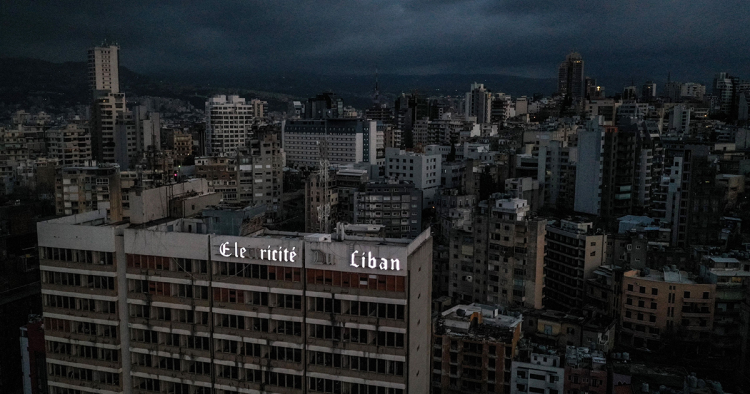
The formation of a new government in Lebanon — after more than a year of political deadlock and amid an economic crisis of dizzying severity — is a positive development. The scale of Lebanon’s economic challenges, however, requires a new government capable of breaking with its predecessors’ deliberate inaction. It necessitates strong and genuine political leadership, will, and action to tackle the country’s many pressing challenges, especially in its dysfunctional energy sector.