الجائحة والانكماش الاقتصادي والتحولات الجيوسياسية
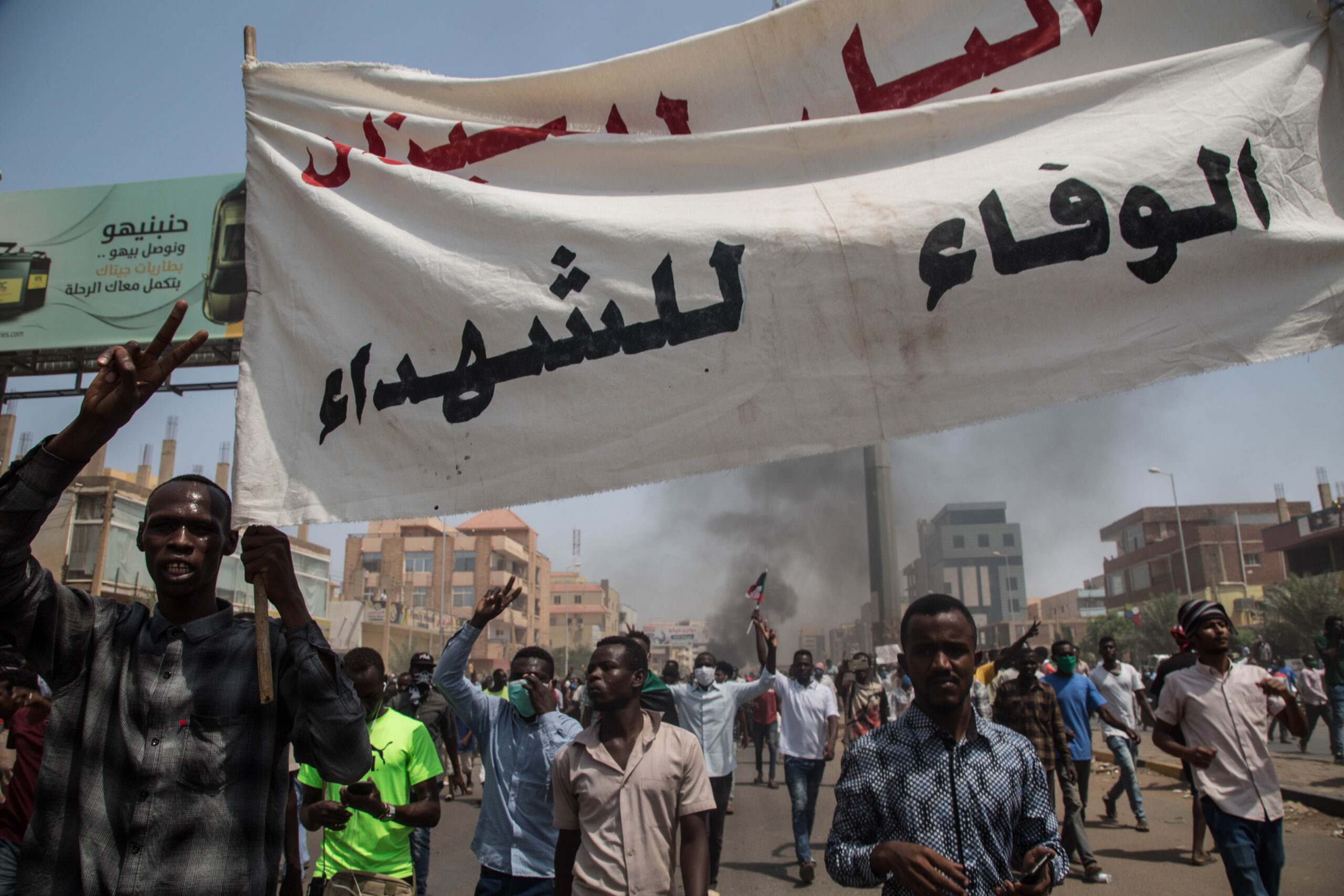
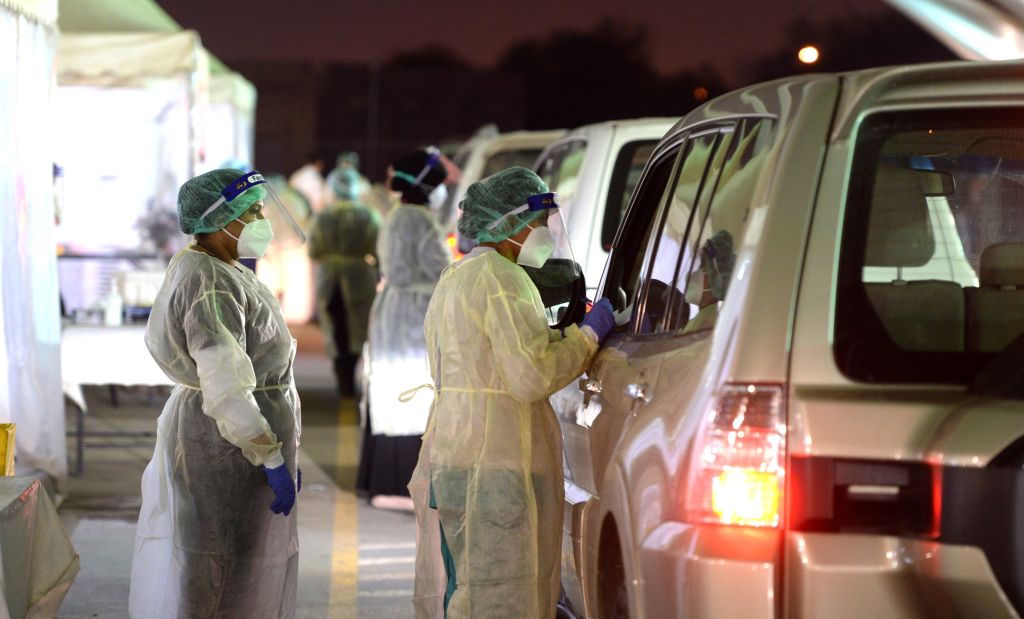
تميز عام 2020 في الشرق الأوسط بجائحة كوفيد-19، والتكلفة الاجتماعية والاقتصادية العميقة التي تتسبب فيها. والتحولات الإقليمية التي أحدثها تطبيع العلاقات بين إسرائيل وعدد من الدول العربية.
This individual is a guest contributor. MEI is not able to assist with contact requests.
Nabil Mohsen is an Intern at the Middle East Institute’s Oman Library. He is a determined learner who enjoys his studies in politics and is interested in Islamic history, architecture, and ceramics.
تميز عام 2020 في الشرق الأوسط بجائحة كوفيد-19، والتكلفة الاجتماعية والاقتصادية العميقة التي تتسبب فيها. والتحولات الإقليمية التي أحدثها تطبيع العلاقات بين إسرائيل وعدد من الدول العربية.
Iran’s internet shutdown last year was an exercise of its digital power that had been years in the making. Since 2013, the Iranian government has invested heavily in developing its domestic internet known as the National Information Network (NIN). With critical internet infrastructure under its control, the Iranian government can isolate its citizens from the global internet by filtering content, restricting communications, and controlling which platforms they can use.
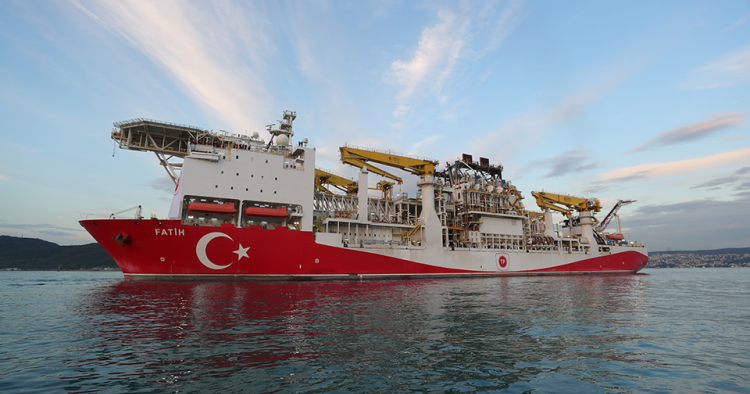
Less widely reported are other offshore discoveries in the Black Sea being made by various regional players, some more overtly than others. Given the not insignificant hurdles posed by limitations of technical capacity, a bounty of market supply, and unresolved conflicts leaving borders and exclusive economic zones (EEZs) in question, many are asking who’s campaigning for new Black Sea gas, and why? And just as importantly, whose national security interests stand best to gain?
In recent years, Islamophobia has been on the rise both in India and Sri Lanka. The spread of the Covid-19 pandemic in South Asia has also produced new forms of Islamophobia in New Delhi and Colombo. While governments around the world have played the blame game and typecast one ethnic group or community as the “super spreaders,” the stigmatization of the Muslim community in India and Sri Lanka has become normalized, cutting across different demographics.
نناقش في هذه الحلقة واقع ريادة الأعمال والاستثمار في المنطقة، وكيف تغيّر سلوك المستثمرين في ظل الجائحة، ونصائح لروّاد الأعمال والمستثمرين وصنّاع السياسة لبناء بيئة ريادية أفضل.
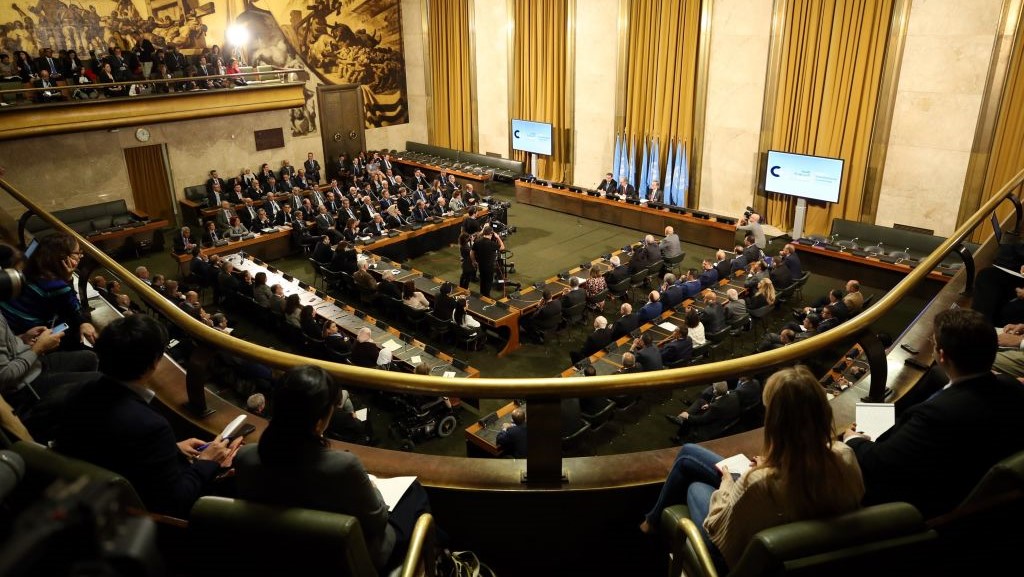
Under U.N. Security Council Resolution 2254, a critical step toward a political solution to the Syrian crisis is the drafting of a new Syrian constitution. To that end, the Constitutional Committee in Geneva has conducted three rounds of discussions, with little to show for it. One of the key components of the new constitution is the decentralization of power. The issue is hard for Syrians to approach objectively, however, because — depending on their class, ethnicity, and religion — they have been impacted by the highly centralized system of governance in vastly different ways. In order to understand the different views of Syrians on the issue of decentralization in a new constitution, The Day After (TDA), a Syrian organization that works toward empowering civil society, democratic transition, and justice in Syria, conducted a survey of 2,966 persons between June and July 2020, including Syrians within the country as well as in the diaspora. In general, support for a decentralized political system is on the rise. Compared to a survey conducted by TDA two years earlier, there was an increase of over 20 percentage points among all respondents for a decentralized system in Syria.
The Persian Gulf states are among the most vulnerable on earth to the effects of climate change, which makes environmental cooperation necessary for their survival. Located in one of the hottest and driest parts of the planet, the region is vulnerable to extreme heat waves, dust storms, and water scarcity. All of these will increase in frequency and severity with further climate change. Protecting the natural environment of the region is not just an ecological concern, but a security one as well. Unmitagated climate change could spur conflict over limited resources and produce waves of migrants. While the future may seem bleak, environmental cooperation also presents a unique opportunity for improving the relationship between the Gulf Cooperation Council (GCC) states and Iran. Successes from cooperation on essential environmental issues could be the start of a more general rapprochement.
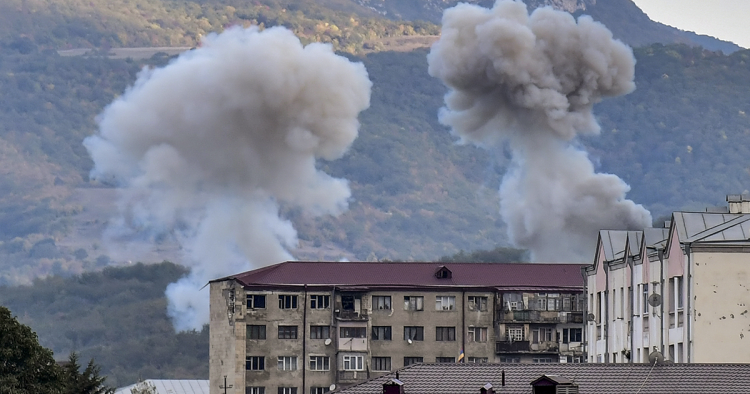
We are moving toward a new status-quo in the South Caucasus, with different actors facing different challenges as well as opportunities. Georgia will be impacted by the outcome of the war in multiple ways, and the country will need a strategy to adapt to the new realities, taking into consideration gains and losses of the parties actively involved in the conflict, as well as post-conflict development.
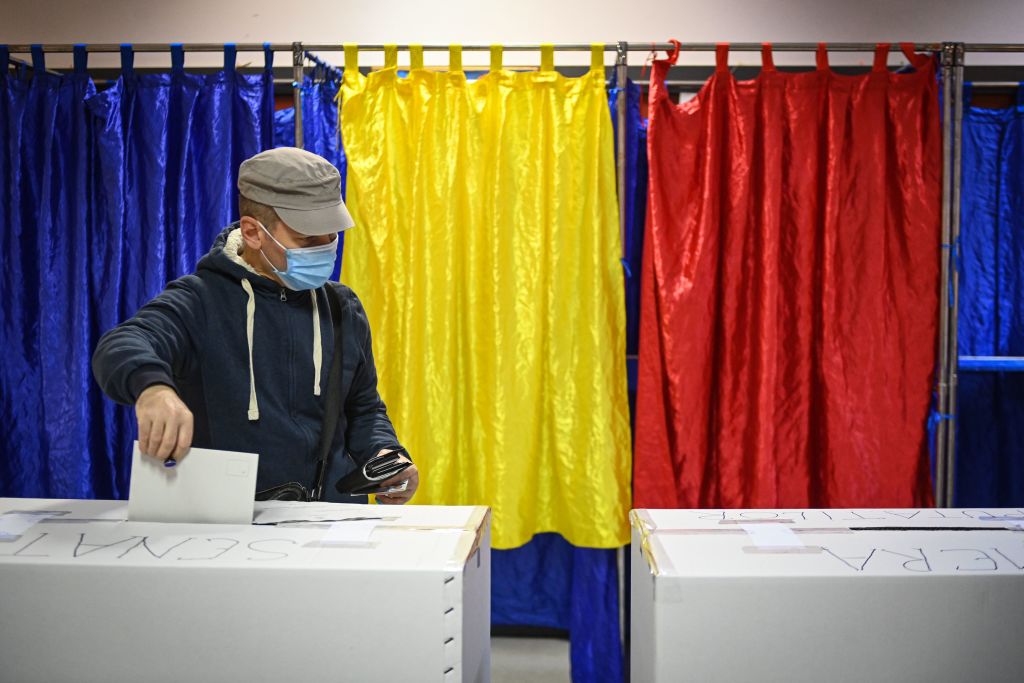
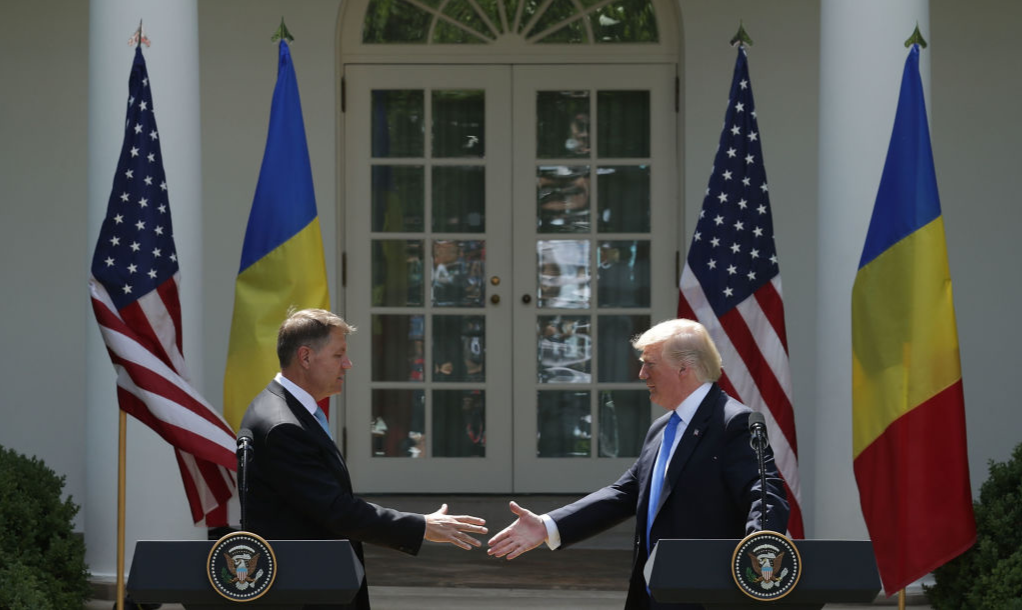
Romania is one of Eastern Europe’s largest countries. It also happens to be — alongside Poland — one of Europe’s most pro-Western electorates. However, results of Sunday’s legislative elections suggest Romania could once again be entering murky political waters.
Artists Asim Ahmed, Reem Aljeally, and Jamila Rizgalla join guest host Lyne Sneige to discuss the challenges facing artists across the region during the global pandemic. Their works are featured in MEI’s first ever open call exhibition, titled “Art in Isolation: Creativity in the Time of Covid-19,” which is on display at the MEI Art Gallery until January 29. The pieces can also be viewed and are for sale online.
The Black Sea region is home to some of America’s strongest allies and most vocal advocates of continued Euro-Atlantic cooperation and integration. The Trump Administration’s commitment to the region has led with U.S. support for regional security. It is in America’s national interest to double down on the successes of the Trump Administration’s regional economic engagement strategy, and establish trade and investment initiatives as the forefront of U.S. policy toward the Black Sea region.
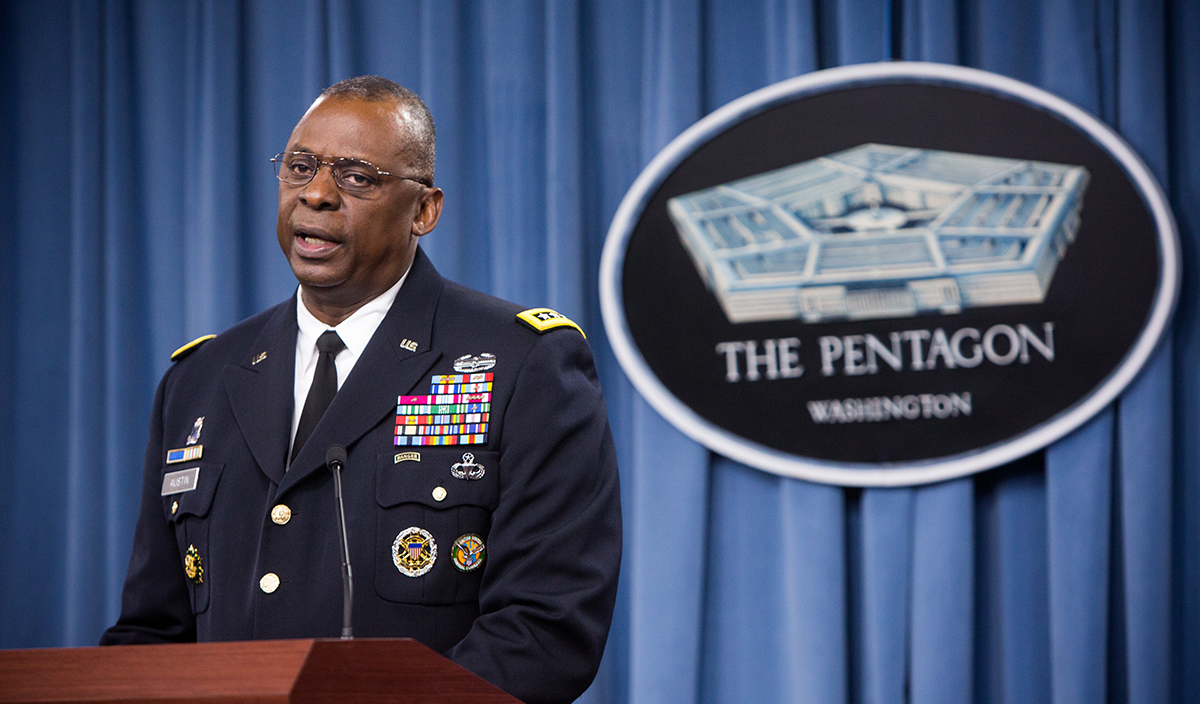
For someone who’s on the record strongly supporting Michèle Flournoy, the former under secretary of defense for policy in the Obama administration, to serve as President-elect Joe Biden’s secretary of defense, I don’t believe the choice of Lloyd Austin is as troubling as many portray it to be. He’s an impeccable and loyal public servant who will bring a wealth of relevant experience to the job. He is more than qualified. And he enjoys the full trust of Biden, which is indispensable.
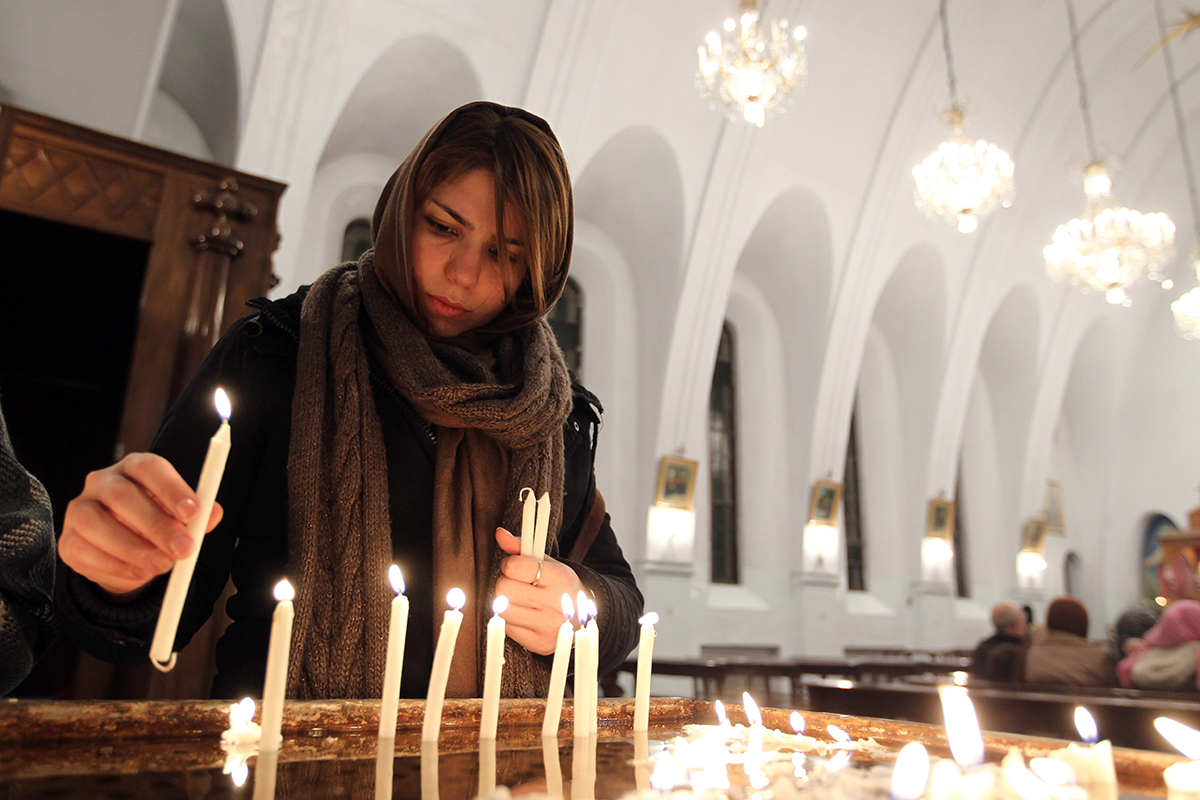
the reality of life for religious minorities in the Islamic Republic of Iran has proven very different, as many Iranians will attest, regardless of their political or religious viewpoints. One recent illustration is the 80 lashes given to two Christian converts in the past two months for drinking wine as part of Holy Communion. One of these converts is currently serving a six-year prison sentence; the other is in internal exile, having already spent two years in prison. The charge against them? “Acting against national security by establishing house-churches and promoting ‘Zionist’ Christianity.” In the regime’s eyes, these converts, and all others like them — a recent survey suggests there may be as many as 1 million — are no Christians. They are erring Muslims. So any punishment is justified.And in spite of what regime figures like to say about the “tolerance” of the Islamic Republic, from the early days of the revolution — as soon as they were firmly in power — the ayatollahs began a crackdown on civil and religious liberties.