Making sense of the Taliban’s counterterrorism assurances
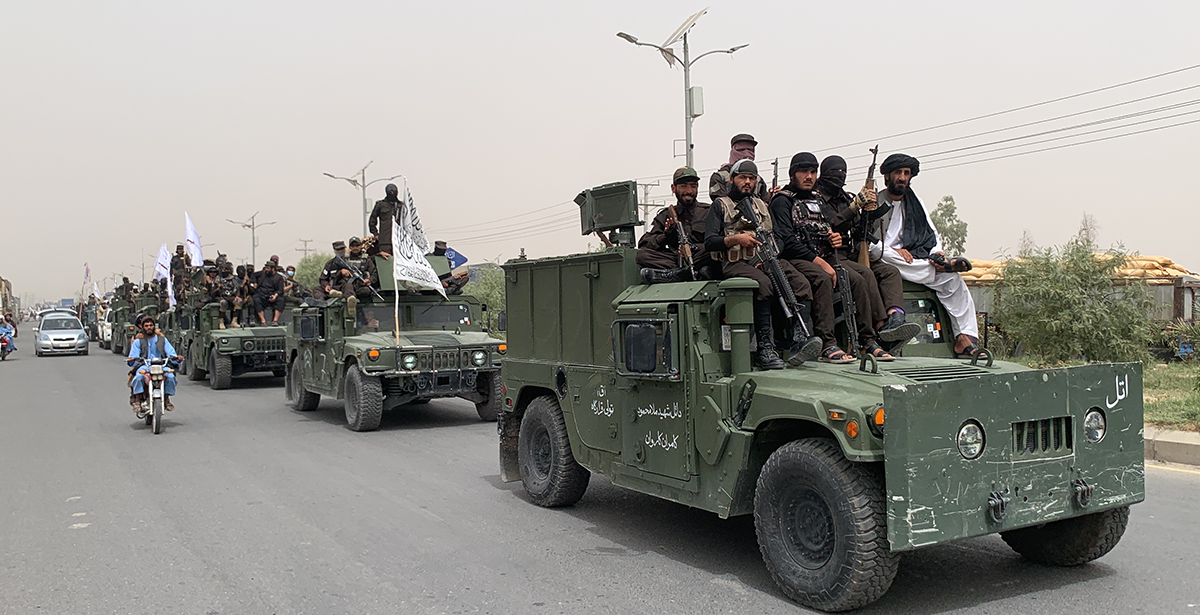
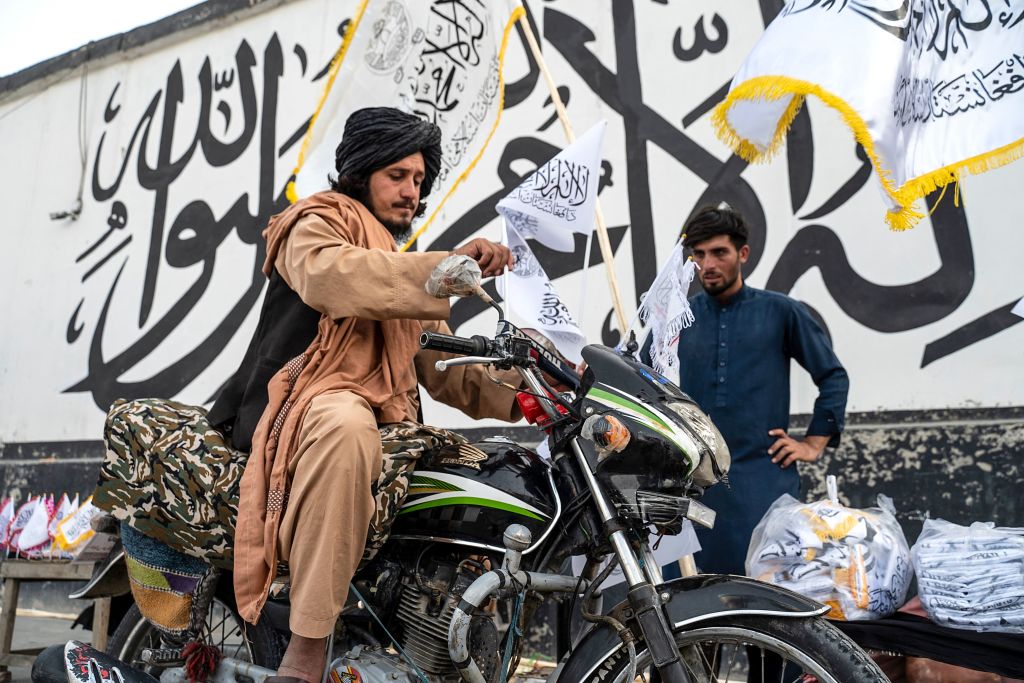
Two years on from the Taliban’s takeover of Kabul, Afghanistan’s neighbors are increasingly concerned that their return to power has emboldened terrorist groups and networks, which are using the hospitable environment to regroup, rearm, and recruit substantially. The main question now for Afghanistan’s neighbors in the region, and the international community more broadly, is just how reliable the Taliban’s counterterrorism assurances to other states really are.
Power cuts in Egypt: A political liability for Sisi ahead of the upcoming elections
A brutal heat wave tormenting Egypt since mid-July, resulting in lengthy and repeated power cuts, has turned into a political liability for President Abdel-Fattah el-Sisi ahead of his expected campaign to run for a third, six-year term early next year.
Peshmerga reform hangs in the balance in Iraq’s Kurdistan Region
Efforts to reform the Iraqi Kurdish security forces known as the Peshmerga are at serious risk of failing. Tensions between the ruling parties of Iraq’s Kurdistan Region are not new, but the working relationship between the leaders of the Kurdistan Democratic Party and the Patriotic Union of Kurdistan has collapsed over the past year. As a result, officials within the Ministry of Peshmerga Affairs are no longer capable of preventing the politics of partisan self-interest from consuming the reform project. The prospects for the depoliticization and unification of the Peshmerga have rarely seemed more remote.
A Saudi-Israel Deal Could Pay Dividends for the Global Economy
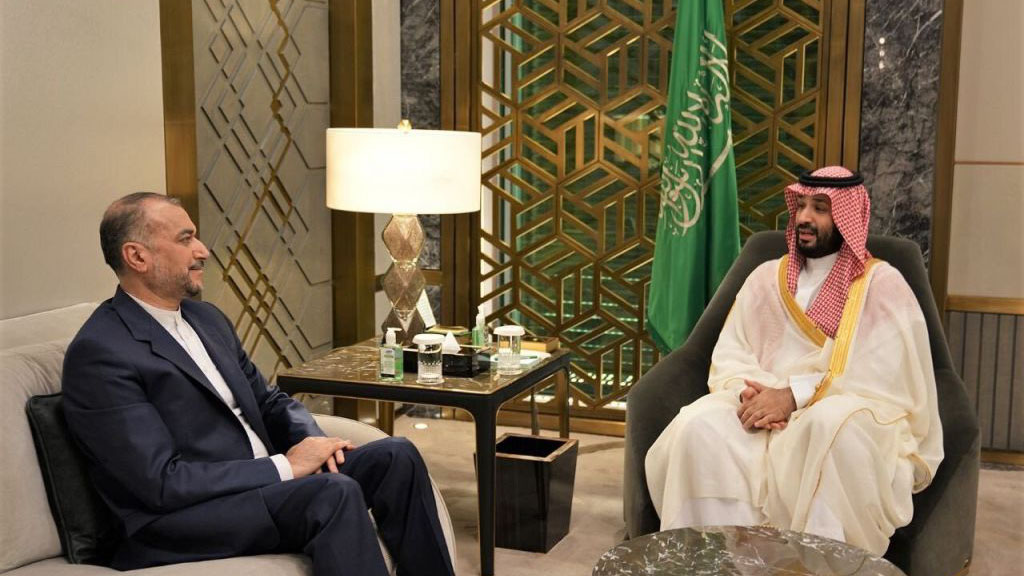
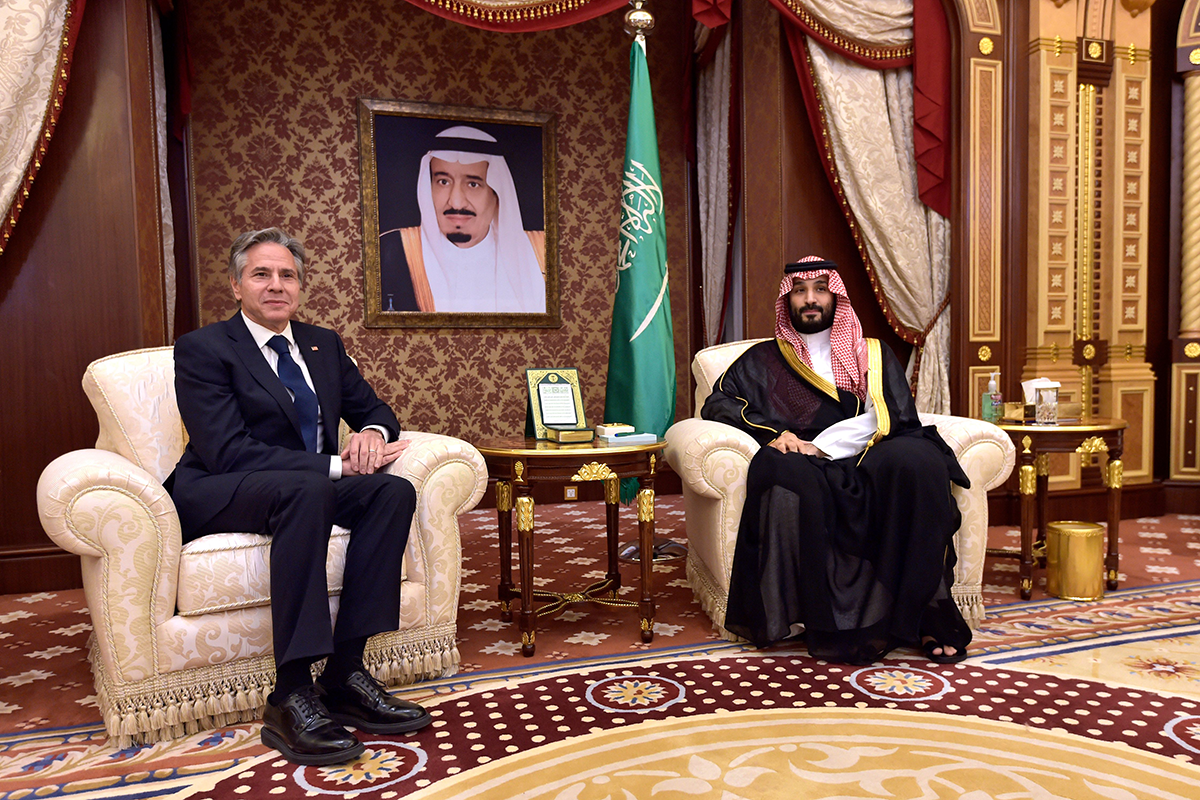
The Biden administration is working on a deal between Israel and Saudi Arabia that could be a game changer for the Middle East. Such an opening would show just how much the tectonic plates in the region are shifting away from regional tensions, civil wars, and threats from terrorism toward a new, more promising phase of greater stability and prosperity.
Impossible choices and routine tragedies: The Syrian refugee crisis at 13
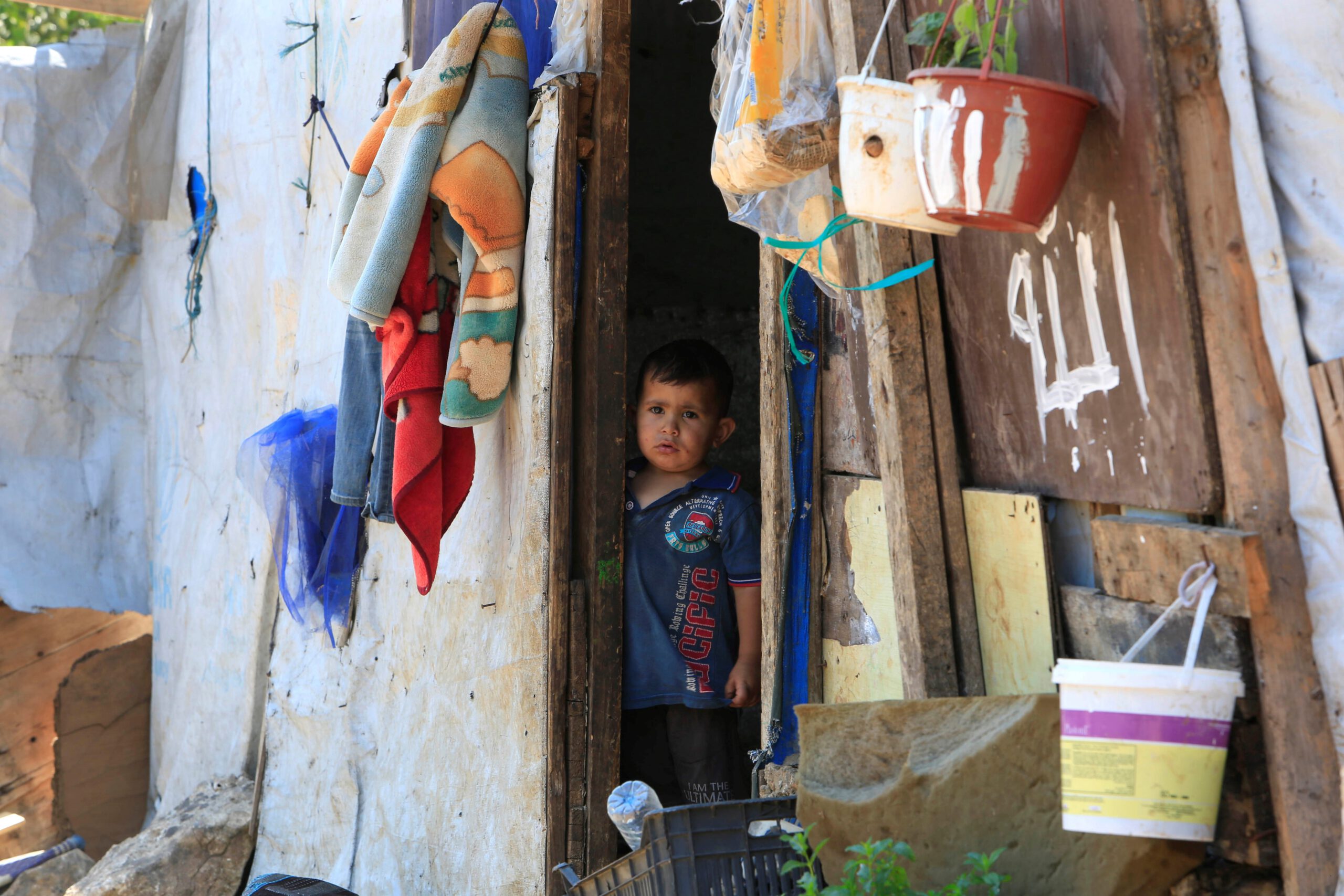
There are currently over 5.34 million Syrian refugees dispersed in camps, collective shelters, and poor neighborhoods across Lebanon, Turkey, Iraq, Jordan, and Egypt. Many make desperate attempts to find refuge in Europe. Instead of adopting repressive measures and discriminating against these individuals, the U.S. and European countries should work with regional partners and non-governmental organizations to limit the danger to refugees and IDPs.
Syria’s economic freefall continues despite Arab League return
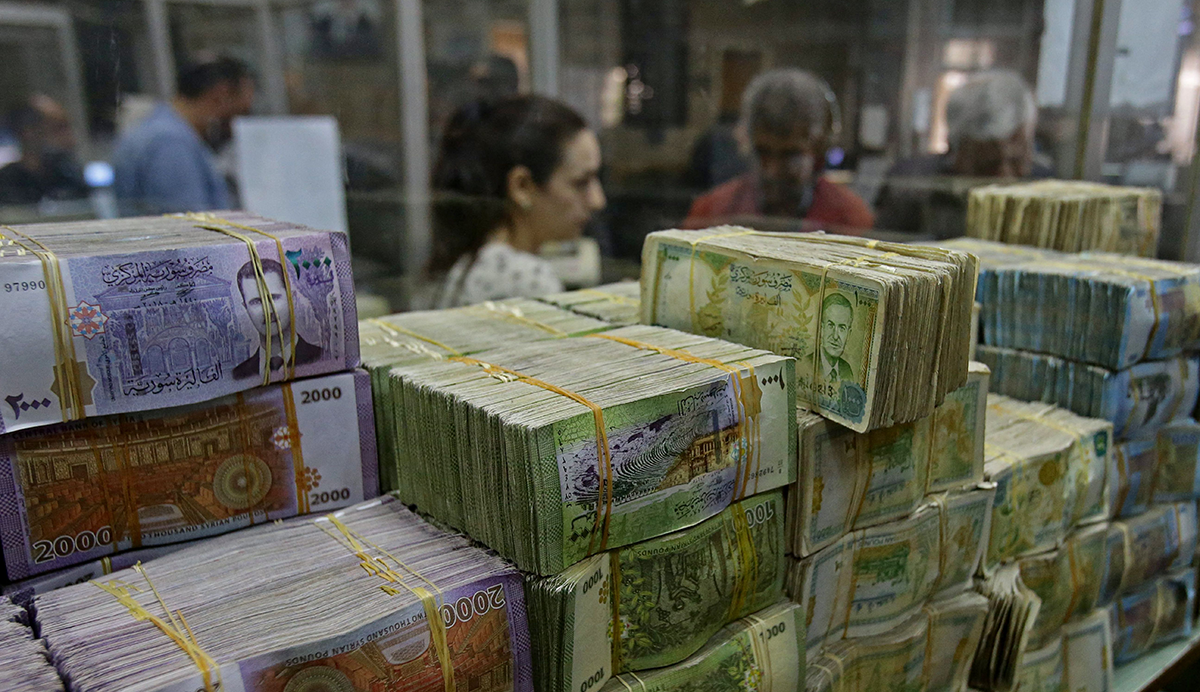
Syria’s dramatic readmission into the Arab League in May was perceived as a turning point for the country’s fortunes. Although Damascus may have come in from the cold diplomatically, there has been little change on the economic front, where the situation remains dire. Since the start of May, the Syrian pound has lost over 70% of its value and shows no sign of stabilizing.
Kawkaba: Highlights from the Barjeel Art Foundation, a new exhibition of works by artists from across the Middle East and North Africa that opened recently at Christie’s in London, bears the name of the Arabic word for constellation. Fittingly, it shines a light on the region’s mid-century moment when art was often part of a process of post-colonial nation building. The exhibition is a star-studded journey through the region’s 20th century histories and aesthetics, showcasing lesser-known artists along with the greats.
The successes and failures of Turkey’s new economic team
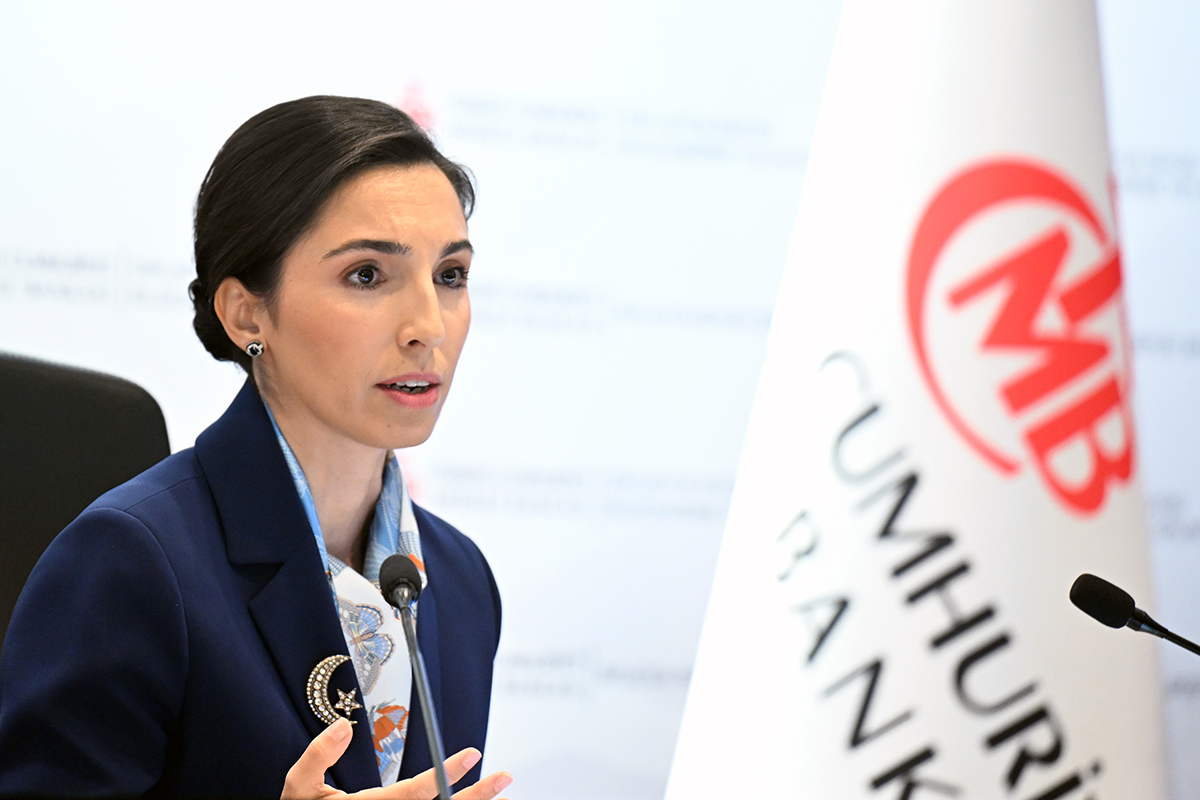
It has been two months since Turkey’s new economic team took over and some progress has been made. Market normalization has begun and the risk of a balance-of-payments crisis has been reduced. At the same time, however, inflation is gaining new momentum, the budget deficit is sharply worsening, and no reform agenda has yet been announced to tackle these threats.
Alawites in Syria breaking silence?: Criticizing the dictatorship from within
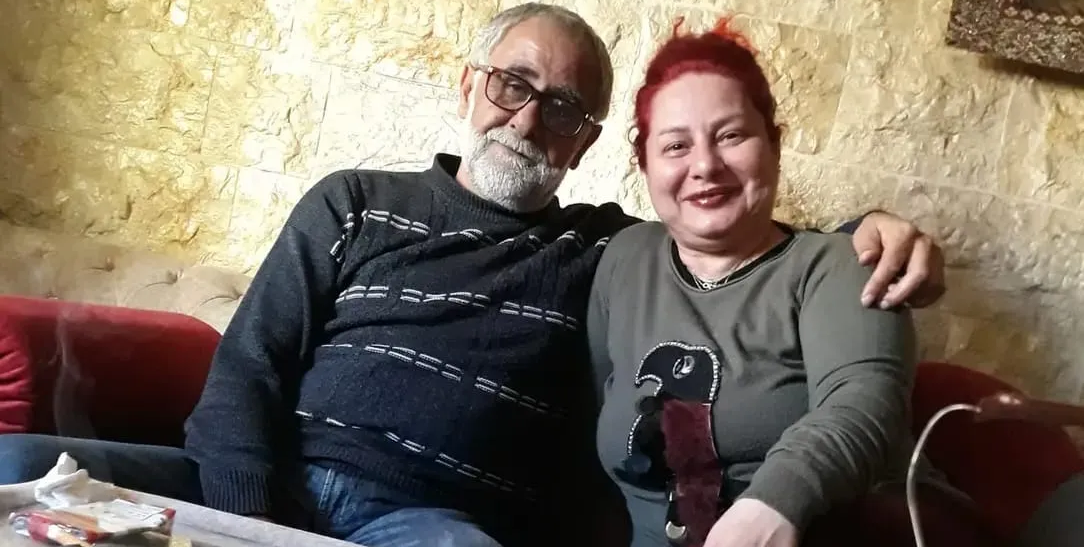
Recently, a notable trend has emerged among Alawites in Syria’s Assad regime-held areas, including those from powerful families. Writers, journalists, and rank-and-file Alawites have taken to social media platforms to express their deep frustration with the regime’s economic policies and the centralized nature of the dictatorship under President Bashar al-Assad, as well as his wife Asma al-Assad’s outsized influence and corruption linked to her secretive “economic council.”
Five factors to watch in US diplomatic efforts on a possible Israel-Saudi deal
Forging a deal establishing open, normal bilateral ties between Saudi Arabia and Israel would be a major feat with plenty of potential perils along the way — the diplomatic equivalent of climbing Mount Everest. If done right, the result would be historic and transformative for the Middle East with positive geopolitical repercussions. Here are five factors to watch as the Biden administration continues its efforts to produce a major diplomatic breakthrough in the region.
Japan looks to the Gulf as it bets big on hydrogen
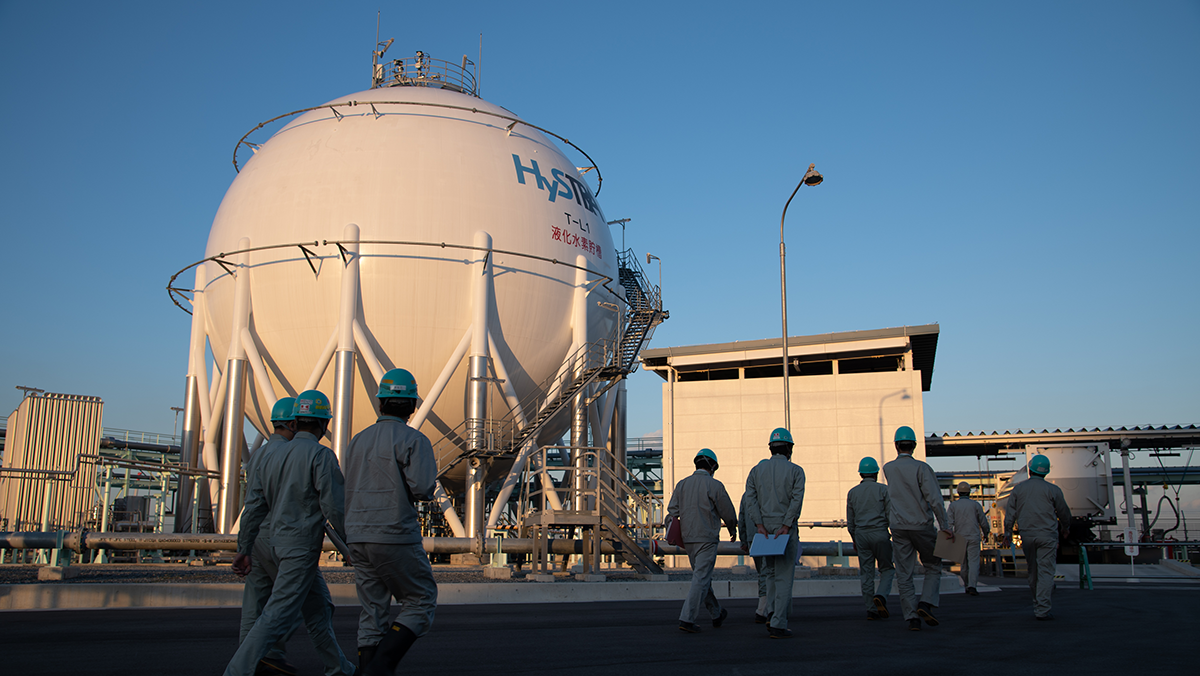
As a trailblazer in hydrogen diplomacy, Japan is seeking to develop a new pattern of energy interdependence with its longstanding partners, the Gulf Arab states — countries that are promising production bases for and exporters of green hydrogen and ammonia, and whose leaders have come to regard the development of clean hydrogen as an attractive way to diversify their economies.
Amid a long, hot summer, Israel finds itself in uncharted territory
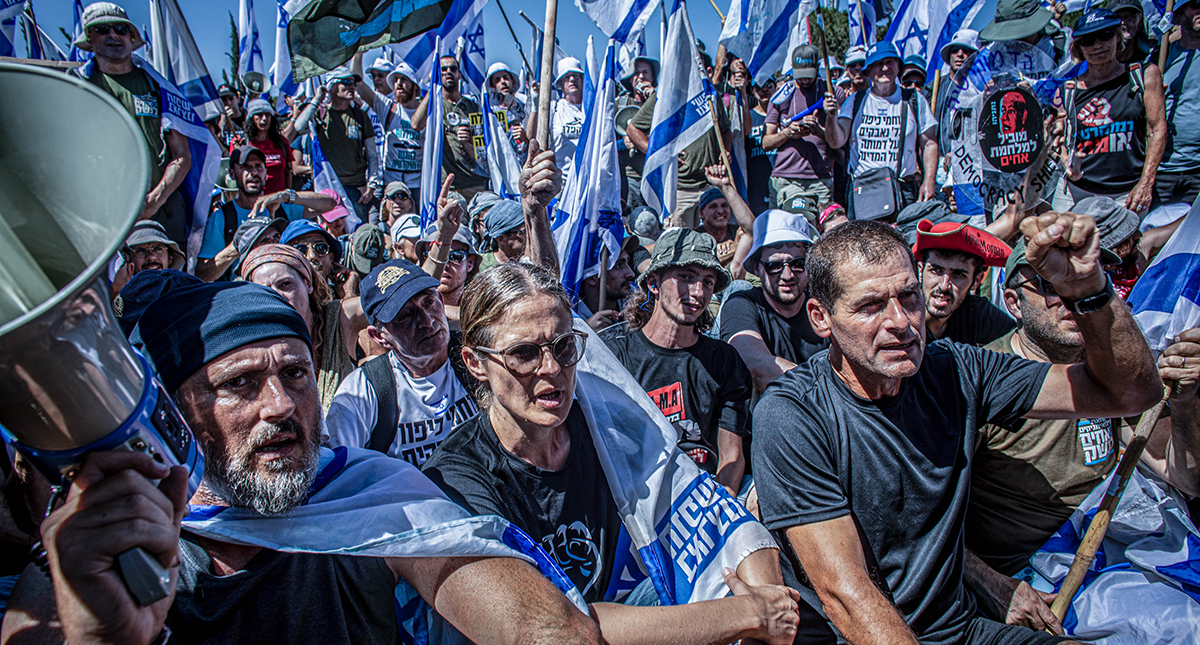
It’s been a long, hot summer in Israel, not only because of the multiple heat waves, but also due to the domestic political developments that have been heating up throughout 2023 and are now reaching a boiling point. With the Supreme Court gearing up to make highly consequential decisions in September and the Knesset in recess until mid-October, it is a good time to look back at all that Israel has gone through since the beginning of the year. For some on the Israeli right, it is a midsummer night’s dream come true, but for a large number of Israelis, it seems like more of a nightmare.