This individual is a guest contributor. MEI is not able to assist with contact requests.
Ragui Assaad is Professor at the Humphrey Institute of Public Affairs at the University of Minnesota. He has written extensively on labor market and youth issues in the Middle East and North Africa. The author acknowledges the able research assistance of Stefan Johansson in the preparation of this essay.
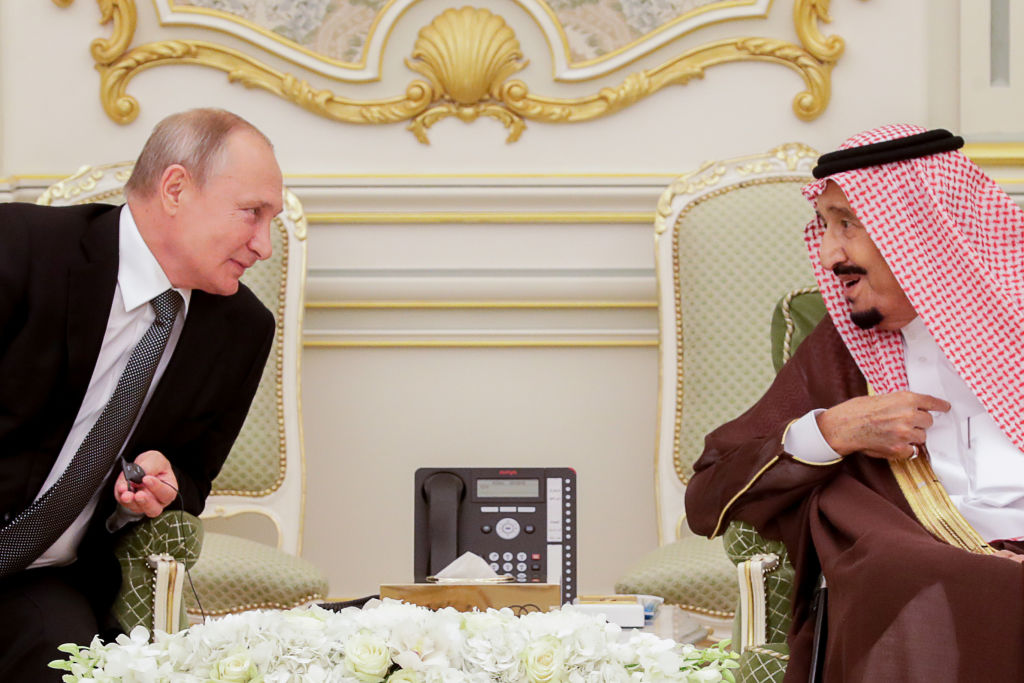
Putin reaps benefits of Trump’s Middle East policy collapse
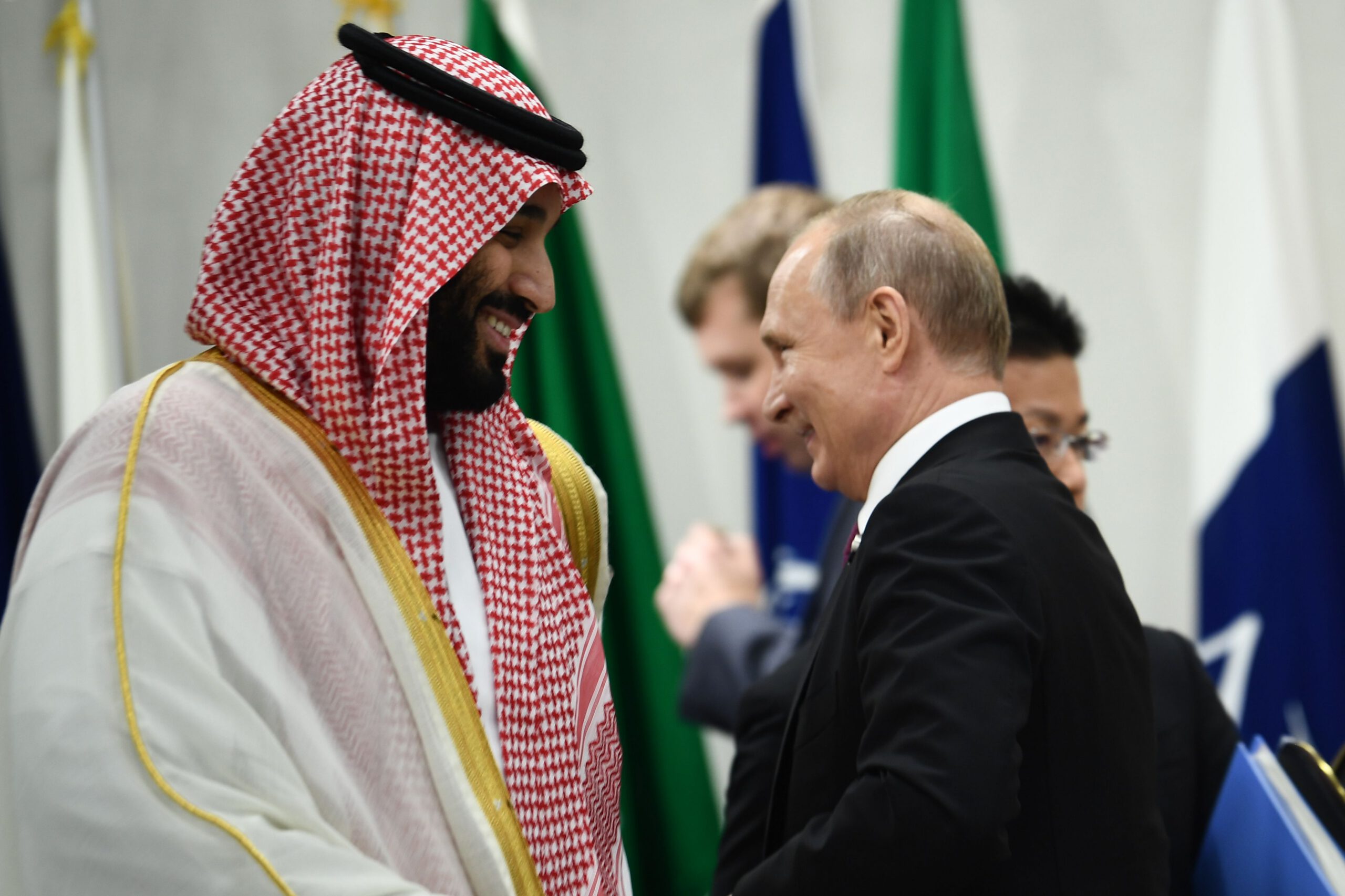
Putin’s visit to Saudi Arabia and the UAE takes place as the U.S. position in the Middle East collapses in the face of a series of misjudgments and “own-goals” by the Trump administration.
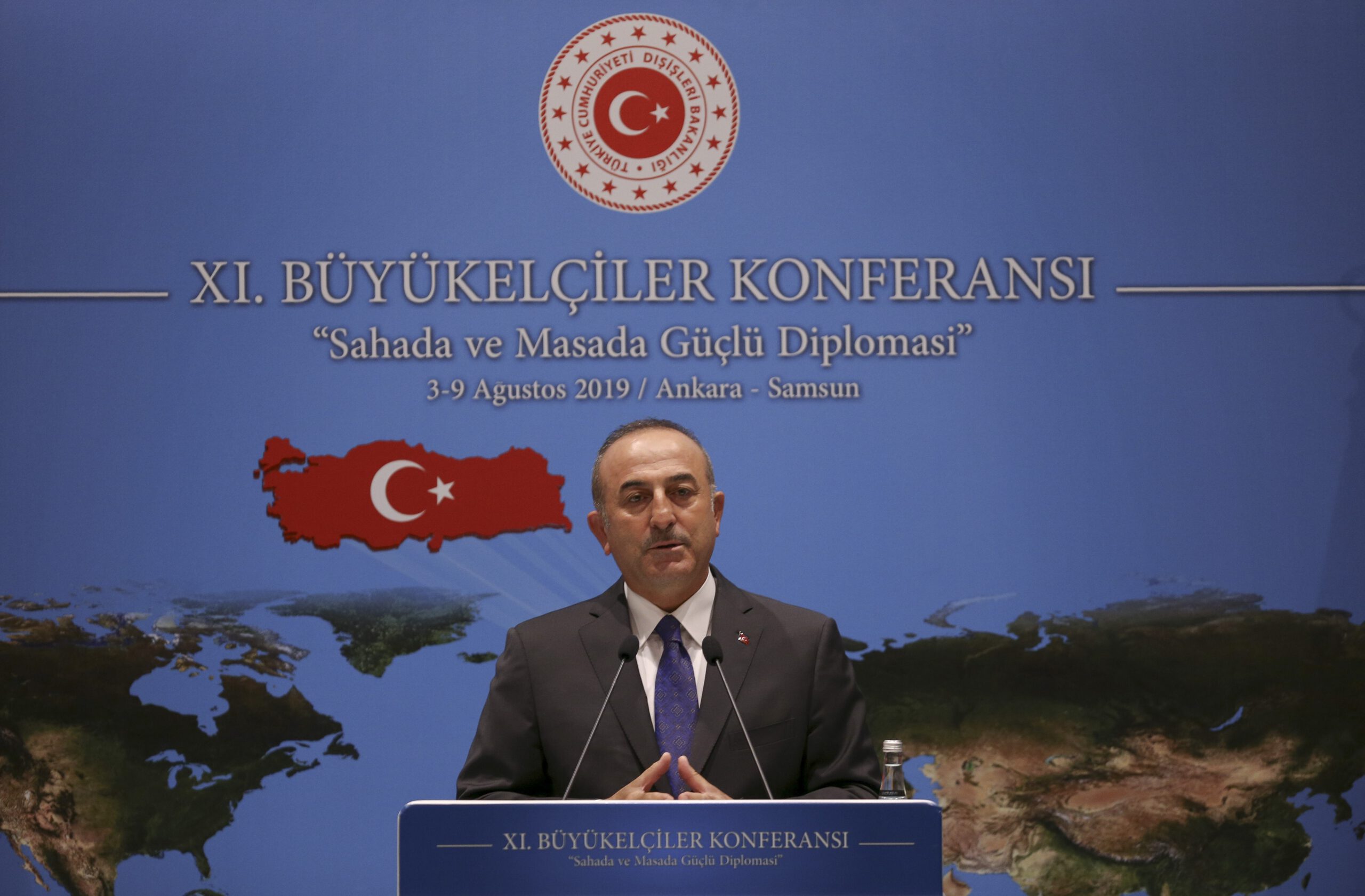
Turkey’s Asia Anew Initiative: Assessment and Shortcomings
On August 5, 2019 Turkey’s Foreign Ministry launched the Asia Anew initiative, whose declared aim is to give greater weight to cooperation with Asian countries in four substantive areas. This article shows that, although few details have emerged regarding how Ankara intends to implement this initiative, there is nonetheless sufficient reason to question whether it is viable or sustainable.
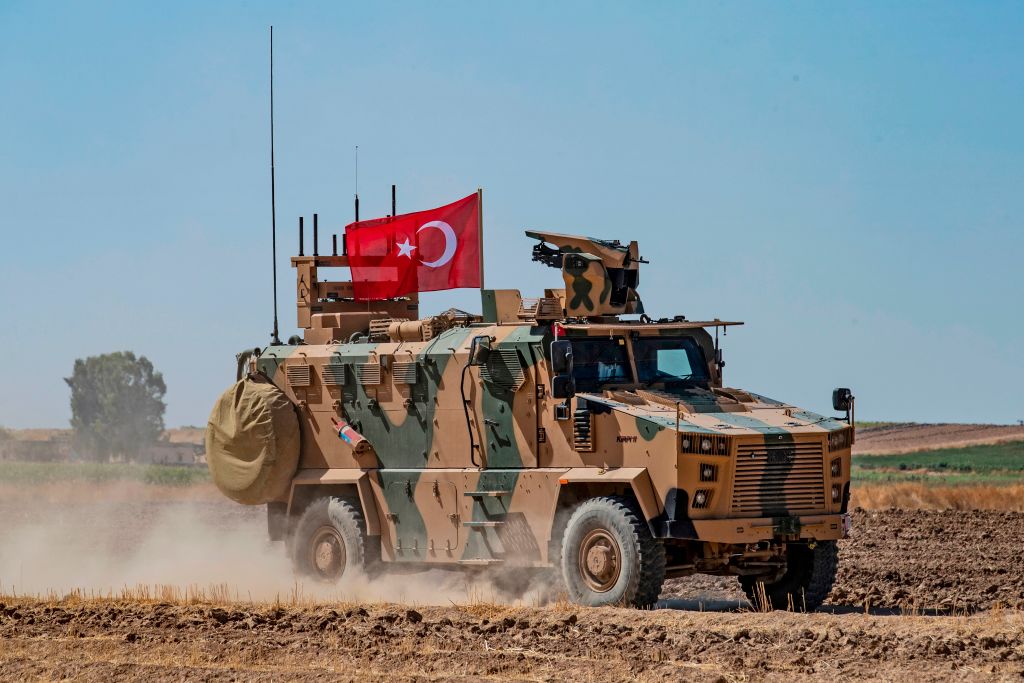
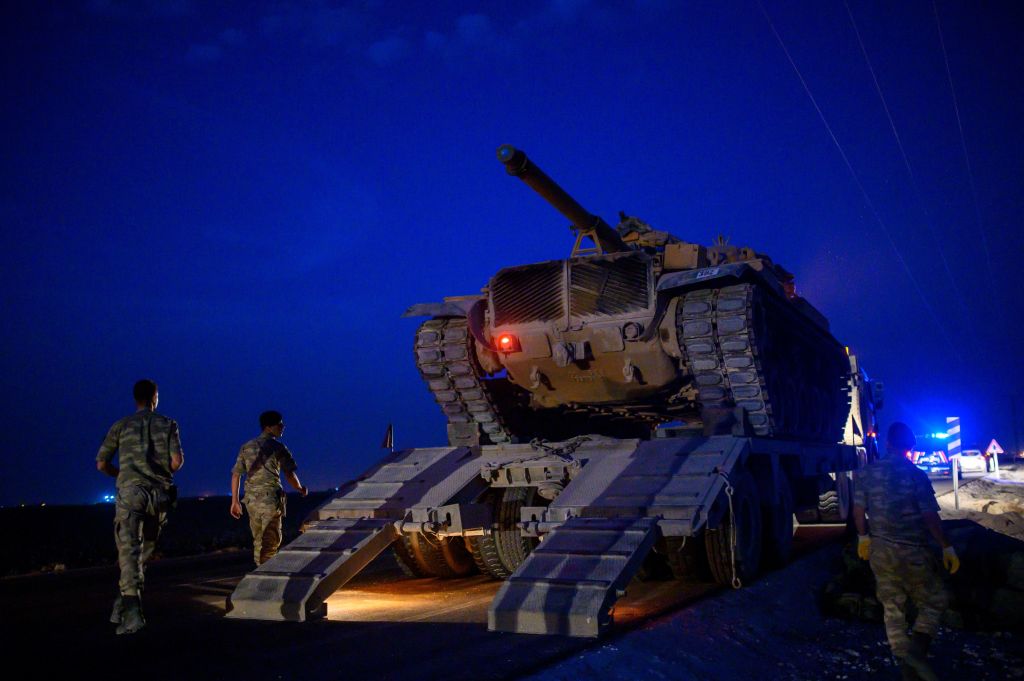
In a stunning announcement on Sunday, the Trump administration gave the nod to a Turkish military incursion into northeastern Syria, an operation that would entail clashes with Washington’s Kurdish allies in the area. The U.S. military, which has around 1,000 troops in Syria, would not “support or be involved in the operation.” But the White House said it would pull back U.S. forces stationed near the Syrian-Turkish border to clear the way for Ankara’s troops.
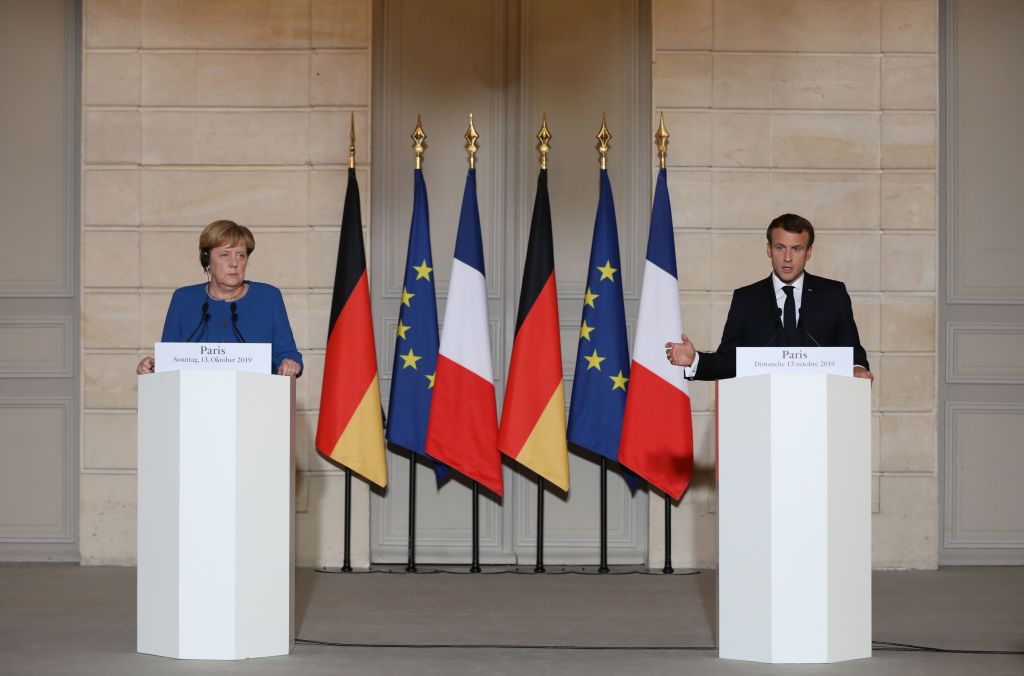
The Turkish offensive in northern Syria: The view from Europe
The Turkish offensive against Syrian Kurdish forces could result in a military success, but it will also seriously damage Turkey’s image in Europe and elsewhere.
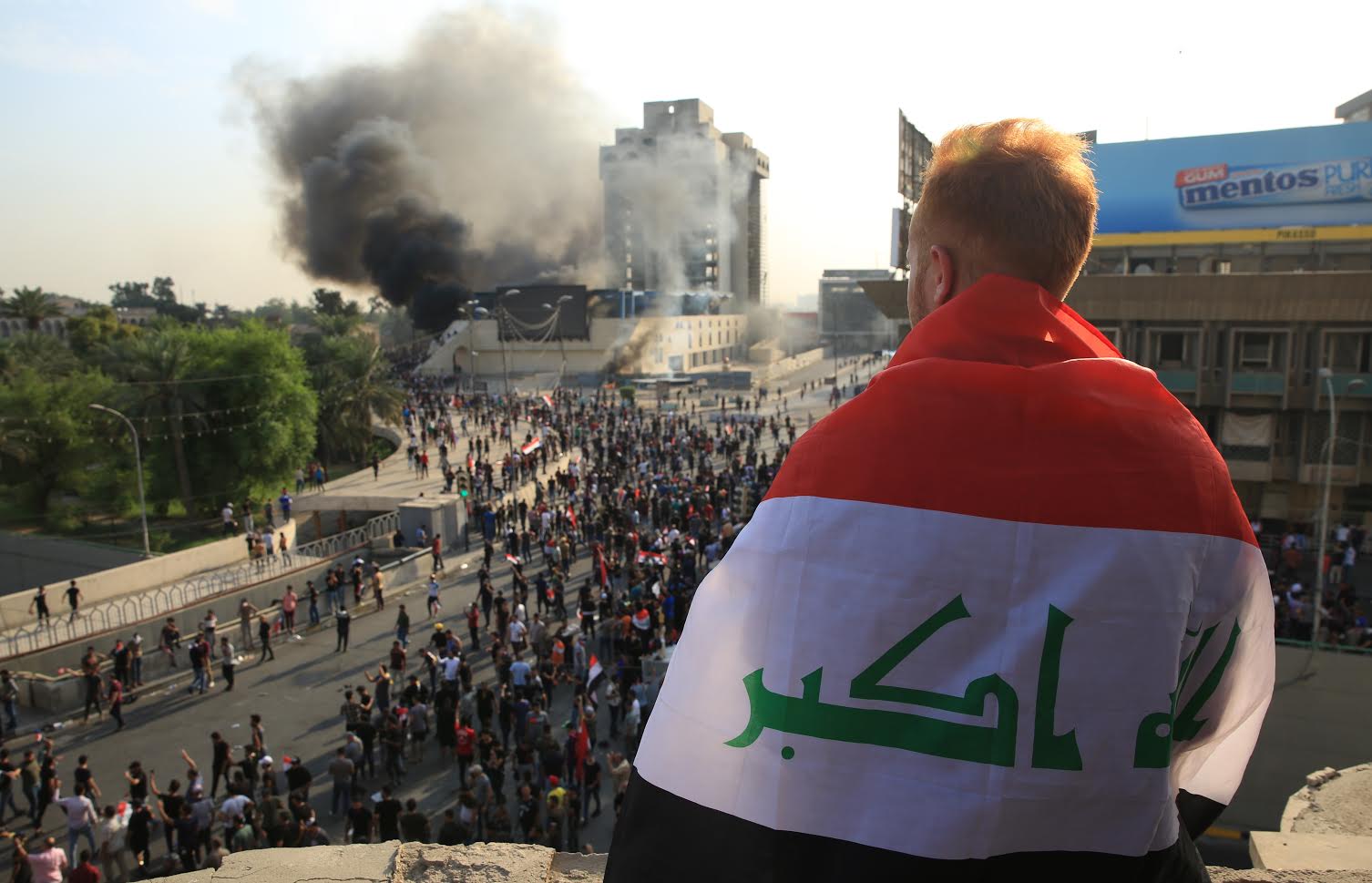
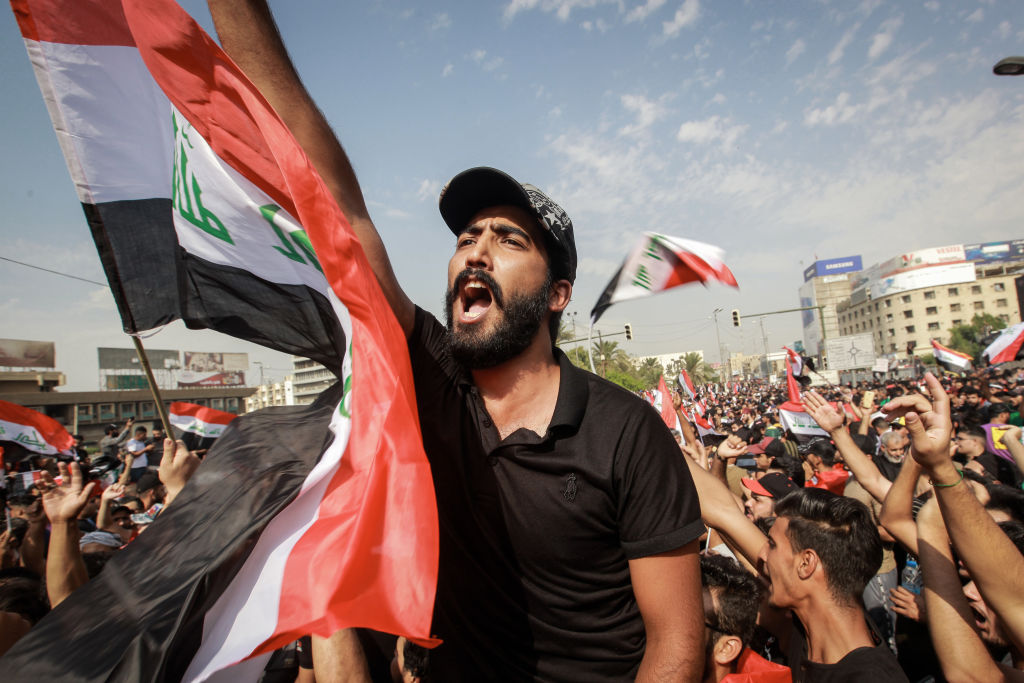
Iraqi youth protesters: Who they are, what they want, and what’s next
“We reached a level of injustice we could no longer take. For every action, there is a reaction,” explained one civil society activist following the Oct. 1 outbreak of protests in Baghdad and central and southern Iraq.
Washington has a hard long-term choice when it comes to Syria. The best chance for an optimal solution through a negotiated political deal was lost years ago. The U.S. now must choose a policy which will yield only a “least-bad” result.
Broken Partnerships: Can Washington Get Security Cooperation Right?
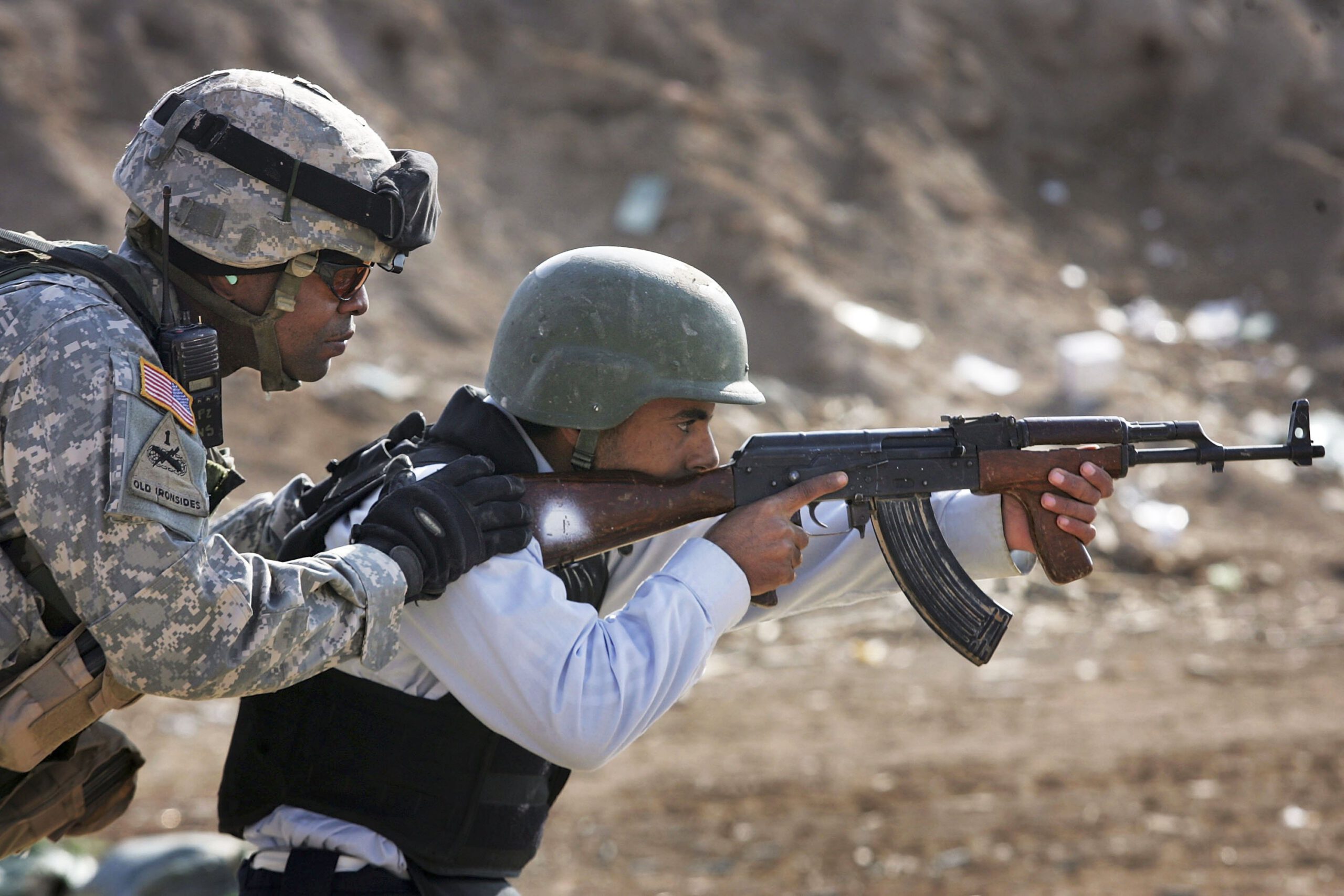
The erosion of U.S. global hegemony in recent years is rarely a matter of dispute among American strategists. The United States has lost its preeminence in part because others, most notably China, have caught up, but also because it has overextended and exhausted itself abroad, leading to budget constraints, rightist populism, and acute political polarization at home.
Operation Peace Spring: The Situation in Northeastern Syria
MEI Senior Fellow W. Robert Pearson and Non-resident Scholar Elizabeth Dent join host Alistair Taylor to discuss the Turkish incursion into northeastern Syria following the sudden withdrawal of US troops from the Turkish-Syrian border earlier this week.
Putin’s visit to Riyadh could help shape the next chapter of Russia-Saudi relations
President Vladimir Putin heads to Riyadh to try to pry loose multi-billion-dollar investments that Saudi Arabia has pledged to Russia but failed to deliver on. Putin also hopes to persuade the kingdom to increase two-way trade.
Fair competition is needed to economically empower women in the Arab world
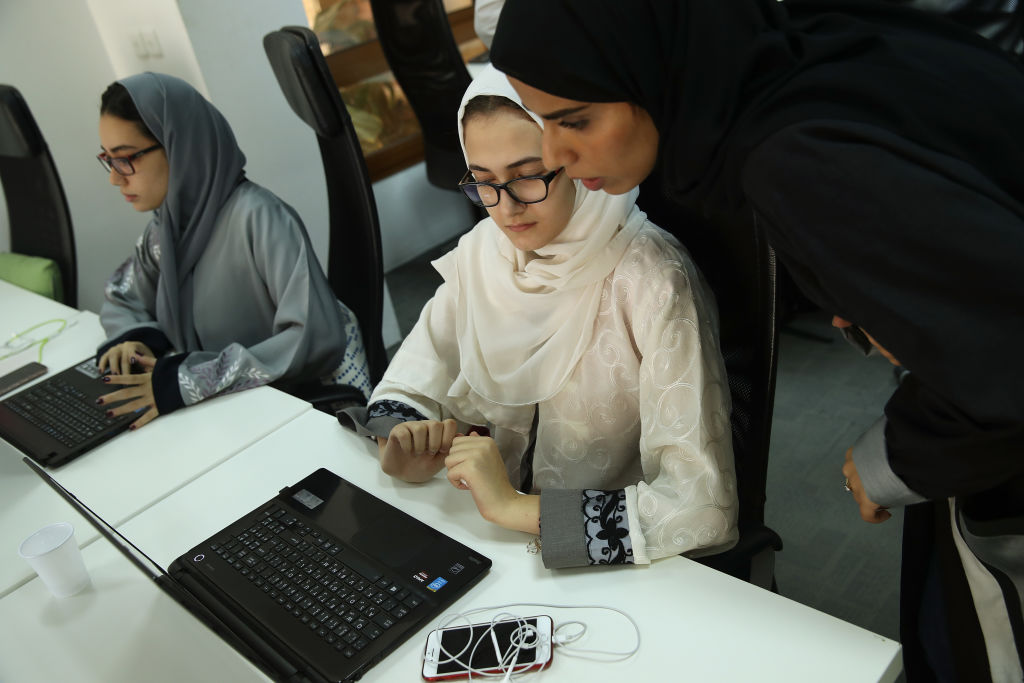
Female labor force participation levels in Arab countries are the lowest in the world — despite the rising educational attainment of women reaching working age. Indeed, young women across the Arab world exceed the education levels of young men, who are worrisomely falling behind. Remedying the underrepresentation of Arab women in the labor force and reviving the educational motivation of young men are both social and economic imperatives.
China-Iraq Relations: Poised for a “Quantum Leap”?
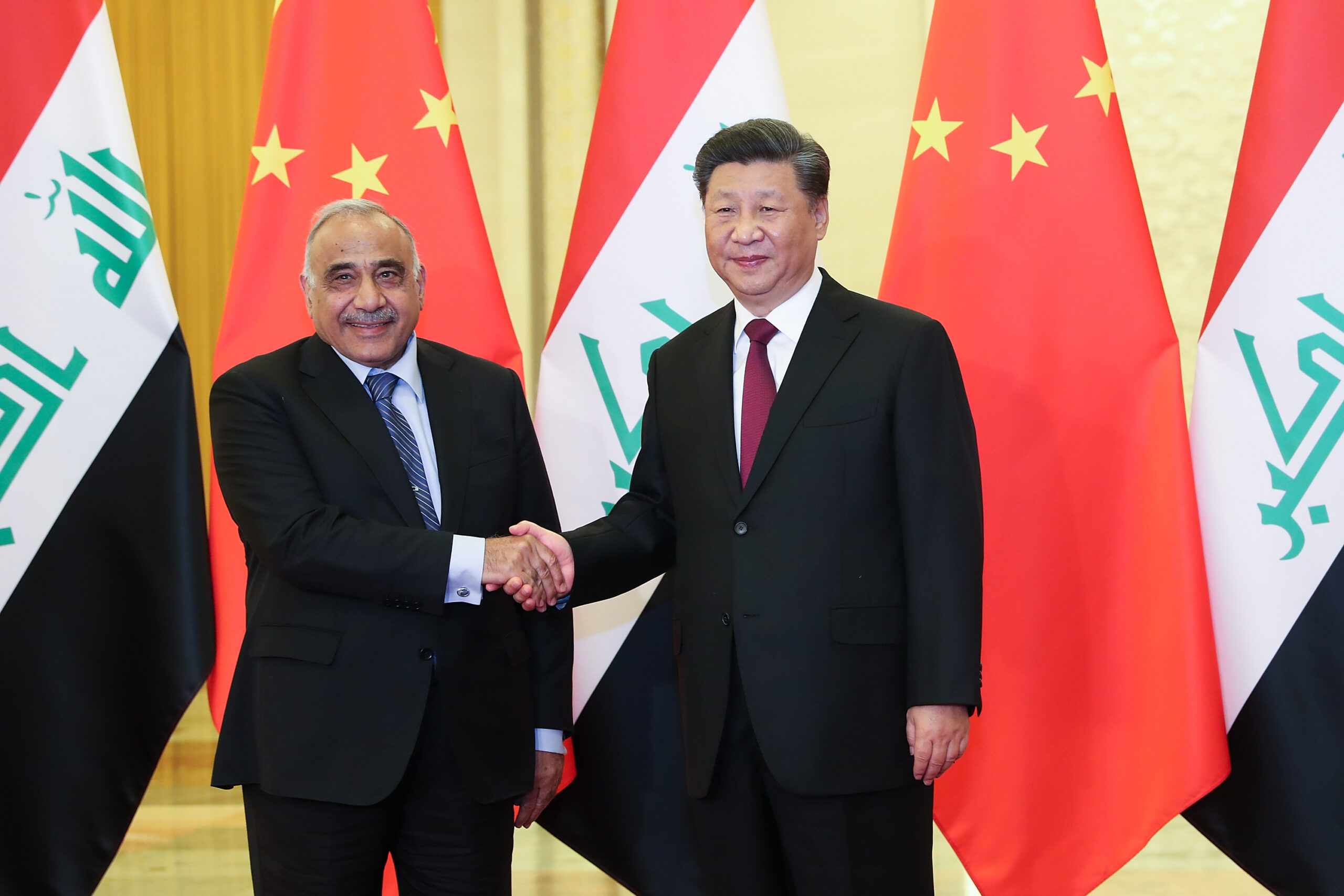
Upon arriving in Beijing on September 19 at the head of a 55-member delegation, Iraq Prime Minister Adel Abdul-Mahdi described the visit to China as heralding a “quantum leap” in bilateral relations. The five-day visit culminated in the signing of eight wide-ranging memoranda of understanding (MoUs), a framework credit agreement, and the announcement of plans for Iraq to join China’s Belt and Road Initiative (BRI). Since then, however, a wave of angry anti-government protests have swept across much of Iraq, leaving more than 100 dead and thousands wounded — a vivid reminder of the country’s ongoing struggle for stability and of the obstacles to the further consolidation of China-Iraq relations.