This individual is a guest contributor. MEI is not able to assist with contact requests.
Rebecca Anne Proctor is an independent journalist, editor, author, and broadcaster based in Dubai and Rome, from where she covers the Middle East and North Africa. She is the former editor-in-chief of Harper’s Bazaar Art and Harper’s Bazaar Interiors.
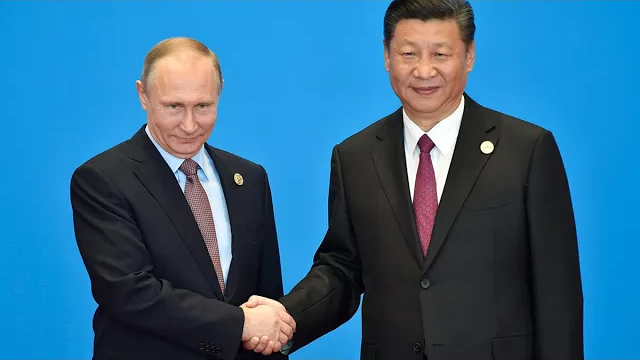
Li-Chen Sim on the China-Russia relationship and its impact on the Middle East
Li-Chen Sim, a non-resident scholar with MEI’s Economics and Energy program, discusses the findings of her recent publication, “Great power projection in the Middle East: The China-Russia relationship as a force multiplier,” co-authored with Jonathan Fulton.
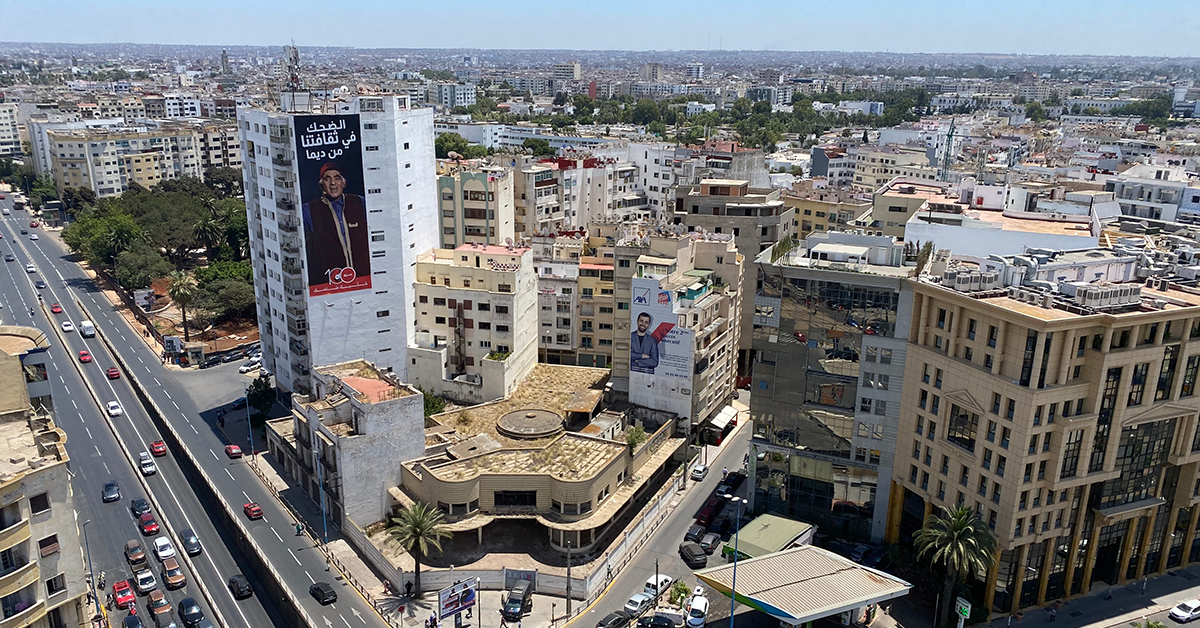
The Moroccan economy through the Doing Business Index
Over the past decade, Morocco made great progress in climbing up the global Doing Business Index (DBI), jumping from the rank of 130 in 2009 to 53 in 2020. Yet, Morocco’s improved DBI ranking did not correlate with significant economic improvement.
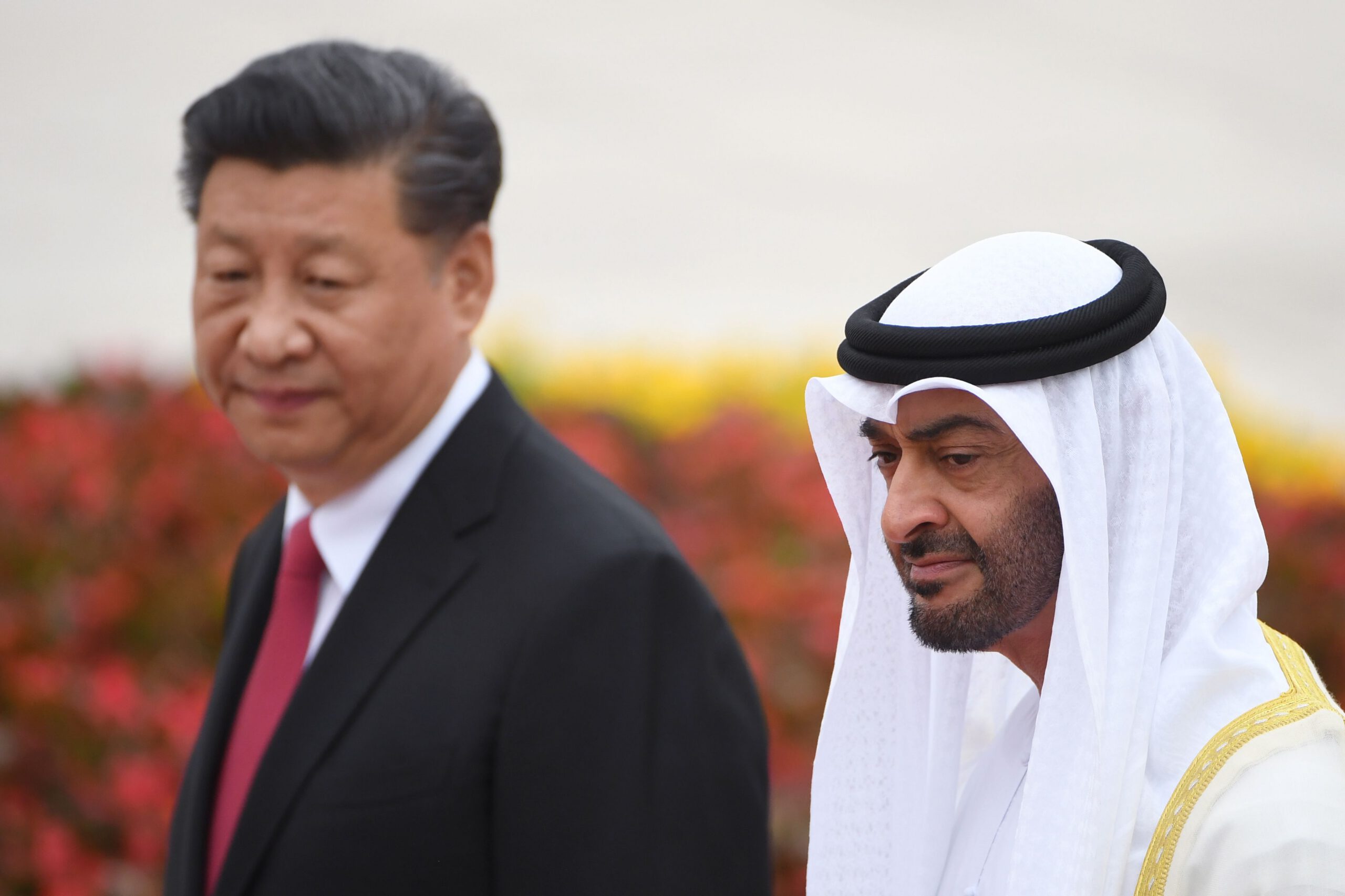
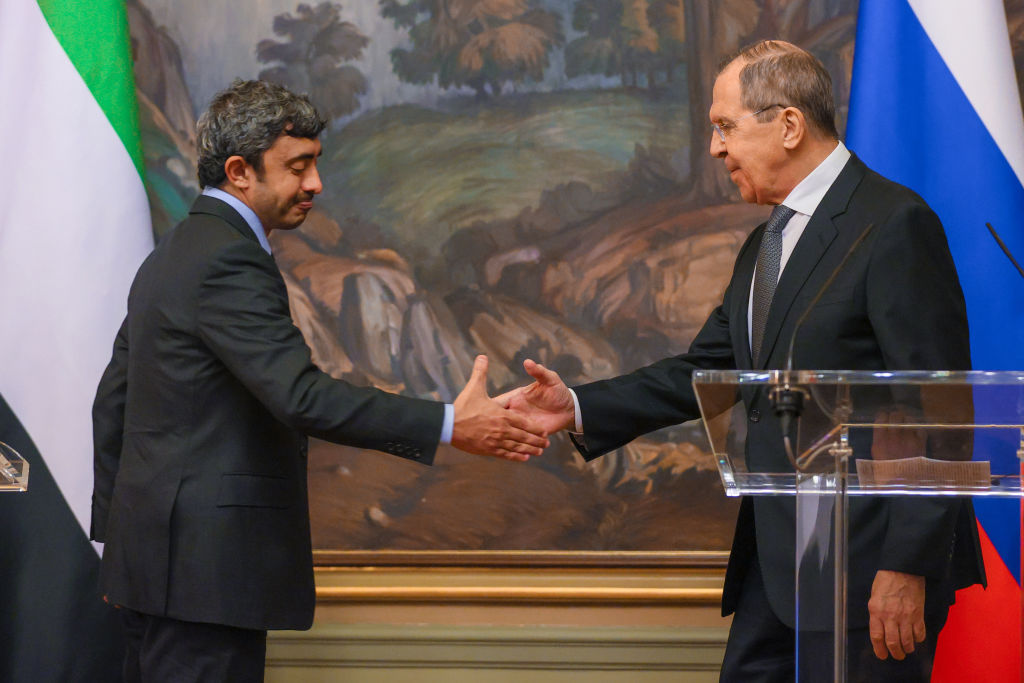
When the leaders of Saudi Arabia and the United Arab Emirates decline phone calls from the president of the United States, rebuff his requests to help lower oil prices, and shy away from condemning Russia’s invasion of Ukraine, and when the U.A.E. hosts Syrian dictator Bashar al-Assad in Abu Dhabi, there is no doubt that a major crisis in U.S.-Arab Gulf relations is under way.
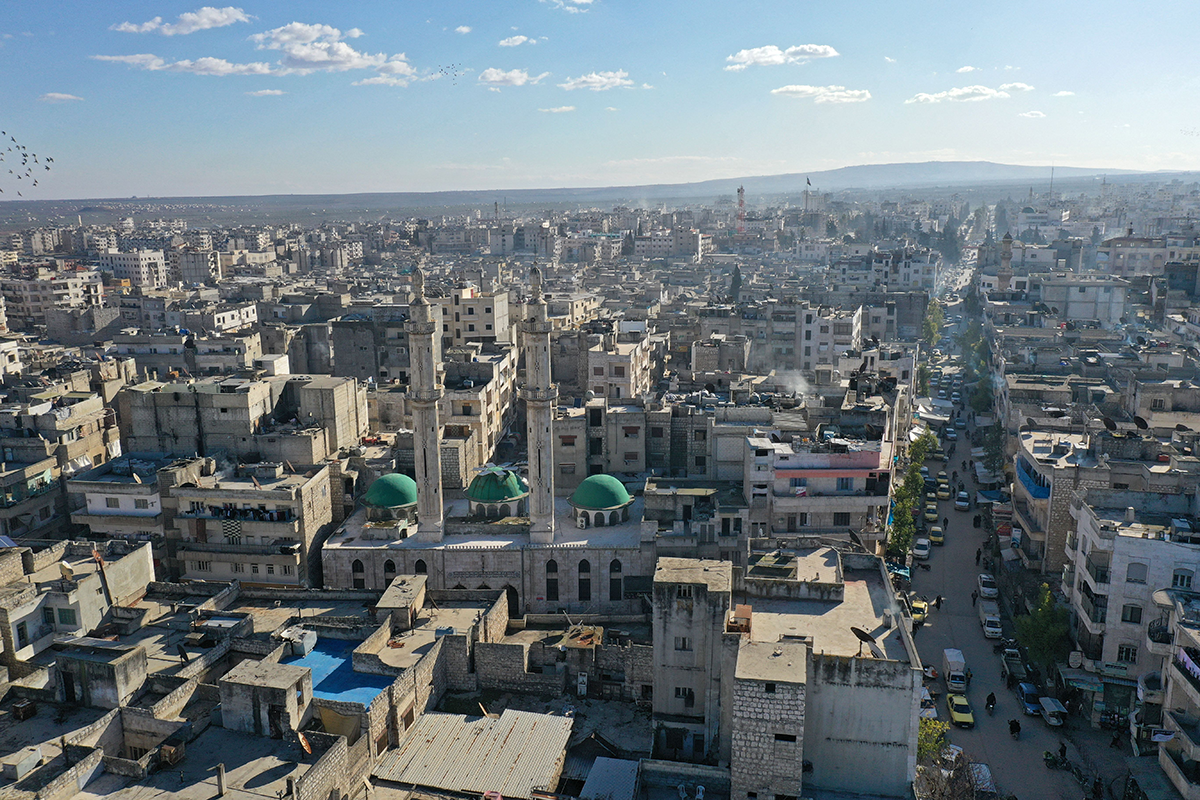
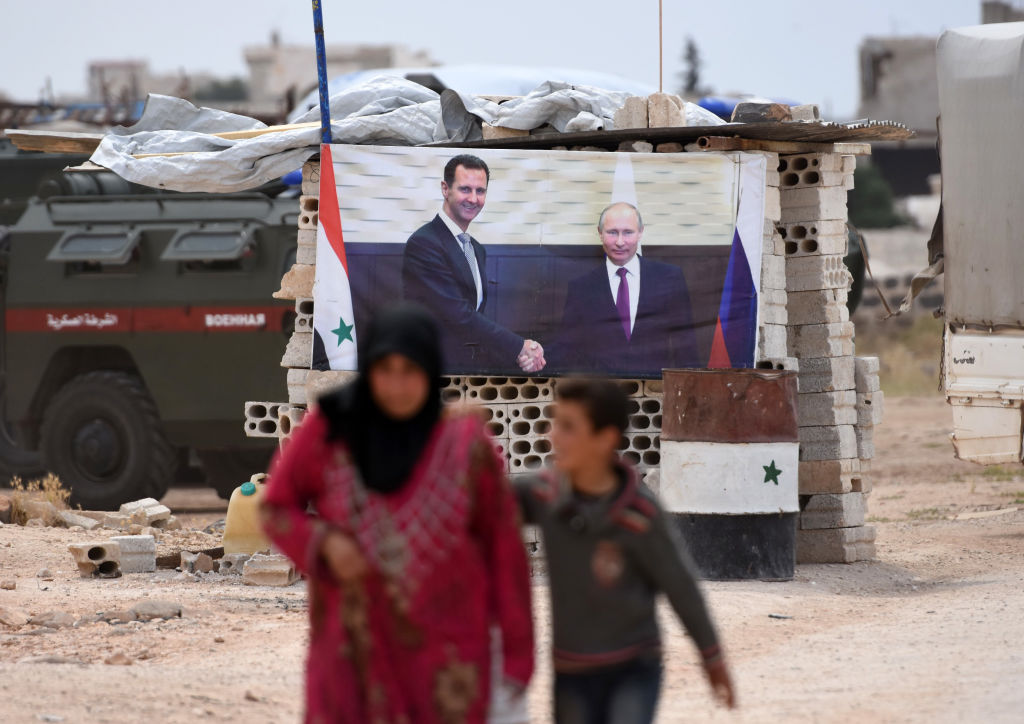
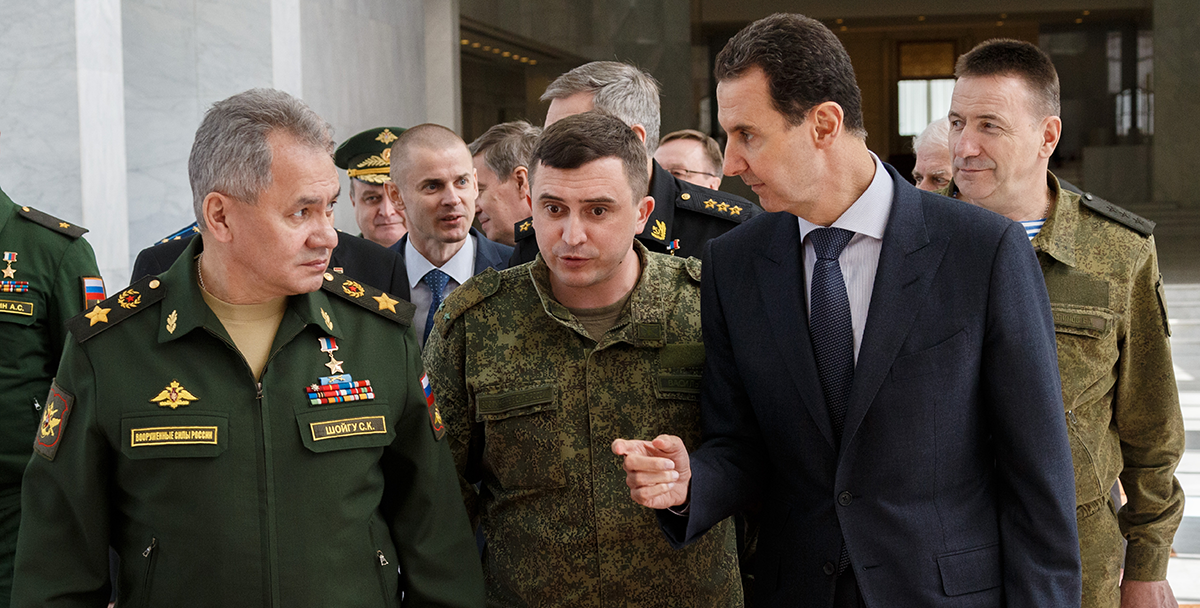
Russia’s invasion of Ukraine should fundamentally alter how we think about Syria and its future. How can the United States protect its objectives in Syria without compromising with Russia? The answer lies in the north.
Russia's invasion of Ukraine and the nature of Iranian-Russian relations
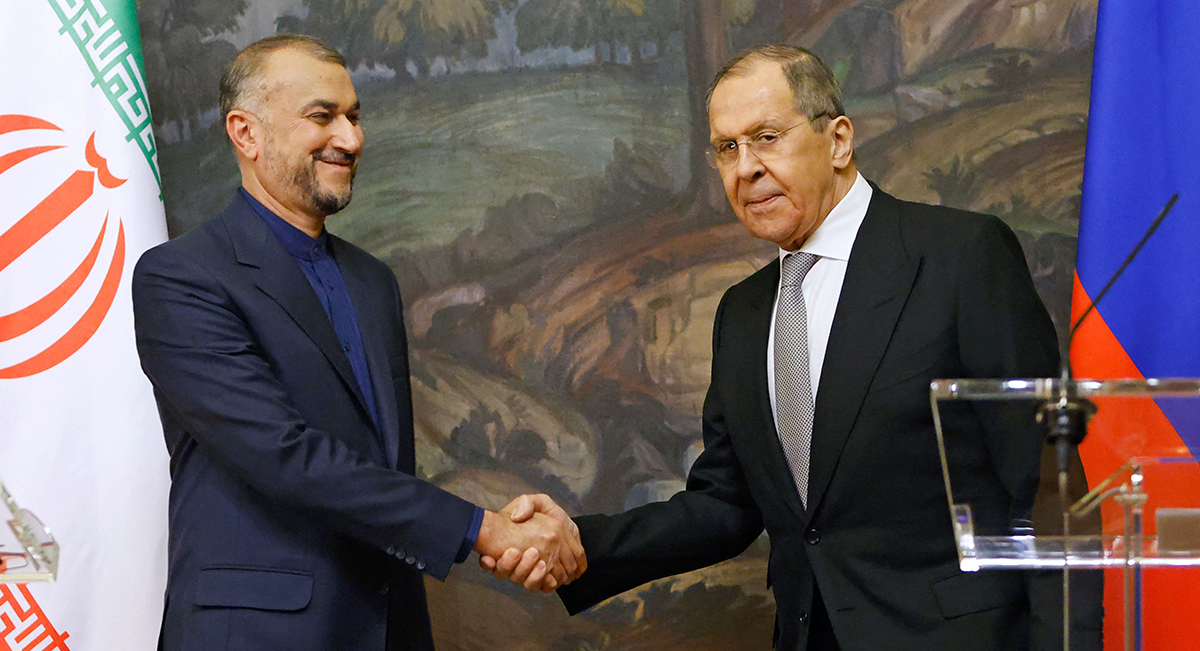
Russia’s Feb. 24 invasion of Ukraine, which triggered Europe’s first major conflict since the Balkan Wars of the 1990s, marks a watershed in the continent’s post-Cold War history. The conflict poses significant security challenges for countries throughout Eurasia and beyond, and Iran is by no means immune to the geopolitical changes underway.
War in Ukraine and drought at home: A perfect storm in the Maghreb
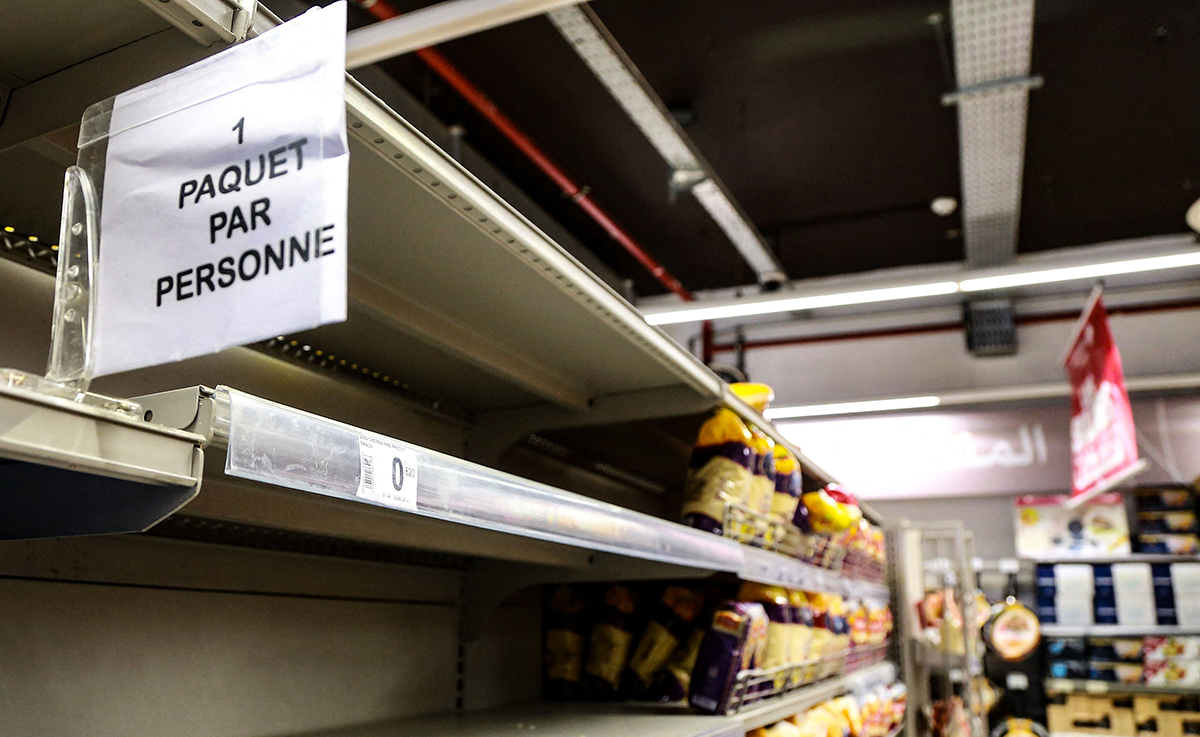
This year was already expected to pose challenges for Morocco, Algeria, and Tunisia. Inflationary pressures have been driving up the price of goods since the fourth quarter of 2021. Persistent unemployment, worsened by the COVID-19 pandemic, aggravated social discontent. Now, as winter turns to spring, socio-economic stability in the Maghreb is being imperiled by the conflict in Ukraine and insufficient rainfall at home.
Mirette Mabrouk, Joey Shea, and guest host Eliza Campbell discuss current political disputes over the Grand Ethiopian Renaissance Dam (GERD), cyber diplomacy, and the effects of climate change on the Horn of Africa.
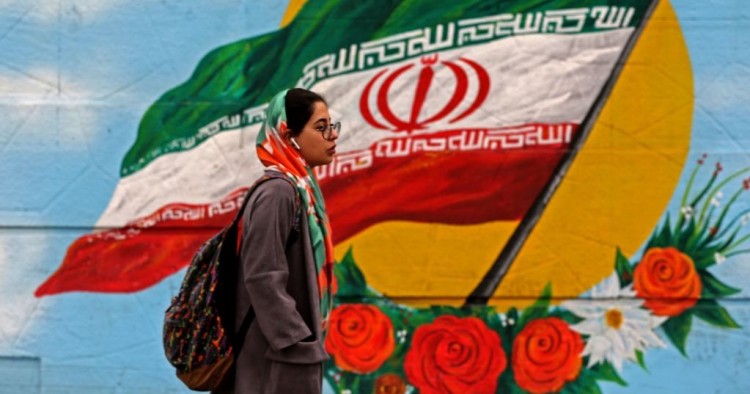
Iran’s regional agenda and the call for détente with the Gulf states
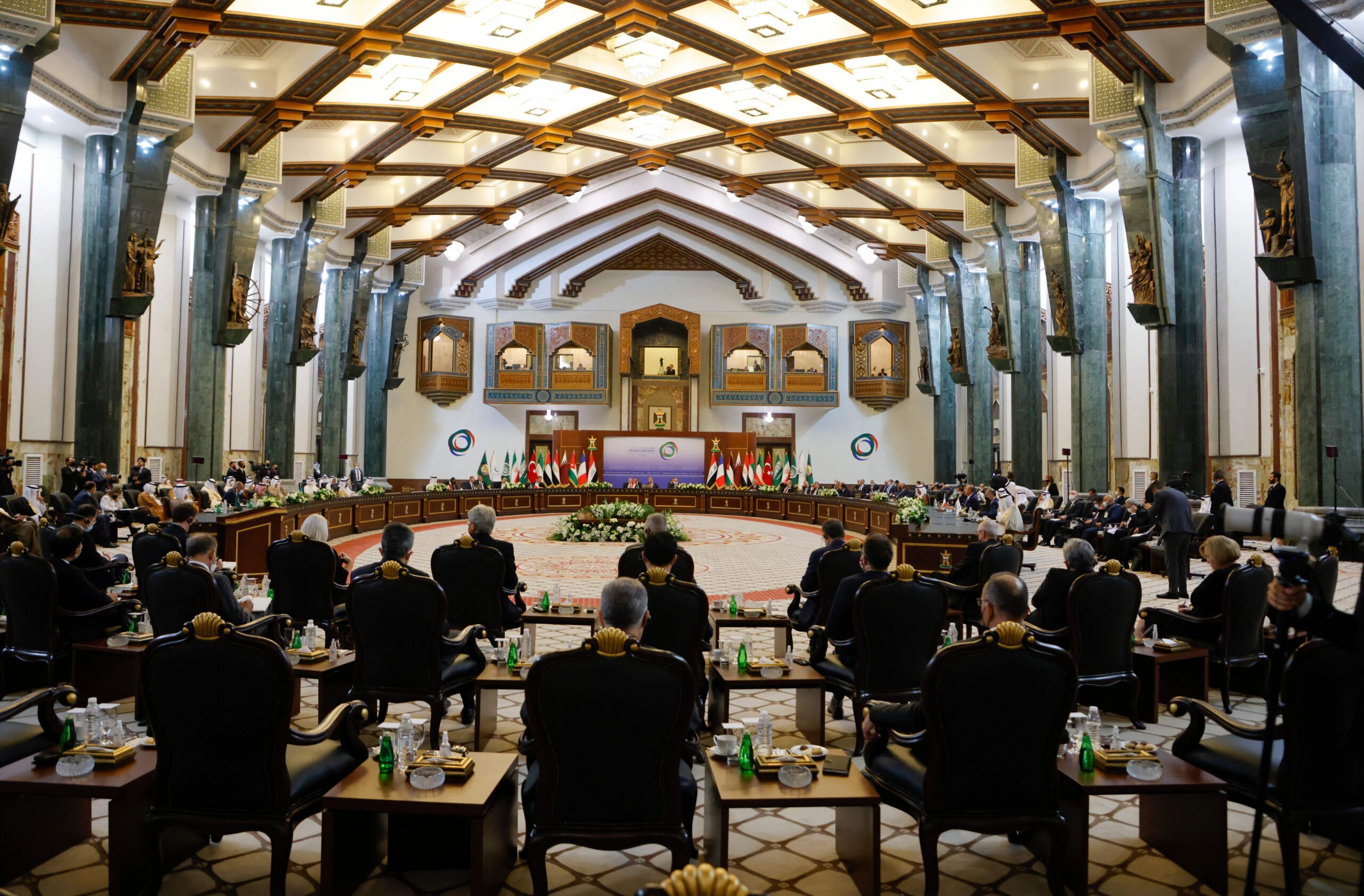
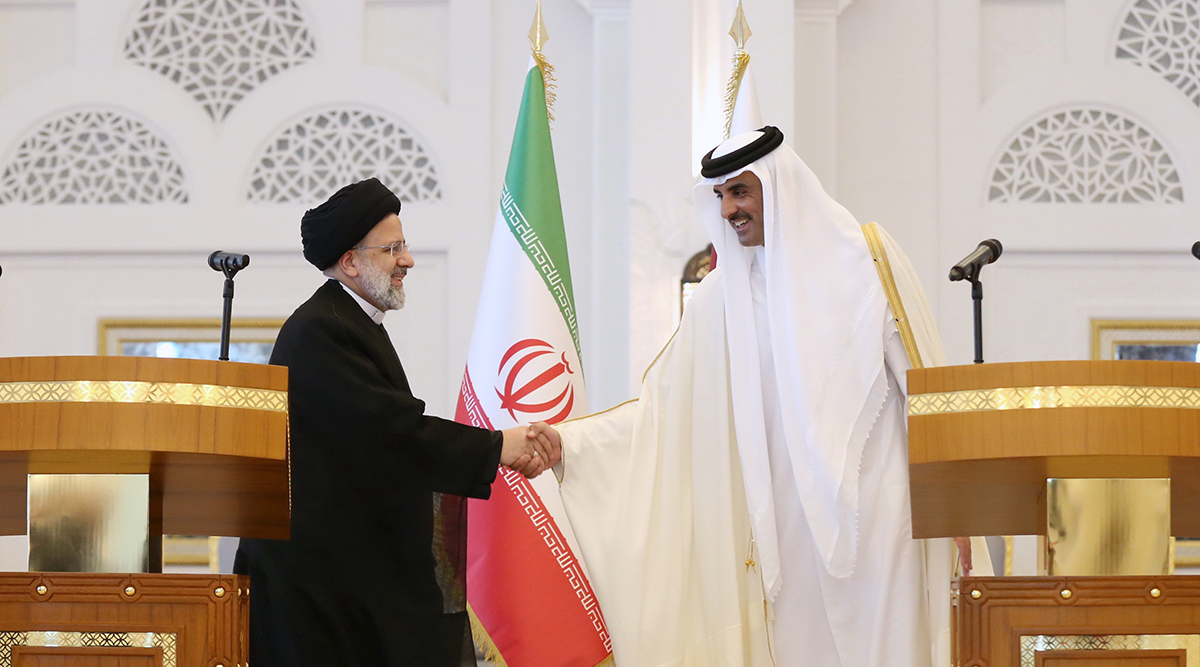
As both a candidate and as president, Ebrahim Raisi has repeated a basic mantra: that he will seek to quickly improve relations with Iran’s neighbors, and particularly the Arab Gulf states. But what are his motivations for this and what are the potential hurdles?
Russia’s invasion of Ukraine and the resulting collapse of U.S. and European diplomatic relations with Moscow mean Syria diplomacy is now all but dead. Small signs that diplomacy may have been poised for renewed investment in early 2022 now feel like a distant memory.
Most of the reporting on Russian recruitment in Syria has involved half-truths, if not outright lies. While it does appear that some Syrians have signed contracts to fight in Ukraine, there is no guarantee these fighters will actually be sent there. The coverage of this topic has also missed a key aspect of who would actually be involved if Syrians really do deploy to Ukraine.
“Get them to the conflict zone”: Russia turns to Syrian fighters for support in Ukraine
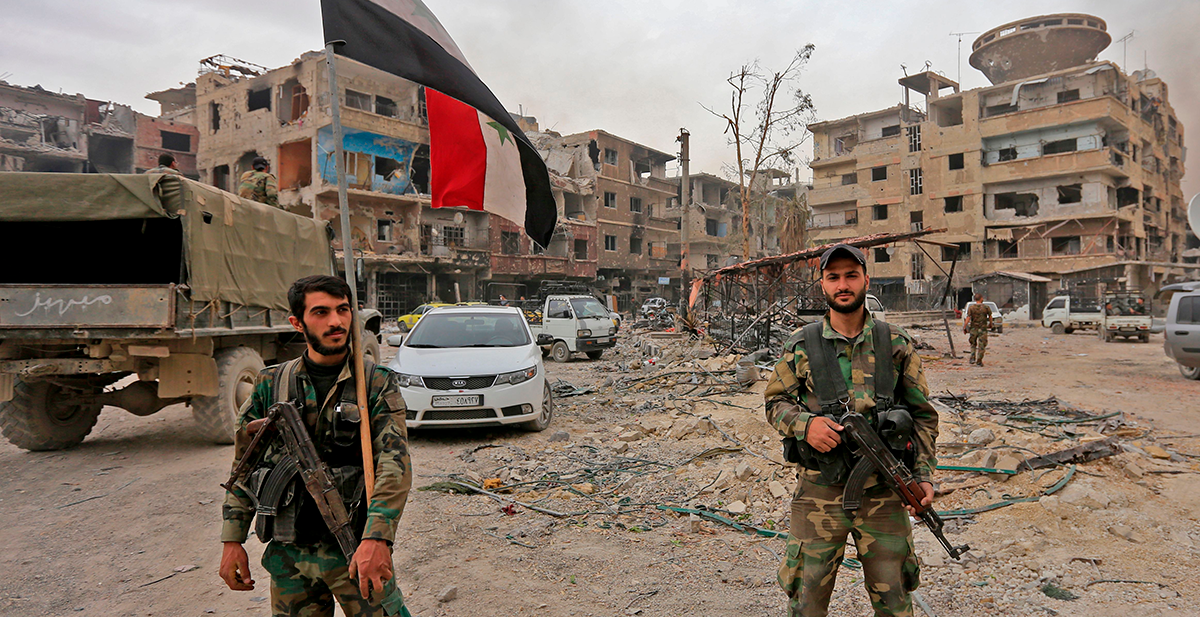
Doesn’t Russia’s egregious invasion of Ukraine look familiar? Whether it’s the flagrant attacks on civilians, the hospital bombings, siege tactics, or rampant disinformation, Ukraine’s parallels with Syria are just about everywhere one cares to look. However, yet another feature of Syria’s grueling war now appears set to be repeated amid reports that Russia is already recruiting Syrian fighters to join combat units on the frontlines in Ukraine.