State of play for Middle East cybersecurity leaders
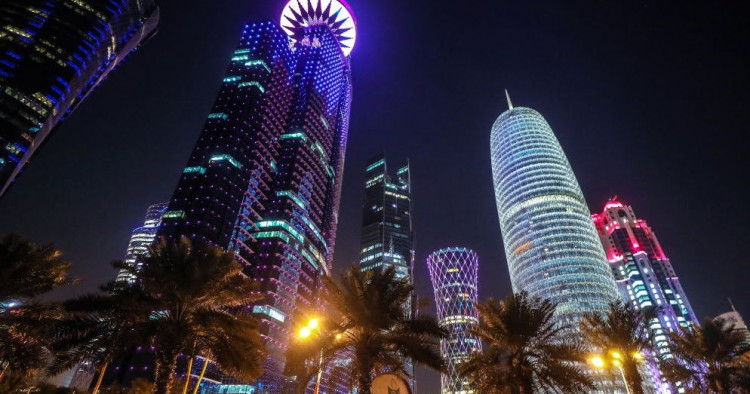
This new white paper distills the findings of the Middle East Institute panel “State of Play for Middle East Cybersecurity Leaders,” a discussion held in September 2020 about the unique threats, best practices, and corporate landscape in the Middle East and North Africa region.
Elana DeLozier and Jerry Feierstein join host Alistair Taylor to discuss prospects for US-Gulf relations and regional policy under the Biden presidency.
Biden’s presidency cannot mean a return to the status quo for Palestinians
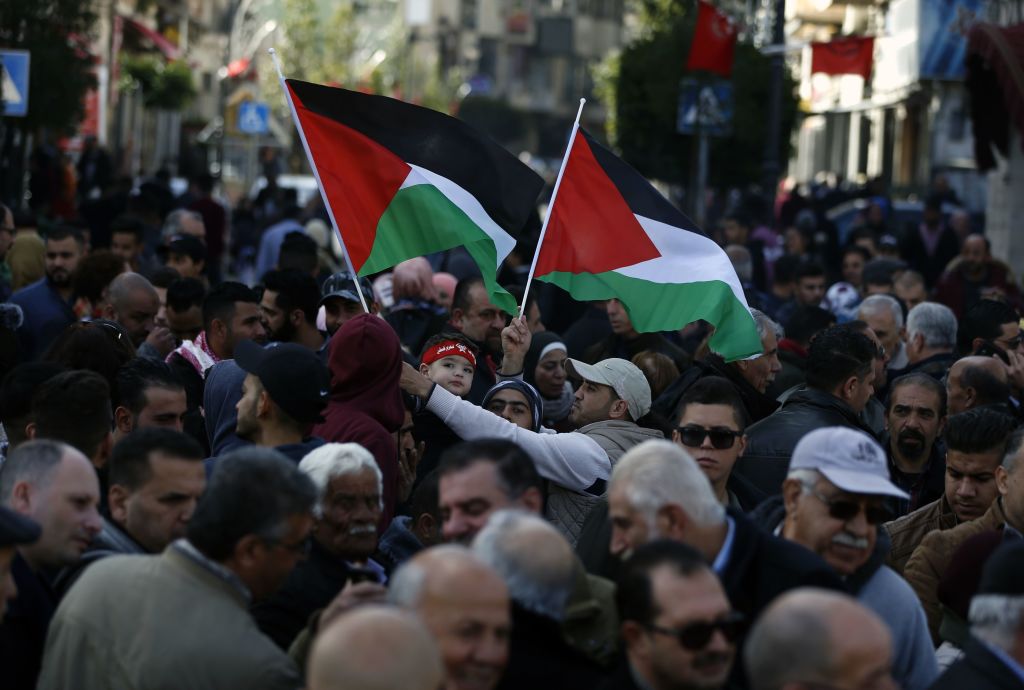
On Nov. 17 and 19, MEI’s Program on Palestine and Palestinian-Israeli Affairs convened a two-part series looking at the future of Palestinian politics and the Palestinian national movement. Below is a summary of Part 2, “Toward a Palestinian National Strategy,” which examined the efficacy of the Palestinian leadership’s current focus on a negotiated two-state settlement, as well as alternative visions and means of liberation, such as a one-state solution and the Boycott, Divestment, and Sanctions (BDS) movement.
Foreign Terrorist Fighters: Implications for Malaysia’s Border Security
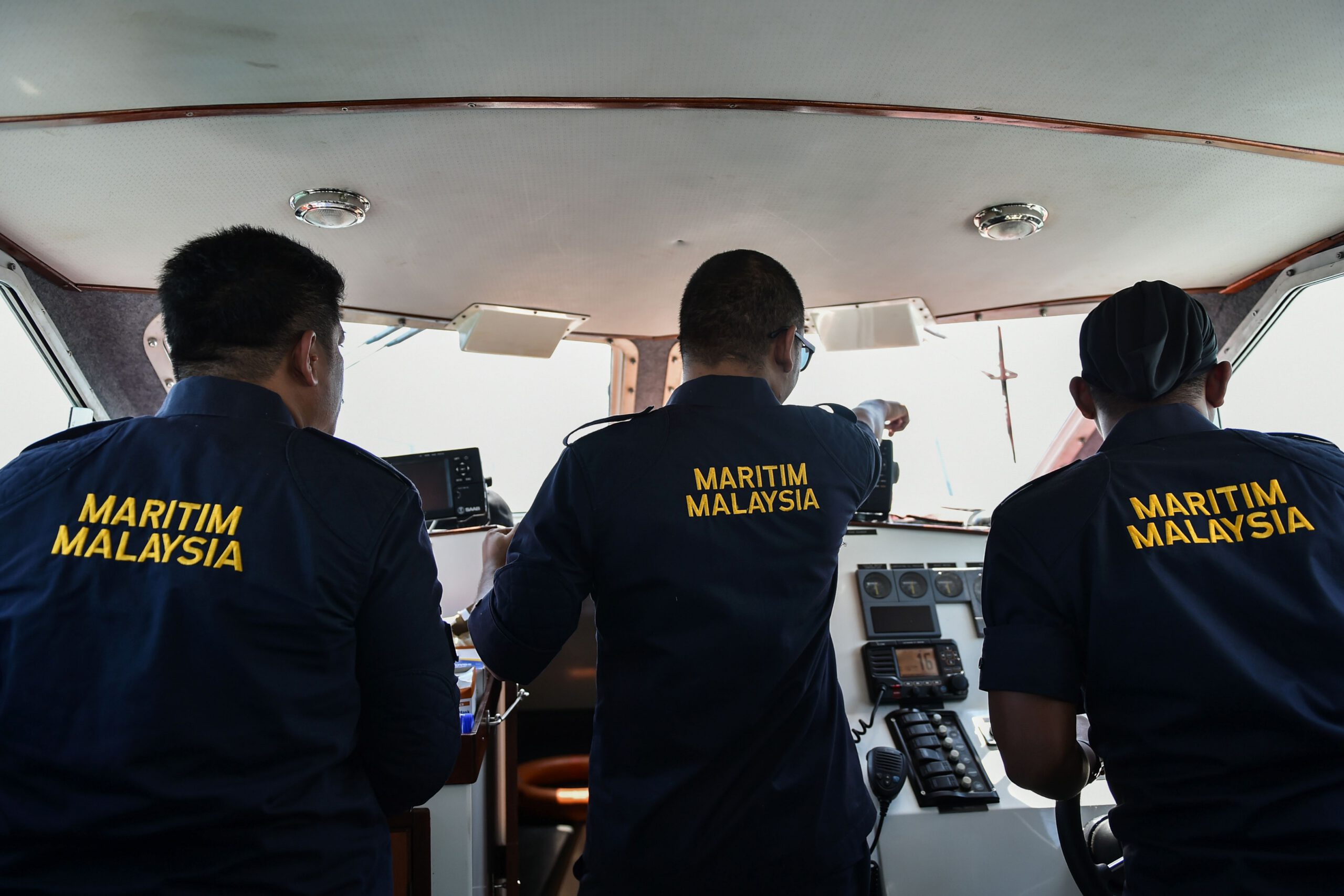
As governments around the world continue to deal with the COVID-19 pandemic, the world must not lose sight of the ongoing threat of returning Islamic State (IS) foreign terrorist fighters from Syria. As foreign fighters and their families scour for places to seek refuge, Malaysia may inadvertently turn out to be an attractive destination given the country’s visa-waiver program; the porousness of the tri-border region of Sabah, Indonesia, and the Philippines; and insider threats. In the past, terrorists have capitalized on these vulnerabilities. Given the country’s susceptibility to being used as a terrorist safe haven and platform for staging trans-border terrorist attacks, Malaysian authorities need to strengthen and improve existing measures aimed at countering terrorist infiltration.
Biden’s presidency indicates new opportunities for Palestinian politics
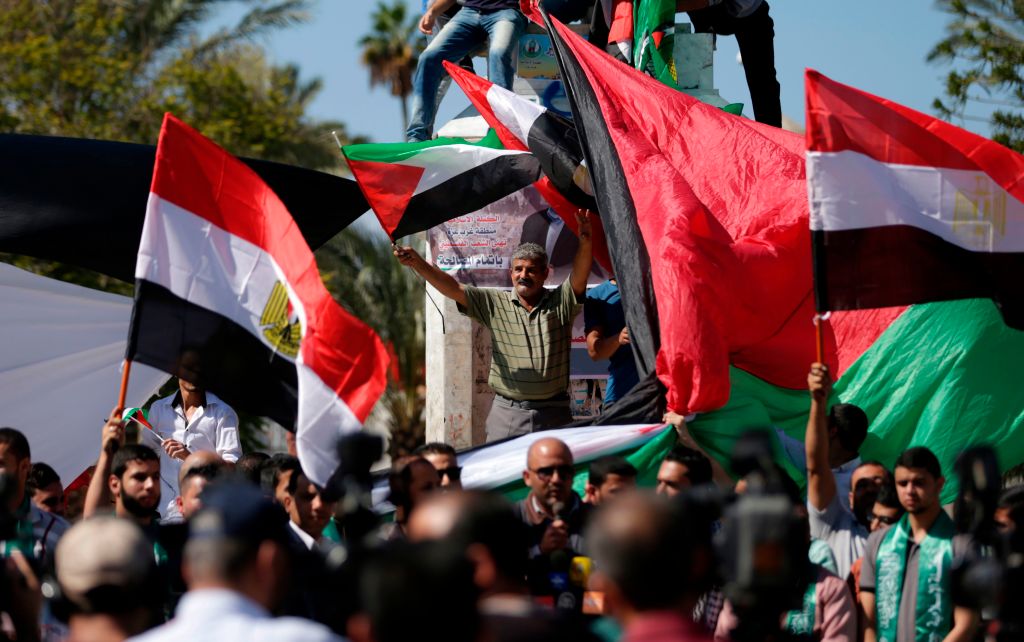
On Nov. 17 and 19, MEI’s Program on Palestine and Palestinian-Israeli Affairs convened a two-part series looking at the future of Palestinian politics and the Palestinian national movement. Below is a summary of Part 1, “Reviving Palestinian Political Life,” which focused on issues such as national reconciliation, elections, succession, the future of institutions like the Palestinian Authority (PA), and reform of the Palestine Liberation Organization (PLO).
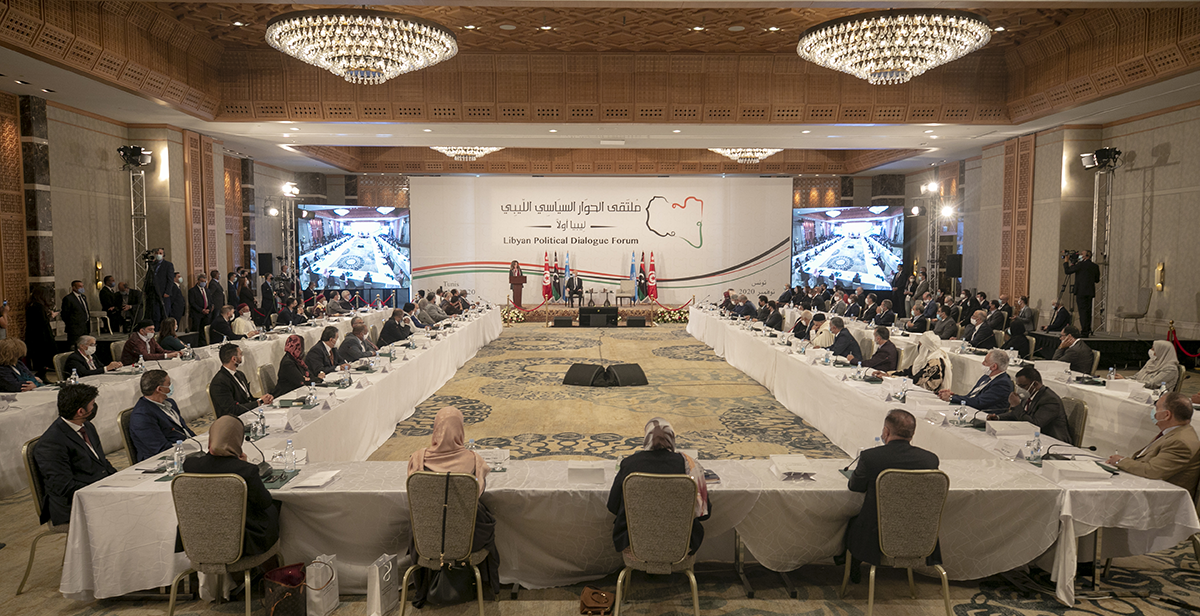
Direct Libyan-to-Libyan talks are giving Libyan peace a new chance
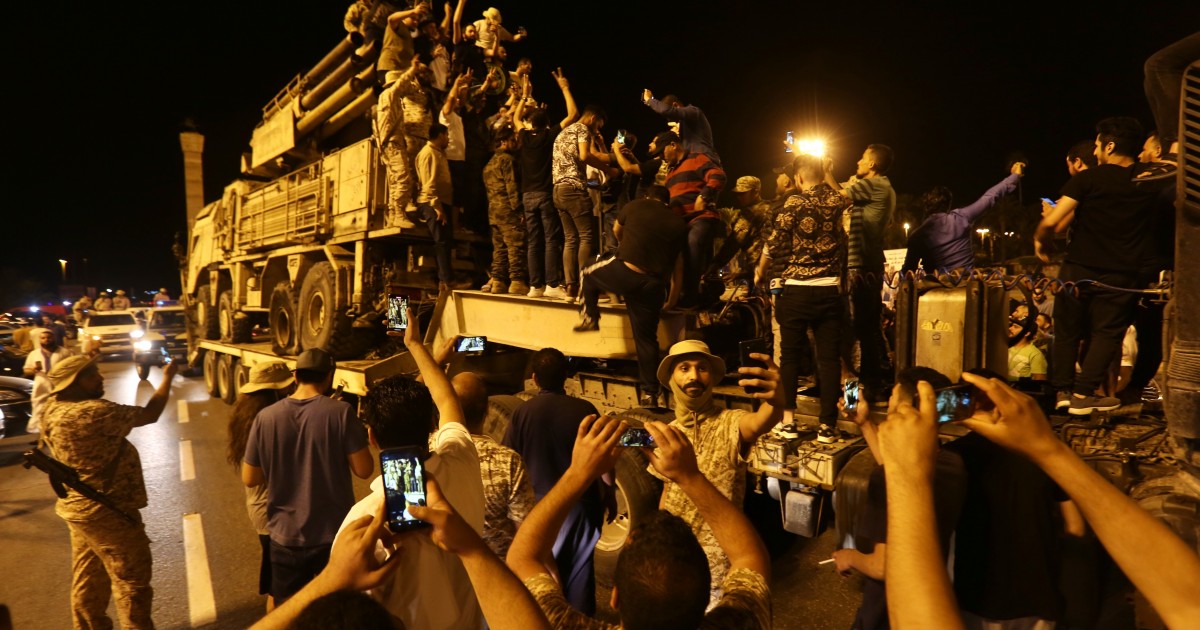
Hoping to avoid a foreign takeover of their country, a growing number of Libyans seem to have finally recognized that progress in Libya required Libyans to take charge of their own future. Accordingly, they are now taking active steps to see if they can forge a political deal to create a new, short-term transitional government to succeed the current GNA created by the Libyan Political Agreement of December 2015, following growing momentum that has already transformed Libya’s security situation with remarkable speed.
Monday Briefing: Pompeo’s Middle East farewell tour
This week’s briefing on recent news and upcoming events in the region featuring Gerald Feierstein, Mirette F. Mabrouk, Fatima Abo Alasrar, Marvin G. Weinbaum, and Yesar Al-Maleki.
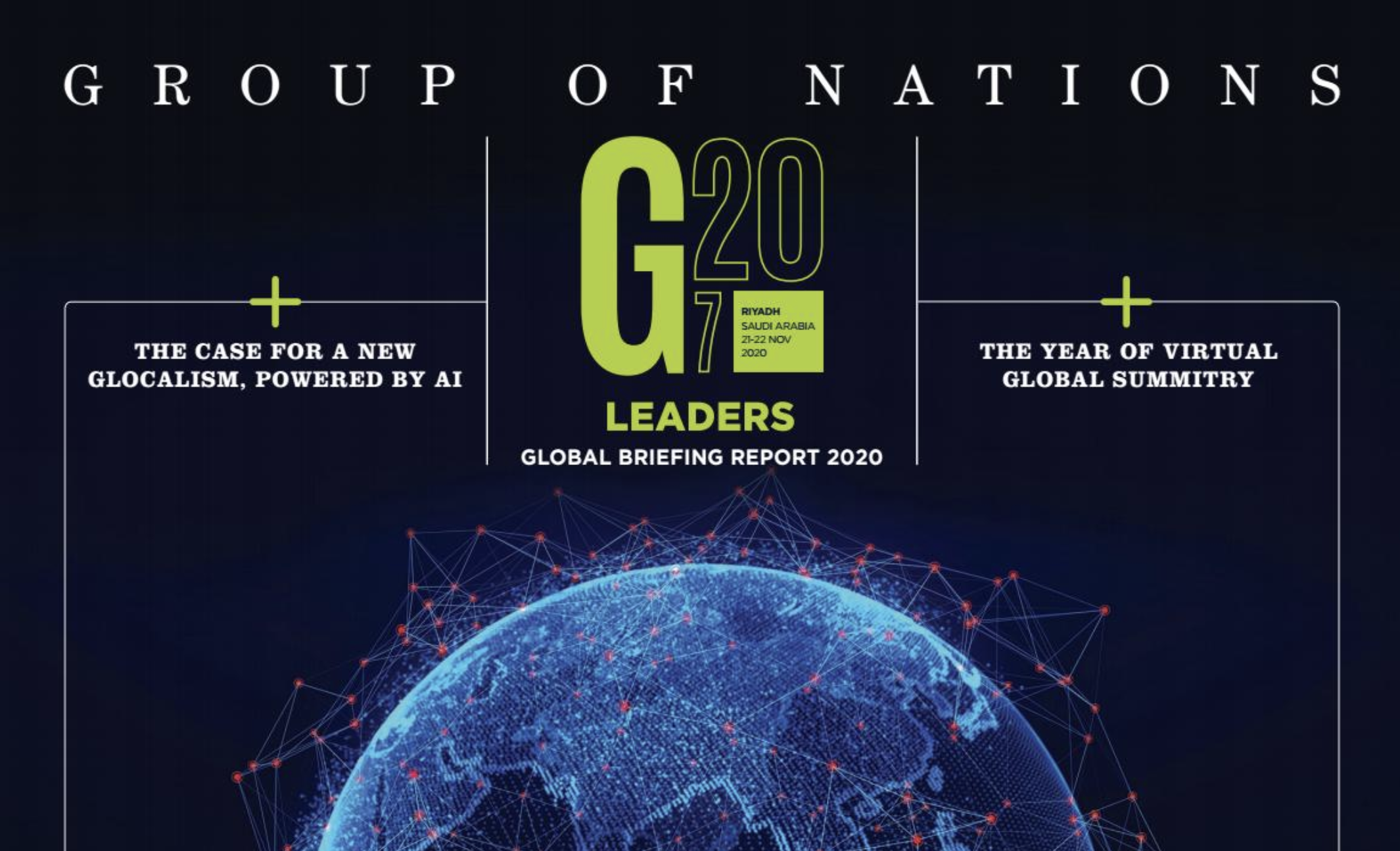
A virtual G20 summit underscores this importance of this year's agenda
This year, the G20 summit will be held virtually. As a result, the world will be deprived of the customary images that surround these events… the group photos, the glittering halls wither flag-festooned conference tables, the luxurious surroundings where the world’s most powerful political leaders gather to bread bread and discuss the critical issues of the day over lavish banquets.
MEI’s Gonul Tol and Robert Pearson join host Alistair Taylor to discuss prospects for US-Turkey relations and regional policy under the Biden presidency.
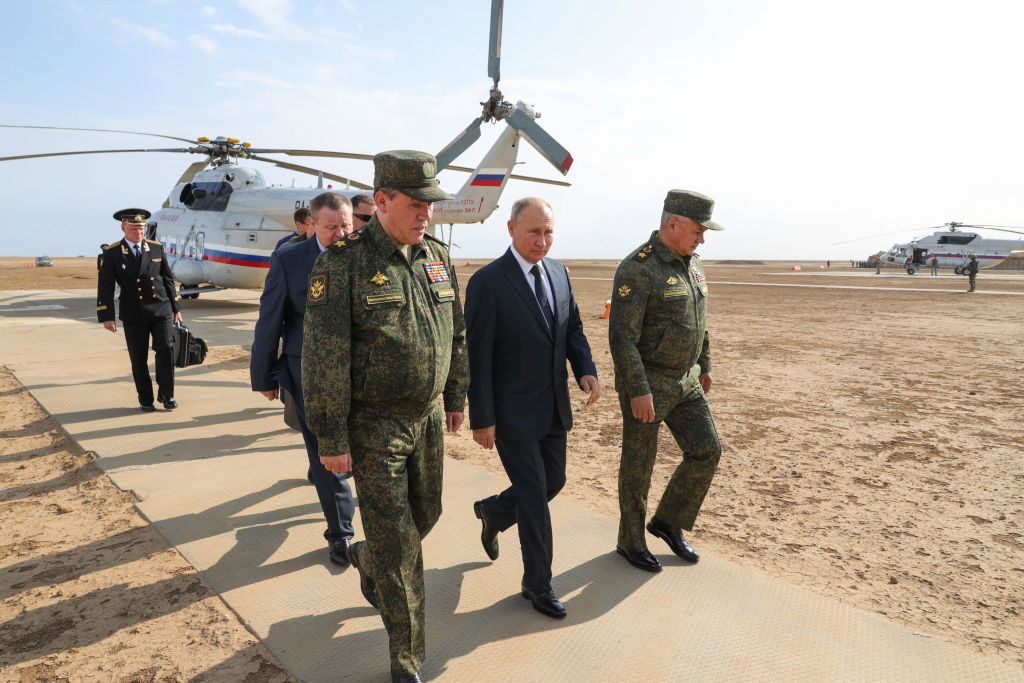
The recent ceasefire agreement signed by Armenia, Azerbaijan, and Russia halted the armed phase of the Nagorno-Karabakh conflict following 45 days of fighting and thousands of military and civilian lives lost on both sides. Russian peacekeepers have already been deployed to the conflict zone to oversee implementation of the agreement. It now remains to be seen whether they will be joined by Turkish counterparts, either in the field or at a joint monitoring center in Azerbaijan. The latter is the first disagreement between Moscow and Ankara over peacekeeping in the region.
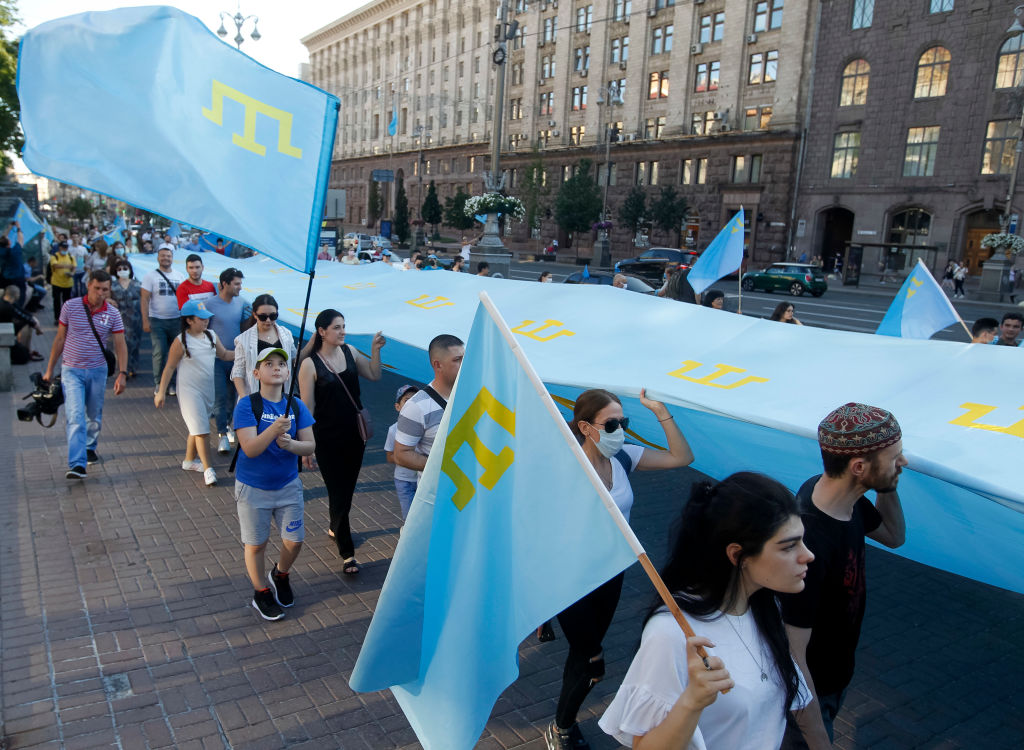
The geopolitics of Crimea are important, but we mustn't overlook the persecution of Crimean Tatars
When commentators and policymakers discuss Russia’s illegal annexation of Crimea in 2014, the focus is often placed on geo-politics and Black Sea security. This is understandable. While the geo-politics of Crimea are important, one should not overlook the tragedy taking place to many of the people living there. This is especially true with the Crimean Tatar community – an ethnically Turkic and religiously Sunni Islam minority population which has faced decades of religious and political persecution under Russian domination.
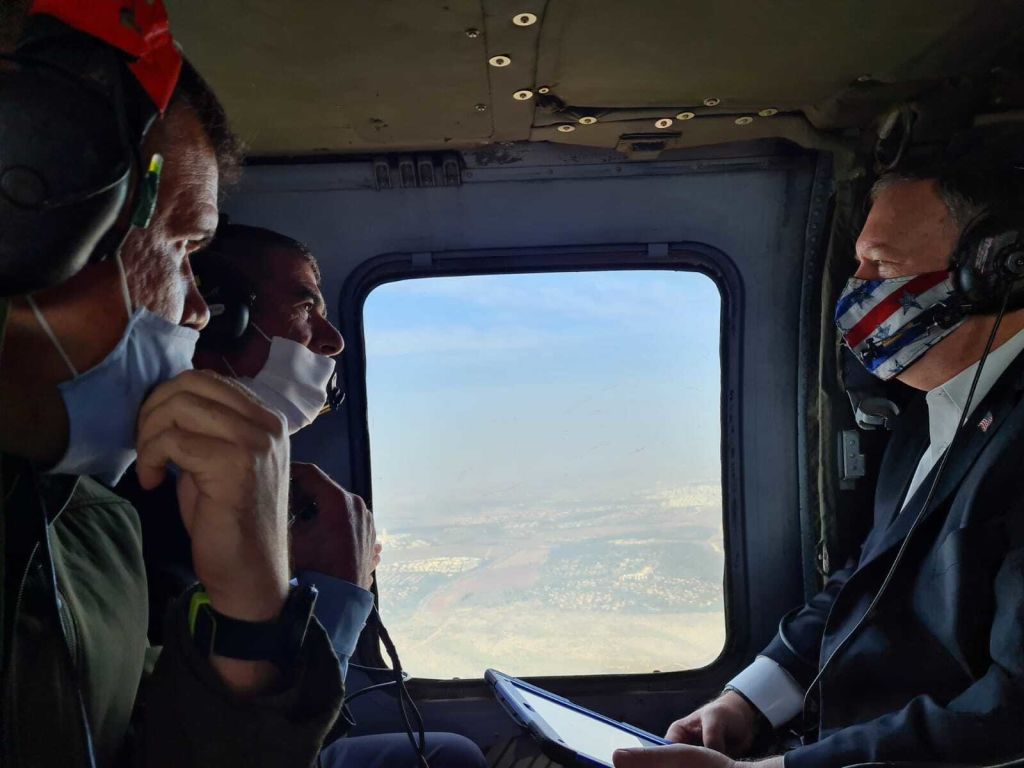
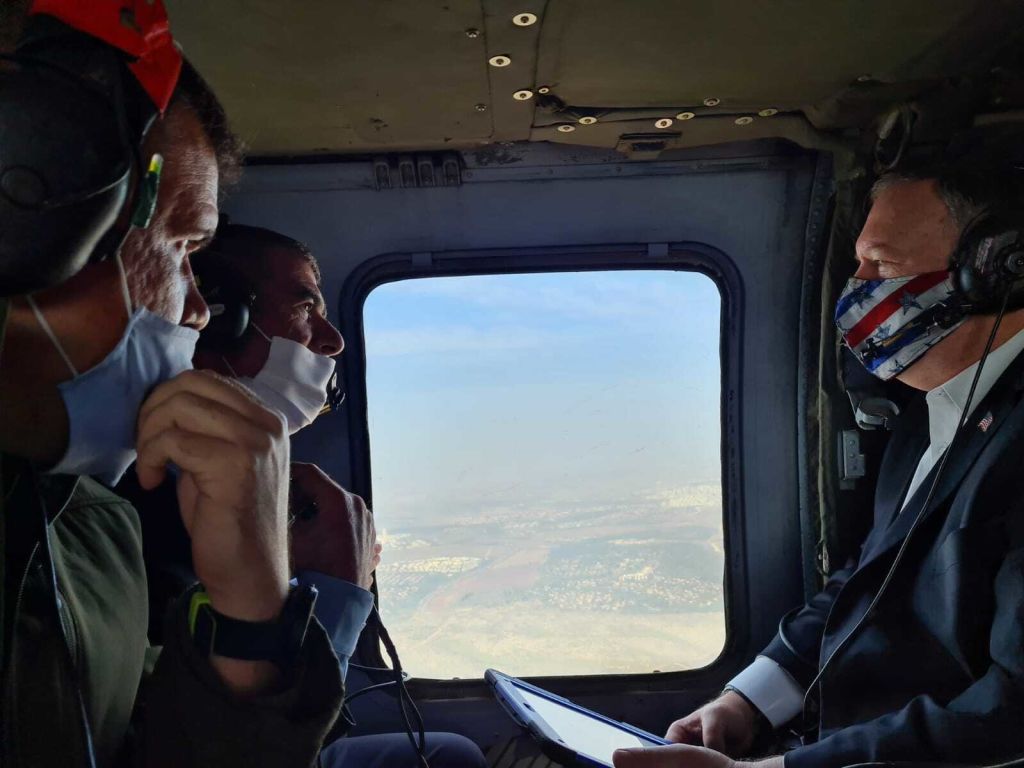
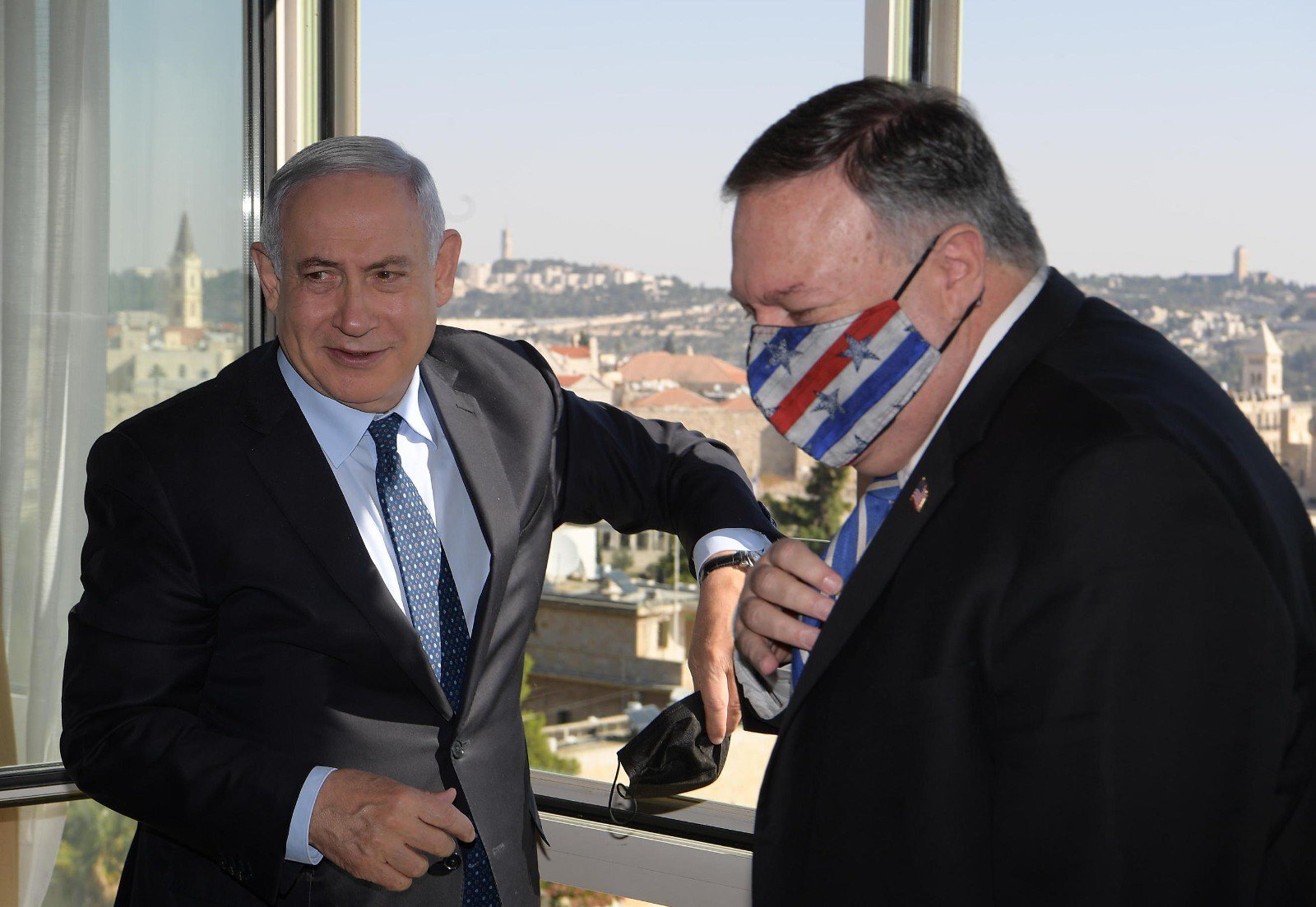
Pompeo’s settlement visit caps a four-year effort to destroy the two-state solution
Secretary of State Mike Pompeo made history this week by visiting two Israeli settlements, the Psagot winery located on the outskirts of Ramallah in the heart of the Israeli-occupied West Bank, and the City of David located in the Palestinian neighborhood of Silwan just outside Jerusalem’s Old City, the first ever such visits by a sitting American secretary of state. The visits were clearly aimed at legitimizing and normalizing Israel’s settlement enterprise, which is considered illegal under international law, in keeping with the administration’s approach of the last three years.