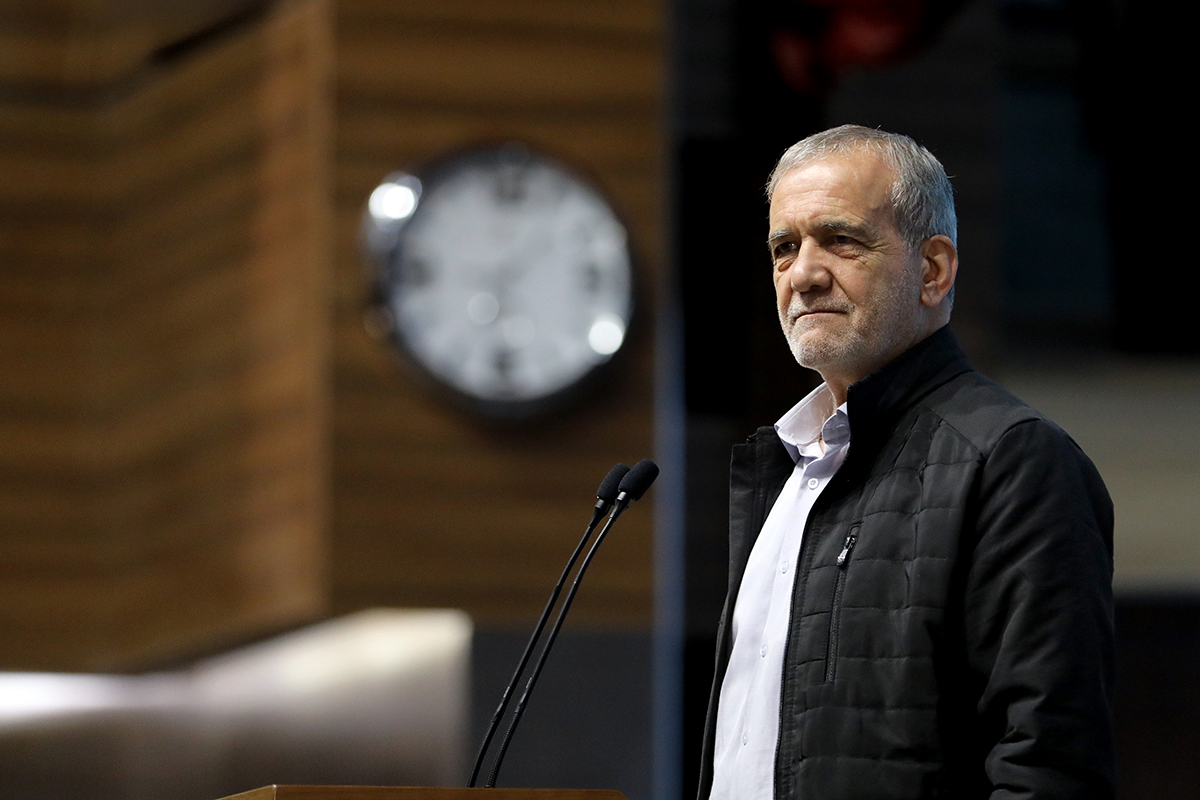
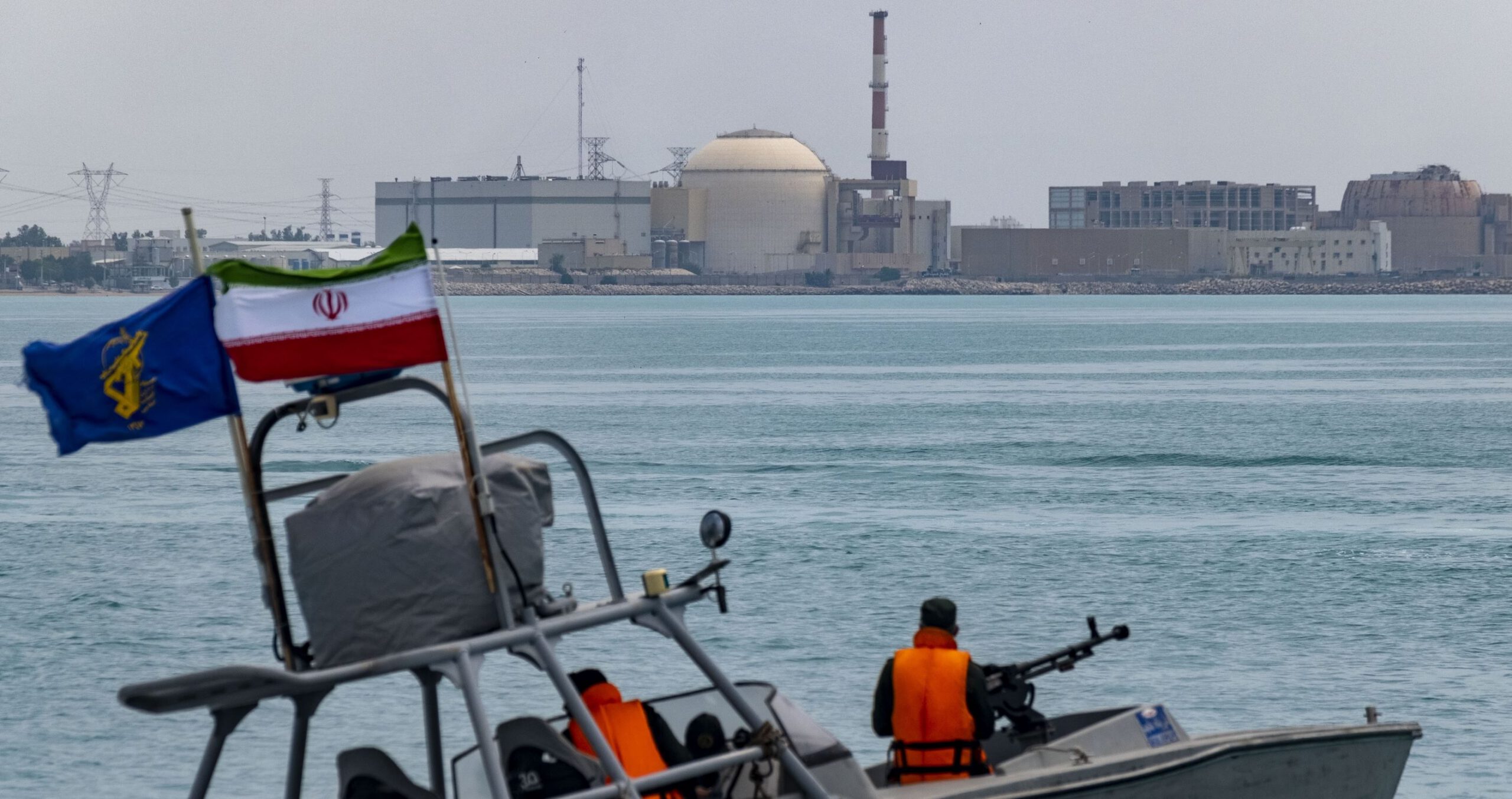
President Masoud Pezeshkian might be the loneliest man in Iran. Just eight months into his term in office, he is already losing the support of those who once championed him. While the Iranian presidency is a thankless job, Pezeshkian is not helping his own case.
The thickening fog of tactics and propaganda in Trump’s foreign policy
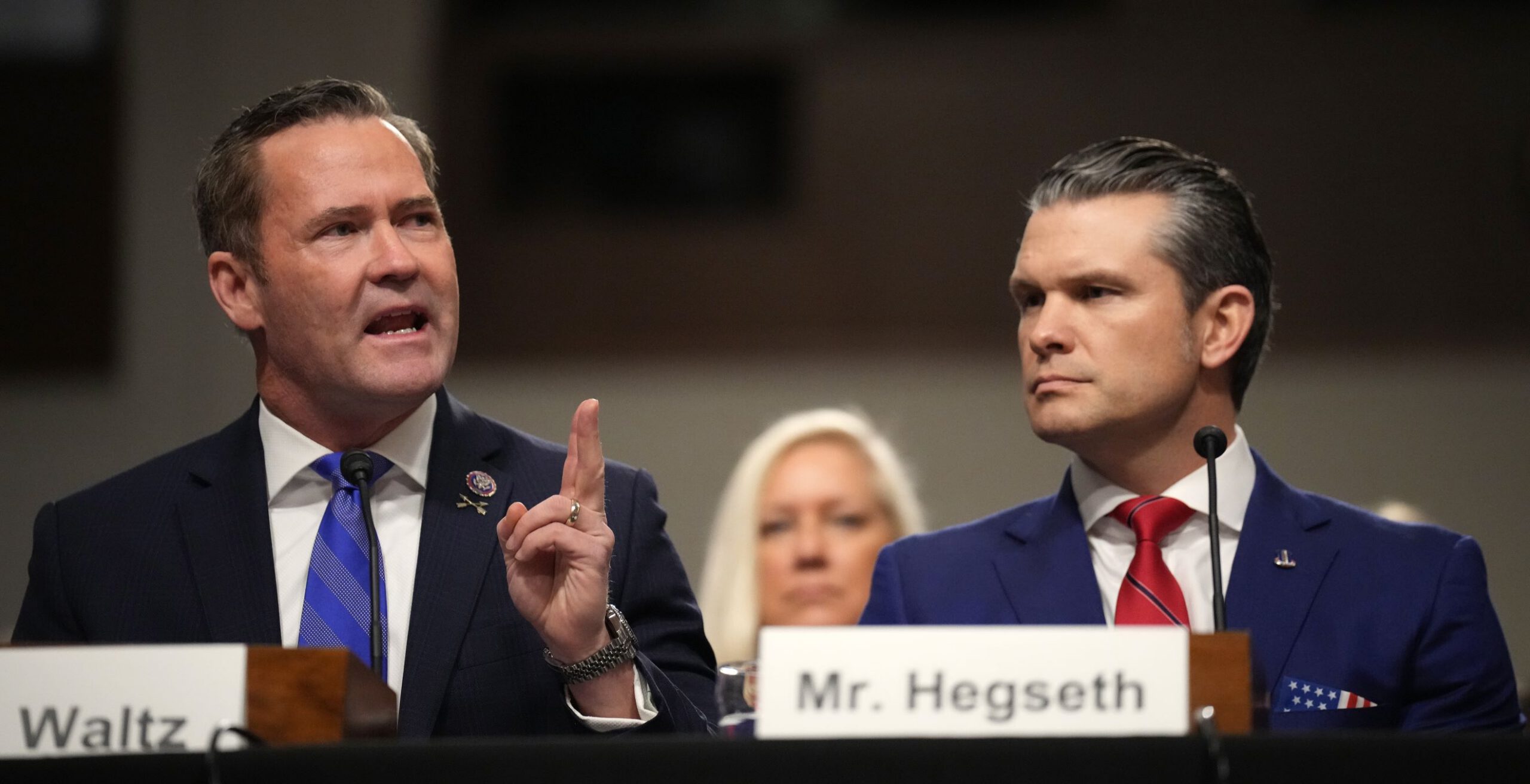
The leaked Signal chat among top US administration officials discussing military strikes against the Houthis laid bare the central problems with Trump 2.0’s nascent national security approach: a strong inclination to prioritize tactics and propaganda in statecraft without a clear and practical strategic framework to deal with the biggest challenges in the world and in the Middle East.
Dan Shapiro | 'Taking the Edge Off the Middle East' Ep. 9
In this episode, Brian is joined by former U.S. Ambassador to Israel Dan Shapiro, who recently served as Deputy Assistant Secretary of Defense for the Middle East. They discuss the Trump administration’s early approach to the region in its second term, including its handling of Iran, Gaza, and regional normalization efforts. Drawing on his decades of experience across the NSC, State Department, and Pentagon, Dan shares his candid assessments of what’s working, what’s not, and what’s still unsettled. He also reflects on his own career path and what young people interested in U.S.
Iran is accumulating enough near-weapons-grade enriched uranium to build a nuclear weapon within weeks or months, not years. President Donald Trump, having withdrawn the United States in 2018 from the nuclear deal that would have postponed that possibility, is now appealing for negotiations with Tehran. But in the Middle East, the nuclear question does not concern only Iran.
Sovereignty first: Reshaping international cooperation in North Africa
Countries in North Africa and around the world are increasingly prioritizing a strict definition of sovereignty and tending toward transactional diplomacy. Understanding the motivations behind North Africa’s “sovereignty-first” approach can help the United States and Europe build mutually beneficial and durable links with the region in this new reality.
Illegal arrest and detention of Libyan Asset Recovery head reflects worsening Libyan corruption
Endemic corruption in Libya continues to deter foreign investment, cripple public services, and erode trust in government. This dismal situation is driven by the ongoing power struggles among Libya’s political and military elite. Recently, bad actors in both Libya’s east and west have undertaken a spree of arbitrary arrests and detentions that the United Nations Support Mission in Libya has now warned are not only illegal, but creating “a climate of fear.”
A foreign policy for the working class is not merely a call to rebuild America’s physical and technological infrastructure but to restore its moral and spiritual foundations.
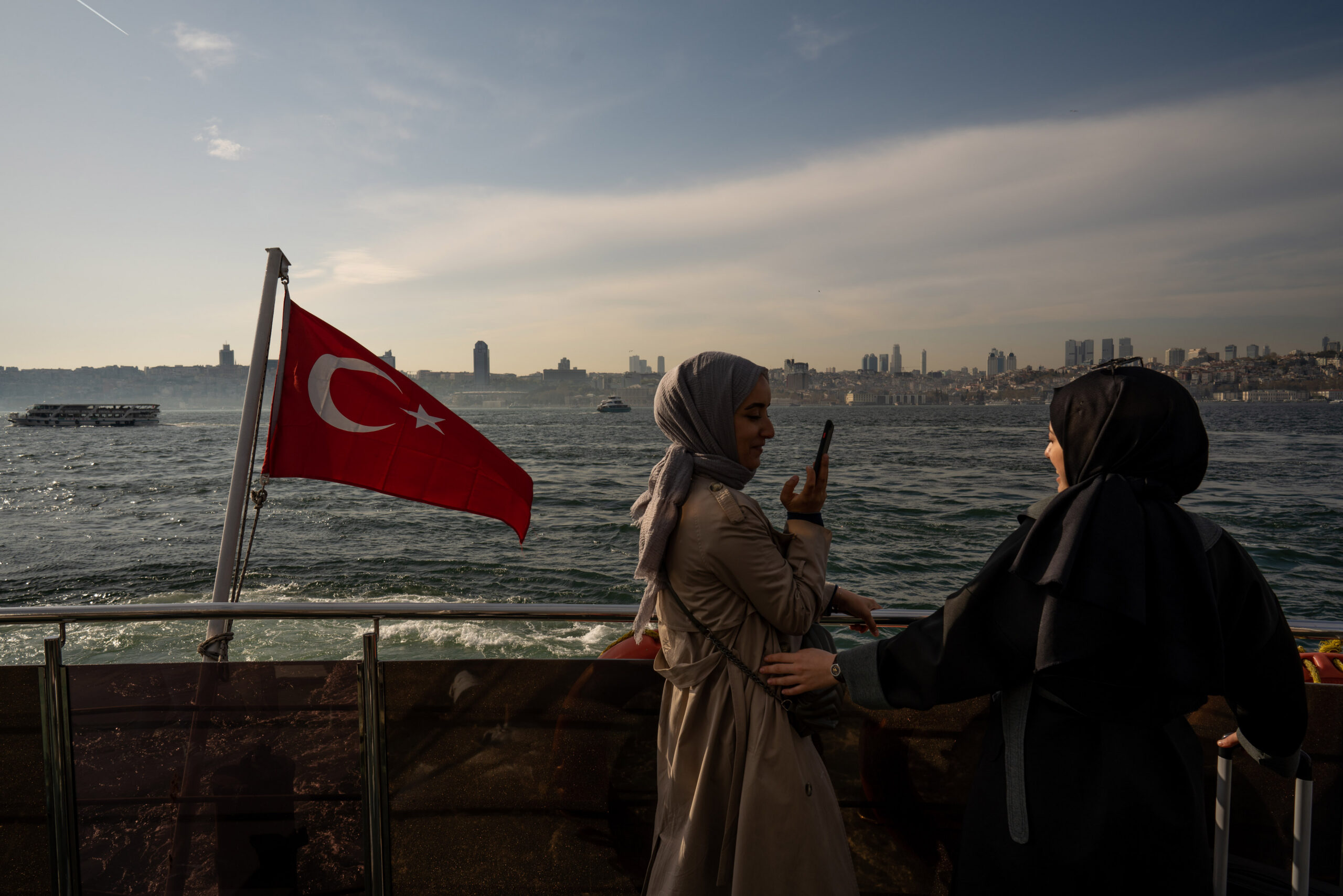
Turkey Competes with Israel and India to be a Major MENA Weapons Supplier
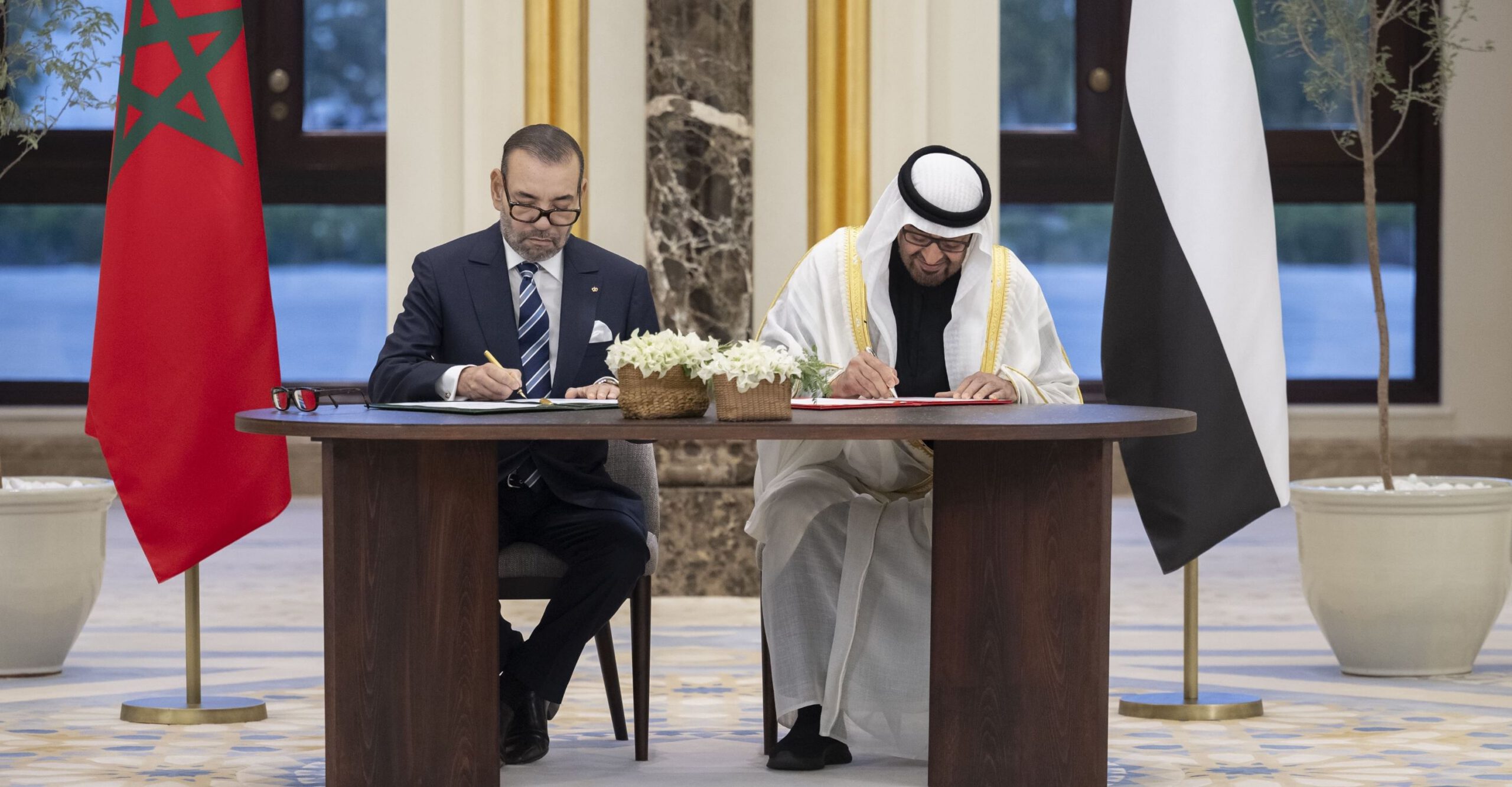
With record-breaking arms exports globally, Turkey’s growing market share in the Arab monarchies holds the potential to greatly expand Ankara’s role as a security provider across the Middle East and North Africa. At the same time, Turkey faces growing competition from Israel and India, which have significantly expanded their own weapons sales to the Arab monarchies, notably the UAE and Morocco.
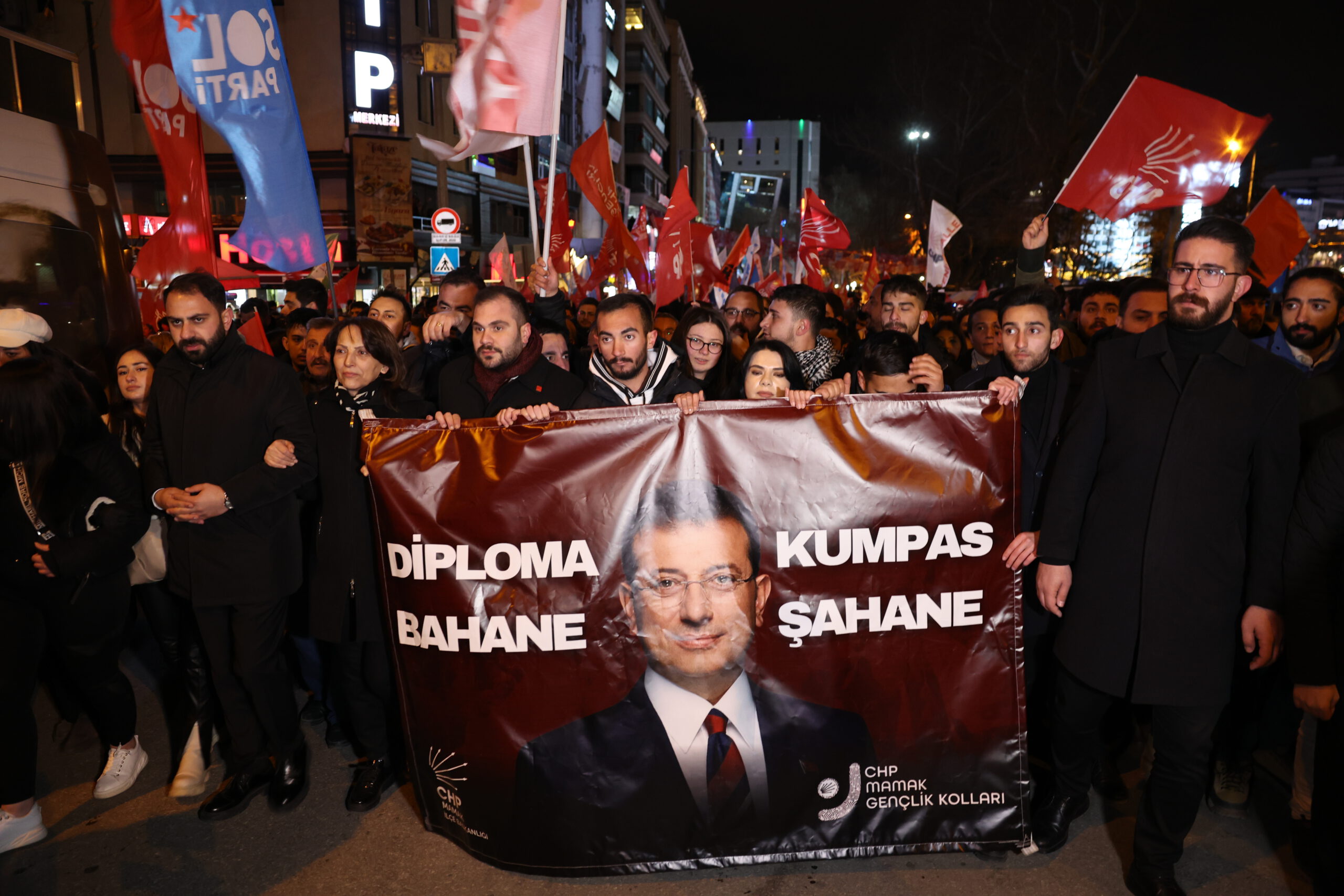
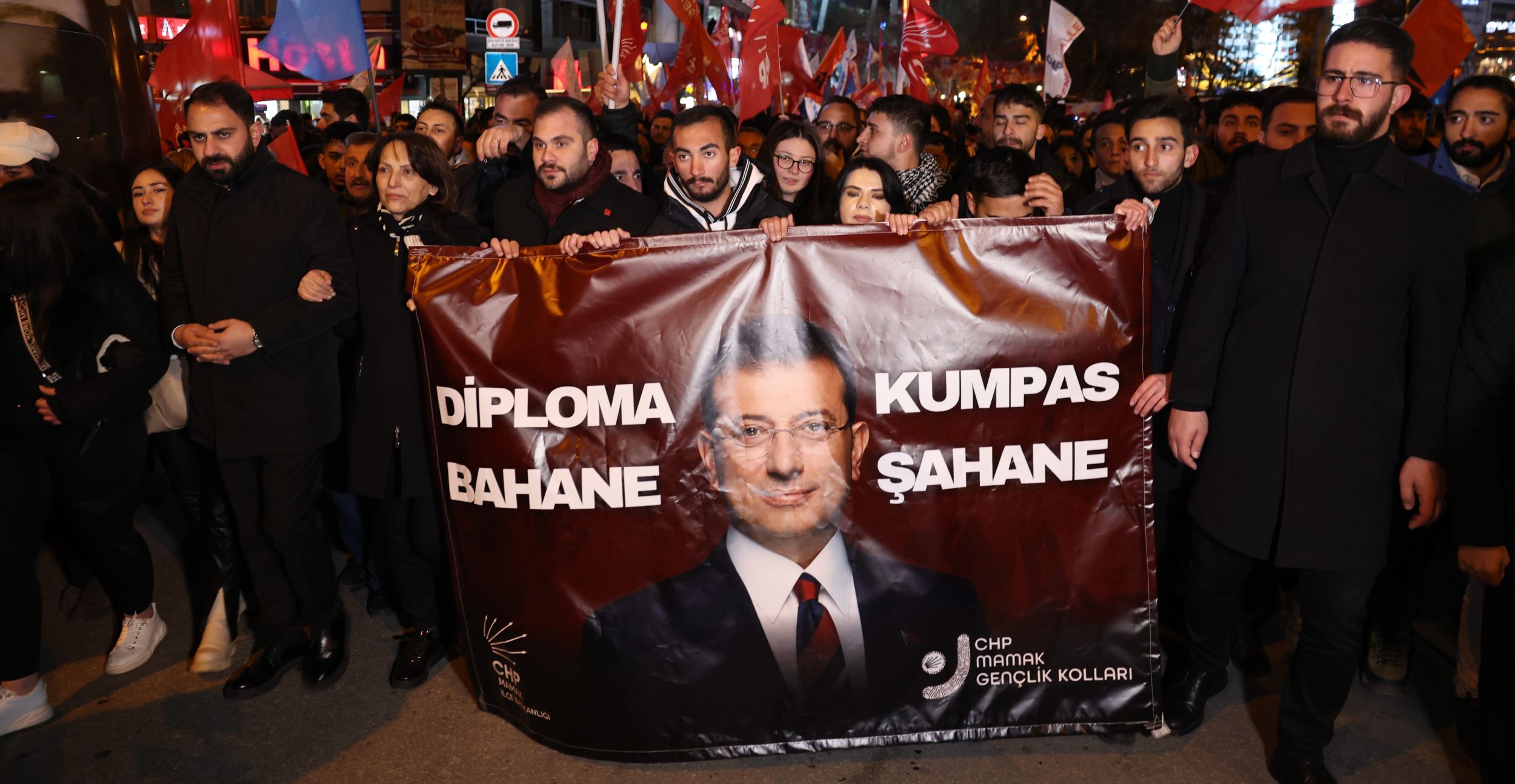
Just days before Turkey’s main opposition party was set to select its next presidential candidate, the leading contender, Istanbul Mayor Ekrem Imamoglu, was arrested and jailed, effectively removing him from the race.
The Damascus-SDF Agreement: A Turning Point for Syria?
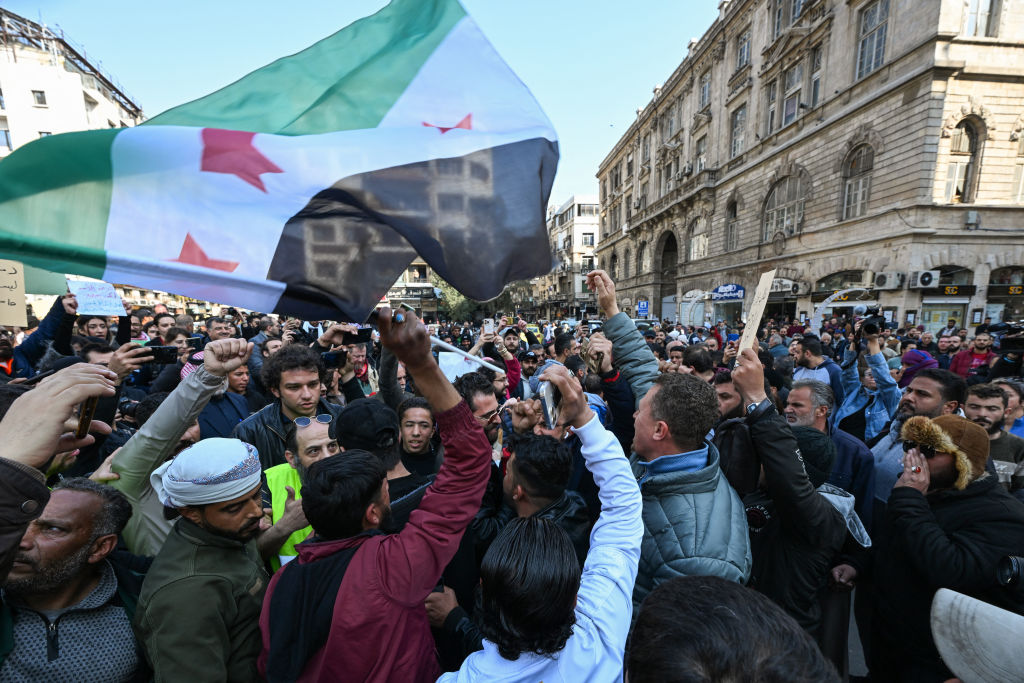
Syria’s political landscape has undergone a major shift with the recently announced agreement between the predominantly Kurdish and American-backed Syrian Democratic Forces (SDF) and the transitional Syrian government. After weeks of negotiations, this deal signals a potential breakthrough in the country’s long and complex path to reunification.
Trump’s recast of US power risks undercutting Middle East stability
President Donald Trump’s administration dialed up its use of military power in the Middle East this past week just as it took more steps to dismantle American institutions central to advancing peace and stability through diplomacy.
Roadmap for America’s Leadership in AI Action Plan
In response to the request for information (RFI) from the National Science Foundation (NSF) and the Office of Science and Technology Policy (OSTP) regarding the “Development of an Artificial Intelligence Action Plan” in support of the objectives set forth in Executive Order (EO) 14179, the Middle East Institute (MEI) offers five recommendations to solidify the United States’ position as the global leader in AI innovation while addressing critical ethical, regulatory, and infrastructural imperatives.
War of words as Turkey-Iran tensions escalate over Syria, Iraq
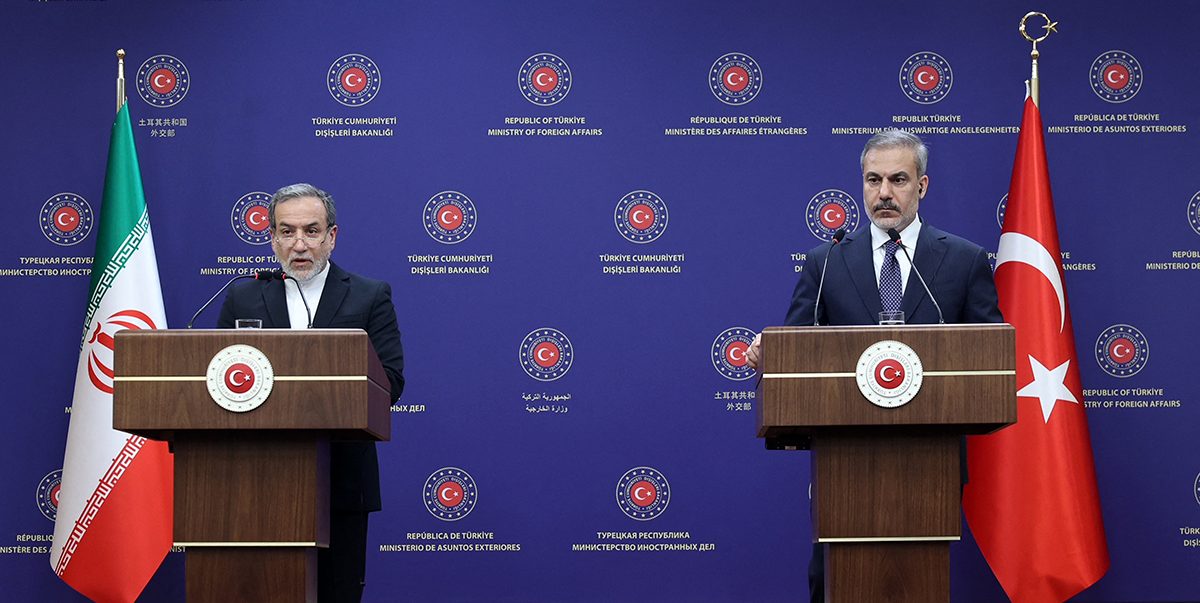
After decades of managing tensions through careful balancing, Turkey and Iran now find themselves increasingly at odds following recent shifts in the regional balance of power. With Ankara emboldened and Tehran on its back foot after the fall of the regime of Bashar al-Assad, the struggle for influence between the two neighbors and long-time rivals is escalating in both Syria and Iraq and could spread well beyond their borders.