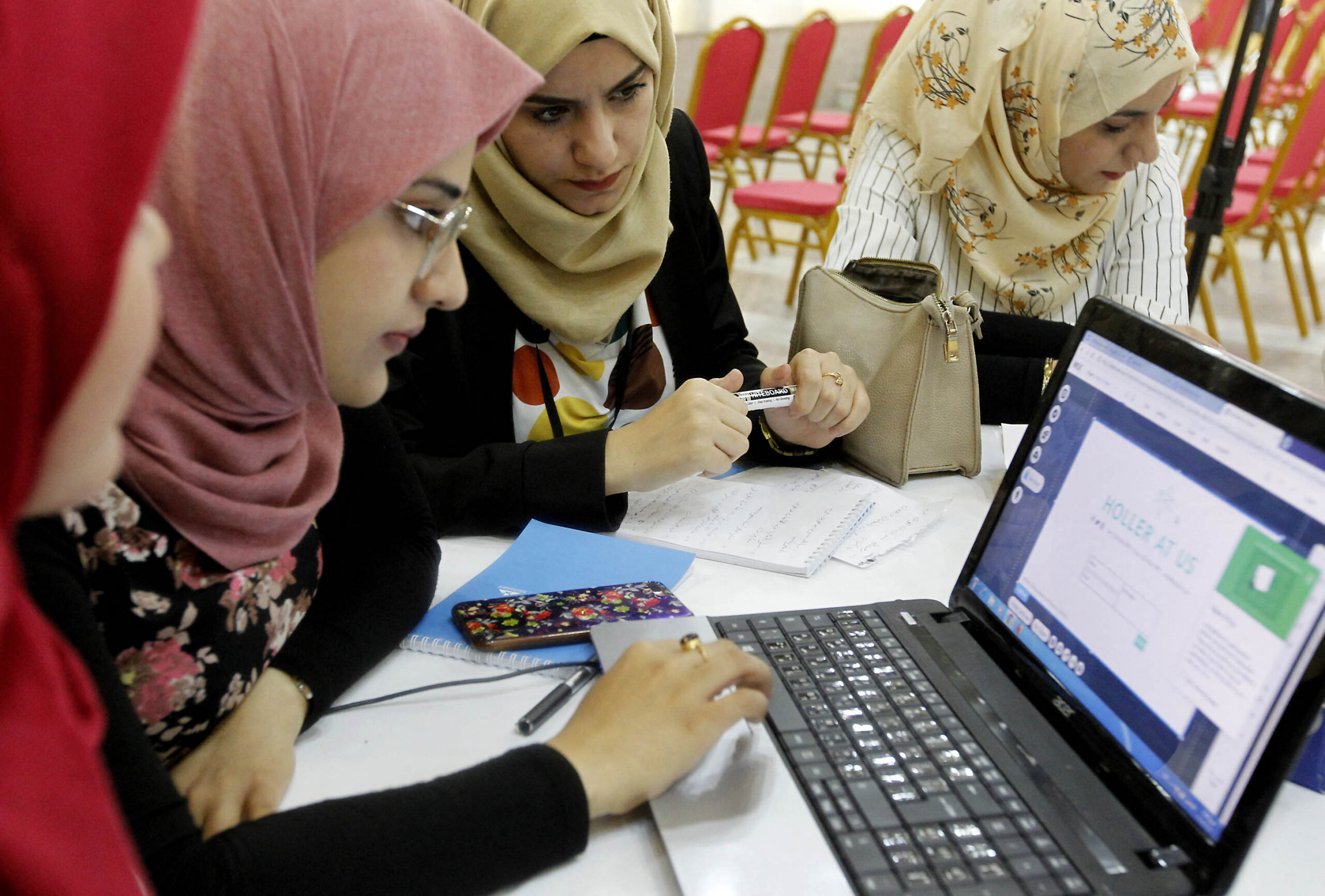
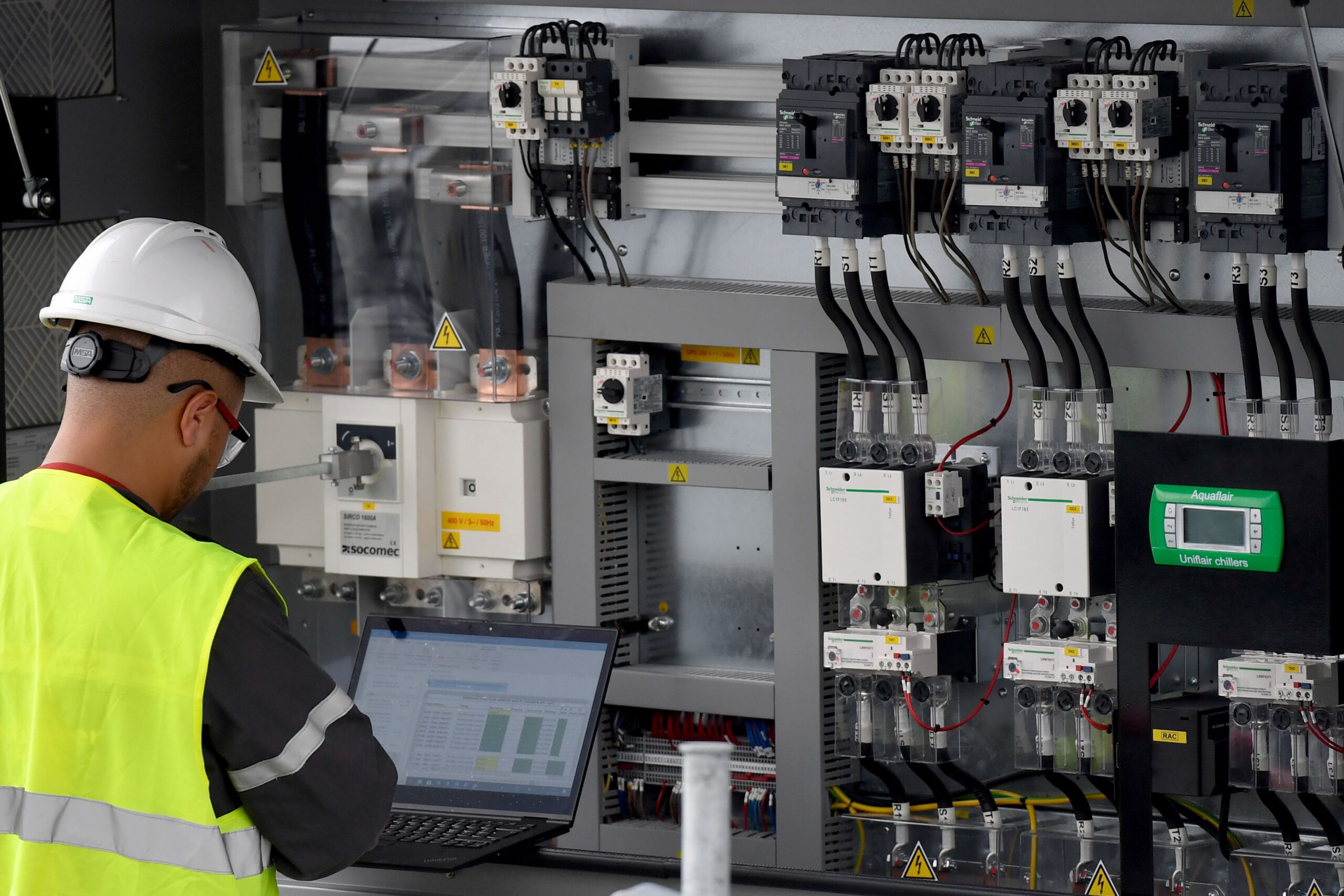
For decades, the MENA region’s pivotal role in the global economy has been rooted primarily in oil and gas exports. The region’s GDP grew from $1 trillion USD in 2000 to nearly $4.5 trillion in 2022, and more than 60% of that combined GDP is in its oil-exporting countries.
To counter China, Trump’s administration should build on Biden AI memo
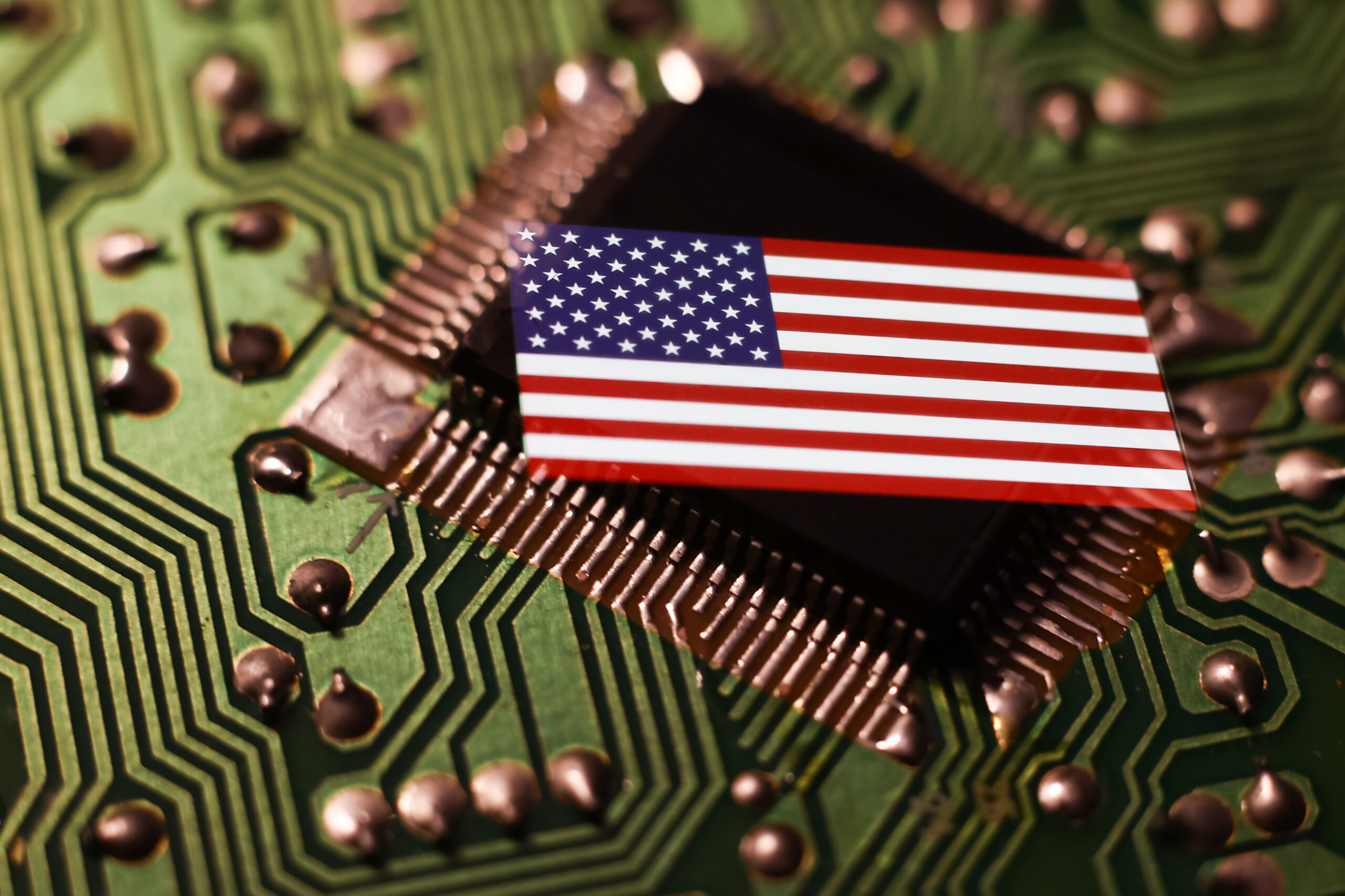
Across both the Biden and Trump administrations, the US has consistently viewed China as the primary global rival, particularly in the fast-evolving field of artificial intelligence. President Biden’s administration recently underscored this stance with the first-ever National Security Memorandum (NSM) on AI, which set a firm foundation for addressing the AI challenge posed by Beijing.
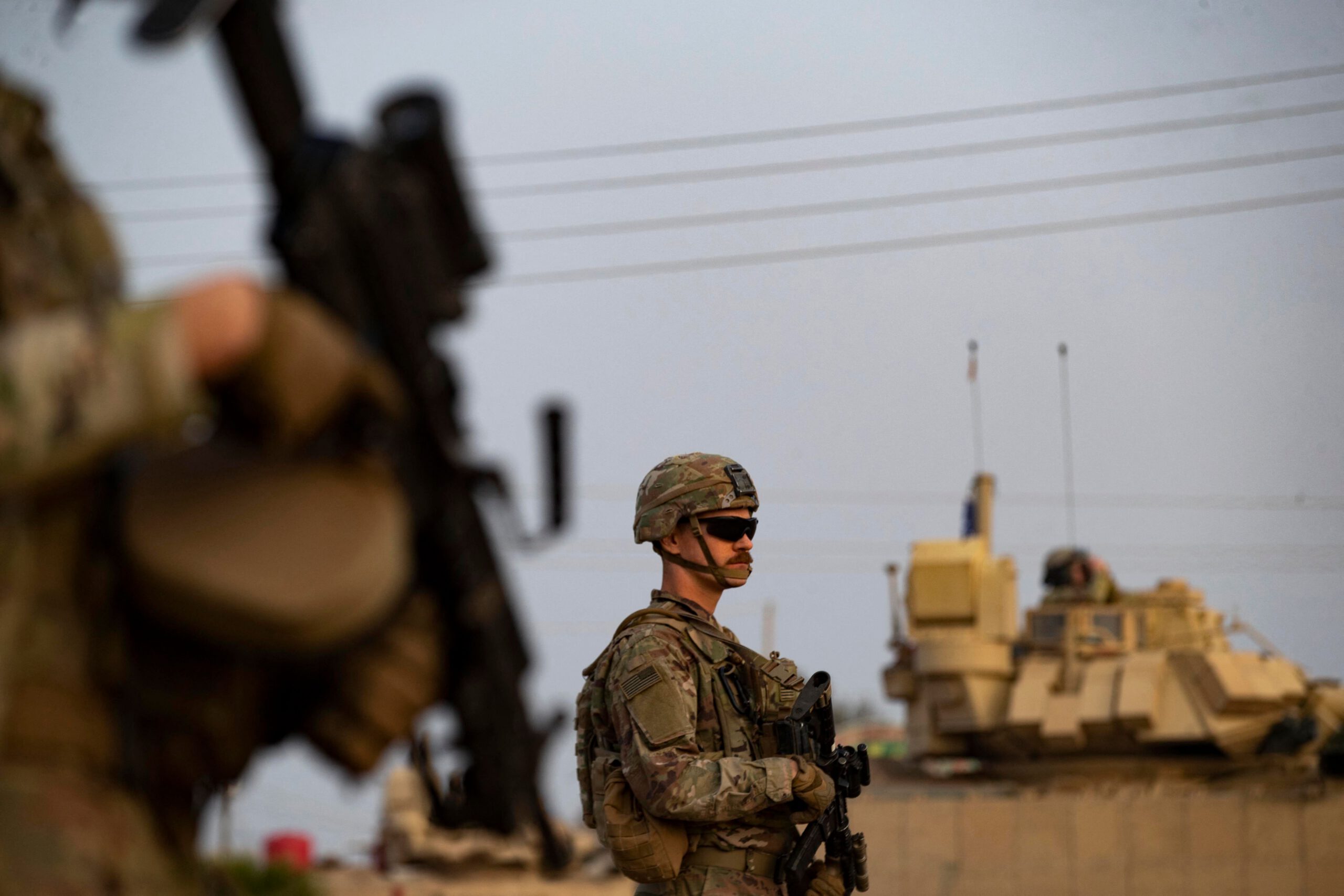
To abandon the Syria mission now would bring no meaningful benefit to the US, but it would swiftly and significantly empower America’s adversaries, like ISIS, Iran, Russia, and Assad’s regime.
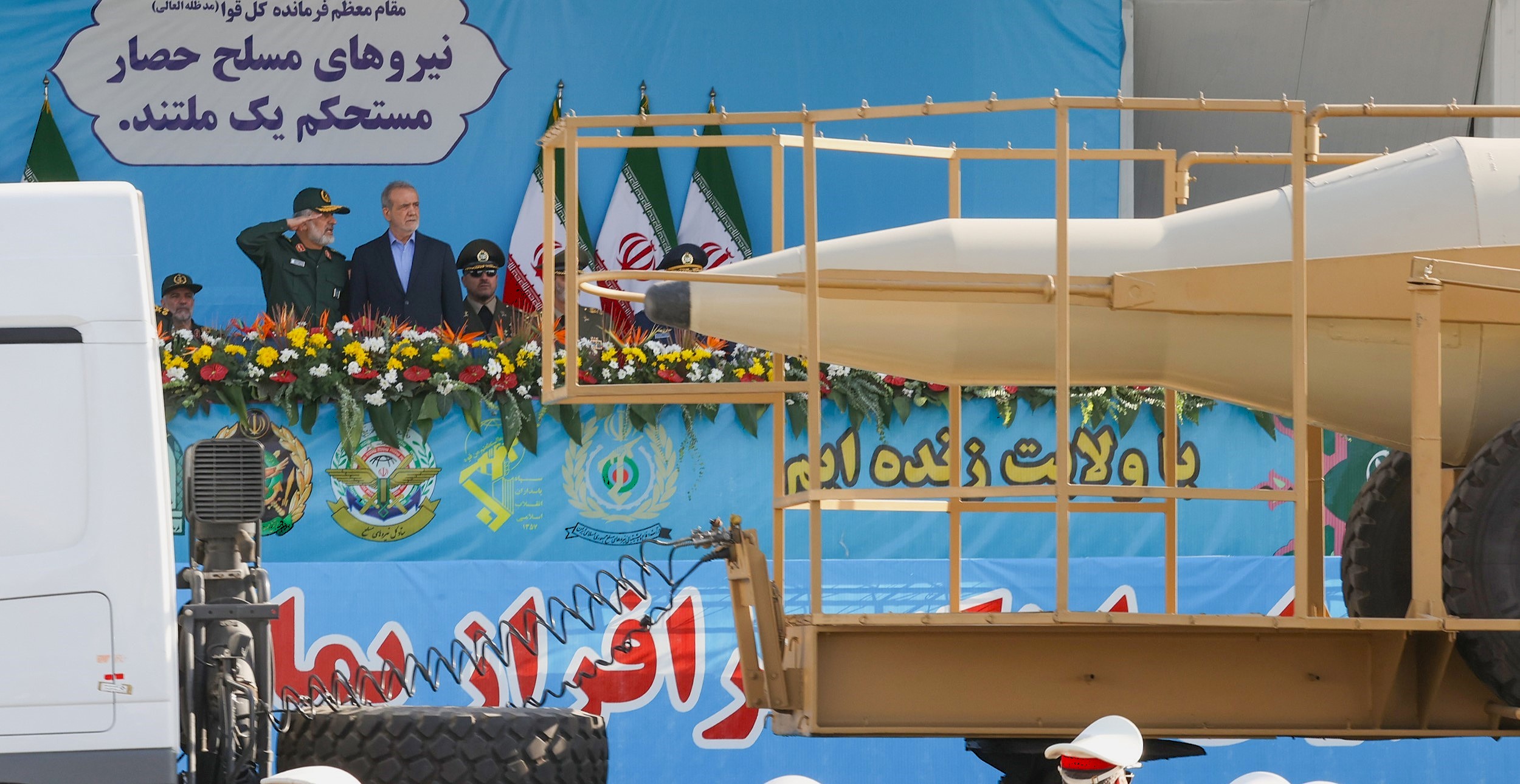
As Donald Trump prepares to return to the White House, the main question in Tehran is not so much what the incoming American president will do about Iran. Rather, it is about whether Tehran should negotiate with him.
How might US-Israeli relations evolve under the Trump administration?
MEI Senior Fellow for Israeli Affairs Nimrod Goren and Associate Research Professor Ilai Saltzman discuss potential shifts in US policy, the outlook for Israeli politics in 2025, and the challenges to advancing peace on the Israeli-Palestinian front. Tune in for expert insights on what lies ahead.
The Role of the Middle East in the US-China Race to AI Supremacy
AI is a pivotal catalyst for global innovation, with the United States at the forefront of the development of this transformative technology amid its ongoing great power rivalry with China. This report aims to define the concept of AI supremacy and to revise the US’ AI strategy in accordance with a more comprehensive understanding of it. The report also looks at how the competition has affected actors from the Middle East, namely the UAE and Saudi Arabia, attempting to steer the conversation on the global AI race toward a comprehensive conception of AI supremacy that is anchored in the realities of international affairs and US-China great power competition.
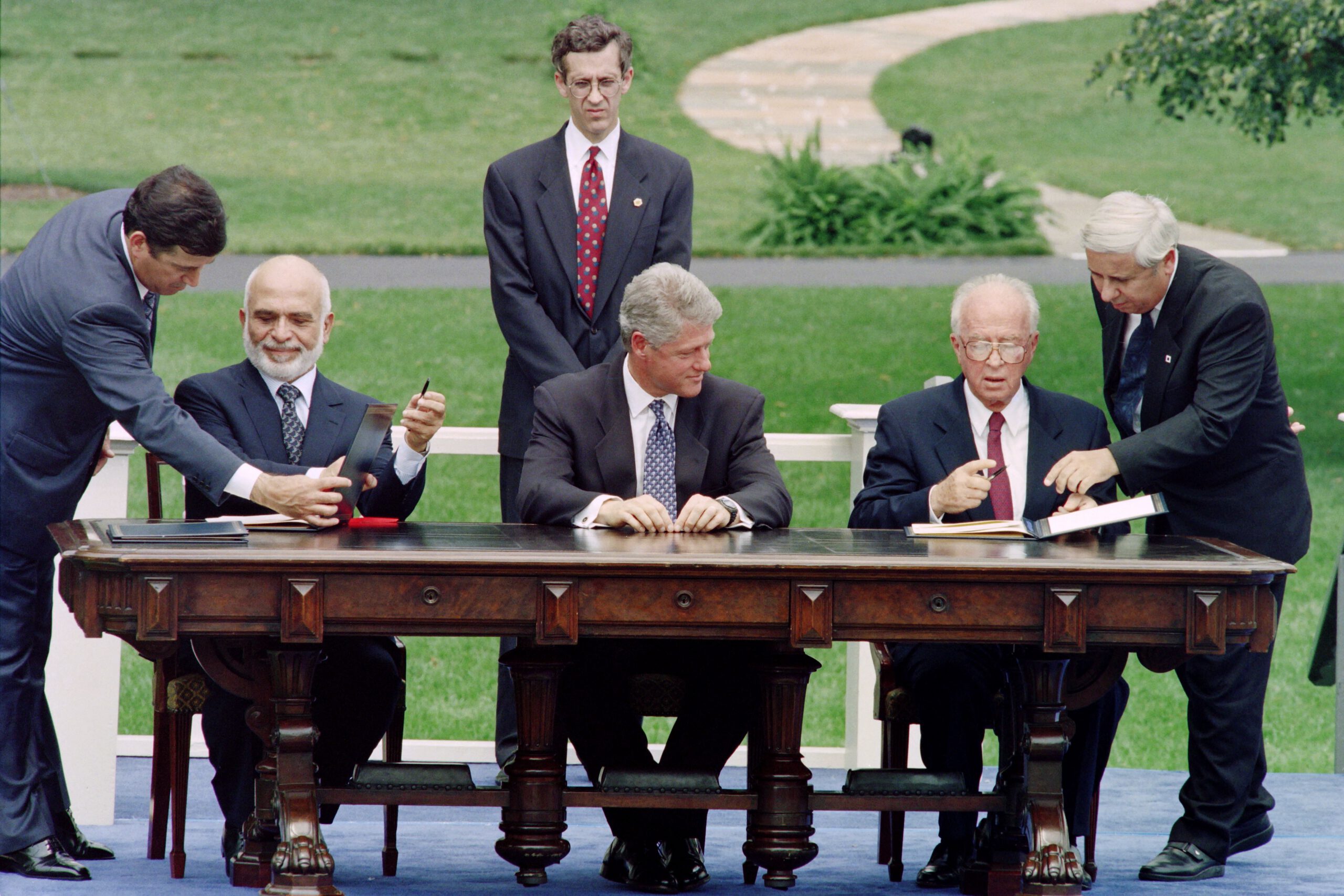
Reshaping the public discourse is key to restoring support for Israeli-Palestinian peace
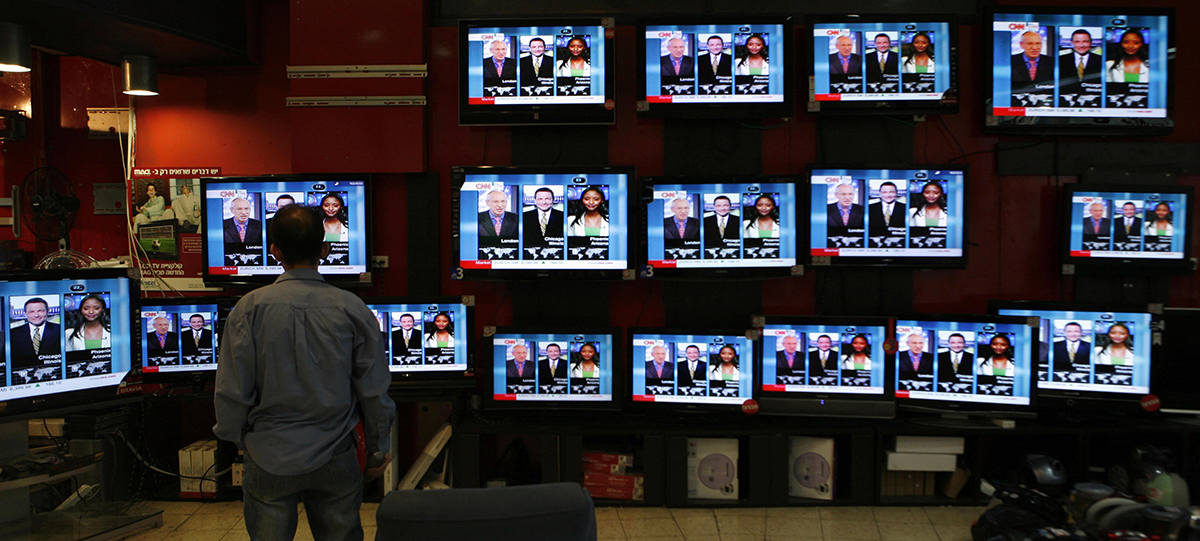
Supporters of peace, both local civil society actors and international partners, need to make a sustained effort to promote conflict resolution by shifting the public discourse of traditional and new media outlets, especially in Israel.
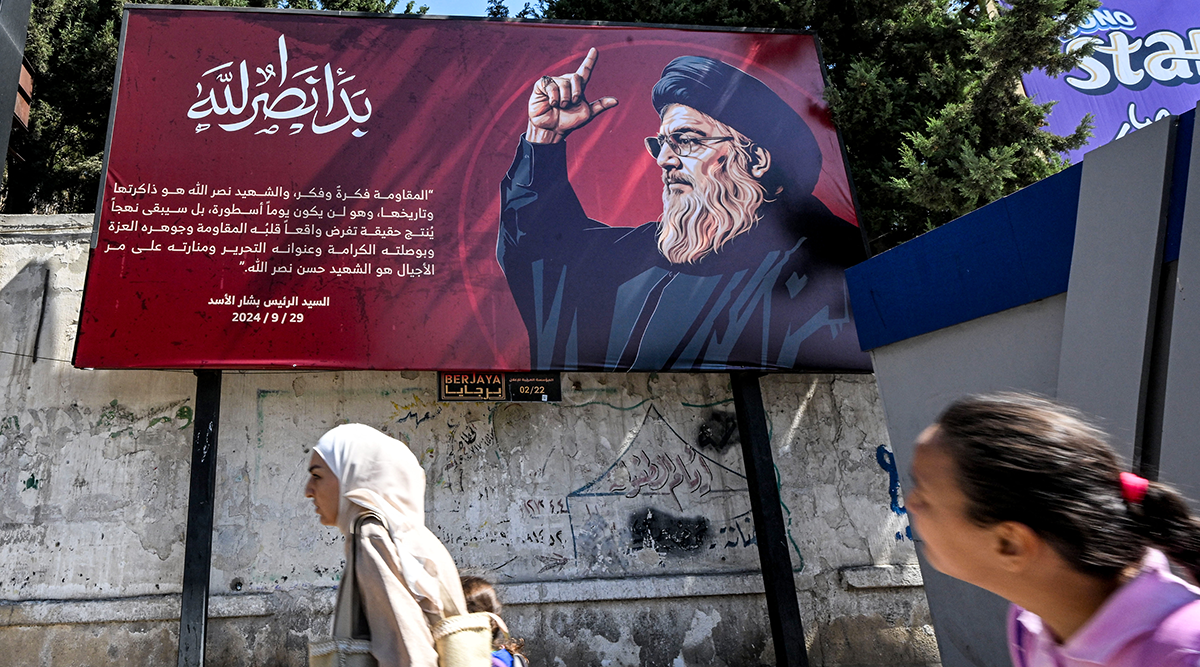
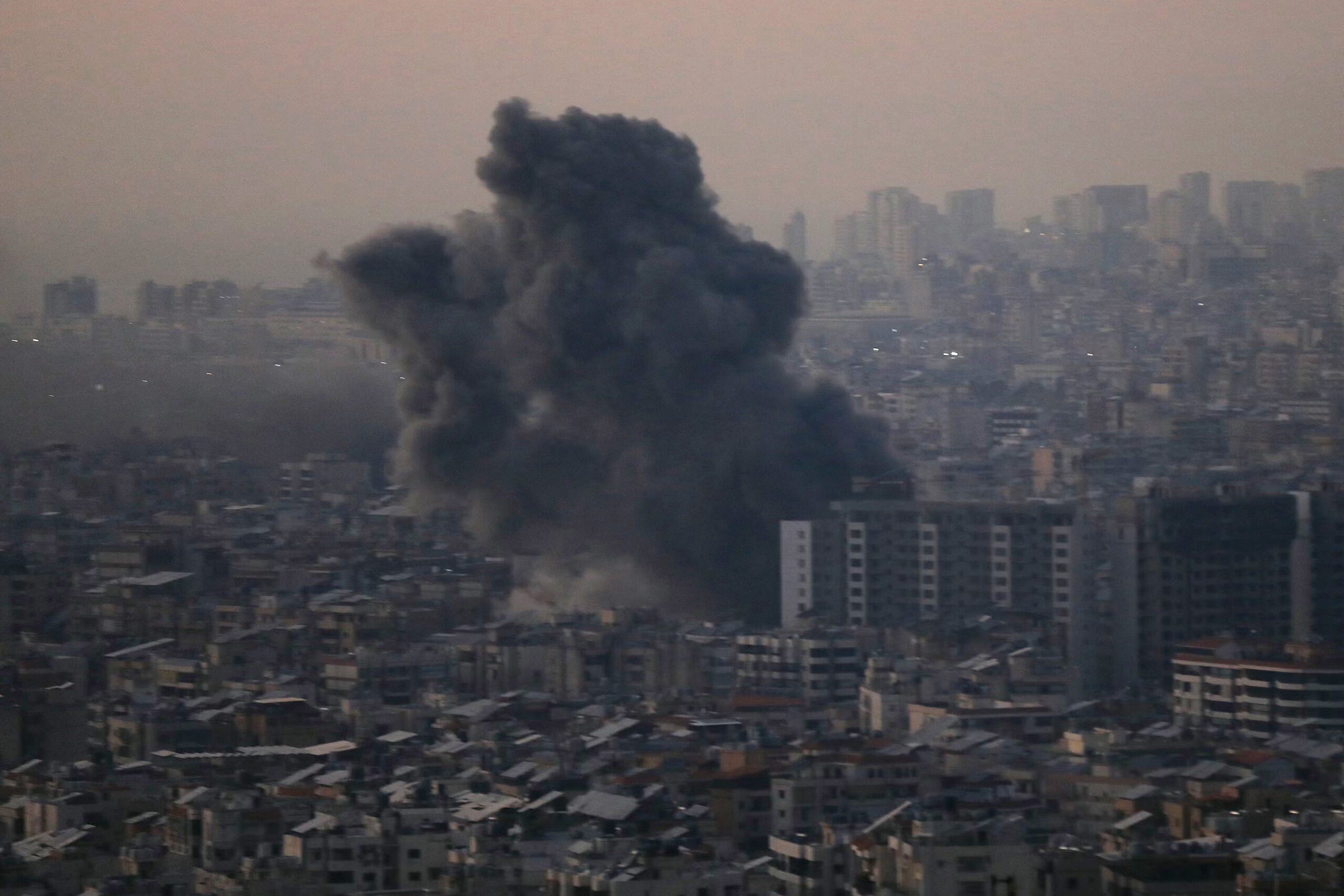
The Middle East has experienced an extraordinarily tumultuous year, as the ripples from Hamas’ assault on Israel on Oct. 7, 2023, continue to fuel hostilities in Palestine, Lebanon, Syria, Iraq, Yemen, and the waters of the Gulf. Amid all of this, Syria has received very little attention, despite its central role in Iran’s regional agenda. Now the Biden administration is reportedly “hopeful” that Bashar al-Assad will soon permanently block Iran’s ability to support Hezbollah in Lebanon and is postured to reward Damascus for doing so. At best, such calculations should be described as optimistic; at worst, fanciful.
1,000 Days of Russia's Full-Scale War Against Ukraine
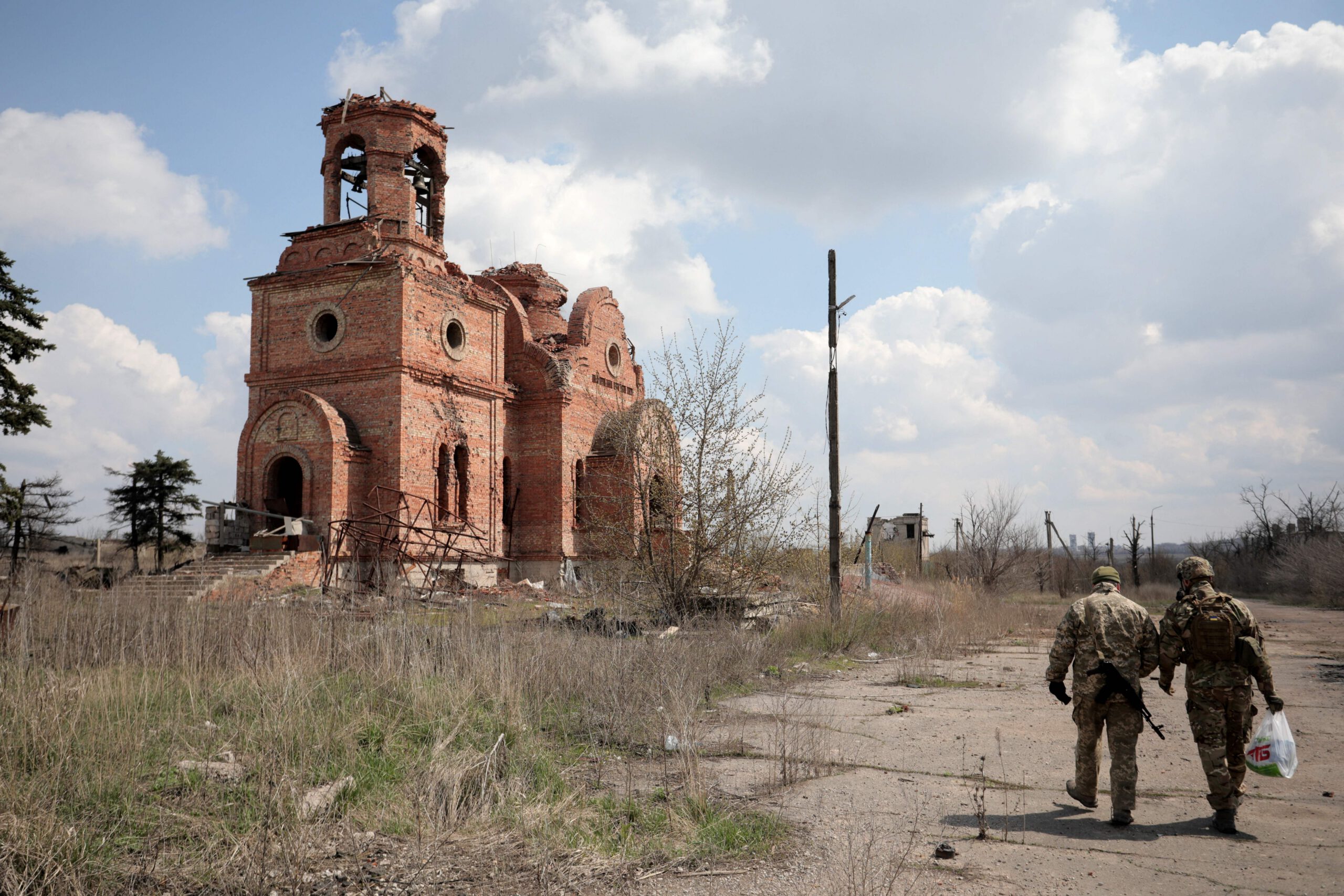
Wednesday, November 20, marks a somber anniversary for Ukraine: 1,000 days since Russia’s full-scale invasion of the country. Though the Ukrainians continue to hold out with Western assistance against Russian attacks, the past two-and-a-half years have been devastating for the country and its people. Ukraine now faces another winter at war as momentum appears to be shifting in Russia’s favor. What can the US and its allies do to ensure hostilities end as favorably as possible to Ukraine and in line with American strategic national interests?
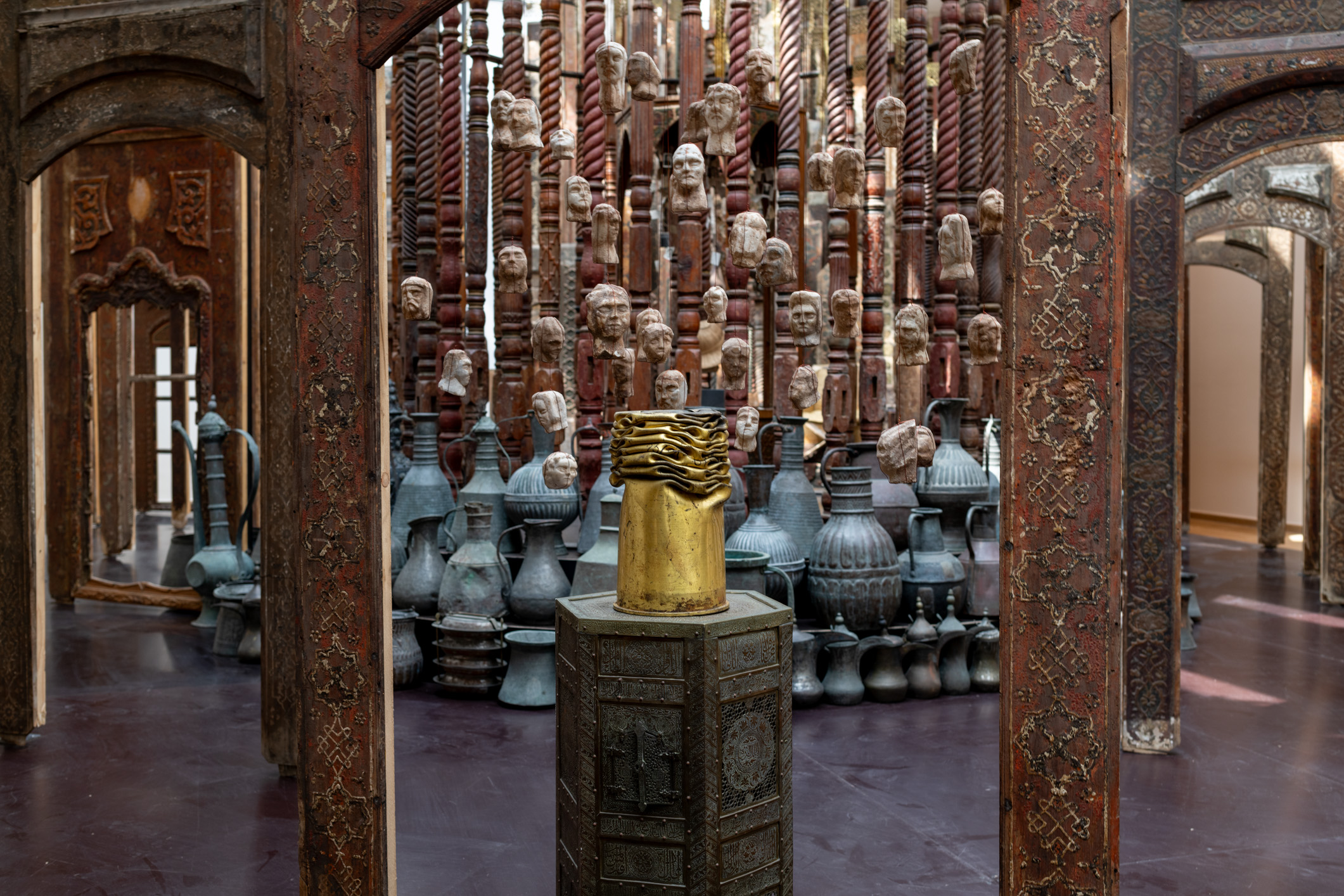
A Glimmer of Hope in a Time of War: The Beirut Museum of Art’s Mission to Heal and Regenerate Lebanon Through Art
Amid the ongoing calamity of war in Lebanon, the country’s cultural scene is determined to work against the odds to keep its heritage and art alive. Among the many projects that are determined to push ahead is the Beirut Museum of Art (BeMA), a museum long in the works whose mission is to preserve the country’s heritage and culture through modern and contemporary art.
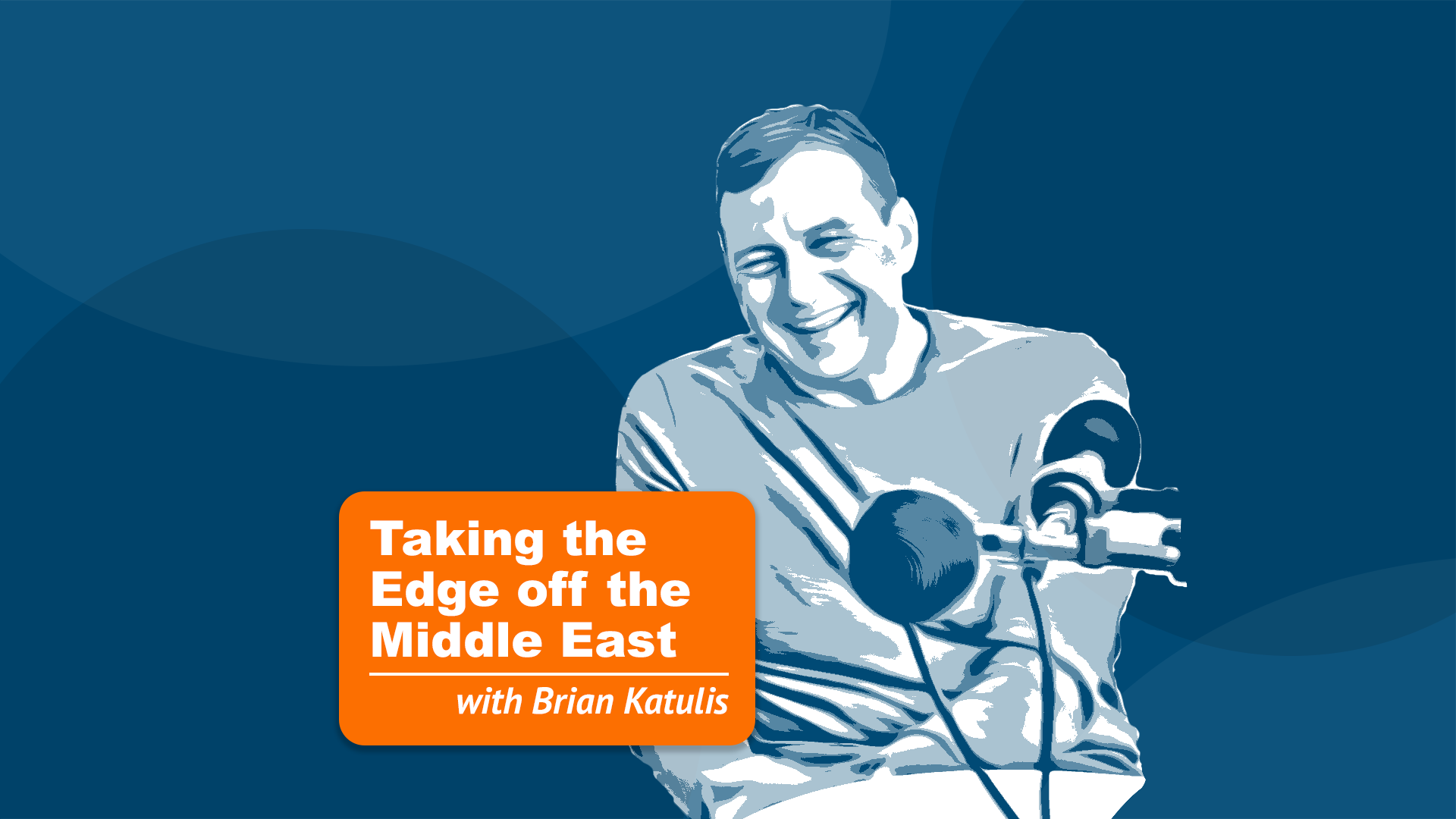
Steven A. Cook | 'Taking the Edge Off the Middle East' Ep. 5
Middle East Focus Presents: ’Taking the Edge Off the Middle East’ with Brian Katulis.
A series of casual conversations with leading policy professionals on the most important happenings in the Middle East today – hosted by MEI’s Senior Fellow for US Foreign Policy Brian Katulis.
Steven A. Cook, Senior Fellow for Middle East and Africa Studies at the Council on Foreign Relations, sits down with Brian to discuss his latest book “The End of Ambition,” their policy outlook with the incoming Trump Administration, and deteriorating discourse in Washington policy circles.