Special Briefing: Nasrallah killing reshapes the regional power balance
Expert regional analysis by MEI scholars and contributors.
This individual is a guest contributor. MEI is not able to assist with contact requests.
Expert regional analysis by MEI scholars and contributors.
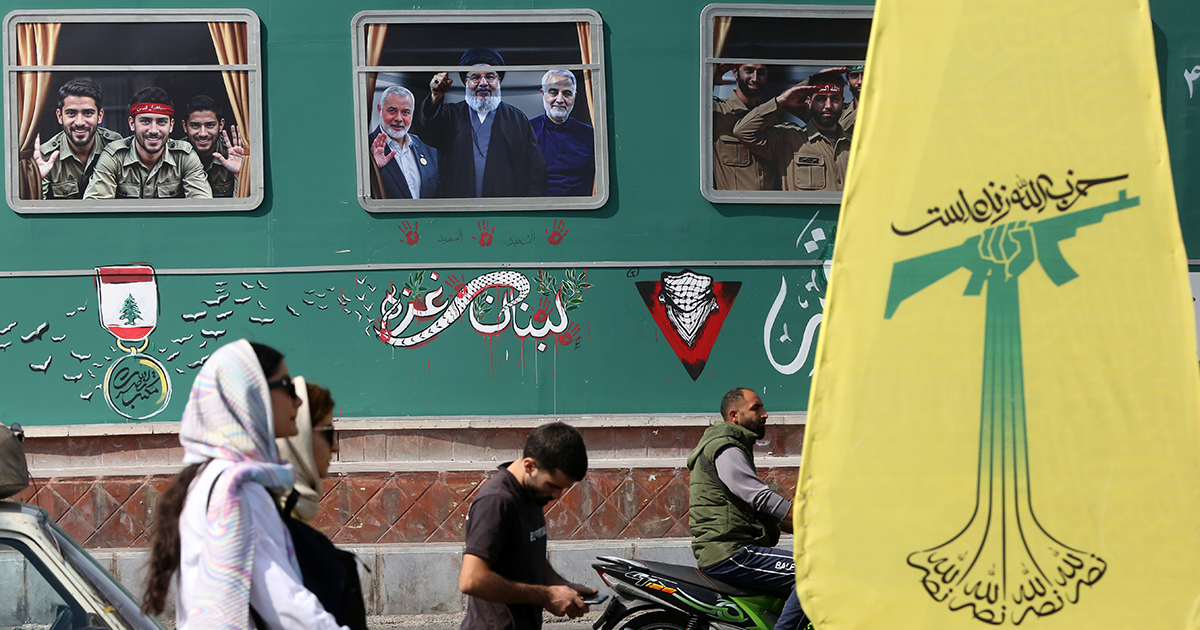
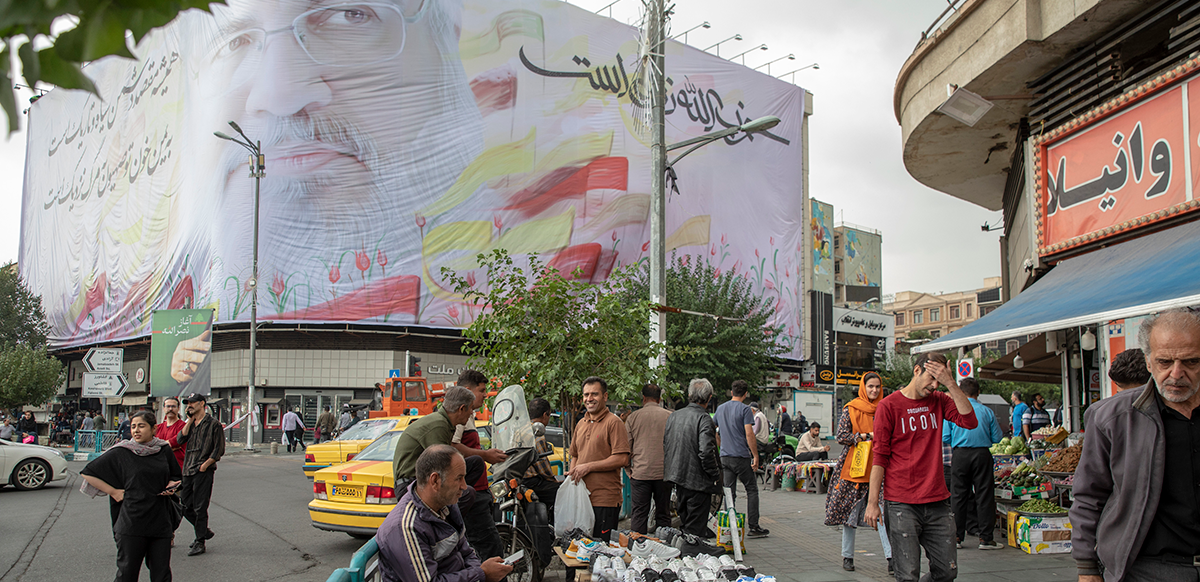
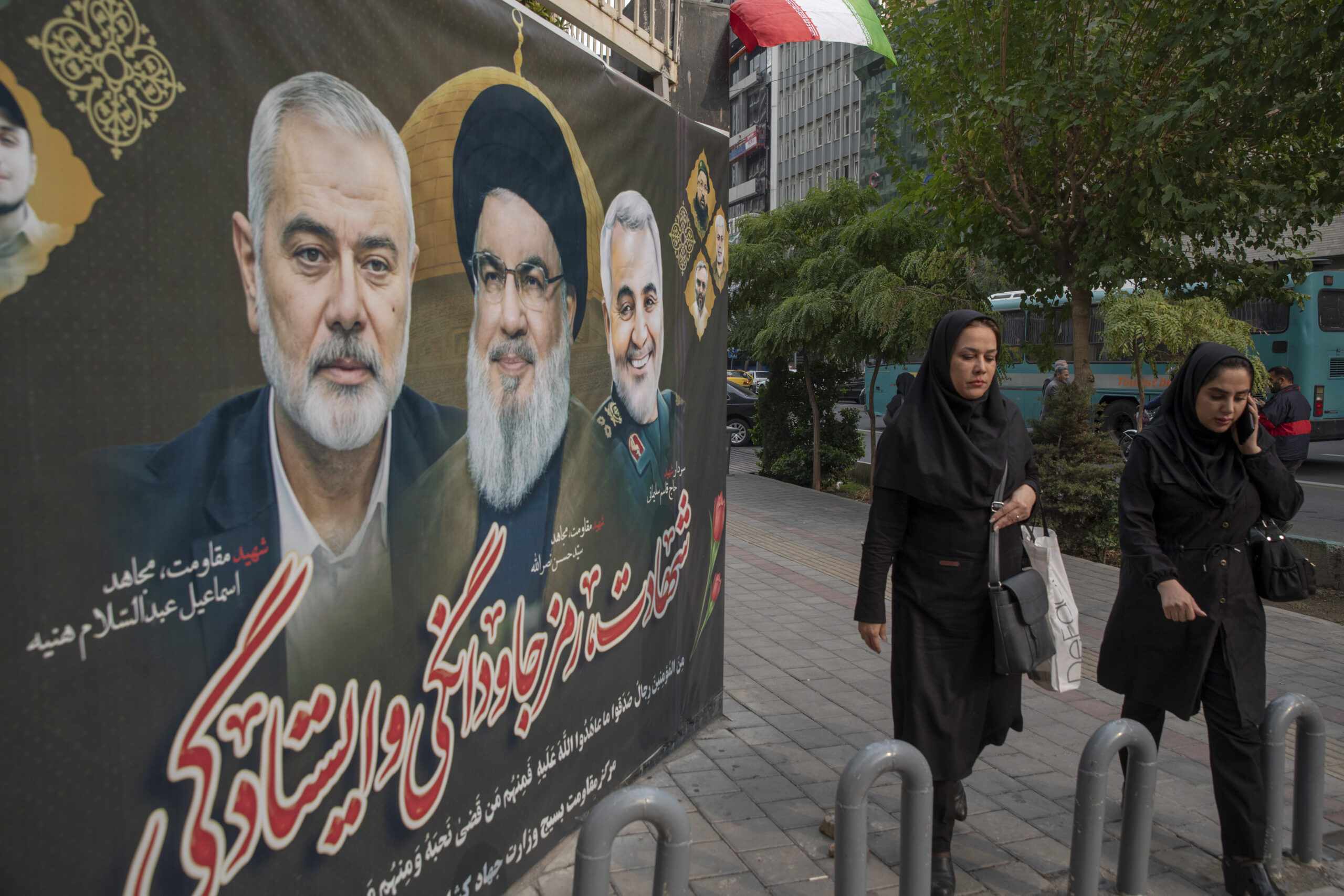
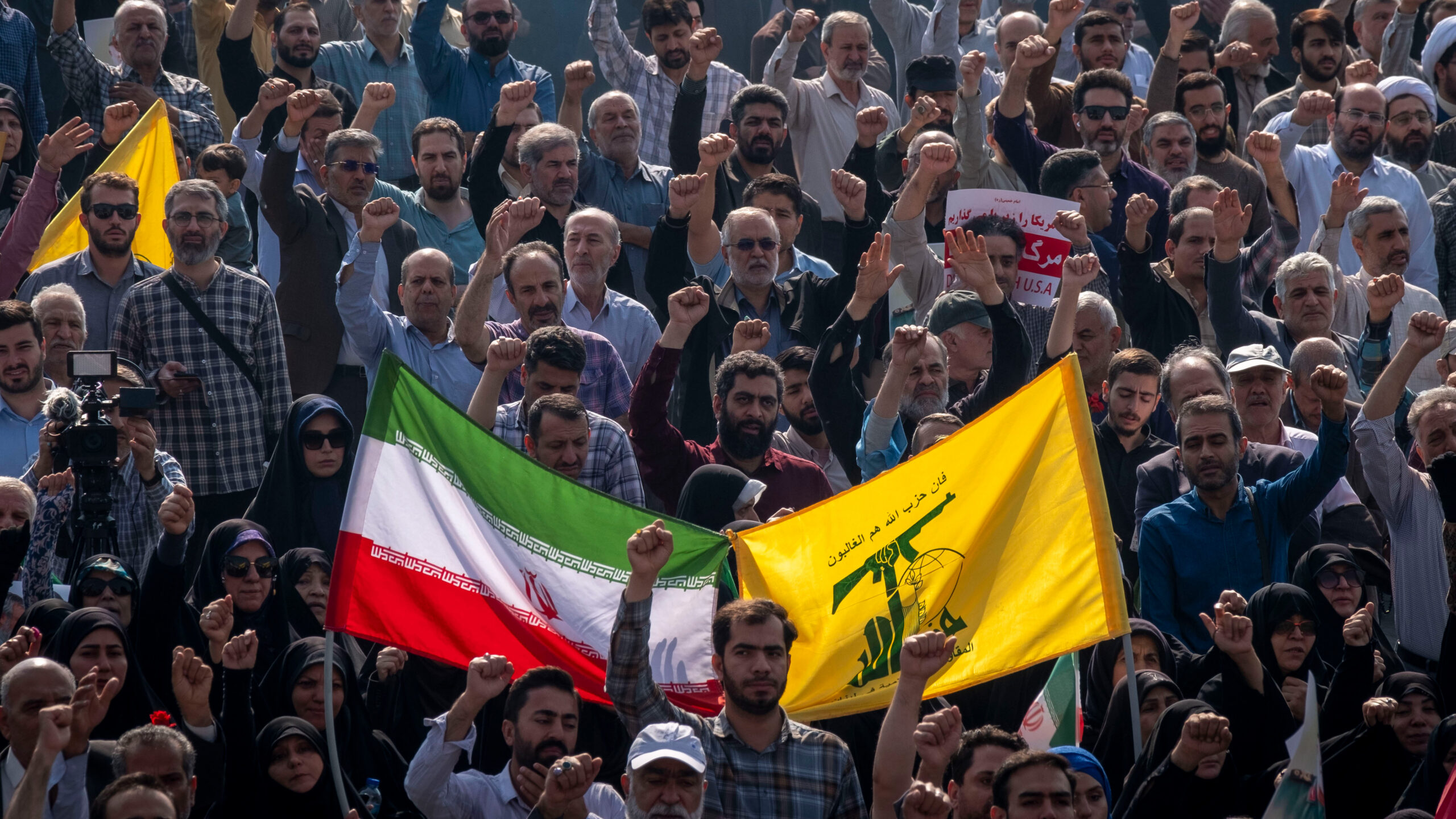
The killing of Hezbollah Secretary-General Hassan Nasrallah along with the rapid degradation of Hezbollah’s power over the past two weeks signals a tectonic shift in the Middle East.
Iran’s new president, Masoud Pezeshkian, arrived in New York this week for the United Nations General Assembly amid both widespread skepticism and a small dose of hopeful anticipation about his message to the world. In the end, he landed somewhere in the middle. The question now is how much leeway Supreme Leader Ali Khamenei and his foot soldiers in the Revolutionary Guards will give Pezeshkian in an attempt to start a new chapter.
The two leading presidential candidates in America’s 2024 election have made statements and established track records on the Middle East based on their time in office. This document aims to highlight the most important and reliable positions staked out by former President Donald Trump and current Vice President Kamala Harris.
China has made significant inroads in the Middle East through diplomacy, trade, investment, and infrastructure projects. Beijing advertises the benefits of its authoritarian development model and presents itself as a responsible alternative to the United States. What does this mean for MENA autocracies? Gregory Gause and Jon Alterman join Gonul Tol to discuss China’s growing presence in the Middle East.
Expert regional analysis by MEI scholars and contributors.
In the latest installment of the Defense Rapid Reaction series, experts from MEI’s Defense & Security Program provide their views on the likely evolution of the Israeli-Hezbollah war, the potential for the conflict to draw in outside actors, as well as the impact of the war on global terrorist recruitment and appeal for extremist activities.
The deadly, back-to-back pager/two-way radio attacks against Hezbollah, which killed dozens and wounded thousands of its operatives, undoubtedly signaled a new phase in the intense cross-border exchanges between the group and Israel.
Over the past few days, the conflict between Israel and Hezbollah has entered a precarious new phase, with Israel carrying out both unconventional attacks and heavy airstrikes against the Iran-backed Lebanese militant group, while Hezbollah has responded with an increase in retaliatory fire.
Three years since the US and allied withdrawal from Afghanistan, the facts on the ground challenge some more optimistic depictions of the Taliban’s counterterrorism cooperation with the US, al-Qaeda’s reemergence, or the capacity of ISKP to direct external attacks that could threaten American interests.
Expert regional analysis by MEI scholars and contributors.