Sara Sadek is an affiliated researcher and coordinator at the Center for Migration and Refugee Studies (CMRS) at the American University in Cairo. She obtained an MA in Refugee Studies from the University of East London. Since 2005, she has worked on various research projects on Iraqi and Sudanese communities in Egypt, contributing to a report on Iraqis in Egypt and recently producing a paper on challenges of integration for Iraqis in Arab states for the Henry L. Stimson Center’s forthcoming volume Transnational Challenges.
The Latest from Sara Sadek

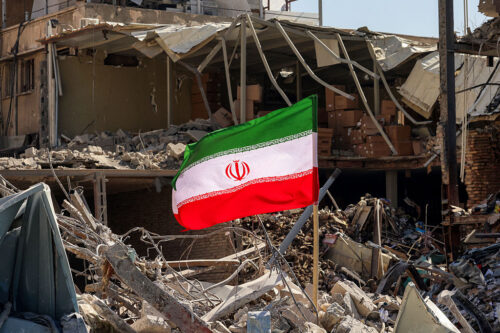
The Broadening Conflict: Security Developments and Regional Escalation
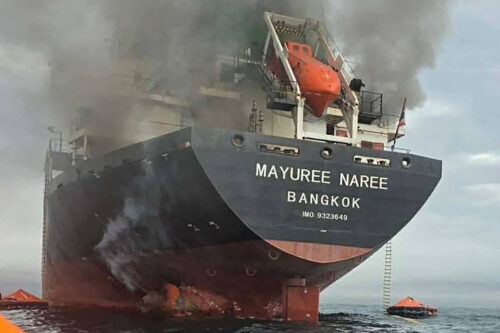
Shockwaves Across Asia: The Iran War’s Strategic Fallout
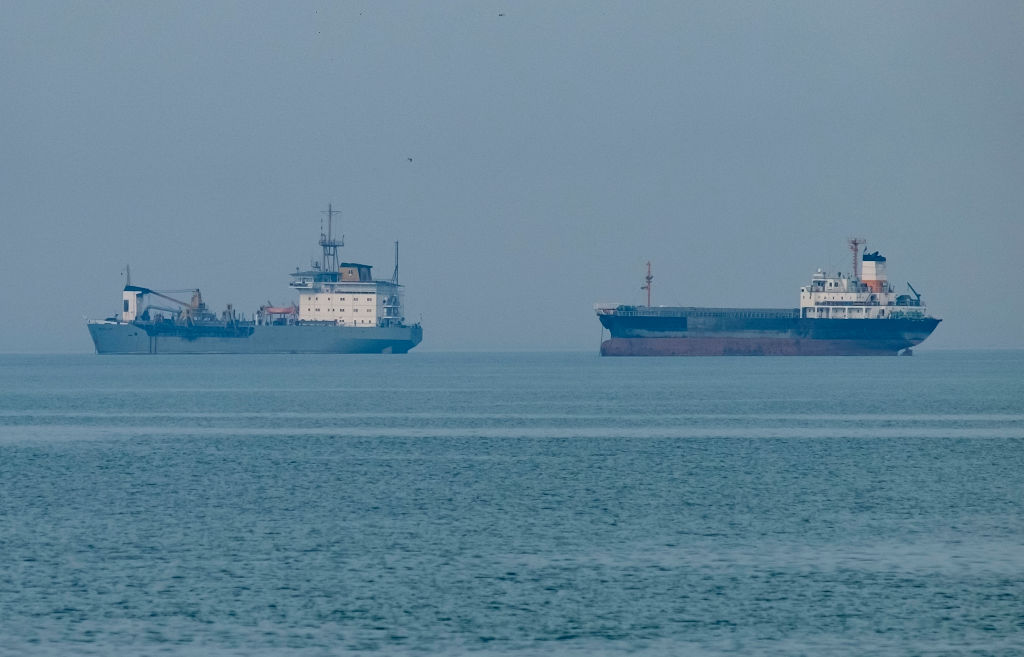
The Israeli-U.S. military strikes on Iran that began on February 28 have done more than ignite a Middle Eastern war. They have sent shockwaves rolling across Asia, from the Strait of Hormuz to the Sea of Japan, exposing the brittle underpinnings of regional energy systems, straining diplomatic balancing acts, and forcing governments to make hard choices they have long deferred.

Can Turkey Stay Out of the Iran War?
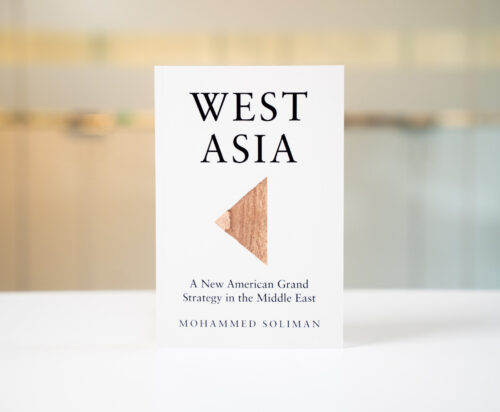
West Asia: A New American Grand Strategy in the Middle East
Book Launch Event
West Asia: A New American Grand Strategy in the Middle East
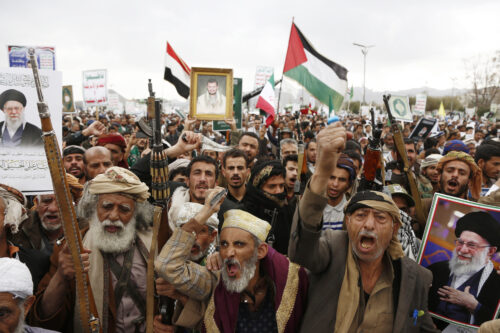
Iran’s insurance policy: Why the Houthis have stayed out of the fight
Nearly two weeks into the Iran war, one of Tehran’s most capable and disruptive regional allies, Yemen’s Houthi movement, has not entered the fight. The Houthis’ restraint reflects a strategic calculation by Iran’s Islamic Revolutionary Guard Corps.
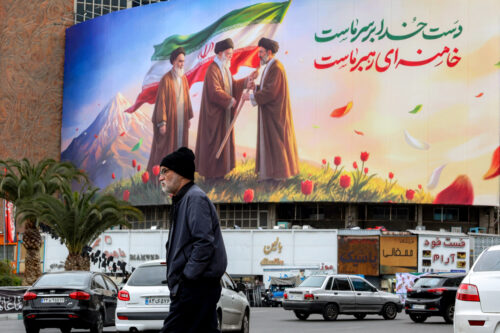
Iran, Mojtaba and the future of the Islamic Republic
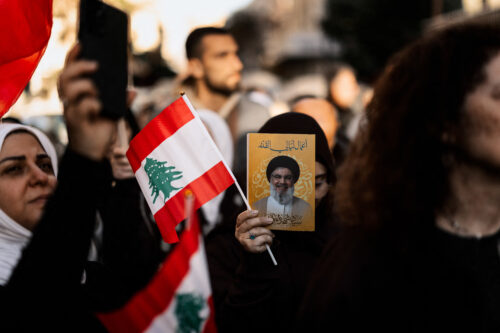
US Leadership Can Dislodge Iran from Lebanon
Operation Epic Fury has created a dramatic opportunity in Lebanon that the US cannot afford to miss. Sustained leadership and support for the Lebanese Armed Forces can result in real disarmament, eliminating Hizballah as an Iranian proxy, and dealing Tehran another massive defeat that would further undermine the Iranian regime and help bring about its collapse.
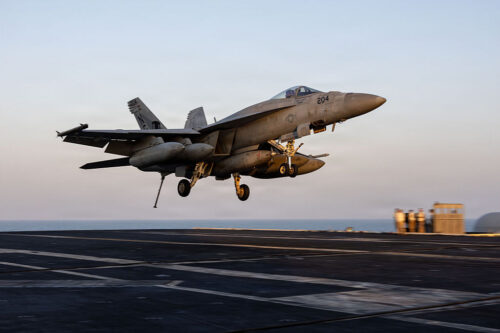
After the Most Intense Day of Strikes on Iran: What Comes Next?
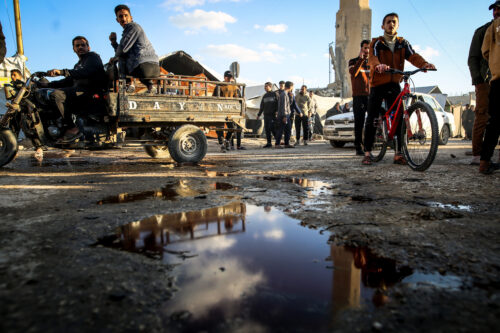
Why we must talk about Gaza now
As the war with Iran consumes regional attention, Gaza is again being pushed aside. That is not just a humanitarian failure. It is a strategic mistake that could squander a rare opening for political transition while allowing Hamas to weaponize abandonment once more.

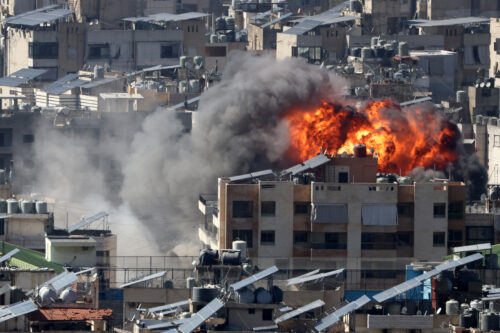
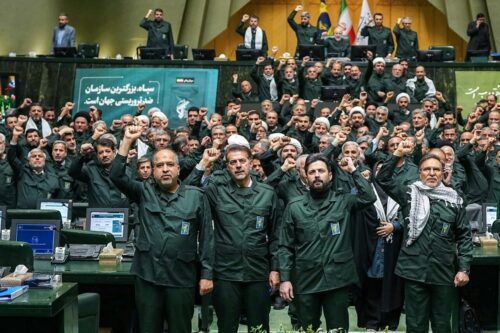
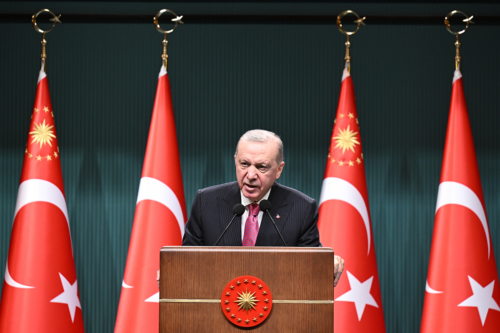
Turkey caught in the vortex of a widening Iran war
After months of trying to head off a US-Israeli war with Iran, Turkey now finds itself caught in the middle of it — and deeply concerned that a prolonged, regionalized conflict could pose serious security, economic, and political risks.