
Sara Sadek is an affiliated researcher and coordinator at the Center for Migration and Refugee Studies (CMRS) at the American University in Cairo. She obtained an MA in Refugee Studies from the University of East London. Since 2005, she has worked on various research projects on Iraqi and Sudanese communities in Egypt, contributing to a report on Iraqis in Egypt and recently producing a paper on challenges of integration for Iraqis in Arab states for the Henry L. Stimson Center’s forthcoming volume Transnational Challenges.
The Latest from Sara Sadek

Manal Deeb: Artist Spotlight
The walls of the Oman Library are decorated with delicate painted eyes, colored in hazel and warm greys. After only a few steps, their discreet, and grief-stricken nature gives way to boldness and haunting certainty. They are eyes that refuse to be ignored.

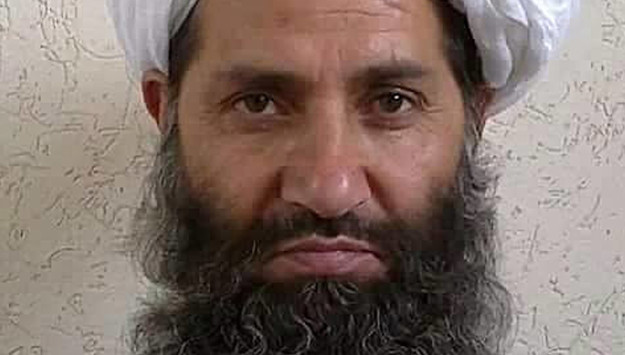
A New Taliban Leadership and Peace Prospects in Afghanistan
Read the full article at E-International Relations.
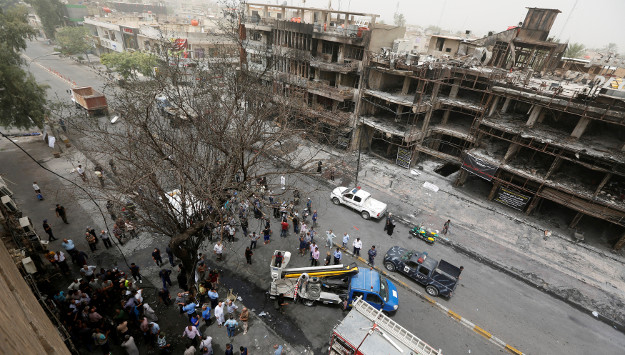
Weekly Briefing: Baghdad Bombing, NATO Summit, Israel’s Africa Outreach, and Saudi Embassy Trial in Iran
In this week’s briefing, MEI experts Hassan Mneimneh, Daniel Serwer, Paul Scham, and Alex Vatanka provide analysis on recent and upcoming events including the ISIS bombing in Baghdad, this week’s NATO summit in Warsaw, Israel’s outreach to Africa, and the trial in Iran over the ransacking of the Saudi embassy.
Iraqi PM Under Pressure after ISIS Atrocity
Hassan Mneimneh, MEI Scholar
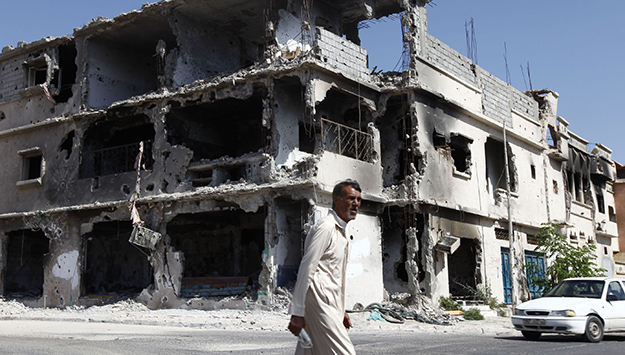
Kick-Starting Governance in Libya
After the liberation of Sirte from ISIS, now the really hard work begins. The nine-member Presidential Council (P.C.) and the Government of National Accord (G.N.A.) that it named under Prime Minister Fayez Serraj have yet to receive an affirmative vote from the House of Representatives (H.O.R.) in Tobruk. Although a majority of H.O.R. members were prepared many weeks ago to confirm Serraj and his cabinet, speaker Aquila Saleh declined to bring the matter to a vote.
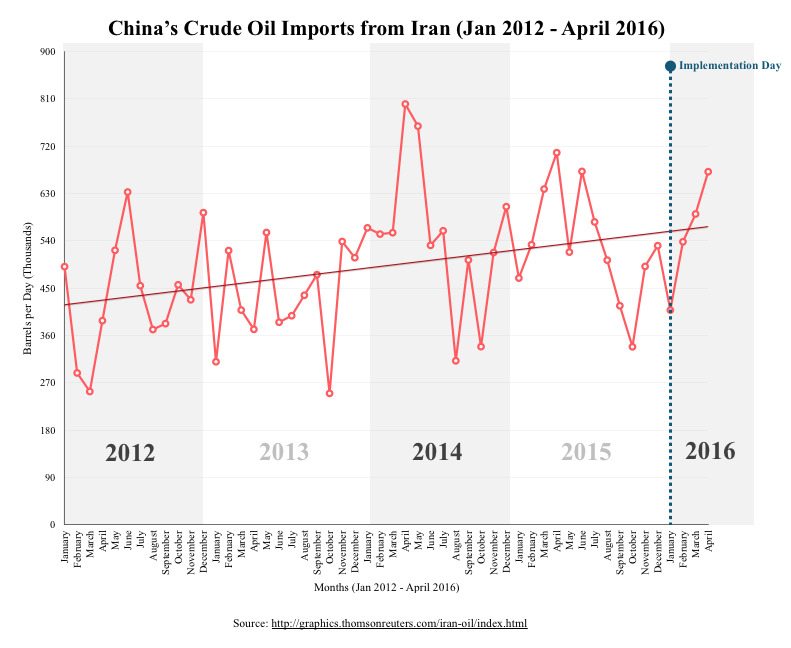
China's Crude Oil Imports from Iran
In 2011, China purchased 550,000 b/d, or 11% of its total crude oil imports, from Iran. However, the next year, China’s crude oil imports from Iran plummeted by 20% due to the imposition of nuclear-related sanctions on Iran by the U.S. and European countries. In 2012 and 2013 China’s purchases from Iran fell to just 8% of its total crude oil imports. Progress in the negotiations between Iran and the P-5+1 countries at the end of 2013 permitted China to restore crude imports from Iran to pre-sanction levels.
Ensuring More Effective Responses to Natural Disasters: Pakistan in Perspective
This essay draws on recent examples of efforts to respond to natural disasters in order to shed light on some of the main reasons such efforts often fall short of their desired outcome. To address these shortcomings, the author advocates, above all, the adoption of a long-term, holistic approach to disasters that could mitigate the risks associated with “slow burn” crises.
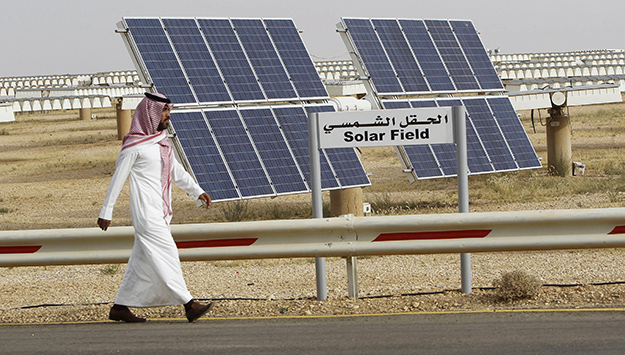
Vision 2030 and the Birth of Saudi Solar Energy
Summary
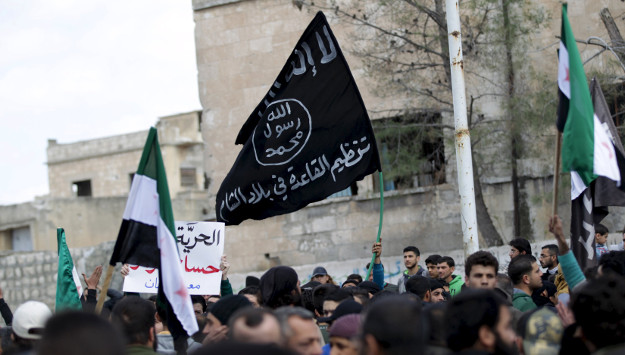
Governance Framework for Humanitarian Assistance and Disaster Response in ASEAN
This essay discusses the steps taken and progress made by the Association of Southeast Asian Nations (ASEAN) to address issues of humanitarian action and disaster response (HA/DR) in the region. The essay outlines ASEAN’s evolving governance framework for humanitarian and disaster relief (HA/DR), focusing on 1) the regulatory foundation, 2) key sectors and actors, 3) instruments to mobilize resources, and 4) coordination mechanisms. The essay also offers some thoughts about which principles and actions adopted by ASEAN member states aimed at strengthening their collective preparedness to respond to large-scale disasters might be applicable to the Middle East.
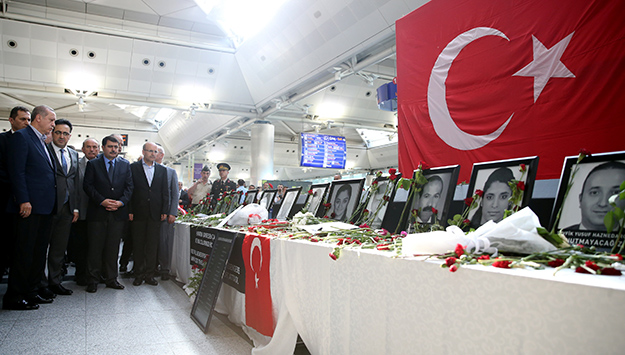
Istanbul Attack offers Turkey a New Start
The gut-wrenching tragedy at Istanbul’s Ataturk Airport offers a chance now to strike more damaging blows against ISIS. The cold-blooded massacre of June 28 reveals key facts that call for a rapid and comprehensive response. Recognizing the truth of this massacre opens the door to a new start in Turkey’s own war policy to complement its recent diplomatic efforts to improve its international ties.
Private Sector Engagement in Disaster Response: Opportunity and Lessons
Public officials and other stakeholders in the Asia Pacific and MENA regions face the challenge of finding ways to strengthen their capacity to respond to natural disasters, and thereby reduce the loss of life and economic damage caused by them. This essay examines the opportunities for private sector engagement in disaster response and humanitarian assistance and the potential contribution of such engagement to mitigating disaster impacts in the MENA region.
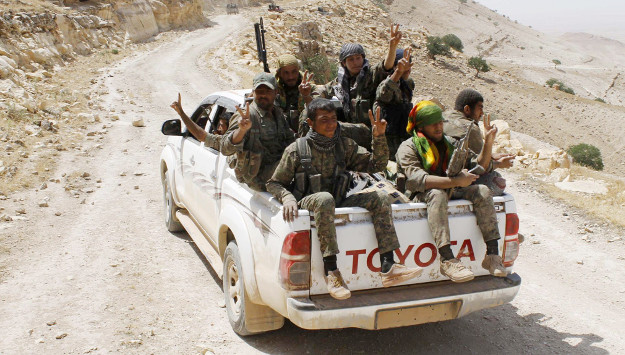
Bolstering Opposition Groups Could Be Key to War on Terror
Read the full article at The New York Post.
Having begun to turn the corner in the fight against ISIS earlier this year, it’s safe to say that we have now secured significant momentum in dissolving the terrorist group’s “state” project.
Although more victories have been won in Iraq, Syria too has witnessed ISIS lose a great deal more territory than it has won since mid-2014. It would seem therefore, that we have much to celebrate.