This individual is a guest contributor. MEI is not able to assist with contact requests.
Sean Foley is a professor of history at Middle Tennessee State University and specializes in the history of the Middle East and the cultural, political, and religious trends in the wider Islamic world. He has published widely and delivered public presentations to major institutions and conferences around the world. His second book, Changing Saudi Arabia: Art, Culture, and Society in the Kingdom, was published by Lynne Rienner Publishers in 2019 and is based on extensive in-country research and interviews. An Arabic version of the text with an updated introduction will soon be published. His first book, The Arab Gulf States: Beyond Oil and Islam, was published in 2010 by Lynne Rienner Publishers. He has also won multiple fellowships, including Fulbright grants to Syria, Turkey, and Malaysia. For more on his work, see his website www.seanfoley.org or follow him on Twitter @foleyse.
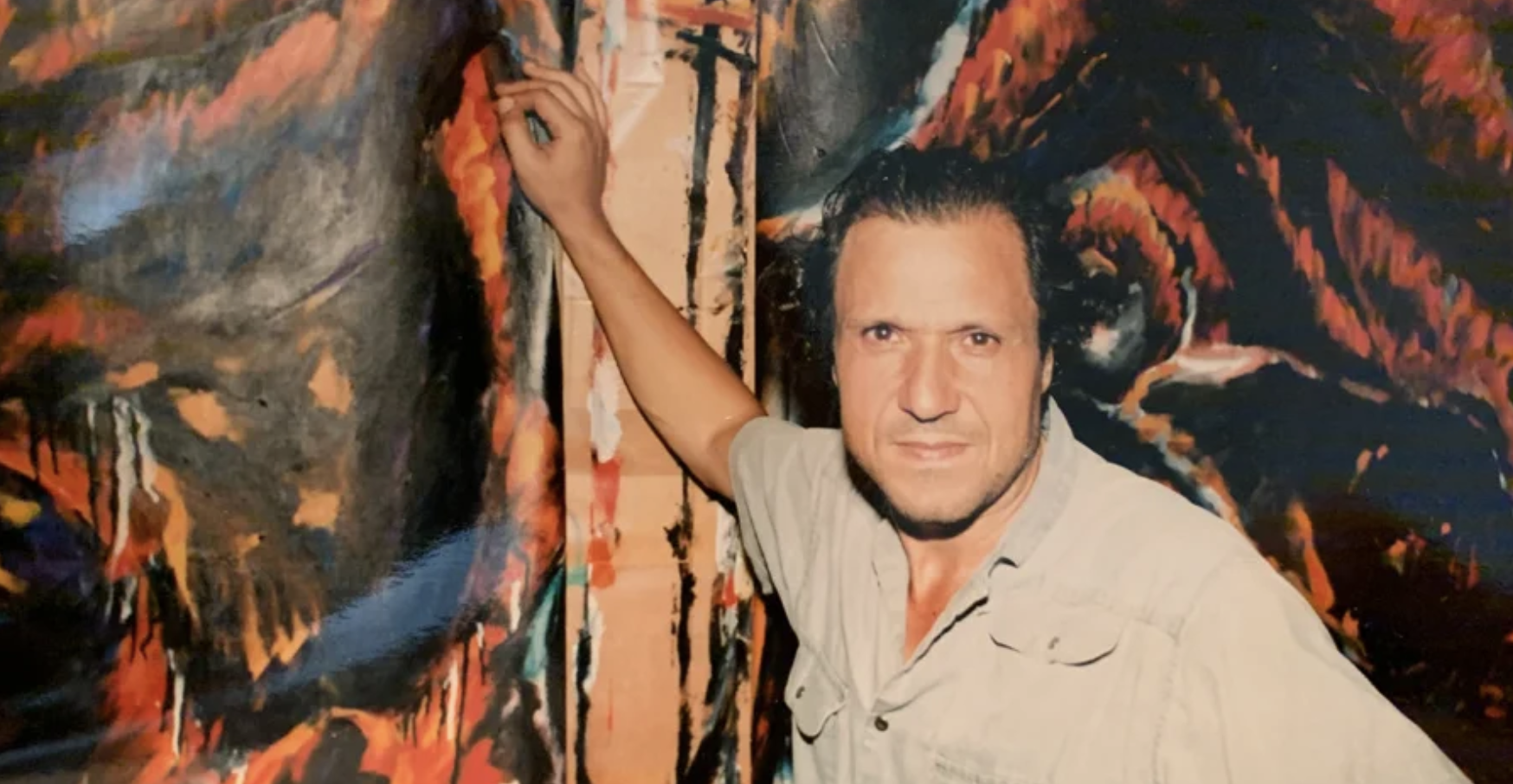
“Vision of darkness balanced by light”: Lebanese-American Artist Nabil Kanso’s Works Express the Current Moment, Decades After Their Creation
Nearly six decades after Kanso moved to America and began his career as a visual artist, his work remains enormously important, channeling the zeitgeist of our uncertain and violent era. Yet as dark as Kanso’s vision is, he also reminds us that even the most hellacious of contexts can contain light and the possibility of rebirth and renewal.
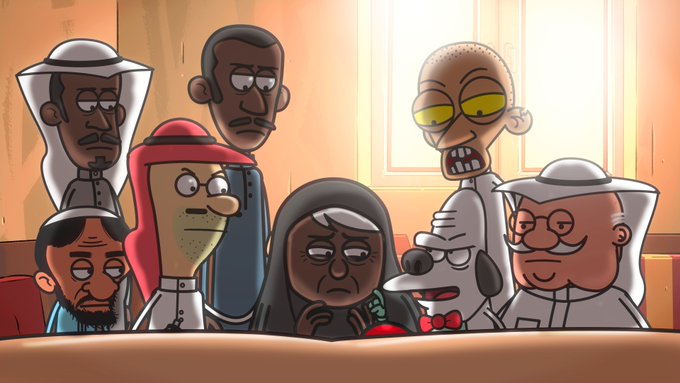
All in the family: How an animated series reflects social change in Saudi Arabia
Masameer County, the Netflix animated television series taking Saudi Arabia by storm, reveals how the country’s creative class, over the last two decades, has posed awareness-raising questions while reevaluating the assumptions and terms used to discuss contentious social issues. This is not the Saudi Arabia of clerics, oil, and the royal family, but the one experienced by everyday people.
Mahathir and his country’s reputation in the Middle East point to the wider global importance of Malaysia’s 13th general election and the potential for the diverse country to serve as a model for nations like Egypt, which have struggled after Arab Spring revolutions with key existential questions: determining the proper place of religion and women in public life, the role of the state in the economy, and national identity. Indeed, it remains unclear what the place of non-Muslims and secular-oriented populations will be in nations governed by parties that are committed to building states and societies defined principally in Islamic terms.
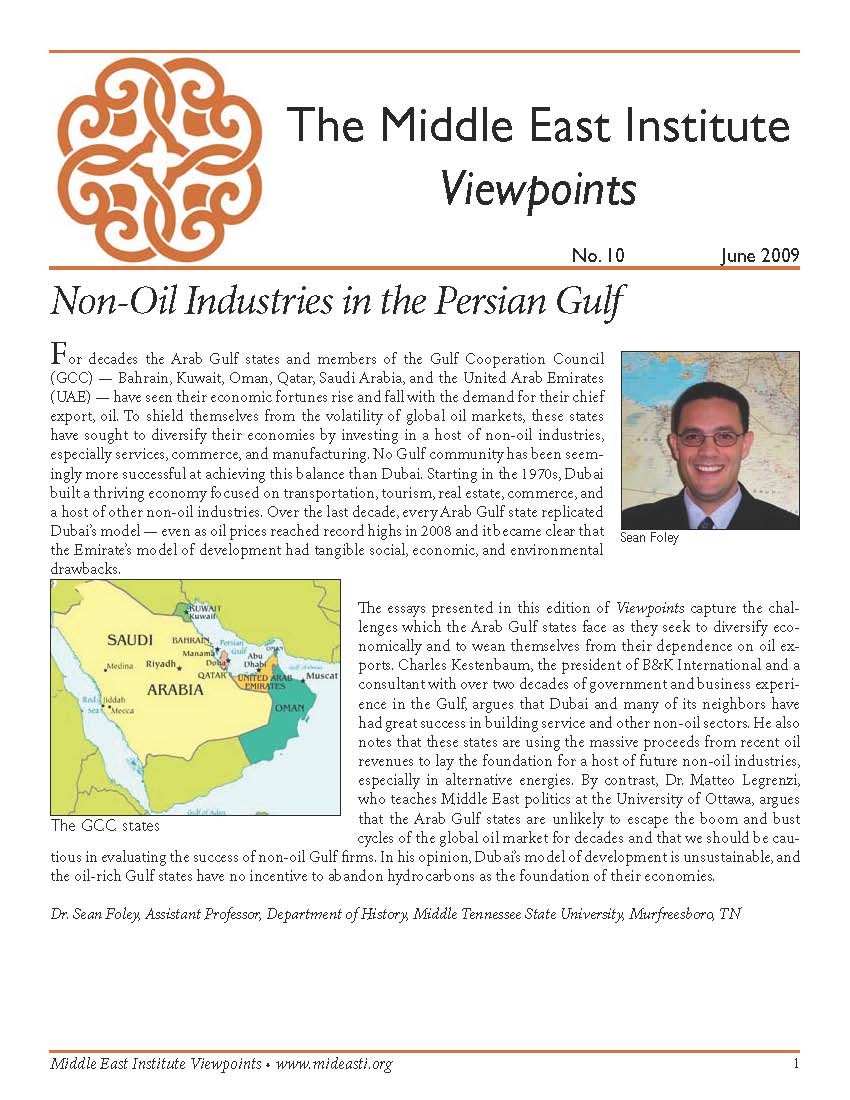
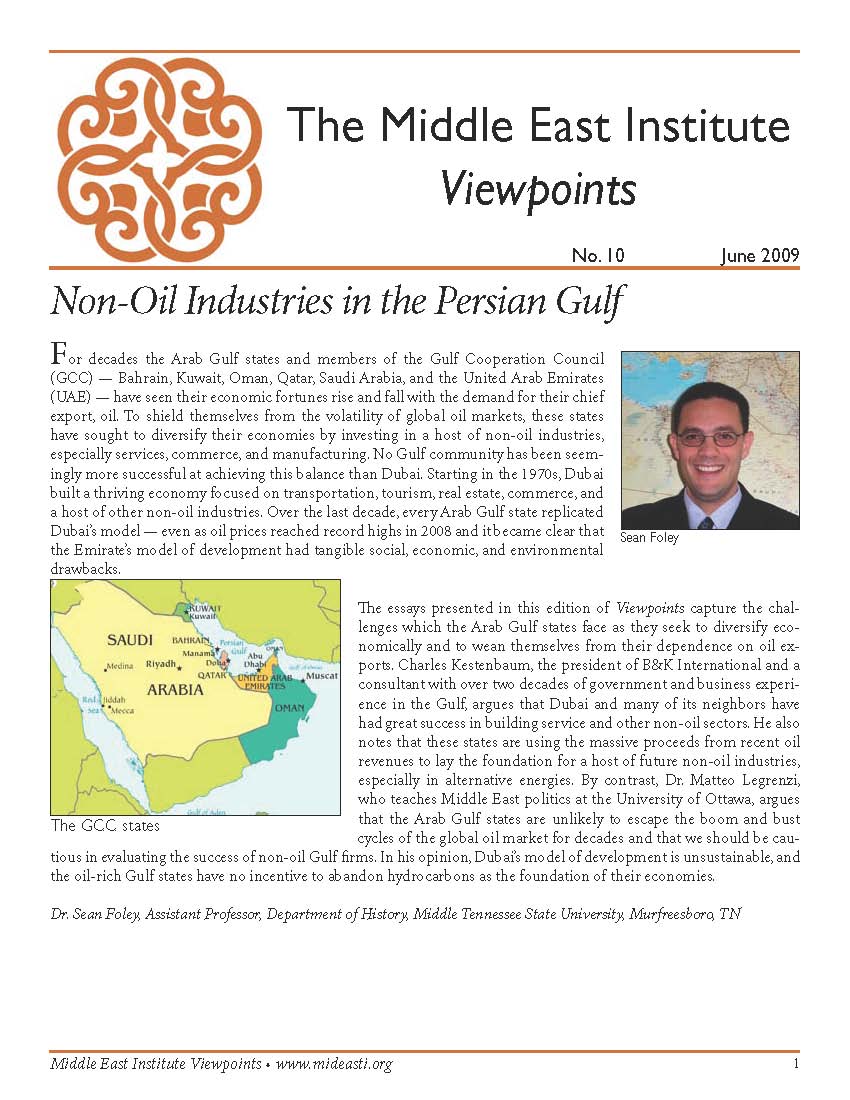
For decades the Arab Gulf states and members of the Gulf Cooperation Council (GCC) — Bahrain, Kuwait, Oman, Qatar, Saudi Arabia, and the United Arab Emirates (UAE) — have seen their economic fortunes rise and fall with the demand for their chief export, oil. To shield themselves from the volatility of global oil markets, these states have sought to diversify their economies by investing in a host of non-oil industries, especially services, commerce, and manufacturing.