Shahmahmood Miakhel is the Country Director in Afghanistan for the US Institute of Peace (USIP). Prior to that he was a Governance Advisor for the United Nations Assistance Mission in Afghanistan (UNAMA), and, from 2003–2005, a Deputy Minister of the Interior in the Government of Afghanistan. In 1994–1995 he worked for the United Nations Development Programme (UNDP) and United Nations Office for Project Services (UNOPS) in South and Southeast Afghanistan helping to establish District Rehabilitation Shuras (DRS). He also worked as a reporter for the Pashto service of the Voice of America from 1985–1990.
The Latest from Shahmahmood Miakhel
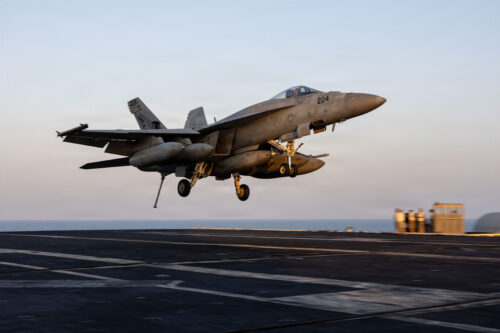
Testing the Shield: Air and Missile Defense Capabilities in the Iran War
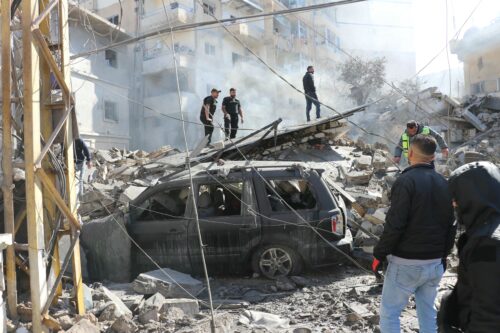
Lebanon’s stability requires steadier US engagement
As most eyes stay trained on Iran, another front is presenting a crucial challenge to Middle East regional stability: Israel’s military campaign in Lebanon and the status of Hezbollah, Iran’s decades-long proxy partner.
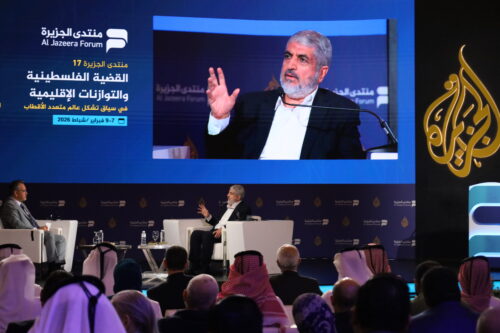
Hamas at a Crossroads in the Post-Ali Khamenei Era
The results of last month’s elections seemed to crystallize a fundamental divide between two competing visions for Hamas’ future. But the US-Israeli war against Iran has cast a heavy shadow over the group’s leadership selection process, shifting it from a contest between personalities to a wider struggle over Hamas’ strategic identity, ideological orientation, and relationship with the broader Middle Eastern order.
The Ripple Effects of the US-Israel War on Iran for North Africa
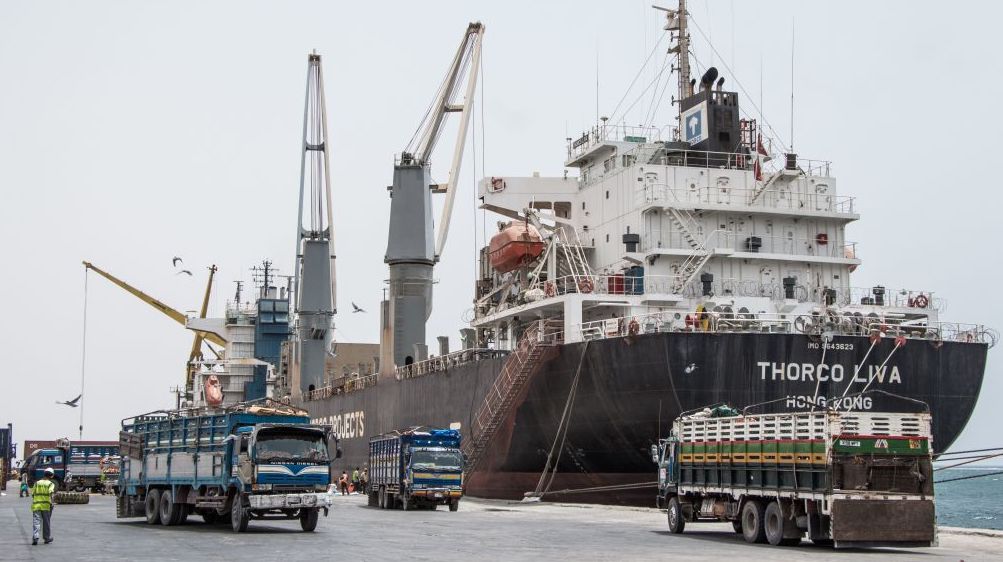
North African states feel the consequences of the US-Israel war with Iran less through direct security risks than through economic shocks that affect long-term stability. The region remains highly exposed to disruptions in global food and energy markets, where price spikes can lead to fiscal pressure, inflation, and social unrest.
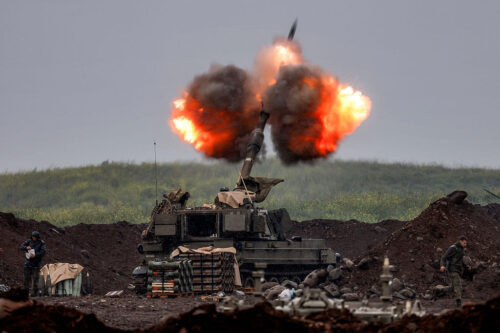
War and Uncertainty in the Middle East: Assessing the Next Phase
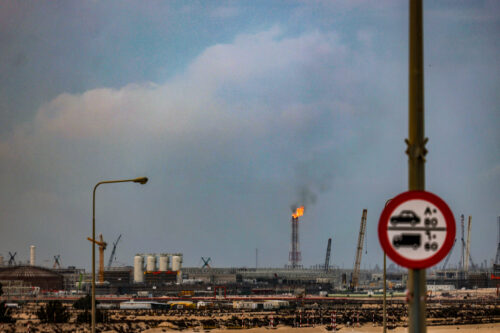
What vulnerabilities has the Iran crisis exposed in GCC economies?
The economic stress points vary considerably across the Gulf. Assuming a resumption of exports by May, Kuwait, Iraq, Bahrain, and Qatar still face sharply declining revenues and contracting GDP—as much as 14 percent in Kuwait and Qatar—because of shut ins, time to restart, and lack of alternative delivery routes. After the Iranian attacks on Ras Laffan, Qatar’s economic outlook and time to recovery look much more difficult.
The Iran War: Escalation, Energy, and the Uncertain Endgame
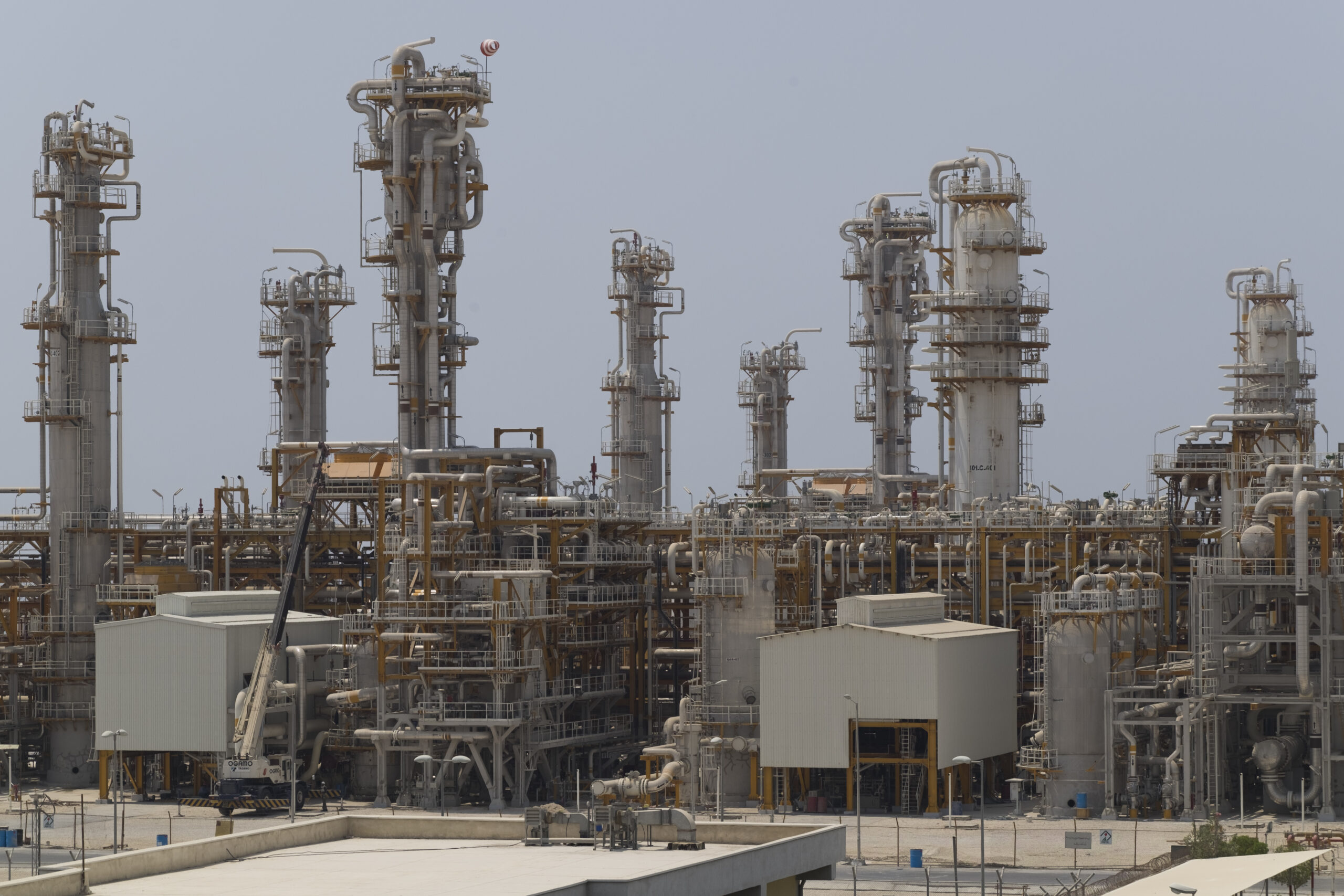
Five Fundamental Questions for US Foreign Policy as the Iran War Enters Its Fourth Week
The US and Israeli conflict with Iran is currently just past the halfway mark, according to US President Donald Trump’s initial estimate that it would take four to six weeks to achieve his objectives, but for now there is no end in sight. Here are five fundamental, strategic questions that require more attention as the media and political debates fixate on the day-to-day breaking news and tactics of this war.

Why the Houthis are Holding Back — For Now
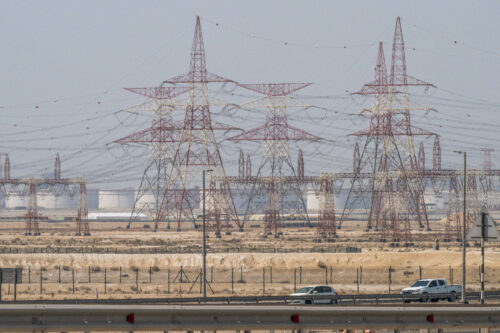
The relative resilience of GCC countries to the Iran crisis
Gulf states — including their national oil companies and sovereign and related entities — are energy giants. They understand the risks of a prolonged threat from Iran and did not choose this war. They also recognize the risks of their geographic location, should the region endure another bout of instability and dislocation from a fragmented and collapsing neighbor.
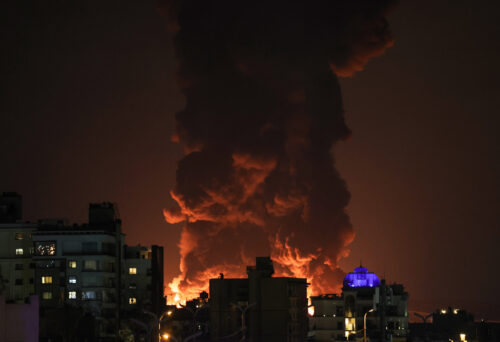
How to Raise the Odds of Regime Change in Iran
The decision U.S. President Donald Trump made to attack Iran was a high-stakes gamble. The gamble is not really in the military campaign itself. It is whether a massive air campaign can trigger a popular rebellion that takes down the regime in Tehran. This could pay off brilliantly, but it could also fail miserably.
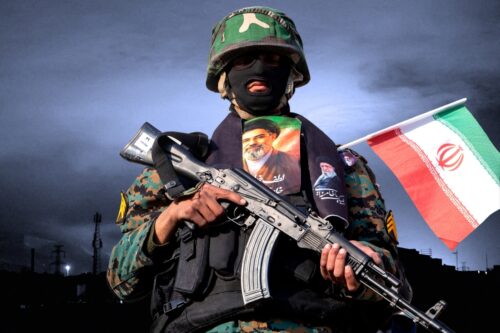
Decapitation strikes unlikely to topple Iran’s regime