Skip to Content

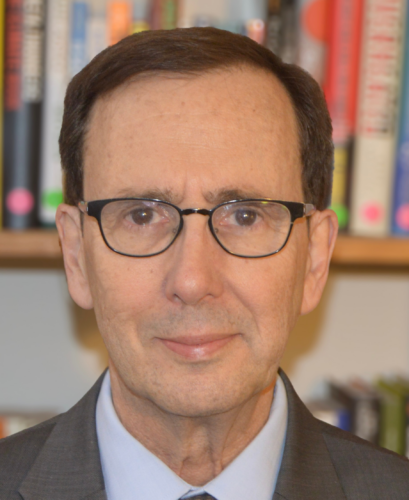
Shahmahmood Miakhel

Country Director, Afghanistan

Expertise

Afghanistan

This individual is a guest contributor. MEI is not able to assist with contact requests.

Shahmahmood Miakhel is the Country Director in Afghanistan for the US Institute of Peace (USIP). Prior to that he was a Governance Advisor for the United Nations Assistance Mission in Afghanistan (UNAMA), and, from 2003–2005, a Deputy Minister of the Interior in the Government of Afghanistan. In 1994–1995 he worked for the United Nations Development Programme (UNDP) and United Nations Office for Project Services (UNOPS) in South and Southeast Afghanistan helping to establish District Rehabilitation Shuras (DRS). He also worked as a reporter for the Pashto service of the Voice of America from 1985–1990.

The Latest from Shahmahmood Miakhel

Filter by
9989 Results
How Saudi Arabia is forging ahead with its privatization drive
Photo by Reza/Getty Images
  • Commentary
  • How Saudi Arabia is forging ahead with its privatization drive

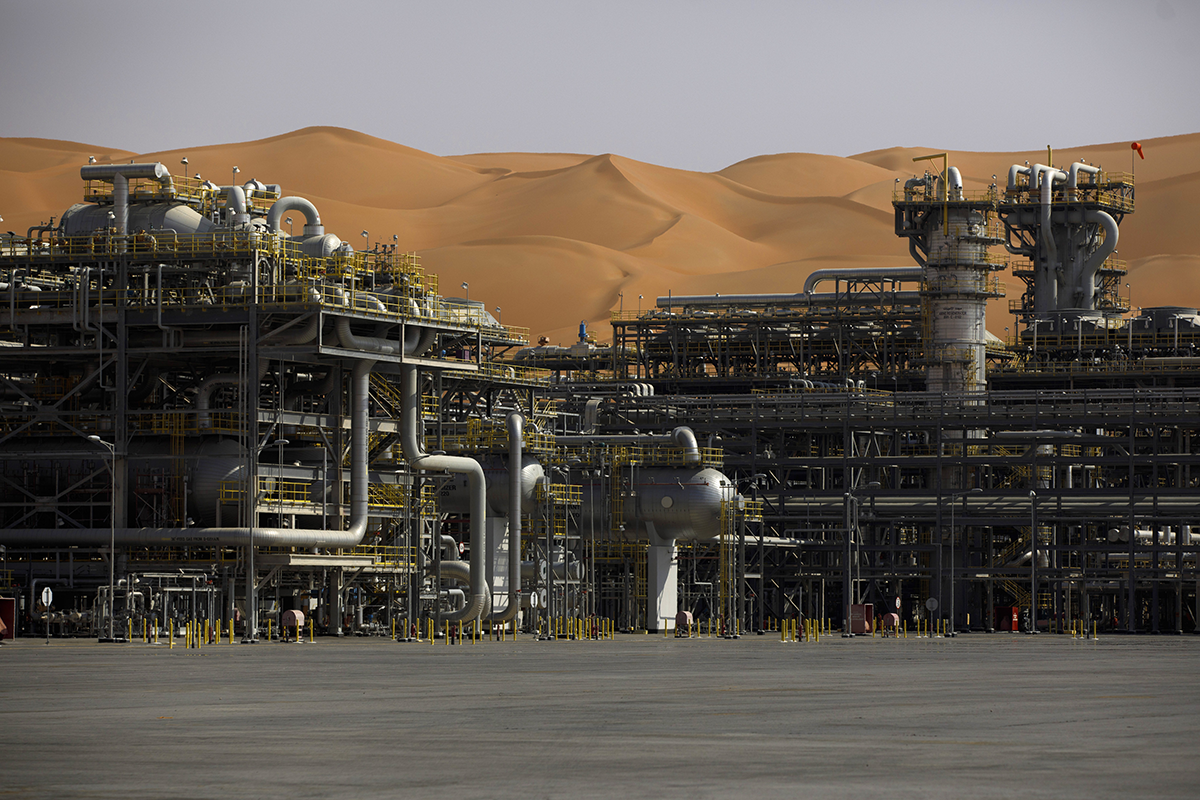
    Saudi Arabia’s leviathan sovereign wealth fund, the Public Investment Fund (PIF), has recently sold a 5% stake in the Saudi Telecom Company (STC). The firm is the largest and most profitable in the regional telecoms sector. The 3.2B USD sale, completed in early Dec. 2021, is yet another step in Riyadh’s privatization drive as part of its Vision 2030 agenda, and highlights the growing role of the Kingdom’s domestic financial sector.

    January 6, 2022

    The right war fought the wrong way: Reflecting on the US withdrawal from Afghanistan
    Photo by BRENDAN SMIALOWSKI/AFP via Getty Images
  • Commentary
  • The right war fought the wrong way: Reflecting on the US withdrawal from Afghanistan

    The initial success in Afghanistan was achieved with a limited number of forces from the CIA, the U.S. military (especially special operations), and our partners in the Northern Alliance. In the opinion of many military experts and historians, it was a model for how to conduct a large-scale military operation with limited casualties and expenditure of resources.

    Strong momentum in Saudi Arabia’s drive toward renewables and infrastructure
    Photo by FAYEZ NURELDINE/AFP via Getty Images
  • Analysis
  • Strong momentum in Saudi Arabia’s drive toward renewables and infrastructure

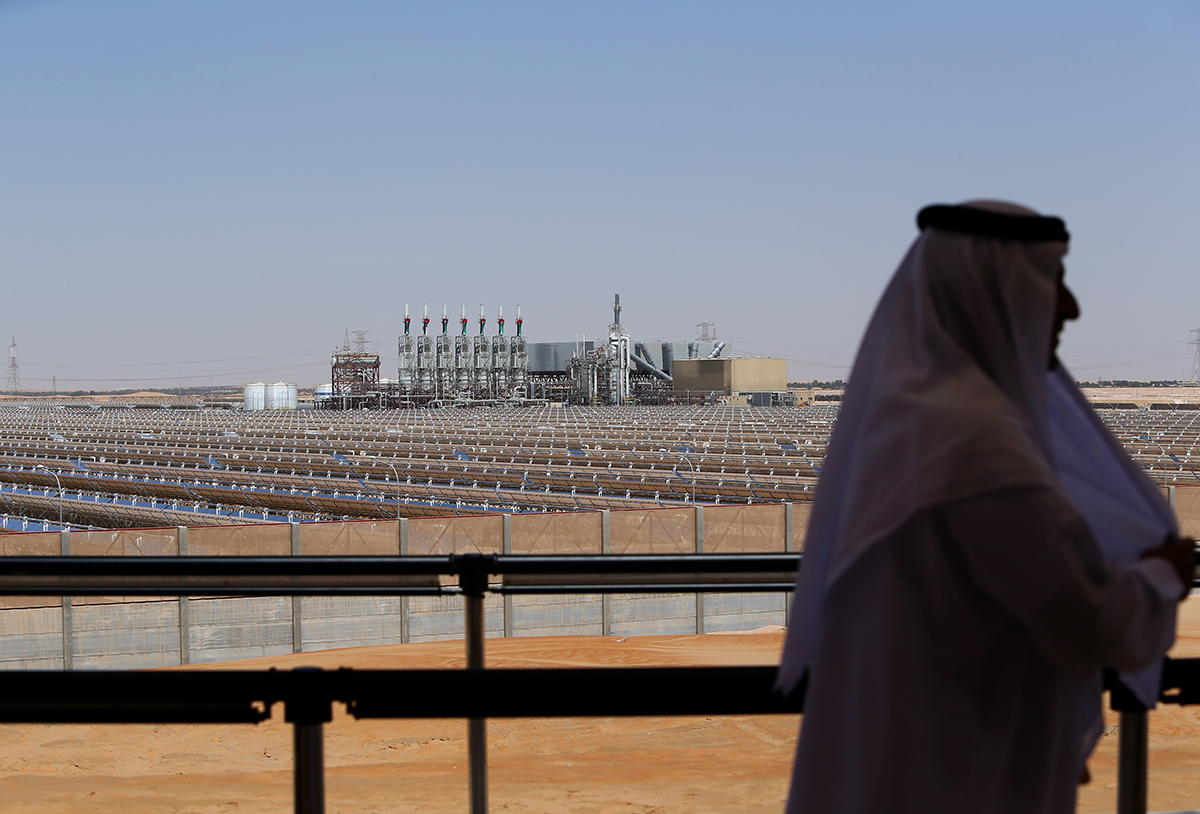
    Saudi Arabia’s strategy to push through its portfolio of clean and renewables assets was further strengthened in 2021 as the kingdom witnessed several project financings in the solar sector and launched the National Infrastructure Fund (NIF) to diversify its economy.

    January 4, 2022

    حلقة 55: ما بعد انتخابات العراق — مع مارسين الشمّري
  • Podcast
  • حلقة 55: ما بعد انتخابات العراق — مع مارسين الشمّري

    ما الذي تعنيه نتائج انتخابات العراق وكيف ستؤثر على واقع ومستقبل حراك تشرين؟ يحاور إبراهيم الأصيل الباحثة مارسين الشمّري في هذه الحلقة. — Ibrahim Al-Assil Marsin Alshamary

    January 3, 2022

    حلقة 59: التغير المناخي وإعصار شاهين — مع رميثة البوسعيدي
    Middle East Institute
  • Podcast
  • حلقة 59: التغير المناخي وإعصار شاهين — مع رميثة البوسعيدي

    يحاور إبراهيم الأصيل ضيفة الحلقة رميثة البوسعيدي حول التغير المناخي في الشرق الأوسط وما يجب متابعته في 2021، وكارثة إعصار شاهين التي ضربت سلطنة عُمان.

    January 3, 2022

    مخاوف خامنئي على مستقبل رجال الدين الإيرانيين (الجزء الثالث)
  • Commentary
  • مخاوف خامنئي على مستقبل رجال الدين الإيرانيين (الجزء الثالث)

    هذا هو الجزء الأخير من سلسلة مكونة من ثلاثة أجزاء

    عندما توفي آية الله روح الله الخميني، مؤسس جمهورية إيران الإسلامية، عن عمر يناهز 89 عامًا، تمتع هو والنظام الذي أسسه بدعم معظم رجال الدين رفيعي المستوى في البلاد.

    لكن خليفته، المرشد الأعلى آية الله علي خامنئي، البالغ من العمر 82 عامًا، يواجه وضعًا مختلفًا للغاية. فمن الواضح أن معظم كبار رجال الدين لا يؤيدونه، وقد تسبب “انحراف” الجيل الجديد من رجال الدين في مخاوف متزايدة داخل النظام.

    تكوين المراجع الدينية

    January 3, 2022

    All About China
    Middle East Institute
  • Analysis
  • All About China

    “All About China” is a journey into the history and diverse culture of China through essays that shed light on the lasting imprint of China’s past encounters with the Islamic world as well as an exploration of the increasingly vibrant and complex dynamics of contemporary Sino-Middle Eastern relations.

    January 1, 2022

    Desalination in Libya: Challenges and opportunities
    Photo by ABDULLAH DOMA/AFP via Getty Images
  • Analysis
  • Desalination in Libya: Challenges and opportunities

    For the MENA region, groundwater is a hidden but significant problem, as many countries extract more than is being recharged and most lack solid legal frameworks and national water policy regulations to determine use. As a result, there are questions and concerns about the current status of groundwater aquifers, especially with the increasing impact of climate change, as well as the type of sustainable alternative solutions that could assist in conserving them. Libya is no exception to this broader regional trend, and the country suffers from growing water scarcity.

    December 20, 2021

    Sudan-Russia relations after the October coup: The view from Moscow
    Photo by ASHRAF SHAZLY/AFP via Getty Images
  • Analysis
  • Sudan-Russia relations after the October coup: The view from Moscow

    Since late October, Sudan has been mired in a state of intense political turmoil. On Oct. 25, Gen. Abdel Fattah al-Burhan seized power in a coup d’état, placed civilian Prime Minister Abdalla Hamdok under house arrest, and declared a state of emergency. In response to intense international pressure, Burhan and Hamdok signed a 14-point deal on Nov. 21, which reinstated Hamdok as prime minister and resulted in the release of political prisoners. While this agreement thwarted Sudan’s descent into a military dictatorship, mass protests persist and the opposition Forces of Freedom and Change (FFC) have rejected the deal.

    December 20, 2021

    Is the Black Sea European? The European Union is still hesitating
    Photo by Dursun Aydemir/Anadolu Agency via Getty Images
  • Analysis
  • Is the Black Sea European? The European Union is still hesitating

    Last week, one day before the European Council, the sixth Eastern Partnership summit took place. For weeks, questions about a potential Russian invasion of Ukraine have been asked around the world. But the Eastern Partnership summit declaration, signed by Ukraine, Georgia, Moldova, Armenia, and Azerbaijan, includes no mention of Russia. The Partnership appears hesitant to commit to more security (or integration), perhaps because some members were hoping for a greater European Union commitment to Black Sea security.