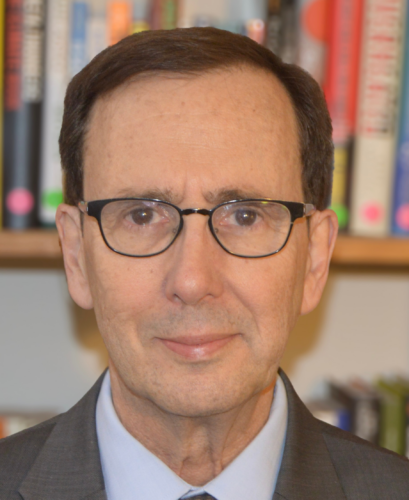
Shahmahmood Miakhel is the Country Director in Afghanistan for the US Institute of Peace (USIP). Prior to that he was a Governance Advisor for the United Nations Assistance Mission in Afghanistan (UNAMA), and, from 2003–2005, a Deputy Minister of the Interior in the Government of Afghanistan. In 1994–1995 he worked for the United Nations Development Programme (UNDP) and United Nations Office for Project Services (UNOPS) in South and Southeast Afghanistan helping to establish District Rehabilitation Shuras (DRS). He also worked as a reporter for the Pashto service of the Voice of America from 1985–1990.
The Latest from Shahmahmood Miakhel
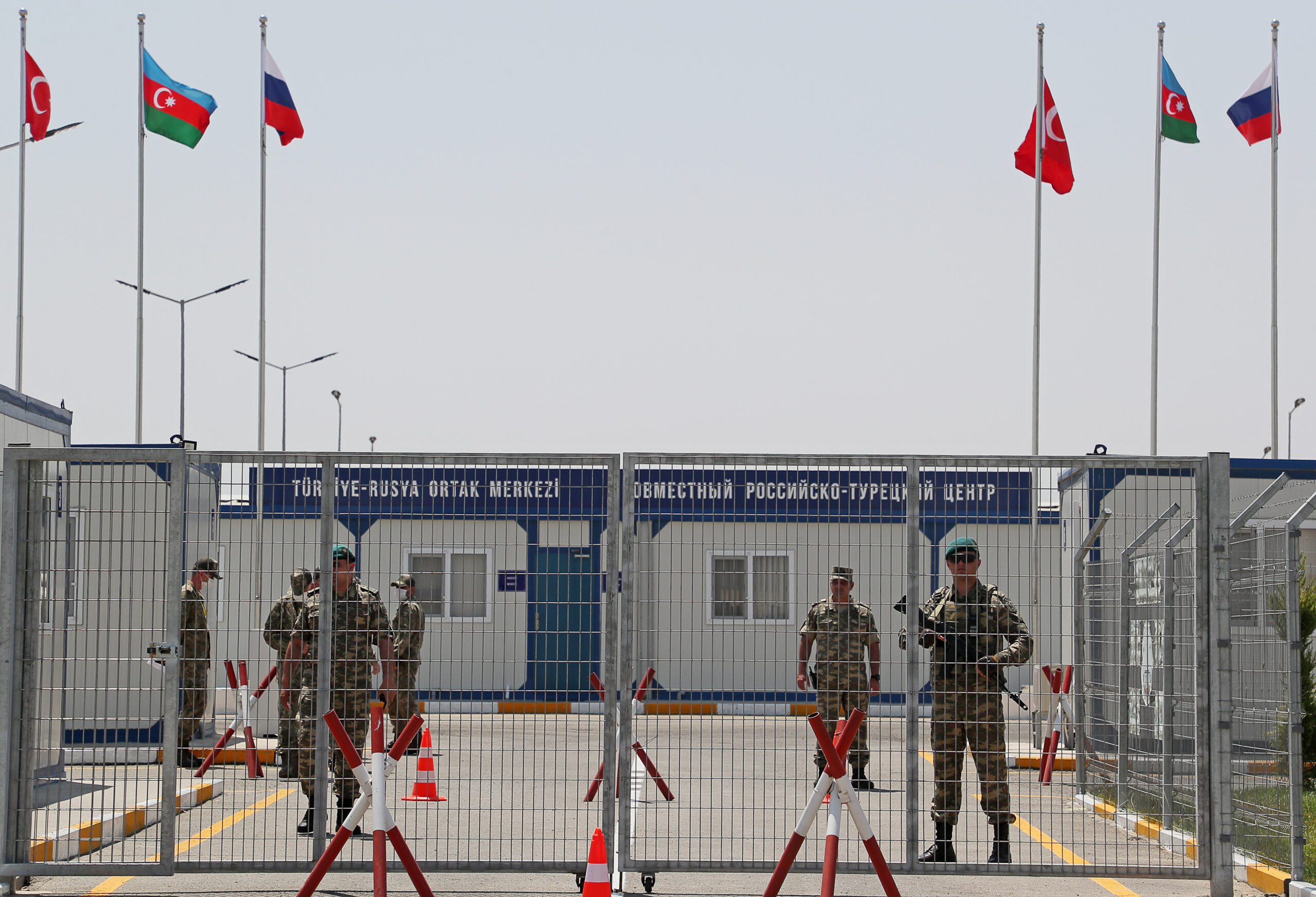
Fragile Peace: One Year Anniversary of Conflict in Nagorno-Karabakh
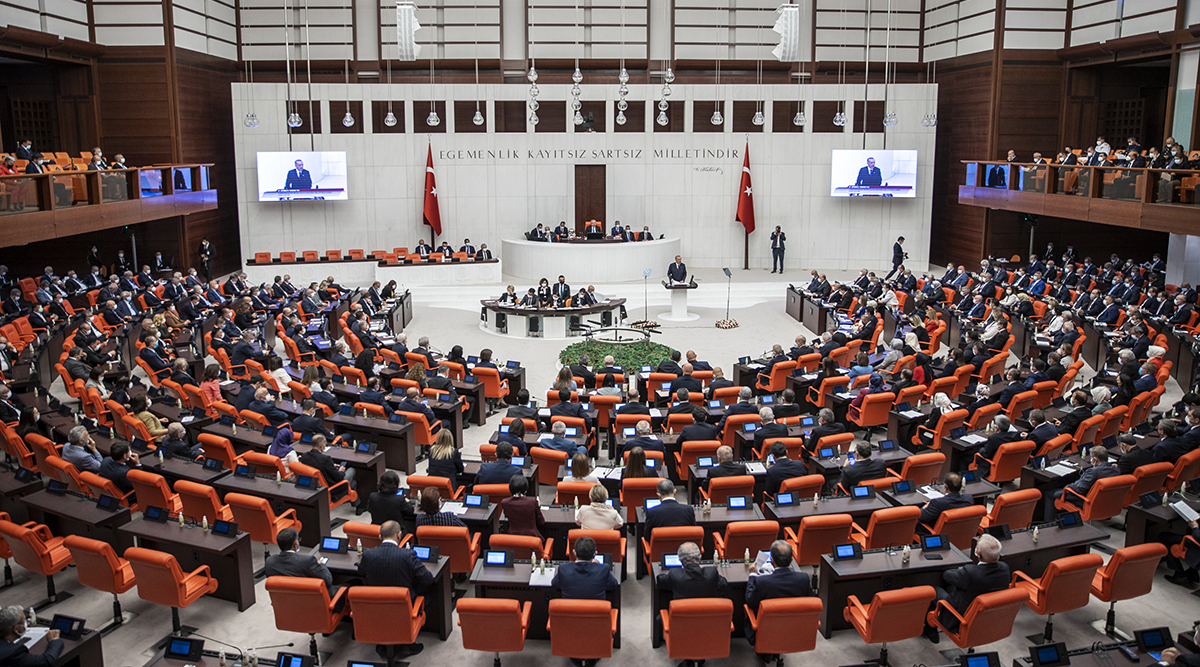
Turkey finally ratified the Paris Agreement. Why now?
Turkey, like many countries worldwide, has recently faced severe environmental events. Suffering from floods and the worst wildfires in its history in the summer of 2021, the country finally took an important step to tackle climate change, ratifying the Paris Agreement international treaty on climate change on Oct. 6, 2021.
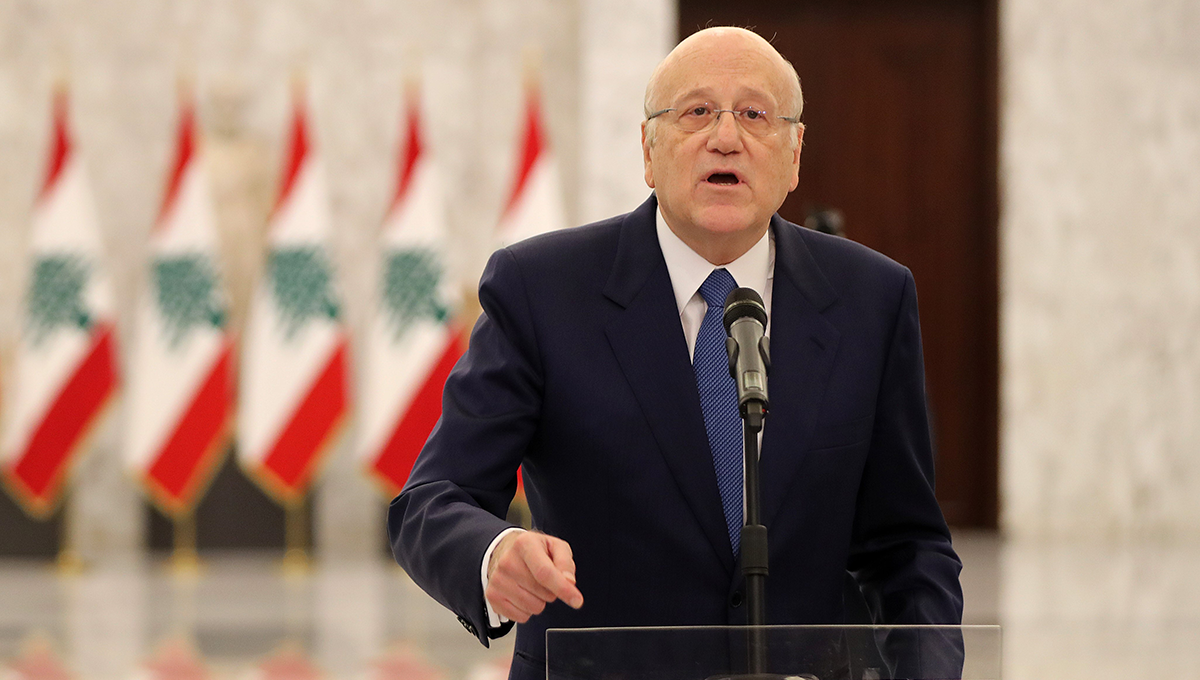
Why Hezbollah wanted the Ministries of Finance and Public Works
After 13 months of political gridlock, economic collapse, and civil unrest, Lebanese politicians formed a new government on Sept. 10. Three-time Prime Minister Najib Mikati heads a new cabinet, the first since the previous one resigned in the wake of Beirut’s devastating port blast in August 2020. Though the formation of a new government provides a way forward to address the myriad crises facing the country, it falls far short of the near-revolutionary changes demanded by Lebanese citizens protesting in the streets. Instead of non-partisan specialists forming a new unity government, Lebanon’s notorious sectarian elites have handpicked a government of technocrats close to them to handle the current situation, the most brazen of which are the new ministers of finance and public works.
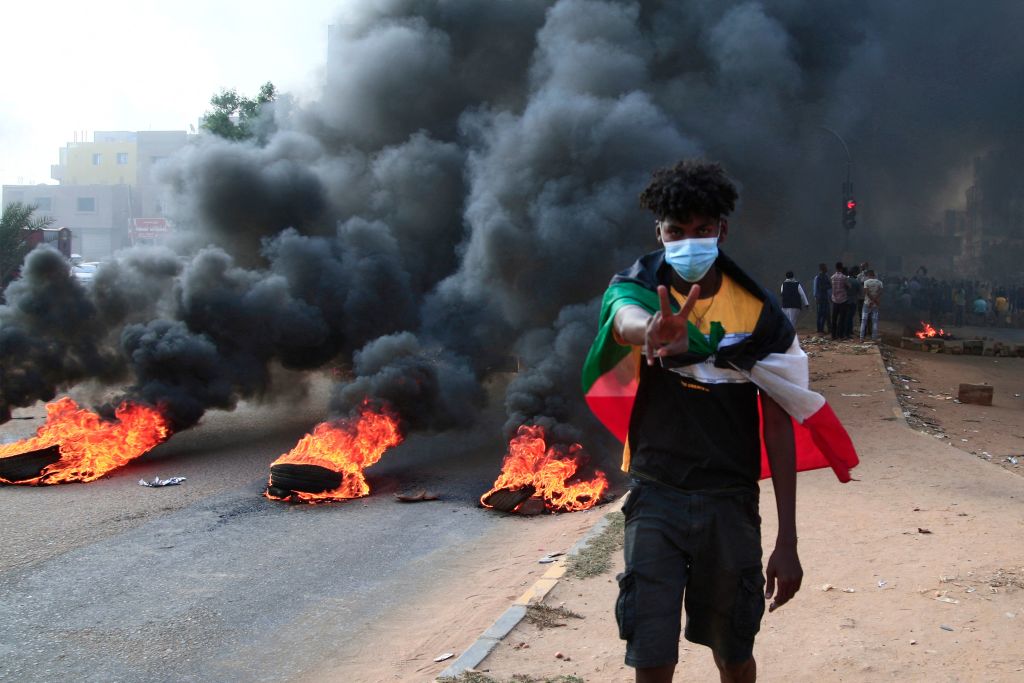
الاحتجاجات في السودان تنتهي بانقلاب عسكري على ما يبدو
باحث غير مقيم
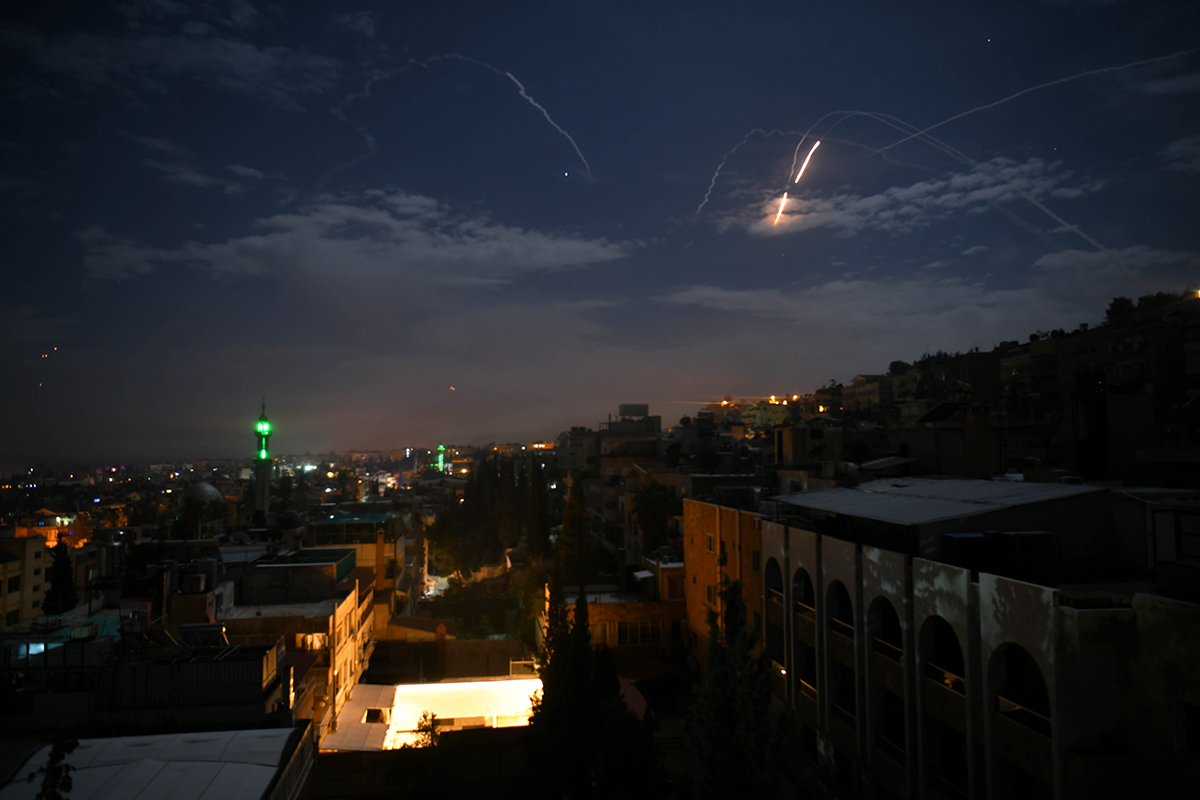
Has Israel’s campaign between the wars reached an impasse?
In recent years, Israel has waged a campaign against the military buildup of its enemies, mainly Iran, Syria, and Hezbollah. This ongoing effort is called “the campaign between the wars,” or the Mabam Campaign. Several events in recent weeks have given rise to questions about the effectiveness of this campaign, however, and have underscored the need to rethink its future.
Book Launch | Oil and the Political Economy in the Middle East
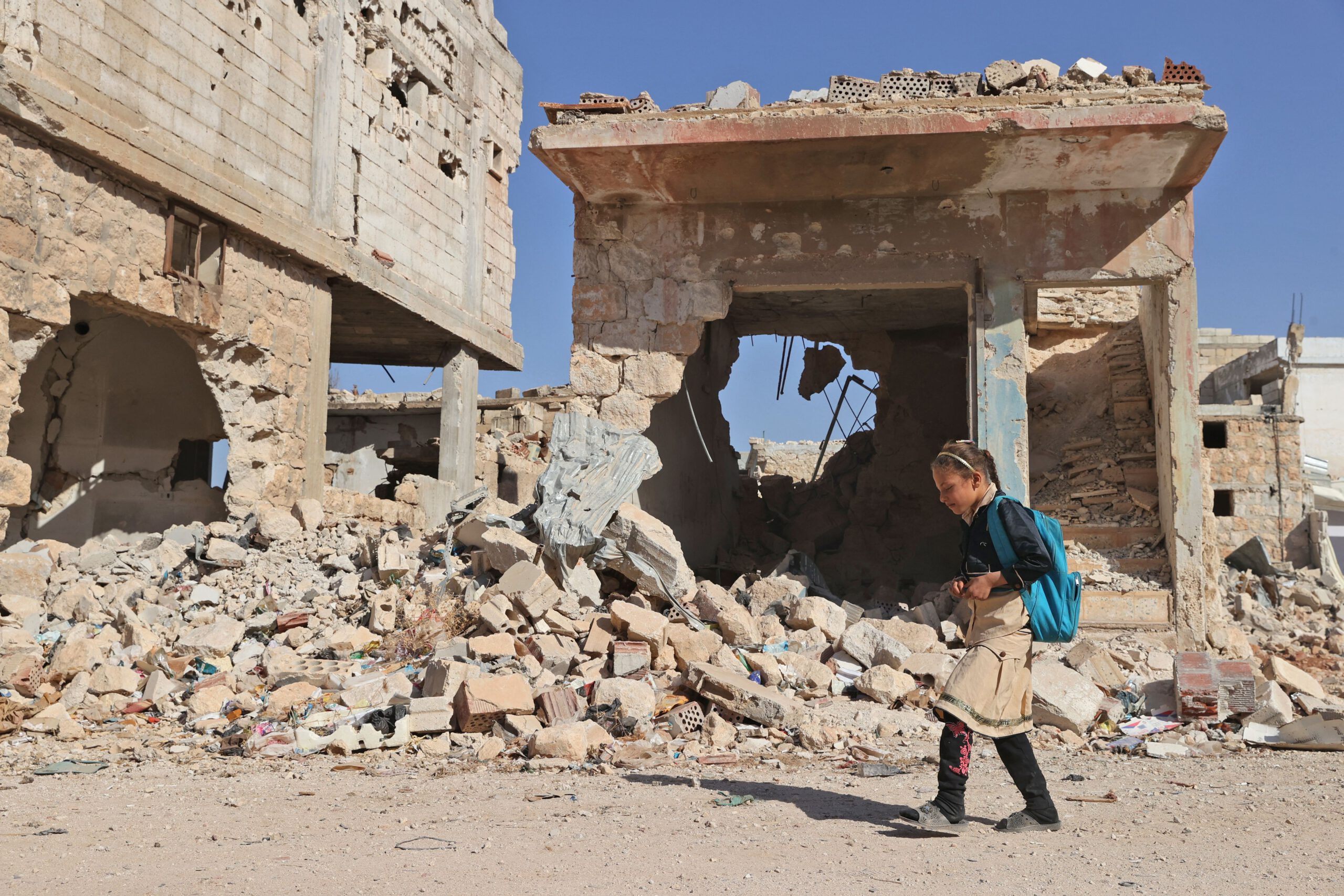
Syria: Reflecting on the Past and What the Future Might Hold
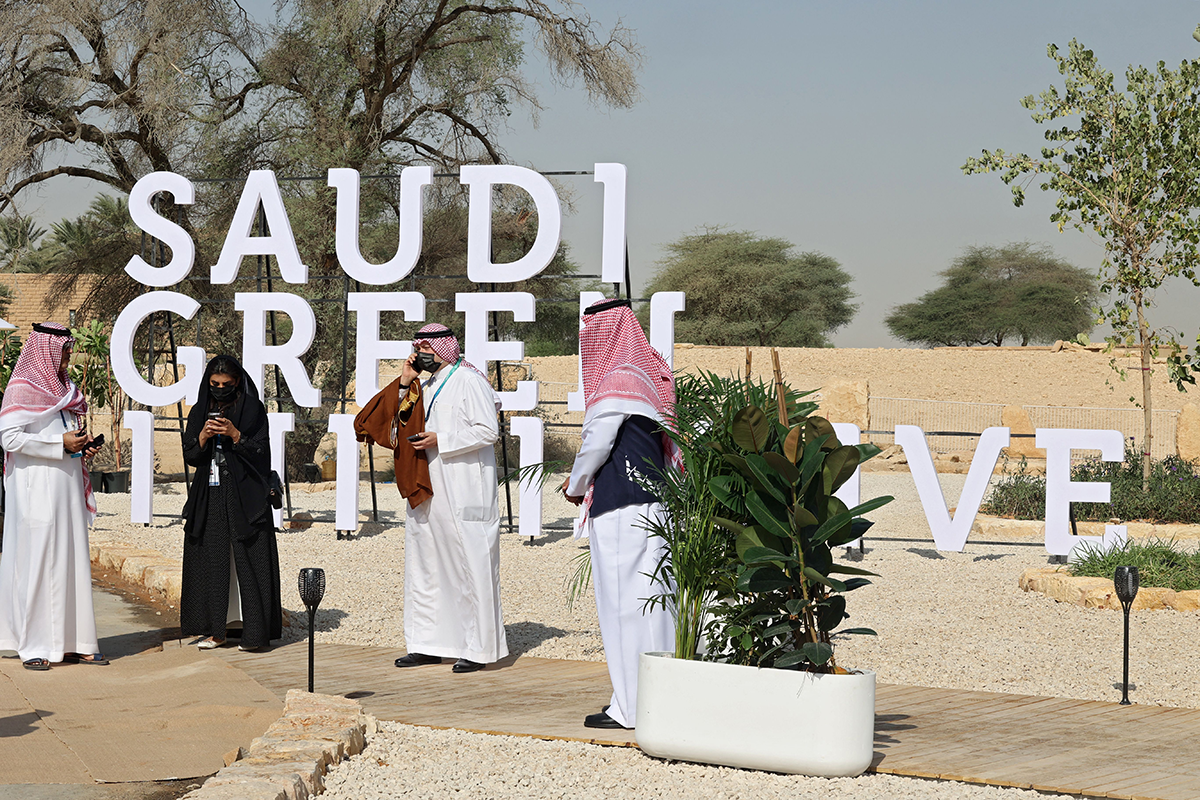
A net-zero Saudi Arabia? Not so fast
The kingdom is unlikely to achieve net zero emissions soon, but the ambition to do so, and the plan, is an impactful step in the right direction, write Jim Krane and Karen E. Young in their new piece for Al-Monitor.
حلقة 53: آراء (26) – تشرين وانتخابات العراق
أرسل الشباب العراقي رسالة حازمة في الانتخابات، وأعطت المقاعد العشرة جرعة من الأمل لحركة تشرين رغم تركيز عناوين الأخبار على المالكي والصدر. يستعرض إبراهيم الأصيل رأياً لحفصة حلاوة حول الانتخابات العراقية ونتائجها. — Ibrahim Al-Assil Hafsa Halawa
حلقة 54: إعصار شاهين والتغير المناخي — مع محمد محمود
يستضيف إبراهيم الأصيل في هذه الحلقة محمد محمود مدير برنامج التغير المناخي في معهد الشرق الأوسط لمناقشة إعصار شاهين الذي ضرب سلطنة عمان، والوقوف على أسبابه وآثاره وما يمكن أن نتوقعه في المستقبل من آثار التغير المناخي على المنطقة. — Ibrahim Al-Assil
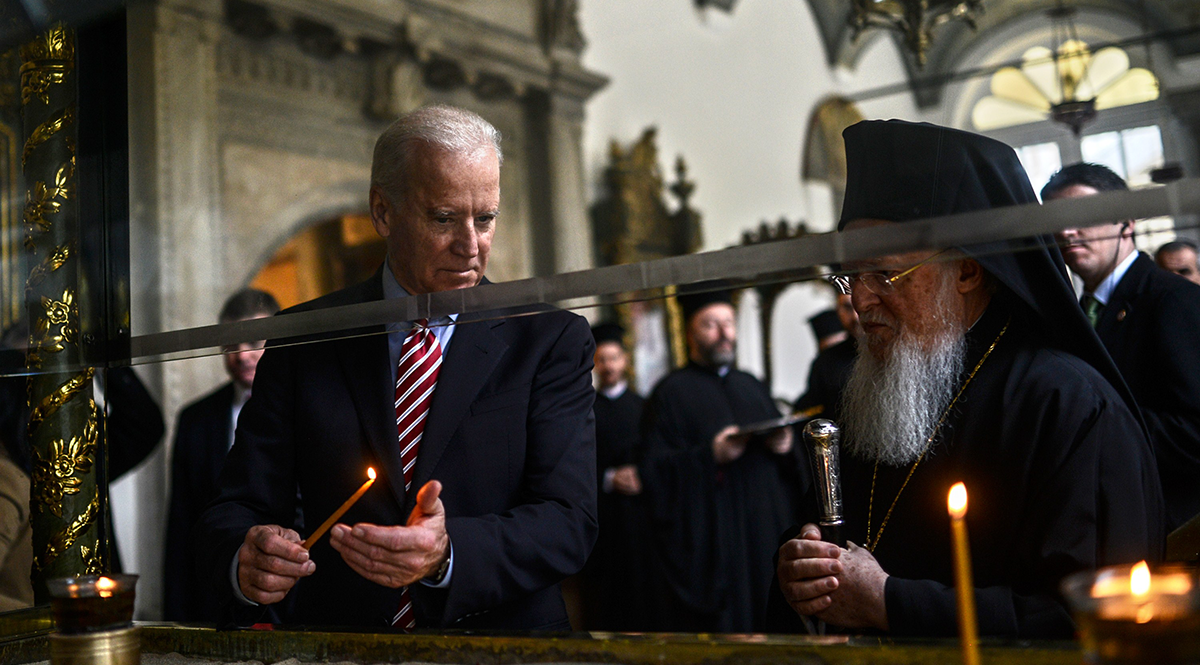
لقاء بايدن في البيت الأبيض مع البطريرك المسكوني يوفر فرصة فريدة
سيزور برثلماوس الأول، البطريرك المسكوني للقسطنطينية والزعيم الروحي لما يقرب من 300 مليون مسيحي أرثوذكسي على مستوى العالم، الولايات المتحدة بين 23 أكتوبر/تشرين الأول و3 نوفمبر/تشرين الثاني. وسيعلن بدء الاحتفال بالذكرى المئوية لتأسيس أبرشية الروم الأرثوذكس بأمريكا في زيارته الأولى للولايات المتحدة الأمريكية منذ 12 عامًا. ستكون المحطة الأولى للبطريرك المسكوني هي واشنطن العاصمة، حيث من المقرر أن يلتقي بالرئيس جو بايدن في البيت الأبيض.
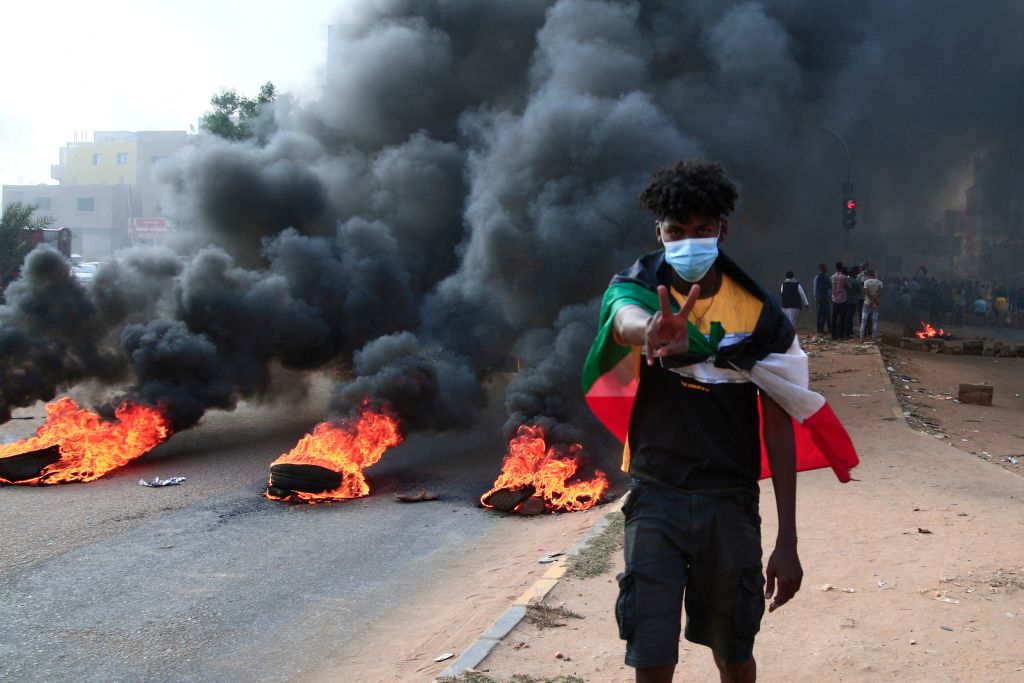
Monday Briefing: Protests in Sudan end in apparent coup
Read MEI’s weekly briefing featuring expert analysis of key regional developments for the week ahead.
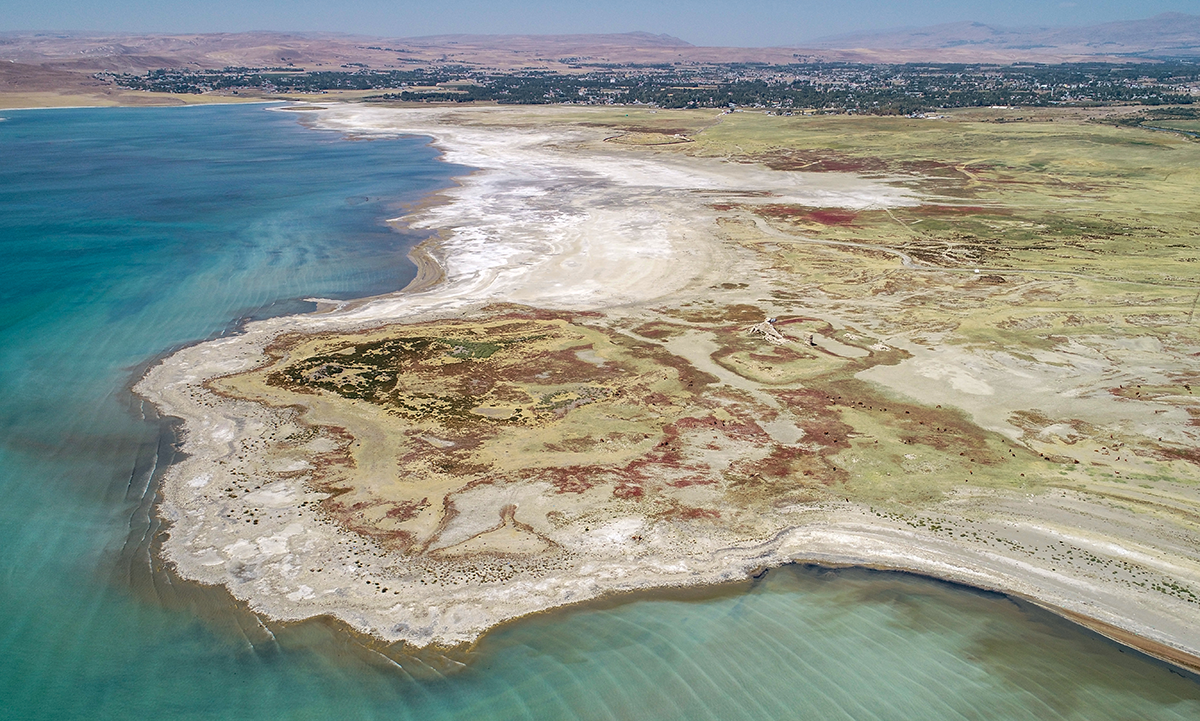
The IPCC Sixth Assessment Report on Climate Change and what it means for the Middle East
The Intergovernmental Panel on Climate Change (IPCC) released their Sixth Assessment Report on the Physical Science Basis of Climate Change in August of this year. This report brings together the latest advances in climate science, observations, paleoclimatology, and climate simulations to provide the most up-to-date physical science understanding of climate change. The report also describes the anthropogenic influence on the current state of climate and how future climate can distinctly affect different regions across the world.
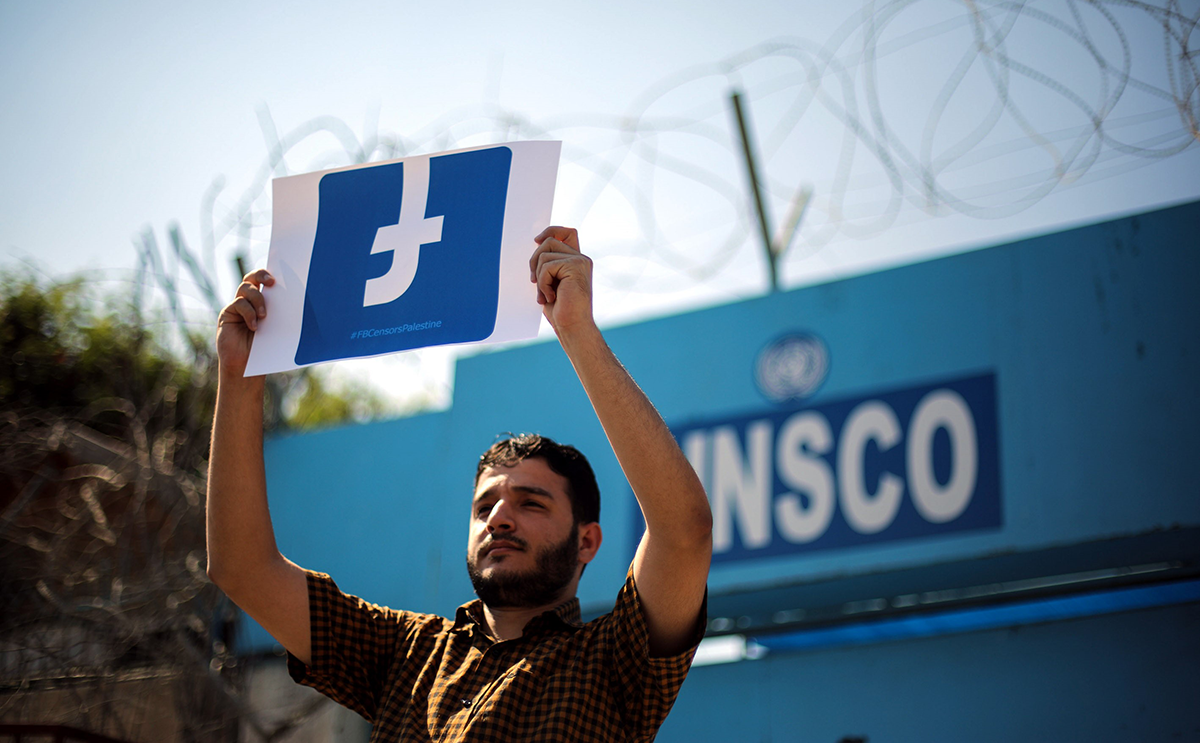
How social media is failing Palestinians
Facebook’s latest failures reveal how social media companies fail their most vulnerable users — something Palestinians have been saying for years