This individual is a guest contributor. MEI is not able to assist with contact requests.
Shahmahmood Miakhel is the Country Director in Afghanistan for the US Institute of Peace (USIP). Prior to that he was a Governance Advisor for the United Nations Assistance Mission in Afghanistan (UNAMA), and, from 2003–2005, a Deputy Minister of the Interior in the Government of Afghanistan. In 1994–1995 he worked for the United Nations Development Programme (UNDP) and United Nations Office for Project Services (UNOPS) in South and Southeast Afghanistan helping to establish District Rehabilitation Shuras (DRS). He also worked as a reporter for the Pashto service of the Voice of America from 1985–1990.
Silent leverage, quiet gains? China and the Saudi-Pakistan defense pact
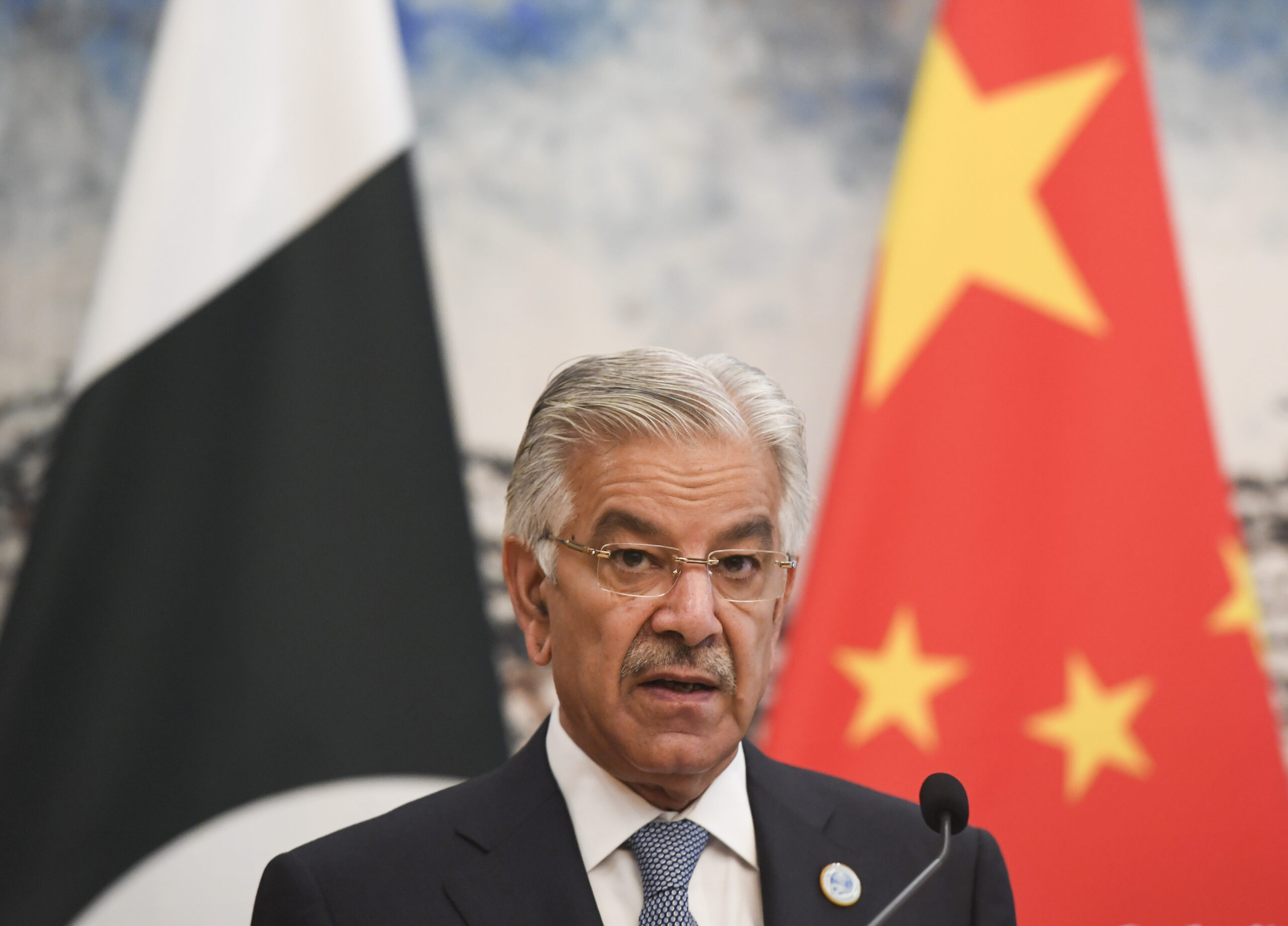
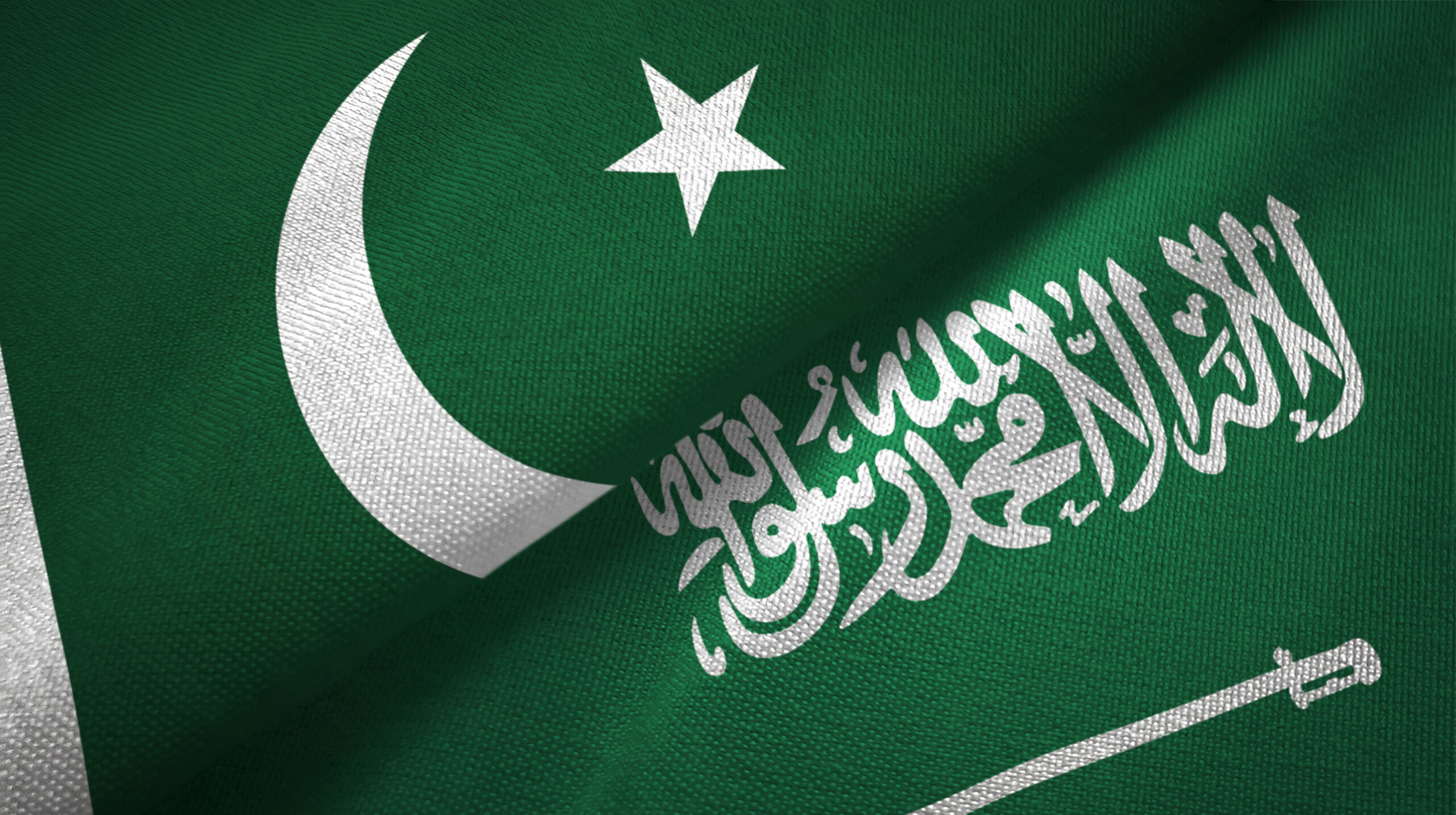
The Strategic Mutual Defense Agreement (SMDA) between Saudi Arabia and Pakistan, signed in Riyadh on September 17, is far more than a bilateral pledge. It represents a profound reordering of alignments in the Gulf and South Asia, reflecting and reinforcing the broader erosion of US preeminence in the Eurasian security architecture. While much of the initial commentary centered on the striking commitment of a wealthy Gulf monarchy to the defense of a nuclear-armed South Asian state, as well as the question of whether Pakistan had in fact extended its nuclear umbrella to Saudi Arabia, the deeper story is arguably China’s potential advance.
Don't believe the hype: The modest reality of the Saudi-Pakistani defense pact
The September 17 Saudi-Pakistani defense agreement generated a wave of overheated commentary about Saudi Arabia now residing under a Pakistani nuclear umbrella and how a new strategic reality was in the offing in the Persian Gulf and South Asian regions. Analysts need to slow their roll. Extended deterrence is an extremely difficult thing to pull off. The devil is in the details, about which we know nothing.
Peace in the Middle East — or constructive ambiguity in reverse
After two terrible years — beginning on the horrific morning of October 7, 2023 — there is now a chance the Gaza war could end. This chance exists not because the 20-point proposal released by the United States on September 29, 2025, is a model of diplomatic detail or nuance. It exists because its patron, President Donald Trump, appears determined not to take “no” for an answer.
Two years after October 7: A region between disorder and transition
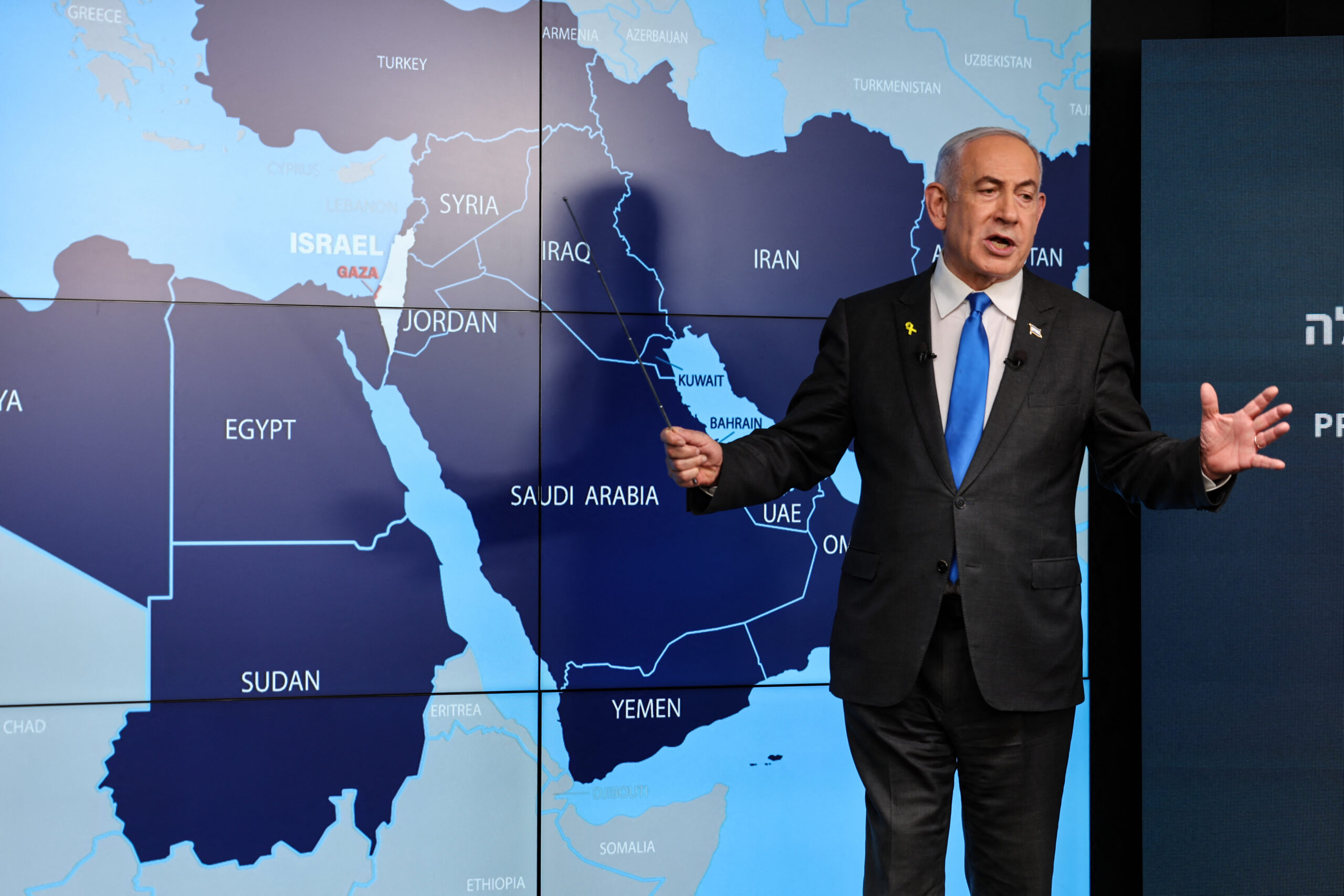
As we approach the two-year mark of the region-wide conflict unleashed by the attacks of October 7, 2023, it is important to take stock of how this poly-crisis has transformed the Middle East—and how it might evolve in the months ahead.
Veteran US foreign policy official Elliott Abrams joins Brian for a sweeping conversation on America’s role in the world amid global upheaval. With nearly 50 years of experience under Presidents Reagan, George W. Bush, and Donald Trump, Abrams offers lessons from past crises— from Ukraine to Gaza. Abrams makes his case for why he doesn’t see a two-state solution as realistic and what his alternative vision is. The discussion explores the chaotic uncertainty of Trump’s second term, Israel’s security two years after October 7, and the future of Palestinian governance and regional integration. Abrams also shares insights from his decades in government, including his work with Ariel Sharon on Gaza disengagement, his reflections on the Iraq War, and what it was like briefing presidents in the Oval Office.
Moroccan youth angrily protest government’s failed development promises
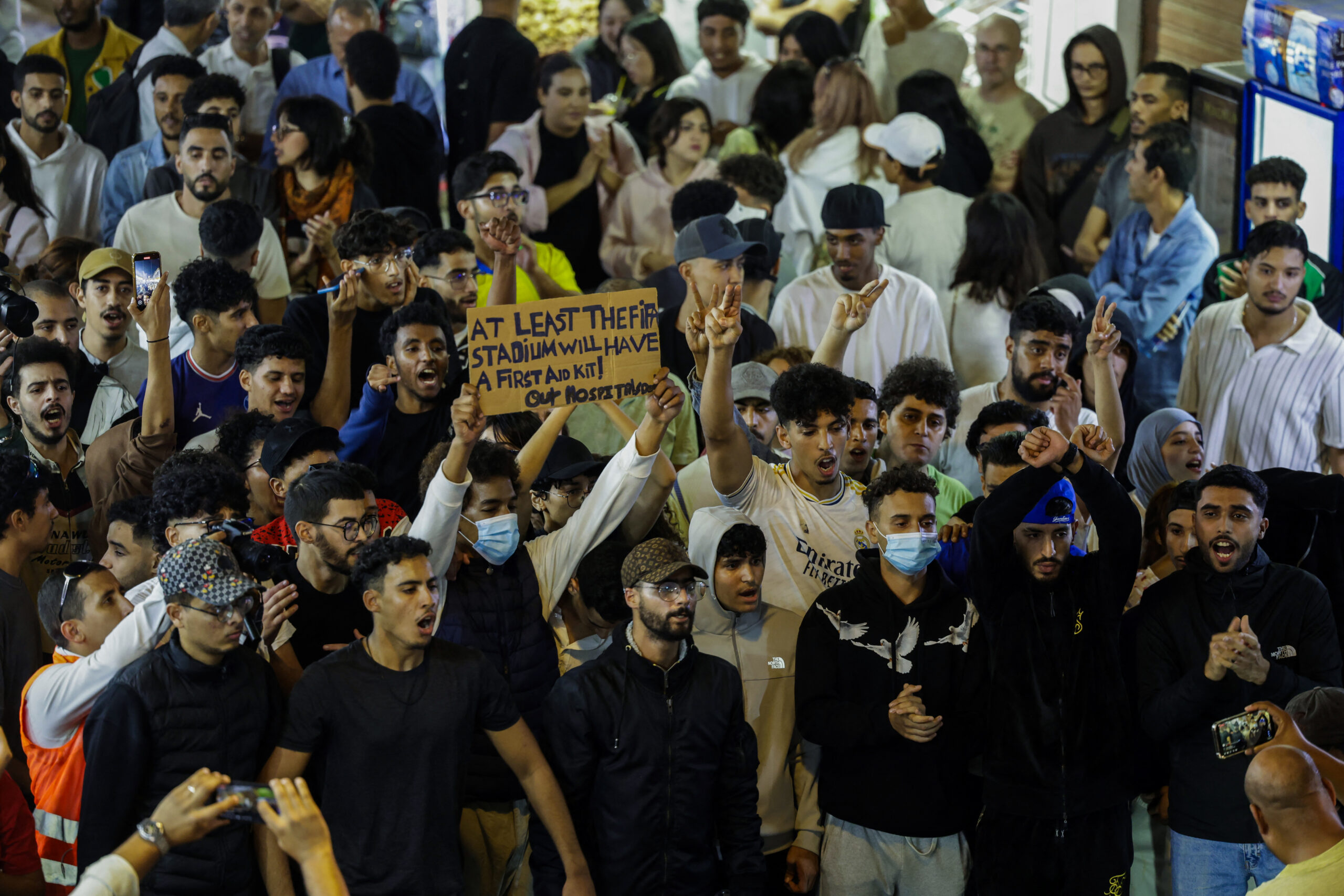
Hundreds of young Moroccans are protesting across 11 cities since September 27 under the banner “GenZ 212.” The central trigger behind the demonstrations has been a deep popular frustration with Morocco’s persistent inability to deliver on its development plans and promises. This sort of broad disaffection will be challenging for the government to address quickly and credibly.
Water and Power: Egypt, Sudan, and Ethiopia at Odds Over Africa’s Largest Dam
In this episode of Middle East Focus, hosts Alistair Taylor and Matthew Czekaj are joined by MEI Senior Fellow Mirette F. Mabrouk to unpack the growing tensions over the recently inaugurated Grand Ethiopian Renaissance Dam (GERD) on the Nile.
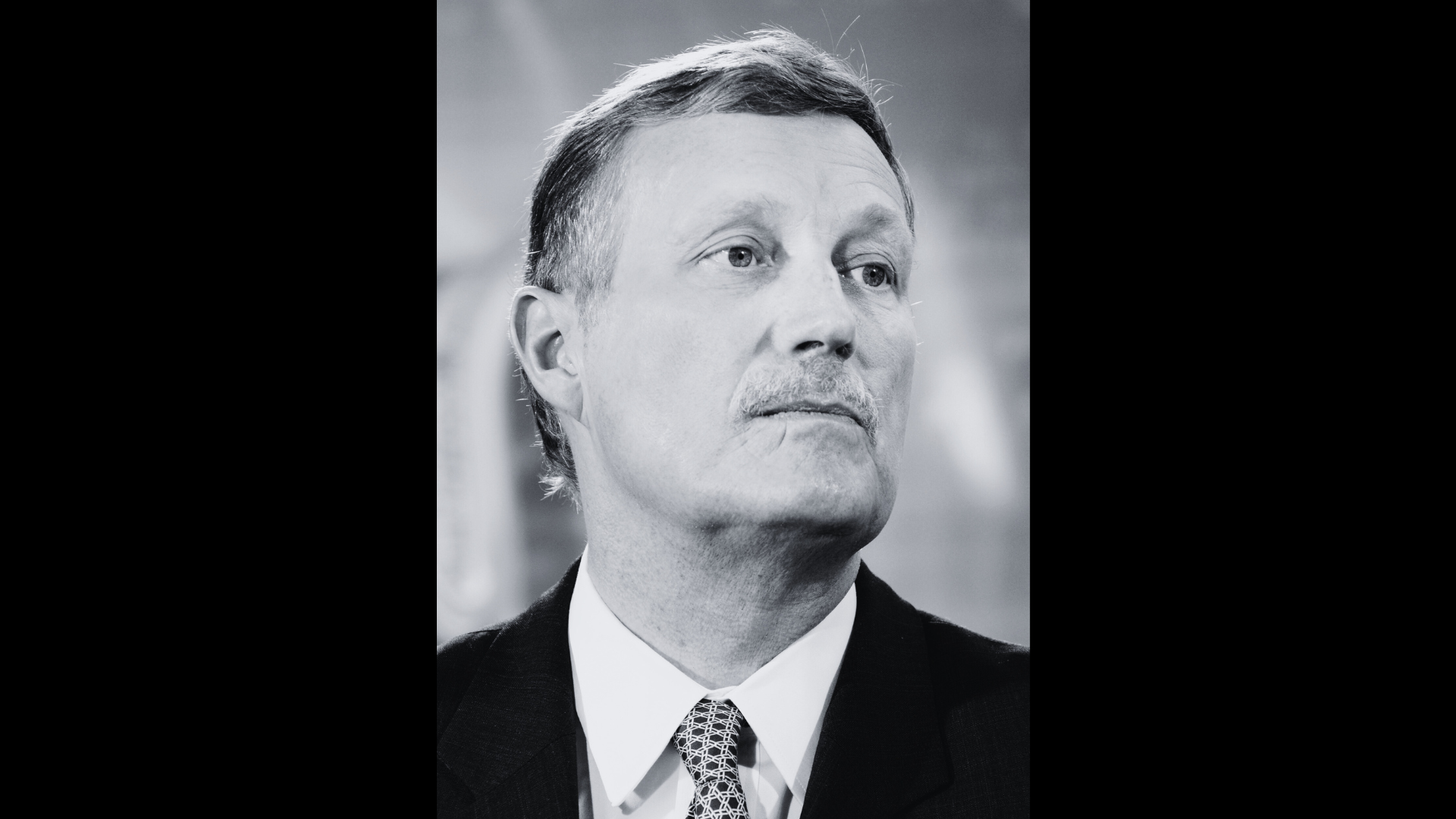
The Middle East Institute (MEI) is deeply saddened by the passing of George Hoguet, a distinguished former member of our Board of Governors and longtime supporter of our mission
Will Trump’s red line on West Bank annexation hold?
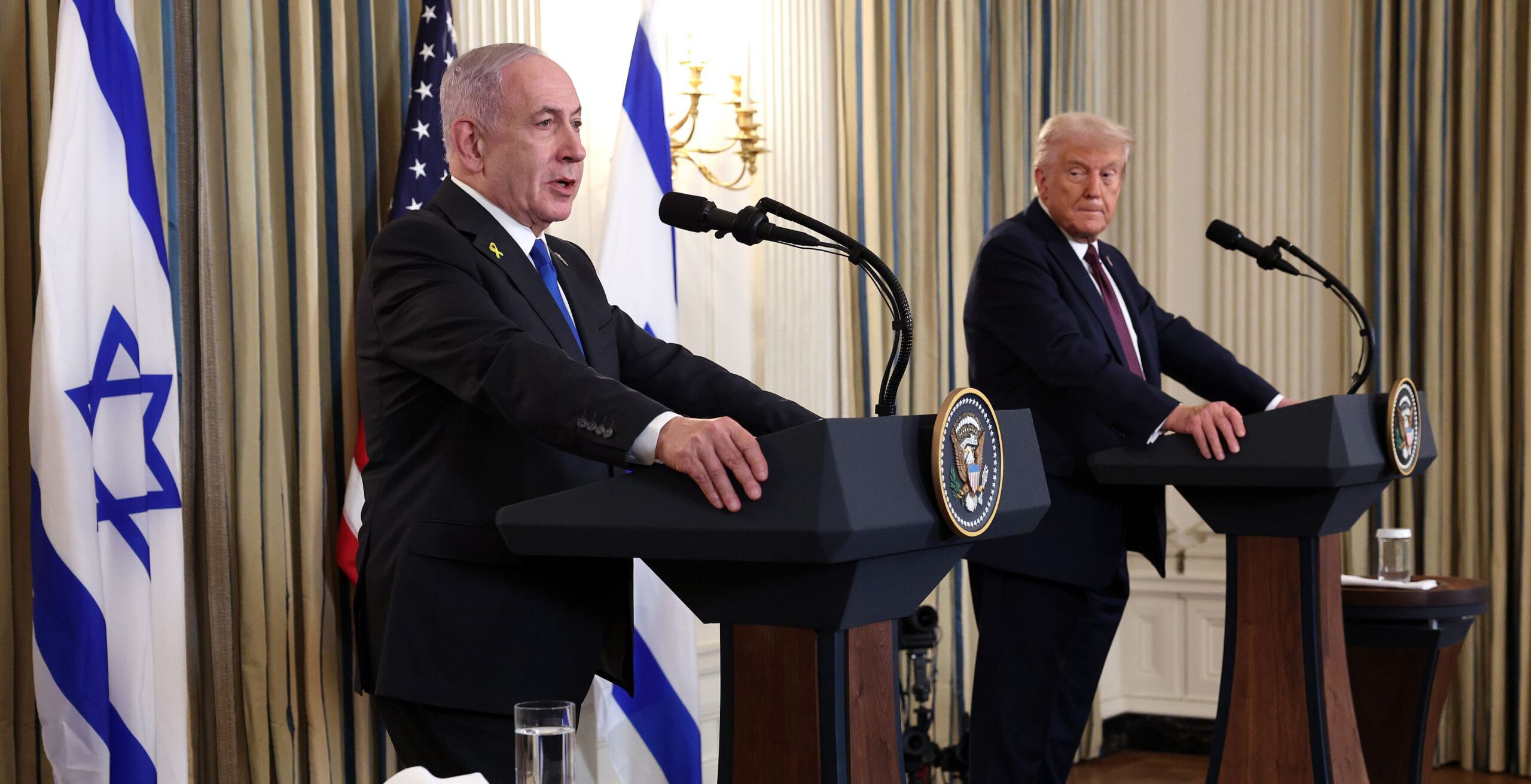
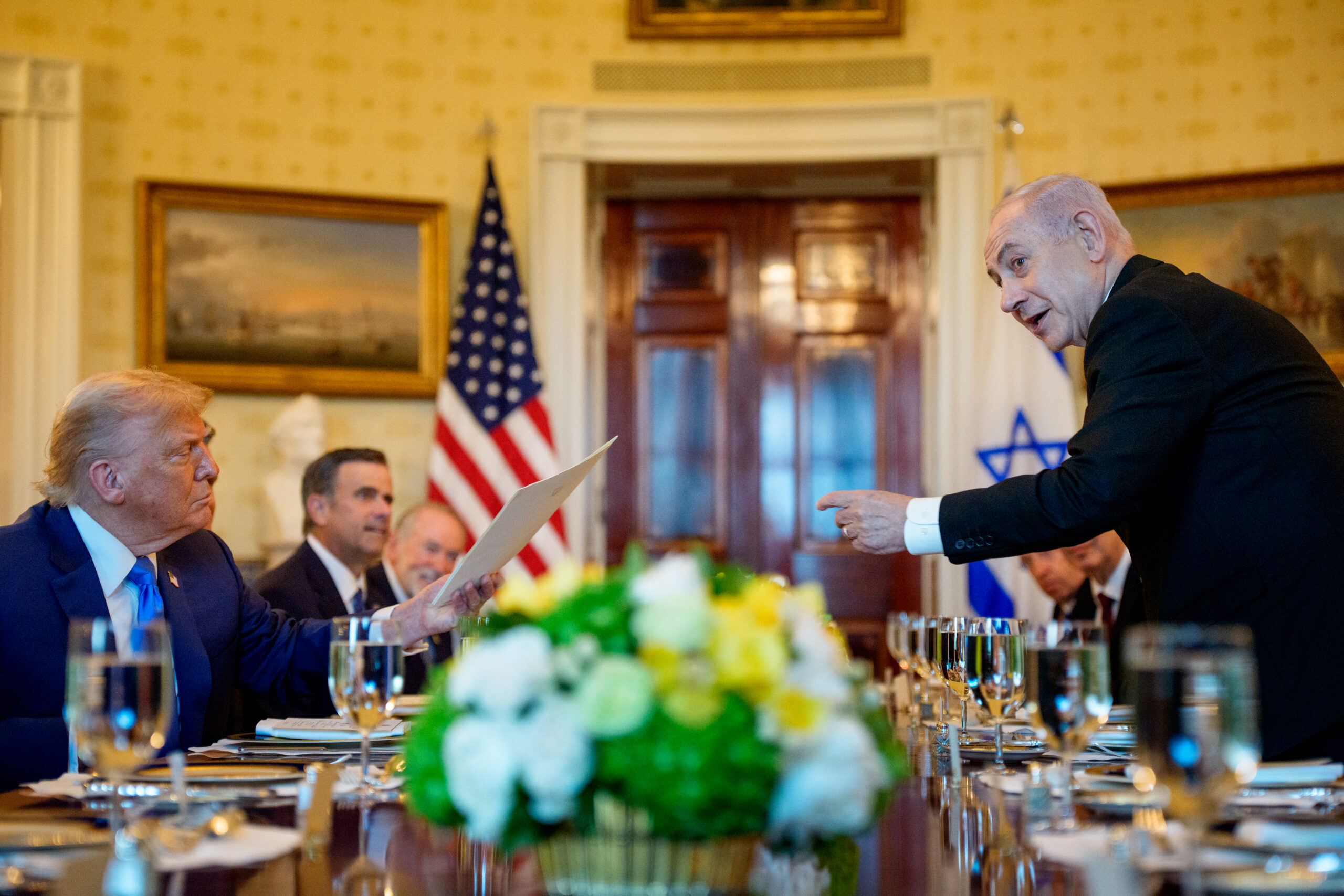
The spotlight for US policy in the Middle East will shift from the United Nations General Assembly (UNGA) meeting in New York to Washington, DC, where US President Donald Trump will meet with Israel’s Prime Minister Benjamin Netanyahu on Monday for the fourth time in eight months.
A Middle East NATO? Regional Security Options After Doha
Israel’s September 9 strike on Hamas leaders in Doha rattled Gulf capitals and revived a decades-old debate over whether the region needs a NATO-style defensive alliance. MEI Senior Fellow Jason Campbell joins hosts Alistair Taylor and Matthew Czekaj to unpack why past attempts at collective defense have fallen short, whether this moment is different, and what the crisis means for US security strategy in the Middle East.