Shahmahmood Miakhel is the Country Director in Afghanistan for the US Institute of Peace (USIP). Prior to that he was a Governance Advisor for the United Nations Assistance Mission in Afghanistan (UNAMA), and, from 2003–2005, a Deputy Minister of the Interior in the Government of Afghanistan. In 1994–1995 he worked for the United Nations Development Programme (UNDP) and United Nations Office for Project Services (UNOPS) in South and Southeast Afghanistan helping to establish District Rehabilitation Shuras (DRS). He also worked as a reporter for the Pashto service of the Voice of America from 1985–1990.
The Latest from Shahmahmood Miakhel

Inside the Ankara NATO Summit
At the recent NATO summit in Ankara, renewed US-Iran strikes and Turkey’s push to rejoin the F-35 stealth fighter program overshadowed the Alliance’s message of unity and a strong European pillar. MEI Senior Fellow Iulia Joja joins host Alistair Taylor to unpack the summit — what it achieved, what got left off the agenda, and why the roads out of Ankara run through the Middle East.

Iranian Attacks Need Not Change the Gulf’s AI Ambitions

A Strategy to Win in Lebanon
This report outlines an actionable US roadmap to win in Lebanon, comprising eight chapters of specific policy interventions across the security, economic, and political dimensions needed to secure a sovereign Lebanon, lock in US gains against Iran, and permanently end the Israel-Lebanon conflict.
Achieving a Permanent End to the Israel-Lebanon Conflict
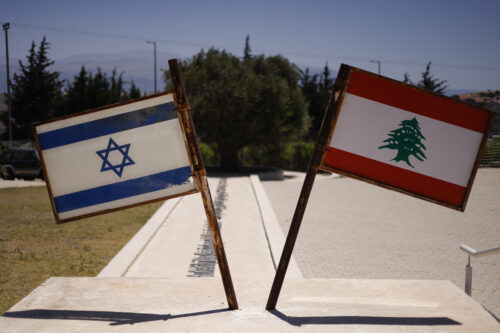
As part of a report outlining an actionable US roadmap to win in Lebanon, this article posits a successful outcome will require more than just negotiations: sustained pressure on Hizballah and Iran, internal reforms in Lebanon, Arab state help, and more proactive American support — not just money, but advice — for the Lebanese army.

Lebanon-Israel Border Disputes: A Guide for American Mediation
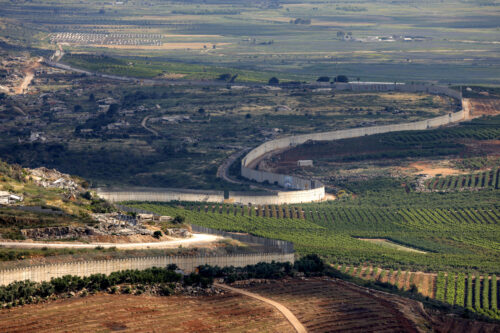
As part of a report outlining an actionable US roadmap to win in Lebanon, this paper examines how the United States might mediate the settlement of Israel-Lebanon differences over the line that divides them into separate jurisdictions.
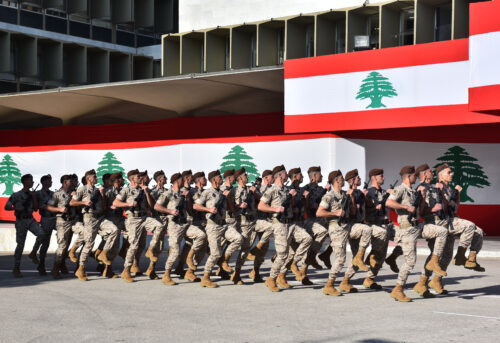
Setting the Lebanese Armed Forces Up for Success
As part of a report outlining an actionable US roadmap to win in Lebanon, the author discusses options for American military assistance to the Lebanese Army in the effort to disarm Hizballah and regain Lebanese sovereignty.
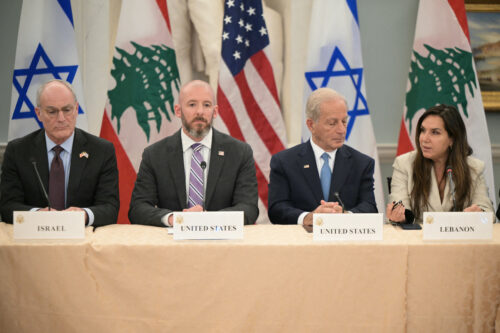
Operationalizing the Trilateral Framework Agreement
As part of a report outlining an actionable US roadmap to win in Lebanon, this article analyzes the Tripartite Framework Agreement signed by representatives of the United States, Israel, and Lebanon, and compares previous US-led peacekeeping mechanisms.

Lebanon Is Washington’s Next Win
As part of a report outlining an actionable US roadmap to win in Lebanon, this article discusses the role of the United States in defeating Hizballah and achieving a permanent end to the conflict between Lebanon and Israel.

Hizballah’s Deep State: The Real Challenge of Disarmament in Lebanon
As part of a report outlining an actionable US roadmap to win in Lebanon, this article argues that to strengthen the Lebanese state, accelerate economic recovery, and permanently reduce Iran’s influence, the United States should support efforts to dismantle Hizballah’s financial networks, political influence, and parallel institutions as well as reform the judicial system.

From Player to Referee: Dismantling the Culture of Entitlement and Cartelization in Lebanon
As part of a report outlining an actionable US roadmap to win in Lebanon, this article calls on the international community to focus on helping Lebanon transition from a market participant to a neutral Referee, strictly enforcing competition and the rule of law across both the public and private sectors.
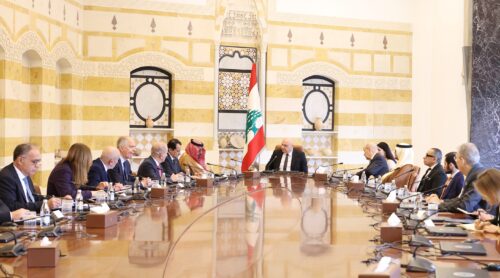
Owning the Recovery: Supporting Lebanese-Led Reconstruction Without Repeating the Past
As part of a report outlining an actionable US roadmap to win in Lebanon, the author analyzes previous international donor strategies in Iraq, Lebanon, and Ukraine as Washington and its Gulf partners consider how to assist the new Lebanese government in crafting and implementing a national recovery plan.
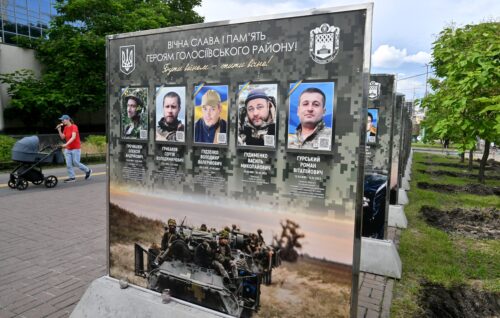
What the Gulf (and America) Can Learn from Ukraine
This past June, I had the opportunity to visit Ukraine and see a bit of a war I heretofore had only read about. The contrasts with the Middle Eastern wars I had experienced were stunning, as was, in particular, the juxtaposition with the current Iran conflict and the ongoing threat to our Gulf allies. There are lessons to be learned about commitment, intensity, self-reliance, and the importance of alliances. They could serve our allies and ourselves well in both theaters.