Iran’s political system has not yet developed stable party structures. Most parties are still loose coalitions of individuals and interest groups that combine their own interpretation of Ayatollah Ruhollah Khomeini’s legacy with their personal interests. As party affiliation remains relatively weak, members of one party often have run as candidates for another party or are on several electoral lists. Similarly, unregistered parties or electoral platforms also field candidates for both presidential and parliamentary elections on an ad hoc basis.
Ten years ago, in the summer of 1998, I arrived in Tehran after an absence of more than two decades. Three vignettes describe some of what I experienced and why I decided to stay.
In assessing the progress of the revolution in Iran, it might be useful to recall how other revolutions of the 20th century fared at the 30-year interval. Using their commencement rather than the actual seizure of power as the baseline, the 30th anniversaries of major 20th century revolutions were 1940 for Mexico, 1947 for the Soviet Union, 1964 for China (using the “Long March” as the year), 1975 for Vietnam, 1983 for Cuba (dating its beginning with the attack on the Moncada Barracks), 1984 for Algeria, and 2008 for Nicaragua.
Back to the Future: Bazaar Strikes, Three Decades after the Iranian Revolution
This essay series examines the roles that community-based organizations (CBOs) have played as active participants in the process of “governing” megacities—whether in service delivery, risk mitigation, or the creation of
The Revolutionary Legacy: A Contested and Insecure Polity
Islamic Iran will enter its 30th year with almost as much political noise as it generated at its inception. On the one hand, Iran’s nuclear program and the confrontation it has engendered are daily reminders of the regional and global dimensions of Iran’s revolution. On the other hand, the incessant squabbling among various branches of the government as well as among different political factions point to the fact that, more than anything else, the revolution was about an end to a one-man dominated political system.
The establishment of several para-governmental organizations (bonyads) following the revolution of 1979 in Iran has created a large socio-economic sector. This sector tried to harness a mass society by creating parallel structures of revolutionary legitimacy and authority in order to contribute to the consolidation process.
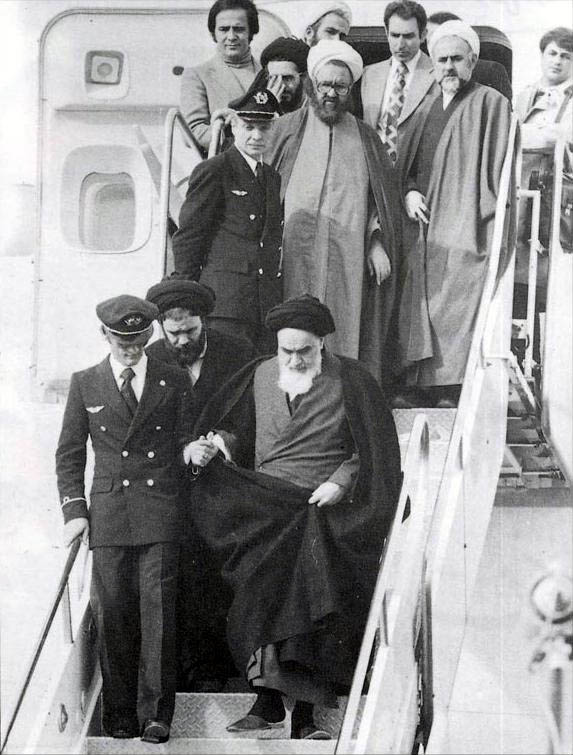
How is it possible that the Islamic Republic of Iran has lasted 30 years? Some of the revolutionaries themselves are probably surprised by this longevity. In 1979, they wrote a constitution that enshrined Imam Ruhollah Khomeini as the leader of the Islamic Republic. Surely they didn’t expect him to live another 30 years, past age 100, but their insistence on Khomeini’s unique characteristics made it unlikely that anybody else would be qualified to succeed him.
The execution of the original project of the Islamic Revolution in Iran has been repeatedly deferred for various reasons. More recently it is the increasing secularization of society under theocratic rule that is hindering the implementation of the original project despite a monopolization of political power by core elite factions.
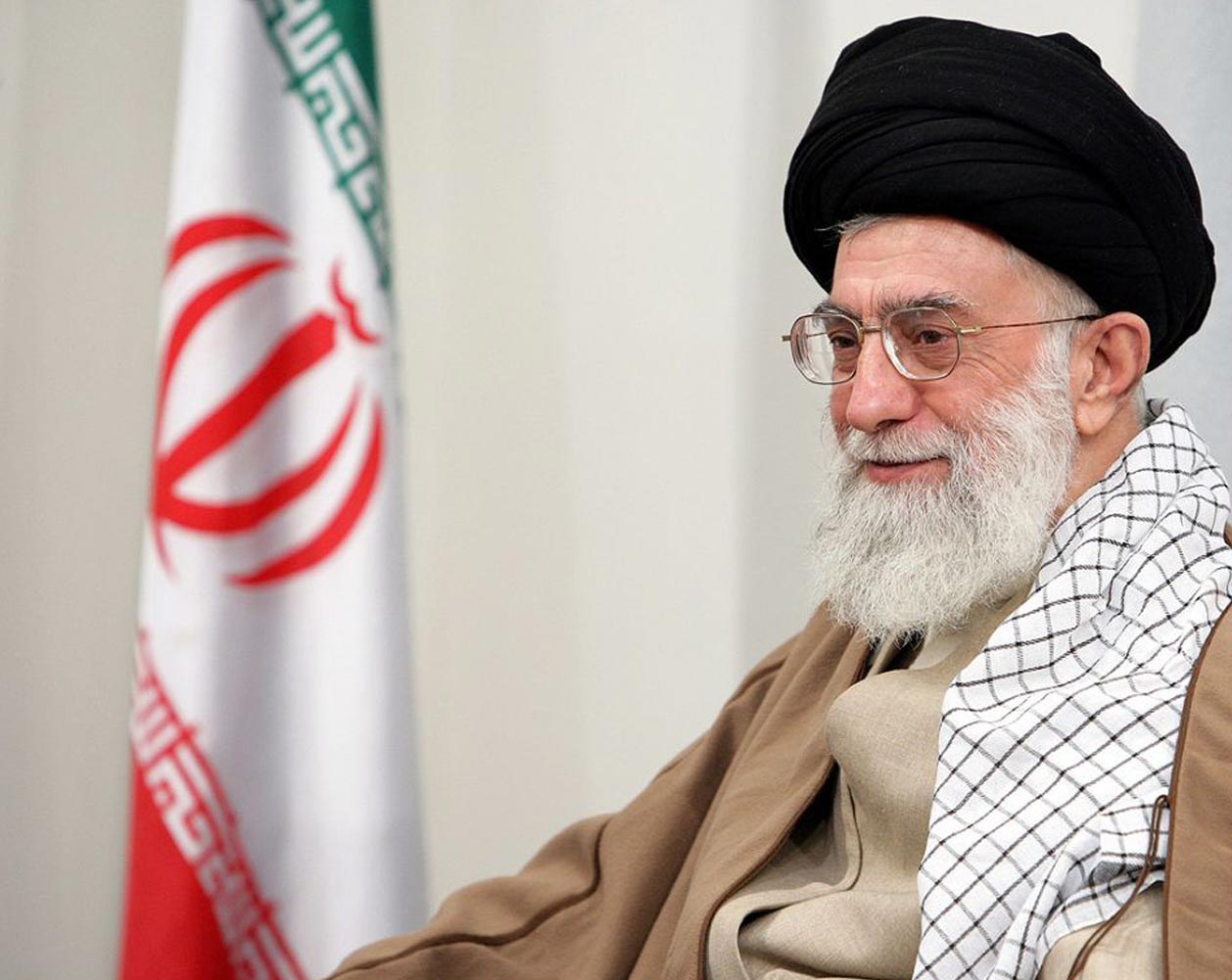
Thirty years ago, Ayatollah Khomeini proclaimed equity and social justice as the Revolution’s main objective. His successor, Ayatollah Khamene’i, continues to refer to social justice as the revolution’s defining theme. Similarly, Presidents Khatami and Ahmadinejad, though they are from very different political persuasions, placed heavy emphasis on social justice in their political rhetoric.
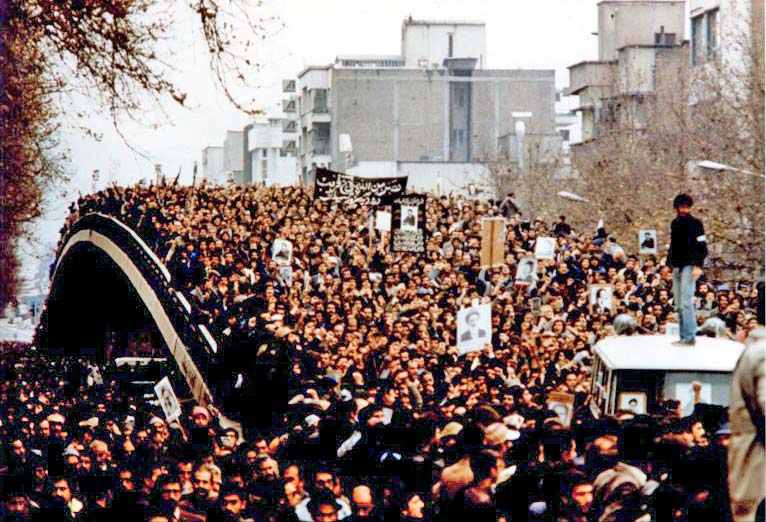
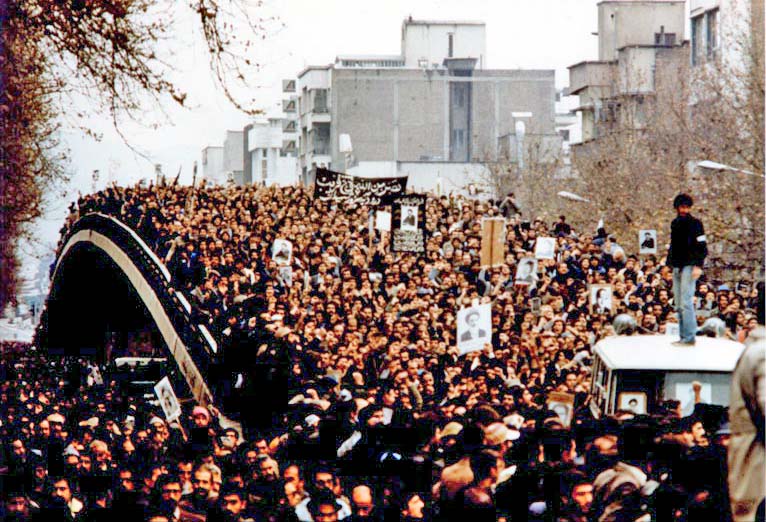
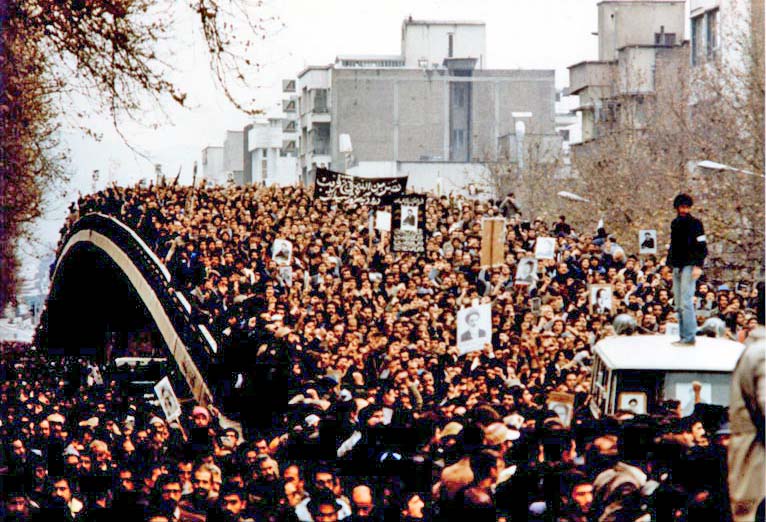
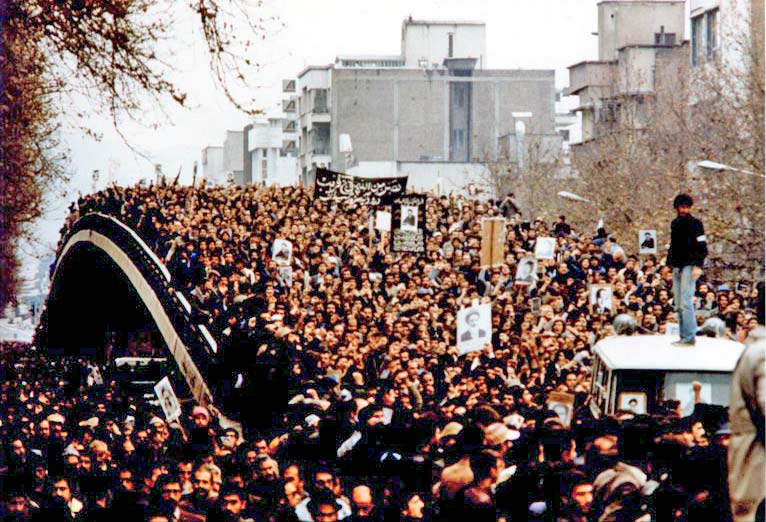
Each year during the anniversary of the revolution, which in Iran is called Dahe-ye Mobarakeh Fajr(The Sacred Ten Days), the Islamic regime leaves no doubt in Iranians’ minds about the causes of the Islamic Revolution.