
Ambassador (ret.) W. Robert Pearson is a Distinguished Diplomatic Fellow at The Middle East Institute. He focuses on Turkey with particular emphasis on U.S.-Turkey relations. His areas of interest include Turkey’s relations with the EU, Russia, the Middle East, and Central and East Asia, in addition to the United States.
Amb. Pearson is a retired professional foreign service officer who served as U.S. ambassador to Turkey from 2000 to 2003. He was director general of the U.S. Foreign Service from 2003 to 2006, repositioning the American Foreign Service to meet the new challenges of the 21st century and winning two national awards for his efforts. He is a founder and senior fellow at Duke University’s Rethinking Diplomacy Program and Space Lab. He was president of American Diplomacy Journal, hosted by UNC Chapel Hill, NC as the first ever digital journal of foreign affairs, begun in 1996. He served from 2008 to 2014 as president of IREX, an international development NGO based in Washington, spearheading its expansion to reach more than 125 countries worldwide. He has published numerous articles, blogs and opinion pieces on diplomacy, foreign policy, Turkey, NGOs, and development. He has appeared on BBC, CNBC, NPR, Al-Jazeera, I24 TV, TNT Global, Alhurra and other networks. He is a frequent speaker on issues concerning Turkey, international development and the role of diplomacy in American engagement abroad.
Education:
B.A. Vanderbilt University, J.D. University of Virginia School of Law
Country of Expertise:
Turkey
Issues of Expertise:
Security, Economics, Civil Society, Diplomacy and Foreign Relations
The Latest from W. Robert Pearson
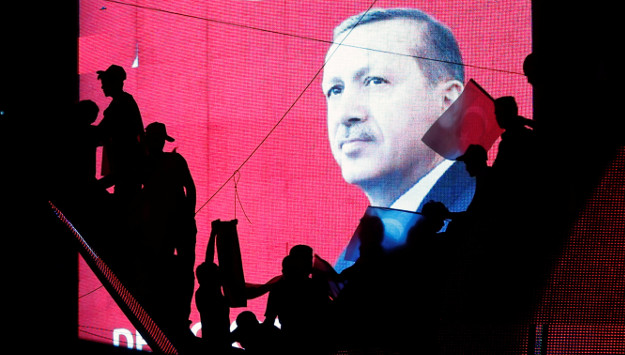
Monday Briefing: After Turkey's Failed Coup, How Far Will the Crackdown Go?
In this week’s Monday Briefing, MEI expert W. Robert Pearson provides analysis on the failed coup in Turkey and the impending crackdown on opposition. Marvin Weinbaum considers whether the unpopularity of Pakistan’s government could put it at risk of a military coup of its own. And Charles Lister looks at how ISIS is adapting in the face of territorial losses in Iraq and Syria.
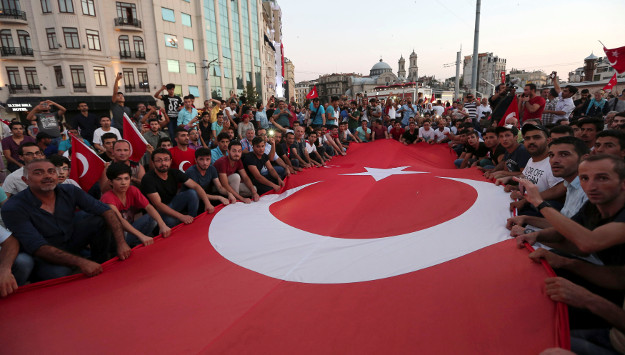
What Caused the Turkish Coup Attempt
Read the full article on Politico Magazine.
A military coup succeeds or fails quickly. The July 15 attempt in Turkey now is over with thousands arrested, hundreds killed and Turkey in traumatic shock. The reasons behind a coup attempt, however, do not rise or disappear as quickly.
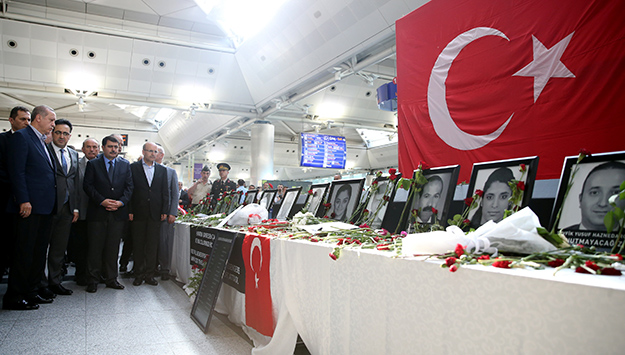
Istanbul Attack offers Turkey a New Start
The gut-wrenching tragedy at Istanbul’s Ataturk Airport offers a chance now to strike more damaging blows against ISIS. The cold-blooded massacre of June 28 reveals key facts that call for a rapid and comprehensive response. Recognizing the truth of this massacre opens the door to a new start in Turkey’s own war policy to complement its recent diplomatic efforts to improve its international ties.
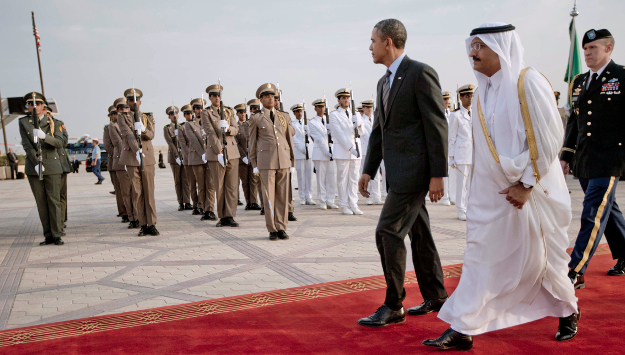
Obama’s Middle East: Goodbye Orthodoxy, Farewell Orthopraxy
President Barack Obama has turned over the table of orthodox foreign policy theory and practice in the Middle East. The United States may now have choices before it that are better grounded in fact, but has roiled the region in the process. It is the short-term consequences of the American shift that have attracted the most attention, but it is the long-term that will produce the most important outcomes. Four of America’s traditional allies—Israel, Egypt, Turkey and Saudi Arabia—are now estranged partners. To make it more complicated, each has its separate reasons for distrusting America.
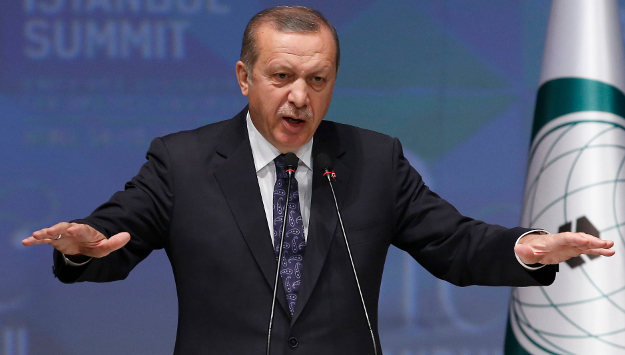
Turkey Invokes Religion to Restore Influence
Turkey’s ideologically inspired foreign policy is shifting to concentrate more directly on bolstering domestic nationalist support and highlight its regional religious identity. Ankara seeks to divert attention from its policy setbacks in Syria, as well as its internal and economic problems, while continuing to blunt U.S. efforts to crush ISIS.
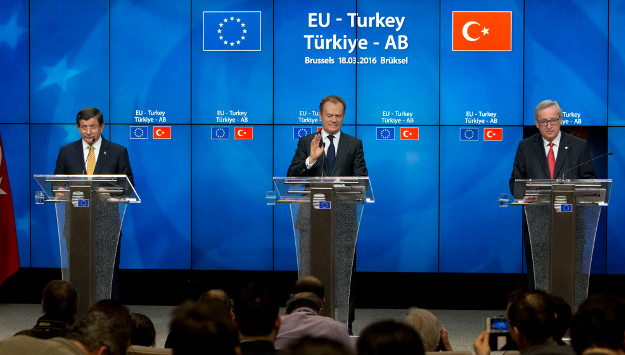
The Shaky Foundation of the E.U.-Turkey Deal
Turkey and the European Union have reached what they have labelled an “historic” agreement. The Europeans believe they have papered over an expanding and divisive refugee problem, while the Turks think they have a wider door for E.U. membership. The Europeans, however, have no intention of bringing Turkey into its fold anytime soon as it would dramatically accelerate the growth of its rightwing parties. Neither do the Turks have a genuine interest in solving Europe’s refugee crisis, since the crisis itself is Turkey’s leverage to gain concessions from Europe.
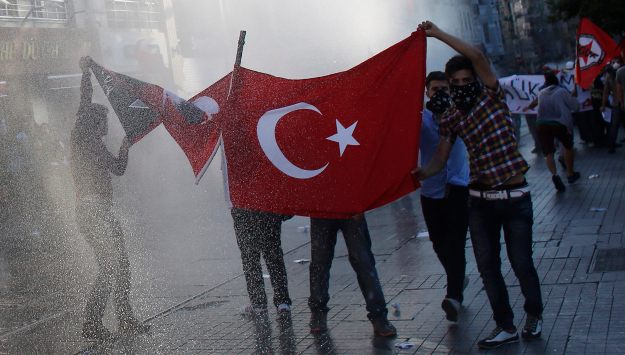
The Three Faces of Turkey
Washington and Ankara are in yet another difficult phase in a relationship cycle that runs from very good to very bad. American public opinion about another country forms slowly, but persists through time once set. As Turkey changes, we keep trying to fit new evidence into the old paradigm. At some point, the contradictions are too obvious to explain away, and the new narrative emerges. Right now, Americans are caught in that dilemma regarding Turkey. Unless we have a better idea of which Turkey we are dealing with, we are certain to make bad choices.
Charting a Course for Syria after Paris and Vienna
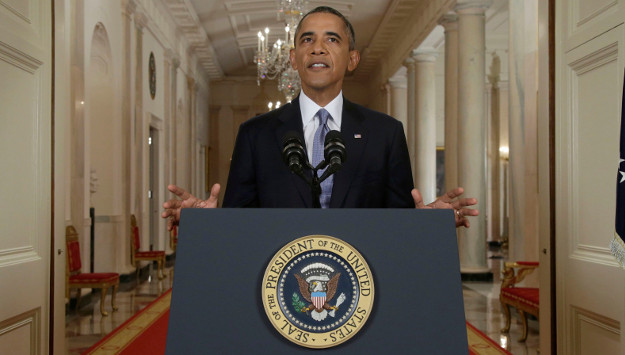
The shooting down of a Russian SU-24 by Turkey on November 24 has ratcheted the Syrian crisis to a new level of urgency. This escalation, combined with the horrific attacks in Paris and the security situation still unfolding across Europe, is understandably dominating the news cycle. Amidst this tumult, however, the results of the Vienna Summit of November 14 have been largely buried. In truth, the downing of the Russian fighter and the massacre in Paris underscore the importance of looking again at what came out of the Vienna talks and what steps the U.S.
Erdogan and Turkey's Tipping Point
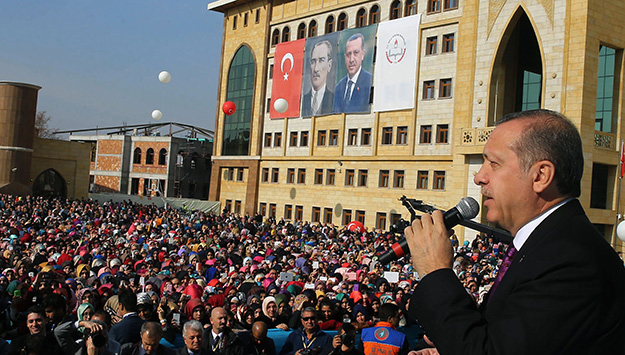
The ironies of modern Turkey’s history seem to be emerging in sharper relief. On Sunday, August 30, Turkey will celebrate its signal victory of 1922, which capped the struggle of Kemal Ataturk, Turkey’s founding father, to secure the country’s freedom. From the beginning of that war of liberation until final victory, Ataturk worked tirelessly to gain the support of all Turks for the fight for independence. That victory of 1922 was a military triumph, but it also reflected the power of a united people to bring a dream to reality.

Why Turkey’s Elections Matter to Americans
On June 7, Turks will choose a new parliament. This decision will be the most important one for Turkey in 70 years, since the advent of multi-party elections in 1945. The election at heart is about religion, as it brings Turkey to the brink of becoming a republic dominated by the religious convictions of its current leadership. If the ruling Justice and Development Party (AKP) wins a 60 percent majority of parliamentary seats, democratic choice will likely yield to the dogma of faith.
Turkey and Armenia: Make History Instead of Repeating It
On April 24, Turks, Armenians, and millions of others around the globe will clash again over the events that began 100 years ago in the Ottoman domains. The mass deportations and massacres of Armenians in 1915 and later years have led many to call this great tragedy a genocide. The old arguments and contested evidence are now going to be heard once more. It might also be the perfect moment for Ankara and Yerevan to take practical steps that benefit all and harm none.
Turkey’s Achilles Heel: The Economy
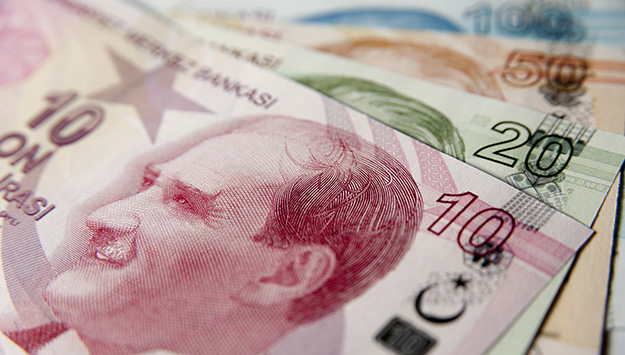
In Turkey today, as President Recep Tayyip Erdogan and Prime Minister Ahmet Davutoglu wrestle over who governs, the political uncertainty they are creating may be a ground tremor about to generate an earthquake. The earthquake, however, may not only be political in nature; it may also be economic.
Turkey’s remarkable economic growth is now in jeopardy. Its economy is drifting, beset by contrary winds of economic policies and political wrangling. There is a clear track forward, but to reach the next level of prosperity, the government must undertake a major new effort.
Turkey: Exhuming the Deep State
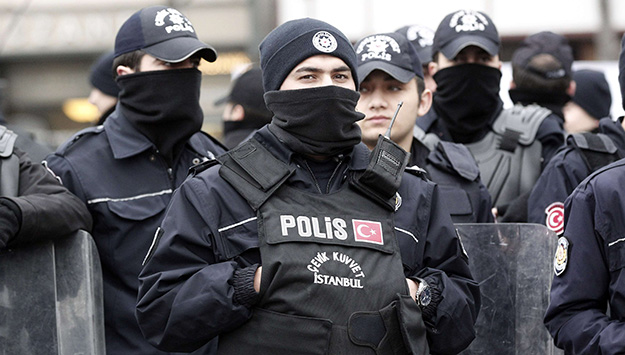
Turkey is in an unprecedented state of political tumult. Since the ascent of Recep Tayyip Erdogan’s Justice and Development Party (AKP) to power in 2002, all Turks have struggled to support, defeat, or accommodate this party that rose suddenly in free elections to national power. Now, that contest has entered a new and more dangerous phase.
Moving Ahead for the United States and Turkey
Ankara and Washington once again are wide apart on regional objectives. Not since 2003 and, for some, not since Cyprus in 1974 have the two capitals seen the same crisis so differently. Moving back onto the same page will require a series of concrete steps. President Obama reportedly has ordered a review. One of its main objectives should be to bring Turkey and the United States closer together on goals and tasks each will undertake. The United States cannot build a stable coalition without Turkey, and Turkey cannot accomplish its aims without the United States.



