This individual is a guest contributor. MEI is not able to assist with contact requests.
Zoe H. Robbin is a researcher in Amman, Jordan, where she conducts monitoring and evaluation for a variety of EU and USAID initiatives focused on women’s empowerment, governance, and education in the Arab Region for INTEGRATED. She is a Fulbright research finalist, senior fellow with Humanity in Action, and member of Foreign Policy for America’s (FP4A) NextGen Middle East working group. She is also on the junior board of Reclaim Childhood, a nonprofit based in Jordan that provides girls with opportunities to play sports. Her research on health, development, and women’s empowerment has been published in several peer-reviewed journals, including AIDS and Behavior, Violence Against Women, and the Journal of Interpersonal Violence. She is proficient in French and Arabic. Zoe holds dual bachelor’s degrees summa cum laude from Emory University in Quantitative Sciences and Arabic Studies.
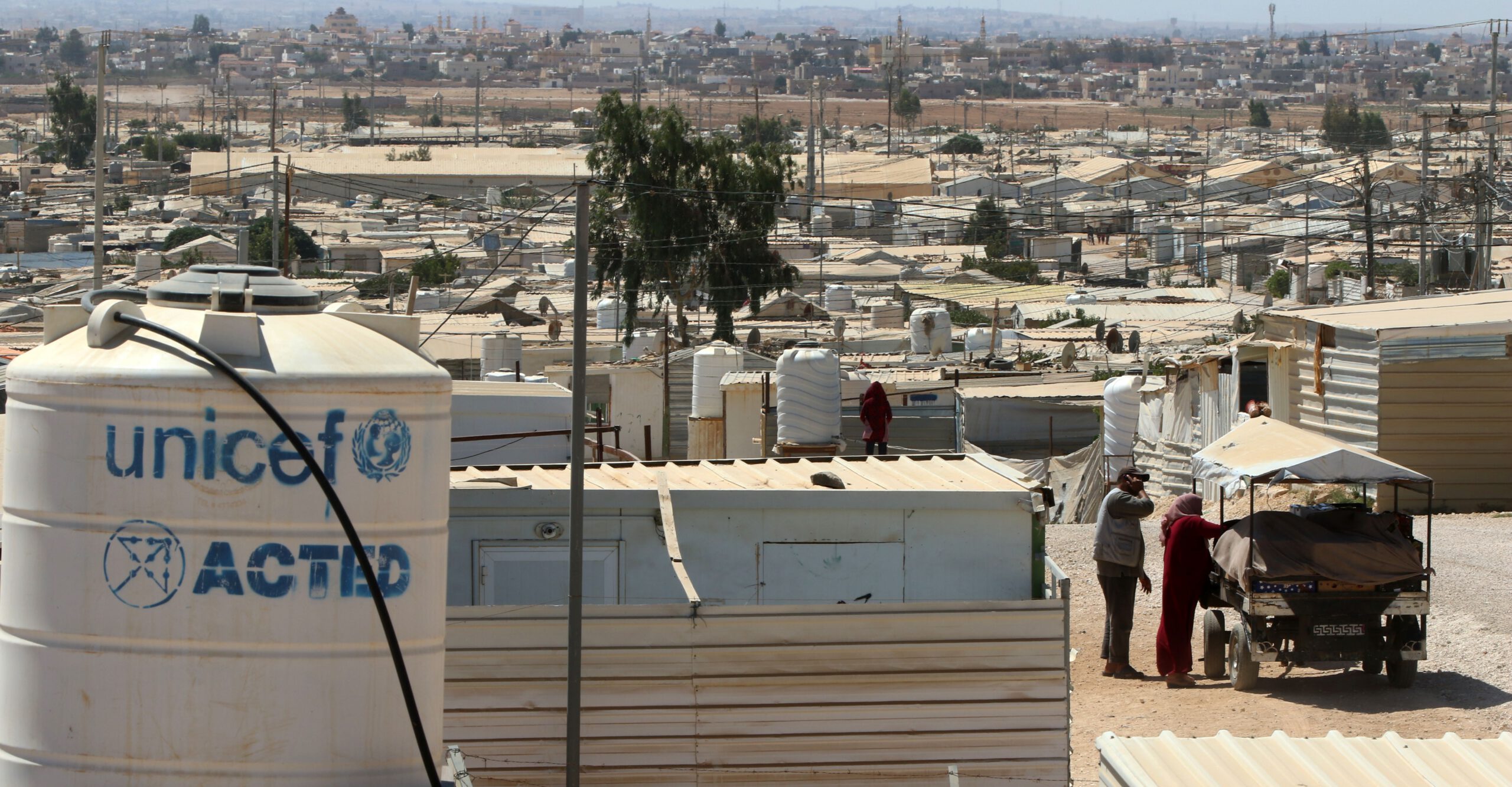
Six and a half years ago, international governments and organizations successfully negotiated the “Grand Bargain,” an agreement that the largest international non-governmental organizations would allocate 25% of their humanitarian funding to small NGOs. Nowhere was the deal more hotly anticipated than Jordan, where the Syrian refugee crisis compounded existing problems of workforce participation and water scarcity.
Women’s labor force participation and COVID-19 in Jordan
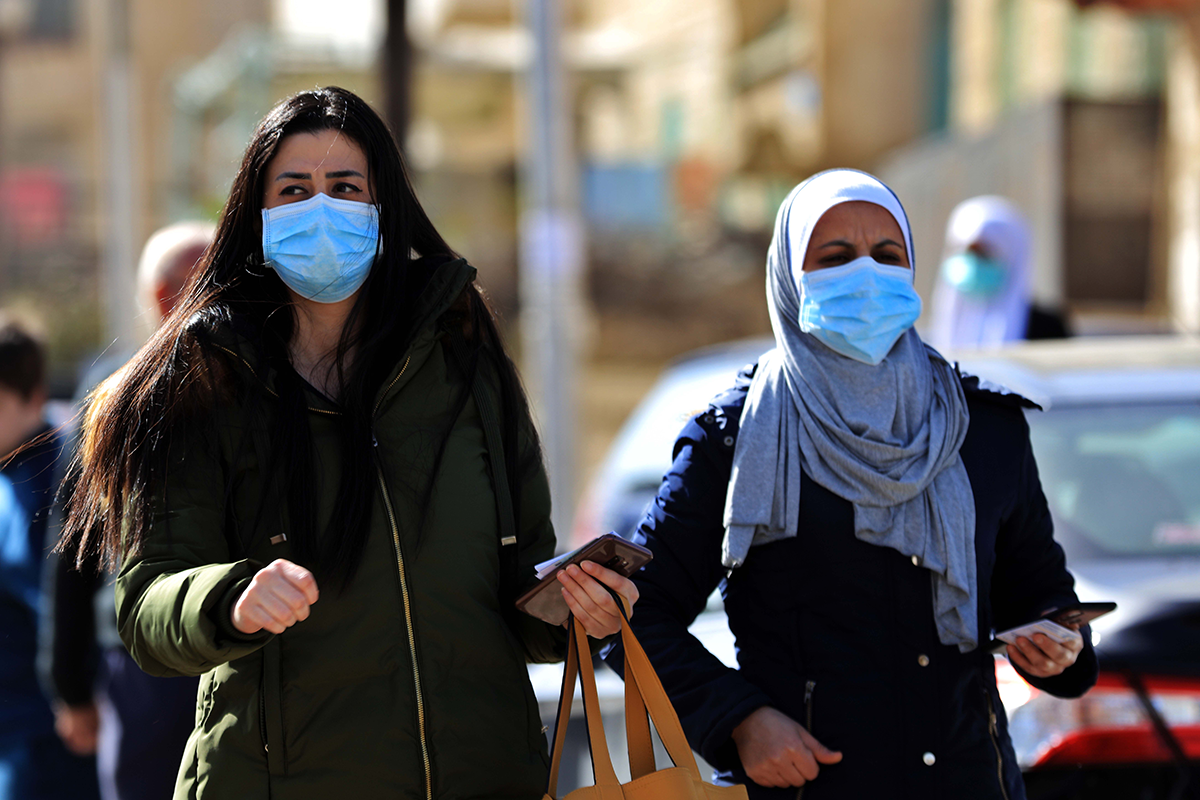
Jordan has the lowest rate of women’s economic participation of any country not at war. According to the ILO, the kingdom’s female labor force participation rate is below 15%, while that of men is about 60%. This is lower than rates of female labor force participation in neighboring Lebanon (23%), Saudi Arabia (22%), and the West Bank and Gaza (18%). As the COVID-19 pandemic stretches on, the government of Jordan should take the opportunity to expand the accessibility of remote work and corresponding opportunities for Jordanian women who aim to play a role in their nation’s economy.