The Israeli-U.S. military strikes on Iran that began on February 28 have done more than ignite a Middle Eastern war. They have sent shockwaves rolling across Asia, from the Strait of Hormuz to the Sea of Japan, exposing the brittle underpinnings of regional energy systems, straining diplomatic balancing acts, and forcing governments to make hard choices they have long deferred.
The conflict is, at its core, a distant war for most of Asia. But the consequences are arriving fast and close.
Energy Disruptions
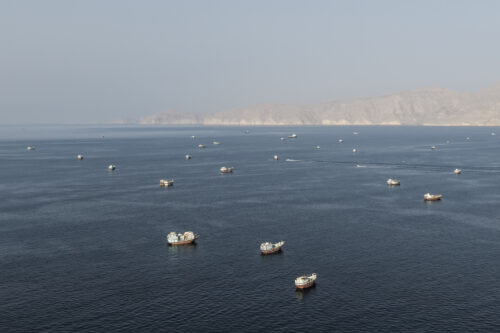
The Strait of Hormuz, effectively closed to tanker traffic since the strikes, is the jugular vein of Asian energy security.
Japan depends on the Middle East for roughly 95 percent of its oil supplies, with about 70 percent transiting Hormuz. It is drawing on emergency reserves equivalent to 254 days of imports – among the world’s largest stockpiles. But buffer stocks are a finite reprieve, not a solution. Oil still accounts for 34.8 percent of Japan’s primary energy consumption – a legacy of the post-Fukushima retreat from nuclear power that Tokyo has never fully reversed.
The Nikkei 225 at one point plunged more than 4,200 points in a single session. The yen weakened sharply toward 160 to the dollar, amplifying imported inflation fears. Over 85 percent of Japanese respondents are now concerned about the war’s direct impact on their lives – a remarkable number in a country not party to the conflict.
John Calabrese is a Senior Fellow at the Middle East Institute.
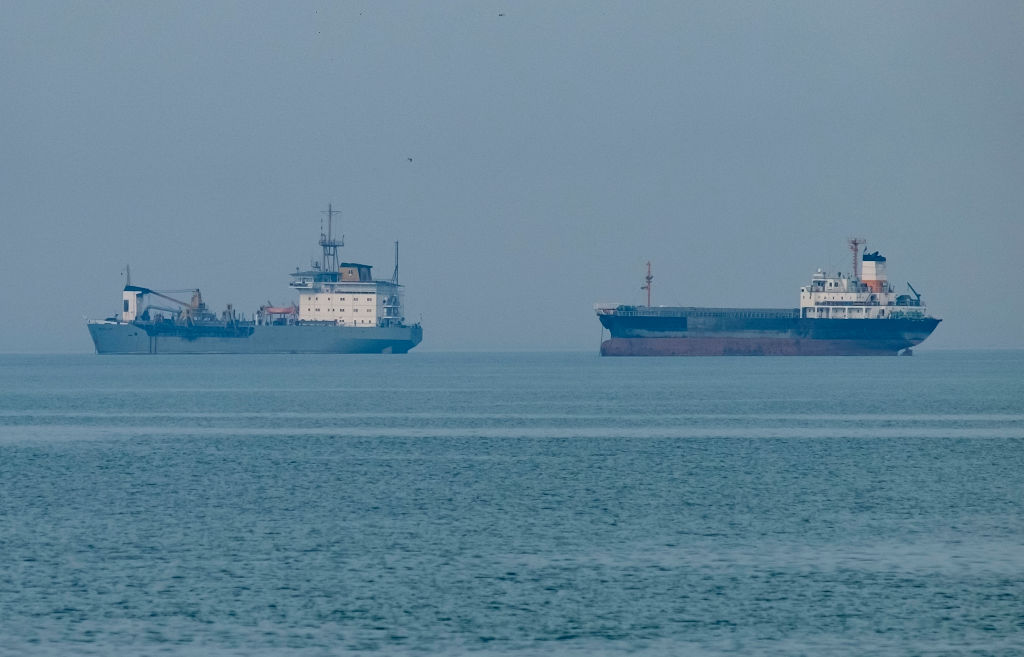
Photo by Morteza Nikoubazl/NurPhoto via Getty Images
The Middle East Institute (MEI) is an independent, non-partisan, not-for-profit, educational organization. It does not engage in advocacy and its scholars’ opinions are their own. MEI welcomes financial donations, but retains sole editorial control over its work and its publications reflect only the authors’ views. For a listing of MEI donors, please click here.