Skip to Content

Afghanistan-Pakistan

Countries

The Mecca Joint Défense Agreement: A New Geometry of Middle Eastern Power?
  • Analysis
  • The Mecca Joint Défense Agreement: A New Geometry of Middle Eastern Power?

    On August 7, 2026, Saudi Arabia, Turkey, and Pakistan signed the Mecca Joint Défense Agreement, a collective-defense pact widely compared to NATO’s Article 5. This essay argues that the comparison is misleading. Mecca borrows NATO’s language of solidarity without yet possessing NATO’s institutional machinery, and the Houthi offensive against Saudi Arabia in September 2026 provided an early and revealing test of what the agreement actually means in practice. Neither Pakistan nor Turkey automatically entered the fight on Saudi Arabia’s behalf, and Washington, despite an initial reluctance to strike directly, remained indispensable through intelligence support and a major proposed F-35 sale. Drawing on realist alliance theory — Hans Morgenthau, Kenneth Waltz, Stephen Walt, Glenn Snyder, and Steven David — and on the precedent of the Central Treaty Organization (CENTO), the essay contends that the Middle East is not dividing into rival blocs but moving from hierarchy toward a looser, overlapping geometry of hedged partnerships, in which American exclusivity is eroding considerably faster than American primacy.

    The Mecca Alliance Meets the Red Sea – Saudi Arabia’s New Defense Pact Faces Its First Major Test
  • Commentary
  • The Mecca Alliance Meets the Red Sea – Saudi Arabia’s New Defense Pact Faces Its First Major Test

    When Saudi Arabia, Turkey and Pakistan agreed to a mutual defense pact in August, it was principally seen as a political commitment. The “Mecca alliance,” as it was dubbed, stipulated that an armed attack on one would be treated as an attack on all three, accompanied by deeper military cooperation.

    The Case for a Middle Course in Afghanistan
  • Commentary
  • The Case for a Middle Course in Afghanistan

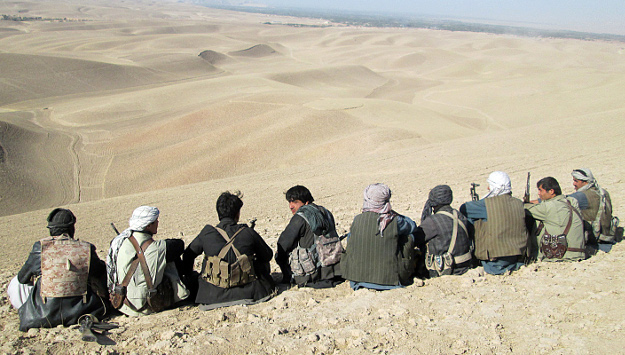
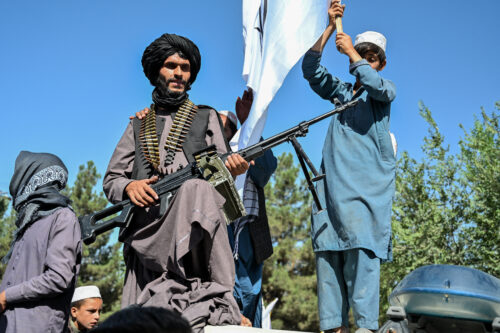
    I was a teenage Afghan refugee in Pakistan’s tribal areas when the Twin Towers fell. Almost nobody around us understood the politics of what had happened, but we knew that something had changed for good. Afghanistan, which until then had been our private tragedy and our first exile from Taliban rule, had suddenly become the world’s concern, with the United States leading the response.

    The Latest

    Filter by
    1194 Results
    Why Pakistan Is the Biggest Winner in the Iranian-Saudi Dispute
  • Analysis
  • Why Pakistan Is the Biggest Winner in the Iranian-Saudi Dispute

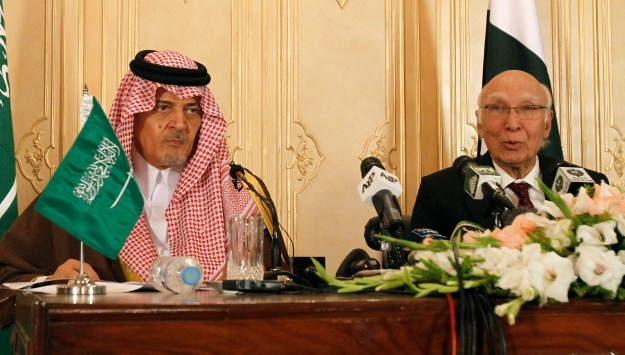
    Saudi Arabia is back, knocking on Pakistan’s door. Saudi Foreign Minister Adel al-Jubeir and King Salman bin Abdulaziz al-Saud’s son and deputy crown prince, Mohammad bin Salman, arrived separately in the early days of the new year to persuade Islamabad to join hands with Riyadh in confronting regional security threats. That is, the Saudis want Pakistan’s support against Iran. 

    Reappraising the U.S. Military Strategy and Mission in Afghanistan

    Reappraising the U.S. Military Strategy and Mission in Afghanistan

    November 23 – January 1, 1970, November 23 - 12:00 PM – 12:00 AM
    January 1 - 12:00 PM – 12:00 AM

    Carnegie Endowment for International Peace, 1779 Massachusetts Ave. NW, Washington, District of Columbia 20036

    Governing Megacities in the MENA and Asia
    Middle East Institute
  • Analysis
  • Governing Megacities in the MENA and Asia

    According to the UN’s World Urbanization Prospects 2014, there are 28 “megacities” worldwide (i.e., urban agglomerations with populations in excess of 10 million). By 2030 another dozen will likely be added to their ranks.

    November 7, 2015

    Sectarian Violence in Balochistan
    Middle East Institute
  • Analysis
  • Sectarian Violence in Balochistan

    This article surveys and critically evaluates sectarian conflicts and trends in Balochistan during the War on Terror, concentrating primarily on the predominantly Shi‘i Hazara community based in Quetta.

    June 18, 2015

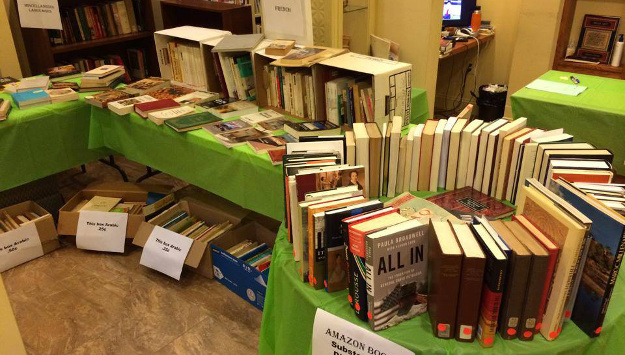
    Annual MEI Library Book Fair

    Annual MEI Library Book Fair

    June 13 – January 1, 1970, June 13 - 10:00 AM – 12:00 AM
    January 1 - 10:00 AM – 12:00 AM

    The Oman Library at the Middle East Institute, 1761 N Street NW, Washington , District of Columbia 20036

    Countering Violent Extremism: Local and Global Approaches
    Middle East Institute

    Countering Violent Extremism: Local and Global Approaches

    June 12 – January 1, 1970, June 12 - 9:00 AM – 12:00 AM
    January 1 - 9:00 AM – 12:00 AM

    National Press Club, 529 14th St, NW, 13th Floor, Washington, District of Columbia 20045

    Can Kabul and Islamabad Cooperate Effectively on Counterterrorism?
  • Analysis
  • Can Kabul and Islamabad Cooperate Effectively on Counterterrorism?

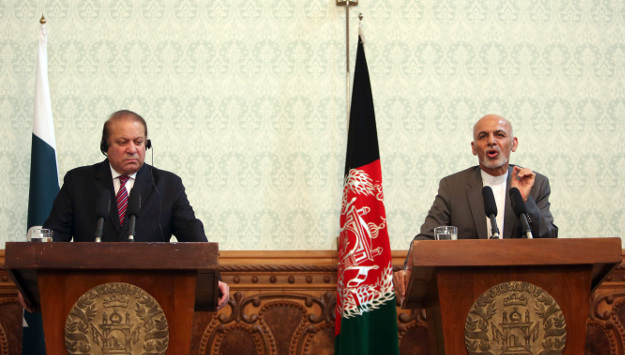
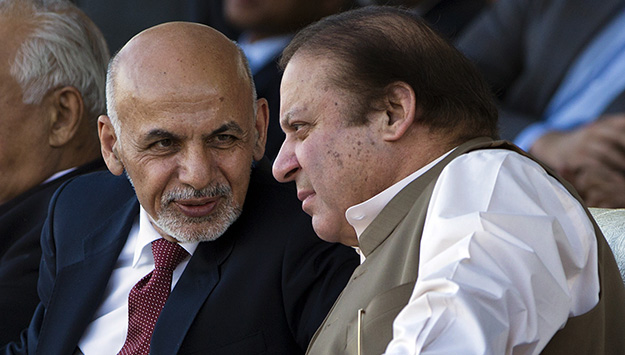
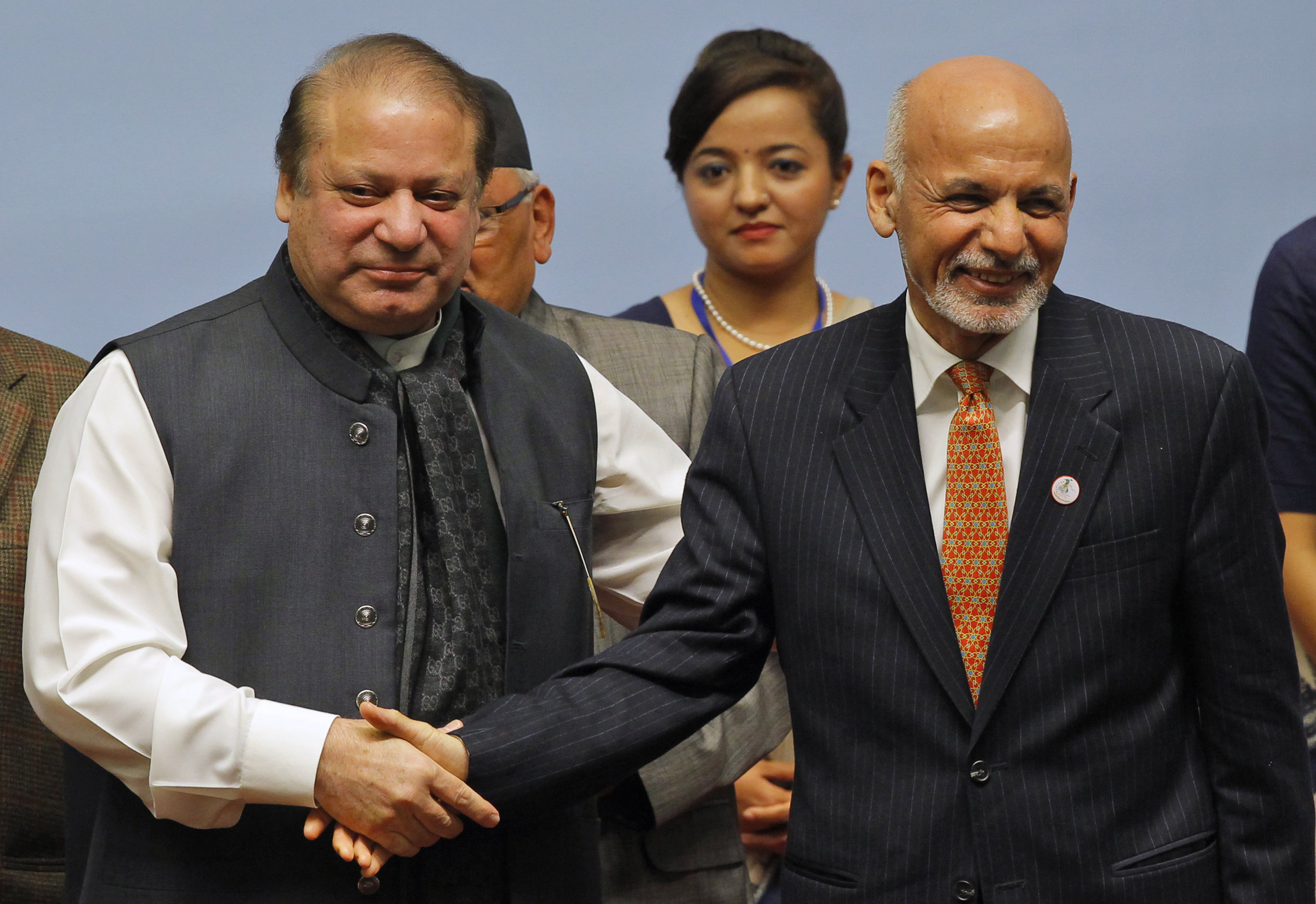
    Soon after Ashraf Ghani and Abdullah Abdullah formed a unity government in Afghanistan in September 2014, there were signs of rapprochement between Kabul and Islamabad. When President Ghani visited Pakistan in November, he went to the army’s headquarters in Rawalpindi and laid a wreath at the monument to the country’s fallen soldiers—an indication that the Kabul government had come to an understanding with the Pakistani army, which controls the country’s Afghan policy.

    June 3, 2015

    Sectarian Violence and Intolerance in Pakistan
  • Analysis
  • Sectarian Violence and Intolerance in Pakistan

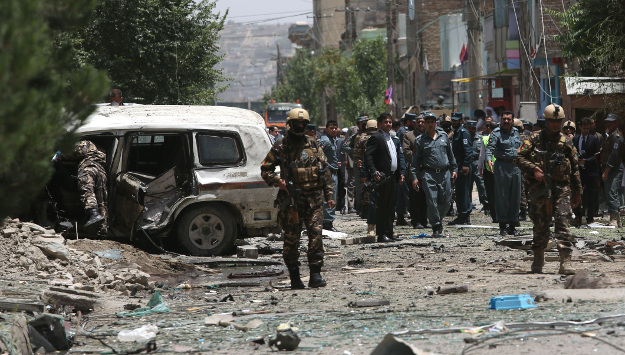
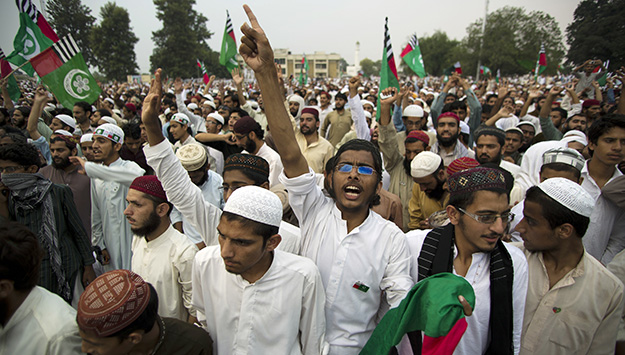
    On May 13, more than 40 people were killed and at least 13 injured in a gun attack on a bus carrying members of the minority Ismaili Shi‘i sect in Karachi, Pakistan. This was not the deadliest attack of the year, as that dubious honor goes to a suicide bombing in a district in Sindh, which left 61 Shi‘a dead in January. Yet the brazen nature of the attack―carried out in daylight in the bustling megacity of Karachi by gunmen who reportedly boarded the bus and shot at passengers indiscriminately―was striking even in a country where over 2,000 people have been killed and 3,500 injured in sectarian attacks in the past five years.

    May 27, 2015

    Afghan-Pakistani Reconciliation: A Brief Thaw, or Something More?

    Afghan-Pakistani Reconciliation: A Brief Thaw, or Something More?

    May 20 – January 1, 1970, May 20 - 12:00 PM – 12:00 AM
    January 1 - 12:00 PM – 12:00 AM

    Carnegie Endowment for International Peace, 1779 Massachusetts Ave NW, Washington, District of Columbia 20036

    Pakistan’s Balancing Act Between Saudi Arabia and Iran
    Middle East Institute
  • Analysis
  • Pakistan’s Balancing Act Between Saudi Arabia and Iran

    April 23, 2015 – Marvin Weinbaum, director of the Center for Pakistan Studies at The Middle East Institute, explains Pakistan’s decision not to provide military aid for Saudi Arabia’s operation in Yemen, and how Prime Minister Sharif is working to repair relations with Riyadh.

    Read the Middle East Journal

    The oldest peer-reviewed publication dedicated to the study of the modern Middle East, MEI’s flagship journal covers politics, society, and culture in the region.