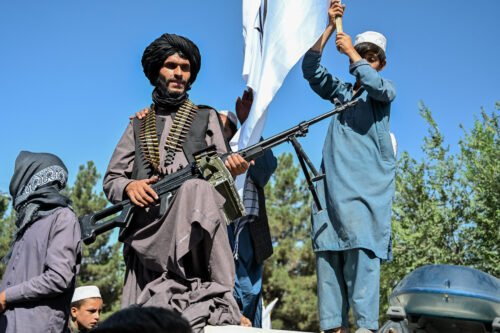
I was a teenage Afghan refugee in Pakistan’s tribal areas when the Twin Towers fell. Almost nobody around us understood the politics of what had happened, but we knew that something had changed for good. Afghanistan, which until then had been our private tragedy and our first exile from Taliban rule, had suddenly become the world’s concern, with the United States leading the response.
United States Central Command (CENTCOM), one of the US Department of Defense’s (DoD) six geographical combatant commands, is responsible for countering threats, responding to crises, and strengthening regional stability in the Middle East, Central Asia, and parts of South Asia.
A Strategic Conundrum: Pakistan’s Transit Corridor to Iran as Lifeline or Liability
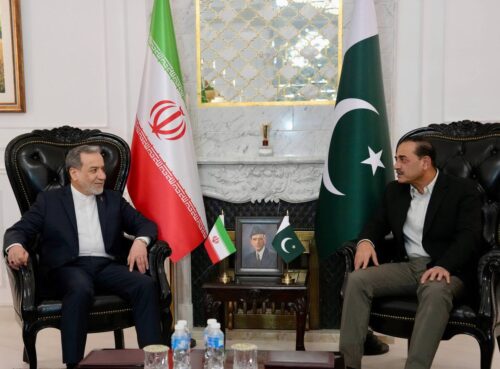
The US-Iran standoff over the Strait of Hormuz — disruptive to global trade and energy flows, and devastating for debt-burdened economies — has handed Pakistan an unexpected geoeconomic opportunity, one that may persist even if the framework agreement announced on June 14 results in a lasting peace and permanent reopening of the strait. But seizing it will have interlocking consequences for Islamabad’s ties with Tehran, Washington, and the Gulf states.
International institutions confront Taliban troubles
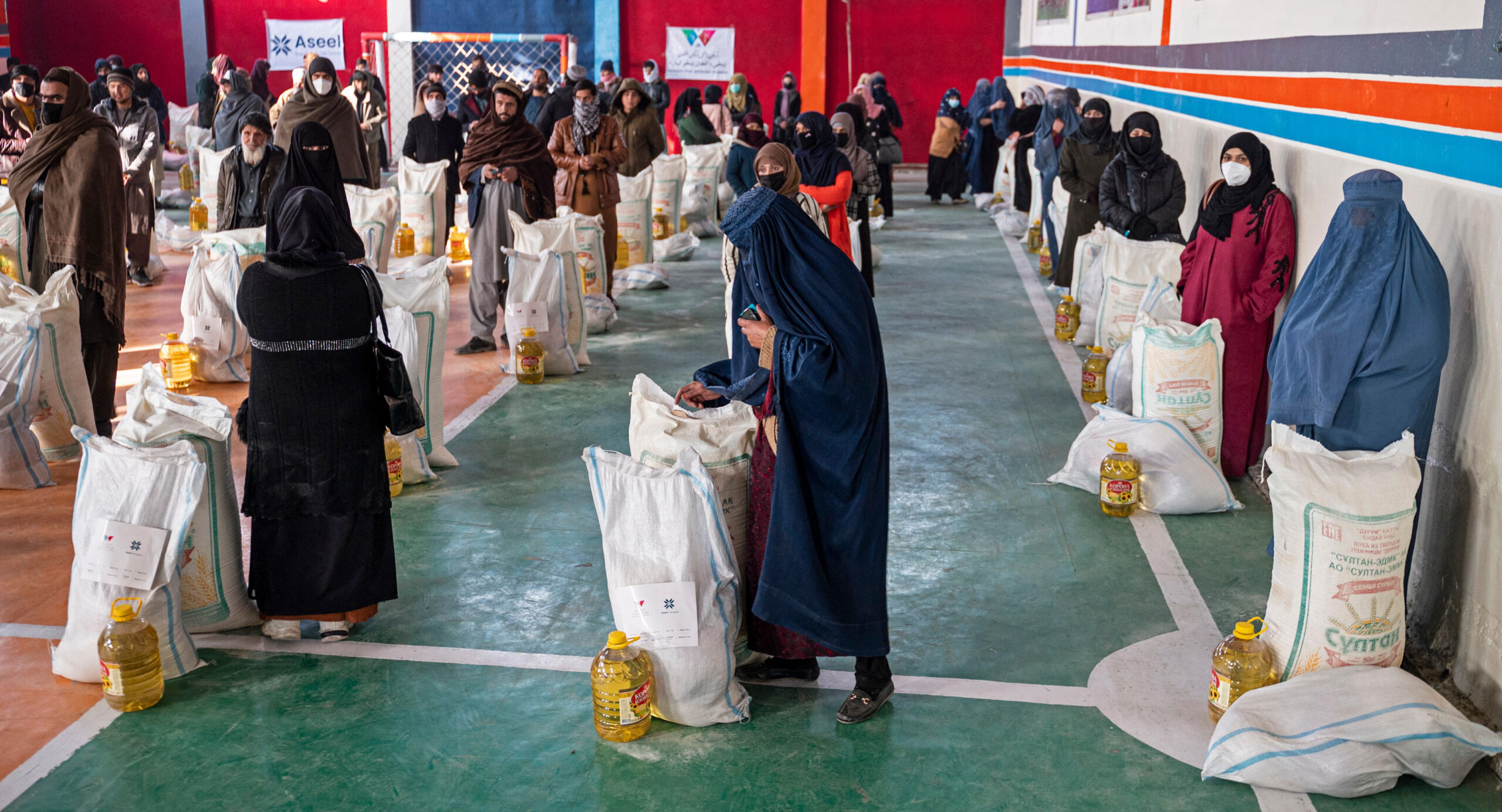
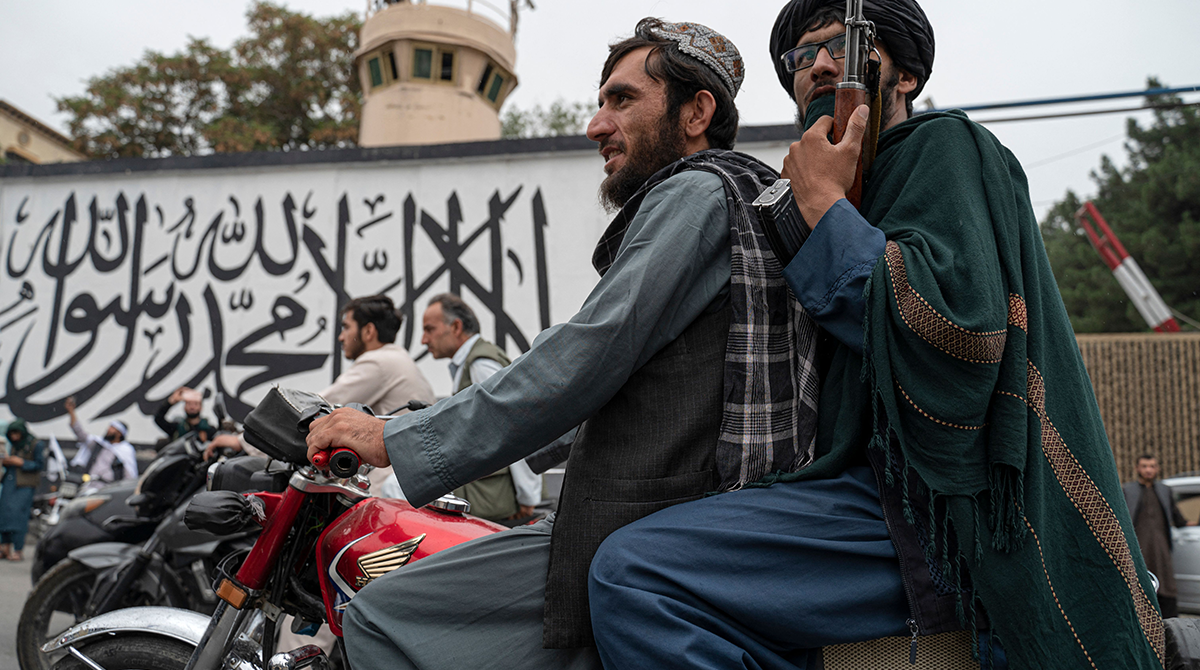
International leaders are struggling to manage a Taliban-ruled Afghanistan; they are torn between their commitment to alleviate Afghans’ suffering and their reluctance to legitimize a Taliban government that violates its people’s basic rights. Helping Afghans but not their new “de facto authorities” is a difficult balance for a diverse group of international actors with often divergent long-term interests.
Joining the pieces together: Toward a comprehensive EU maritime approach for the Northwestern Indian Ocean, Persian Gulf, and Red Sea
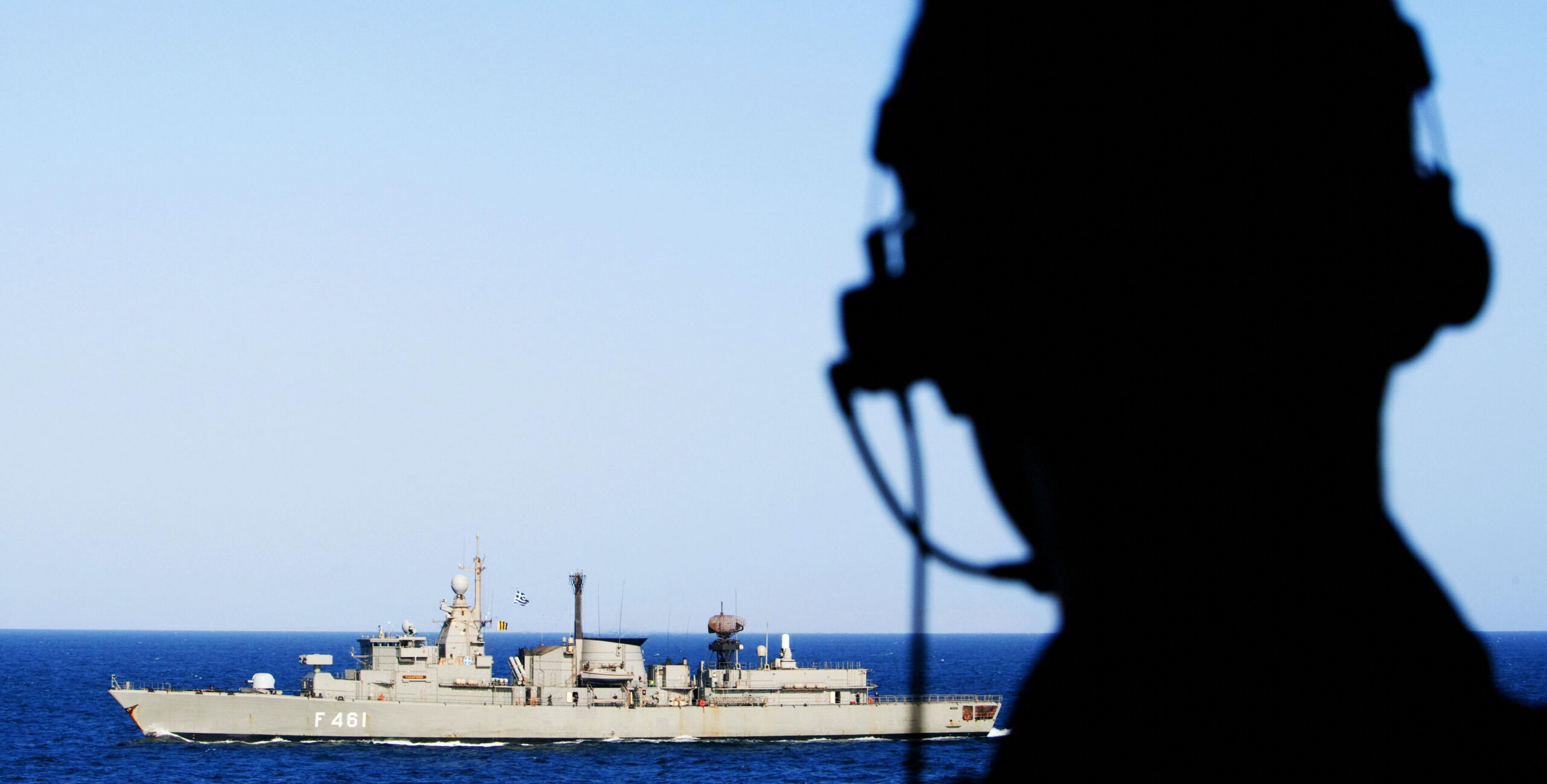
Until recently, the EU has favored a piecemeal approach toward the Northwestern Indian Ocean, the Gulf, and the Red Sea, despite their close interdependence and inter-connectedness in the security, political, and economic realms. But the EU is now signaling a growing desire to steer its naval policy toward a more holistic and organic process, creating an opportunity for Brussels to become a more relevant security actor in the waters off the Arabian Peninsula.
Both historical and modern-day conflicts in the Middle East have all been centered around classical territorial considerations of the loss or recovery of land. Escaping that cycle required a shift away from one of the main root causes of conflict: geography. The current changes in the region, characterized by a significant drive toward de-escalation and a growing willingness to periodically part ways with traditional allies, may be telling symptoms of a profound tectonic shift toward “quantum politics.”
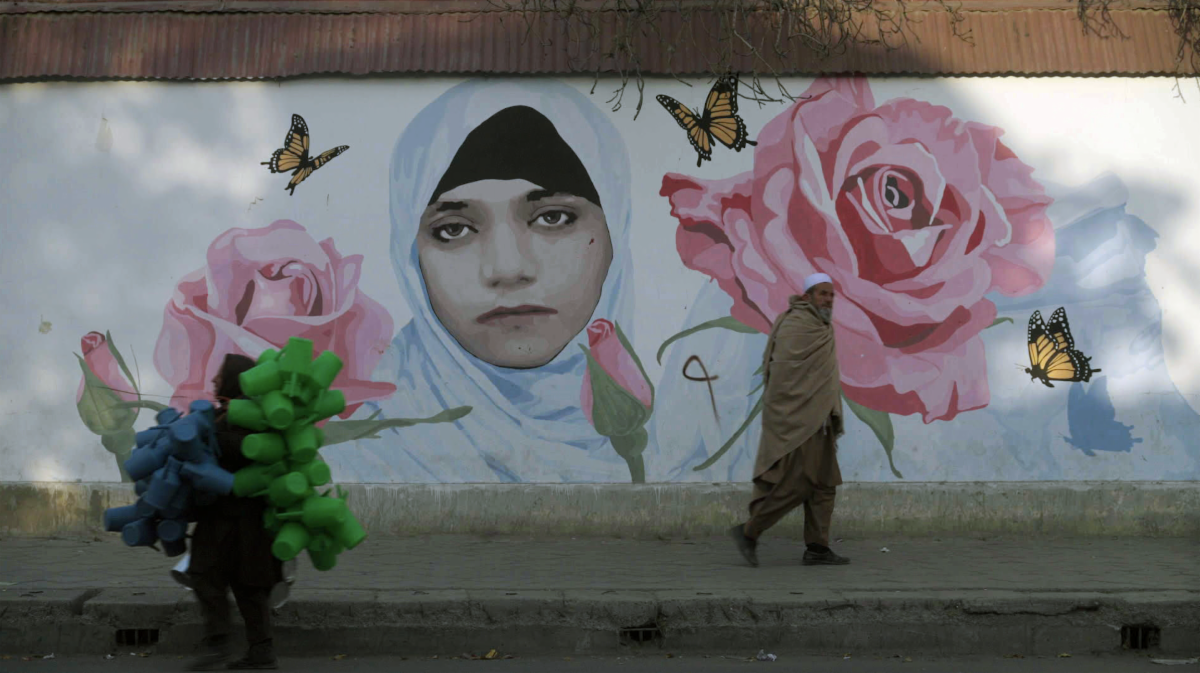
A Reassessment of American Policy Toward Taliban Afghanistan
It has been long enough since the Taliban seized power in Afghanistan in August 2021 for us to reach some conclusions about how the regime intends to govern and the policy options this presents. For a variety of reasons the U.S. now finds itself drawn into several areas of policy in Afghanistan and trying to decide what form and degree of engagement with the Taliban government can best advance American interests.
Getting ahead of the Middle East’s climate refugee conundrum
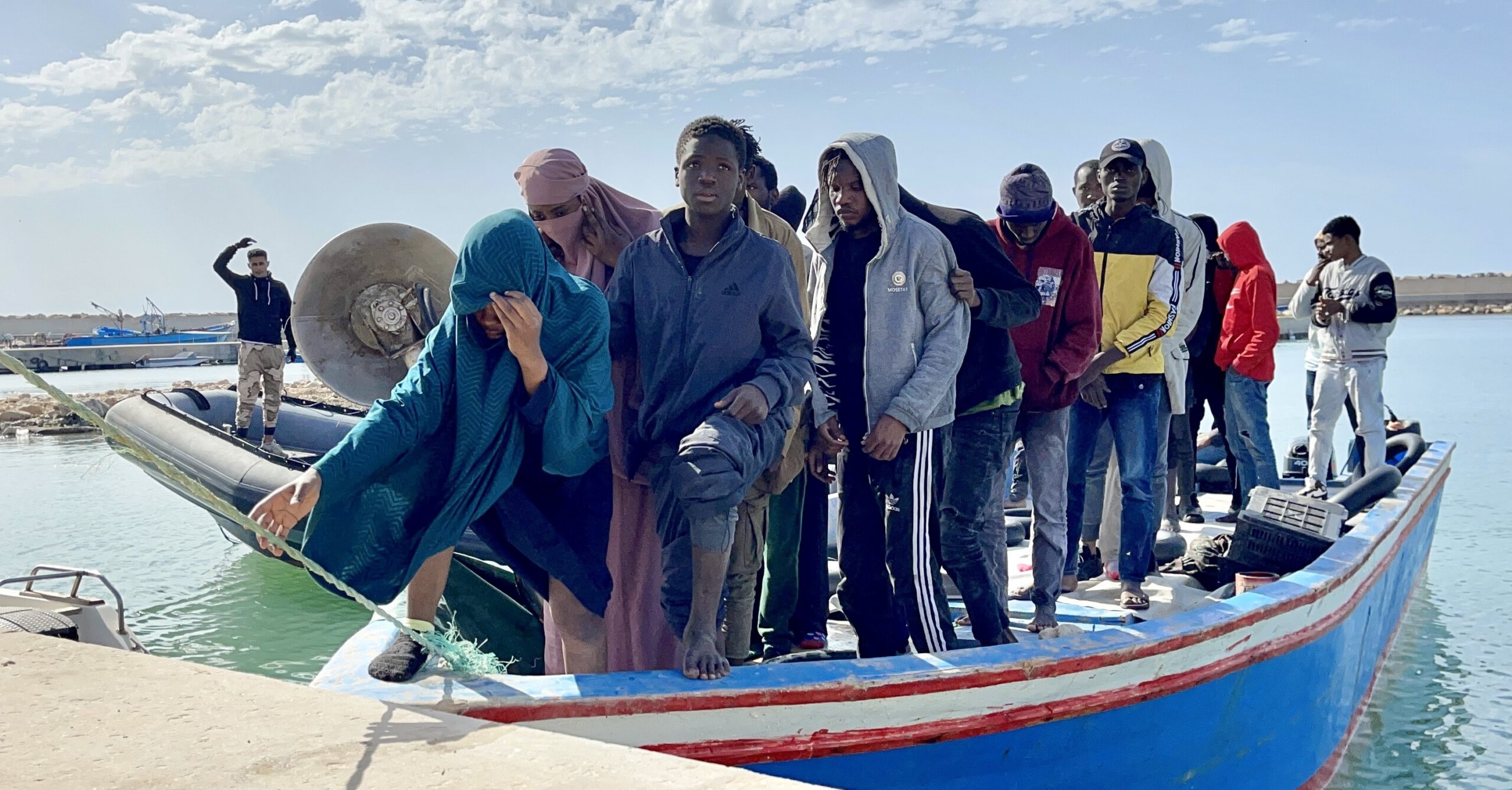
Over the coming decades, the worsening effects of climate change will increasingly displace many millions of vulnerable people in the Middle East and North Africa, and many of these refugees will attempt to relocate to the Global North. To avert such a monumental looming problem requires pragmatic solutions and their swift implementation.
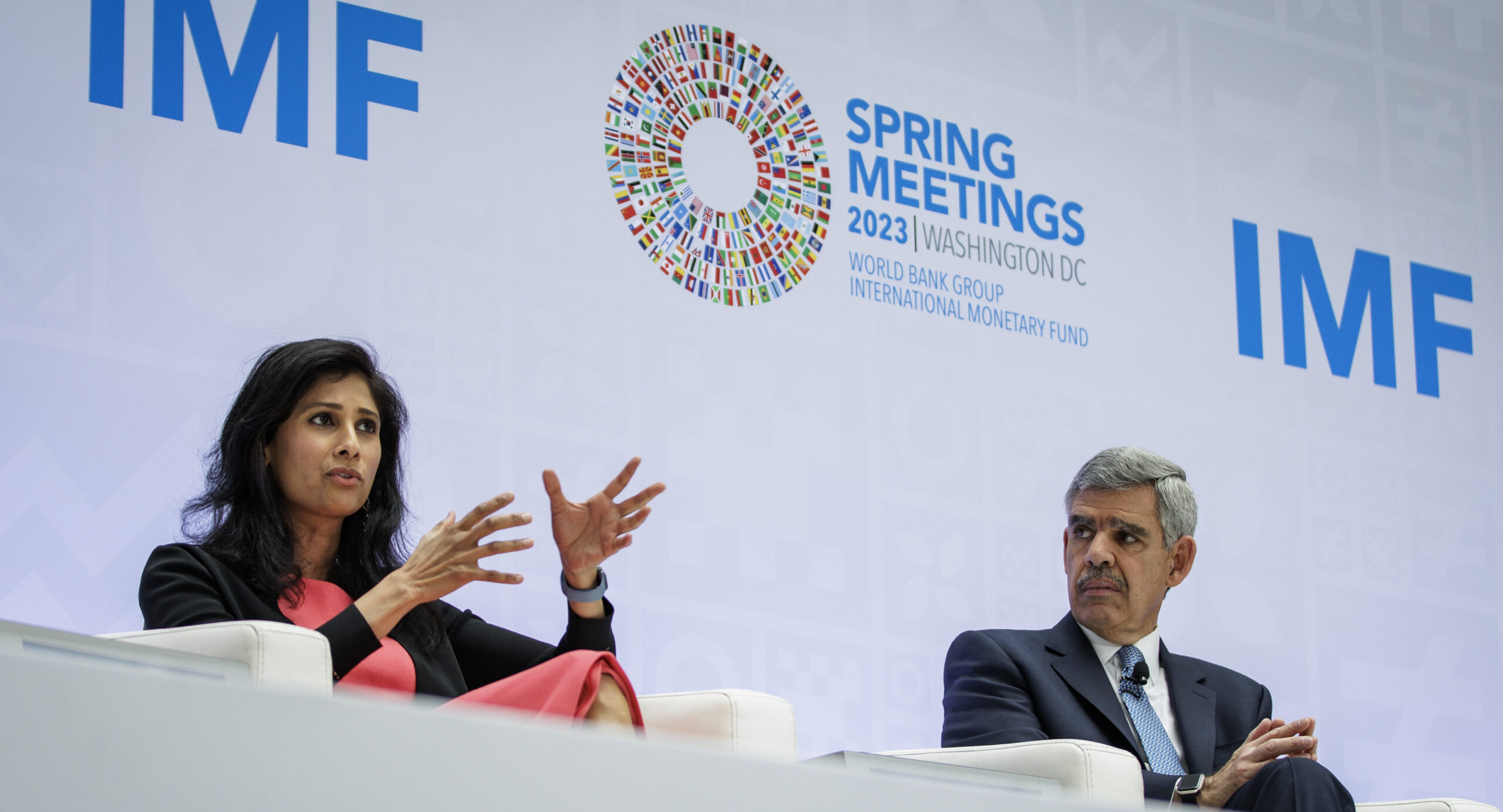
The road to Marrakech: US-China tensions loom over IMF/WB spring meetings
Last week’s spring meetings of the IMF and World Bank in Washington, D.C., were an important occasion for financial and economic leaders from the MENA region to meet with their counterparts from these IFIs and major bilateral donor countries. At the same time, they serve as a lead up to the important Annual Meetings that will be held in Marrakech, Morocco, in the fall — the first time they will be hosted by an Arab or African country.
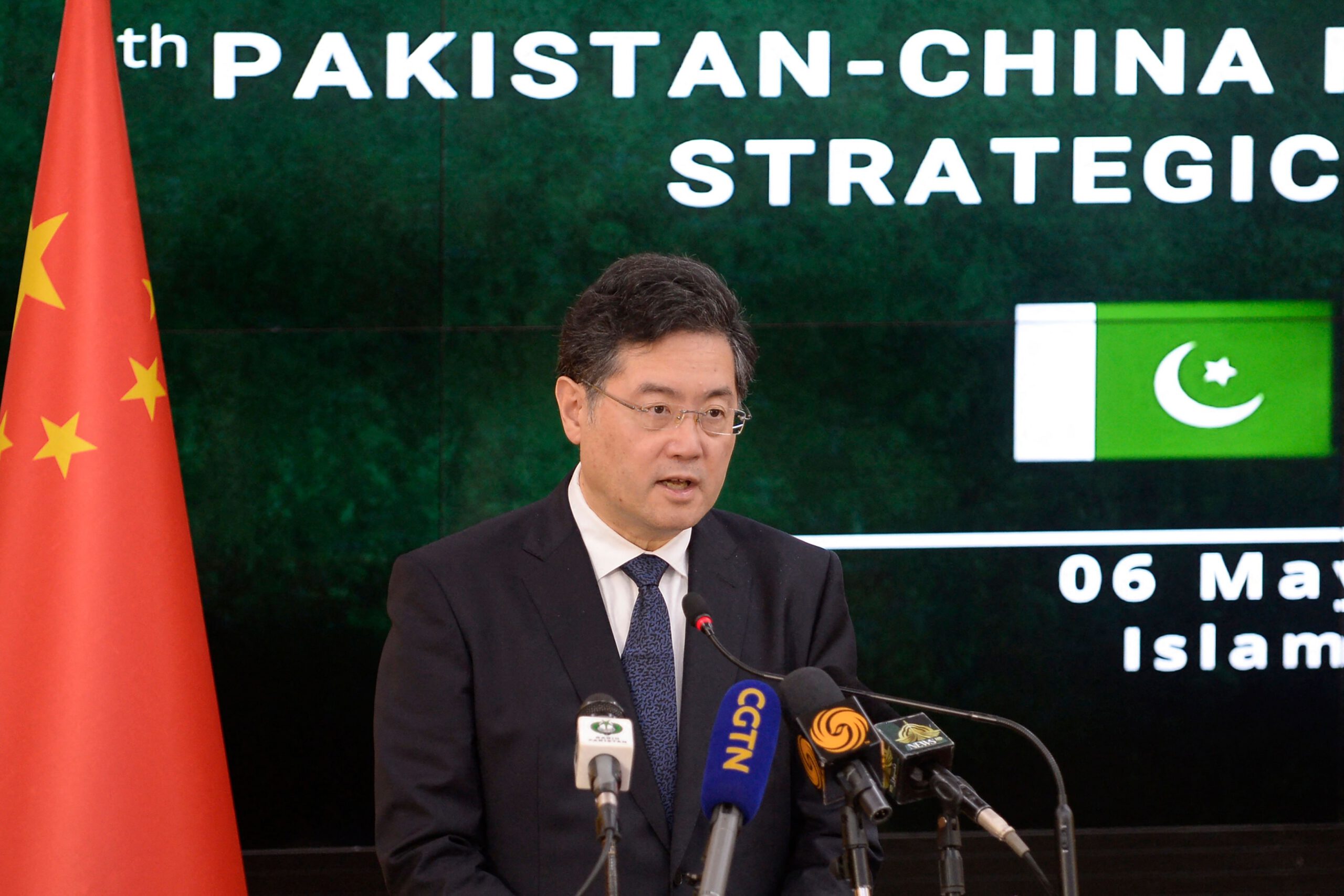
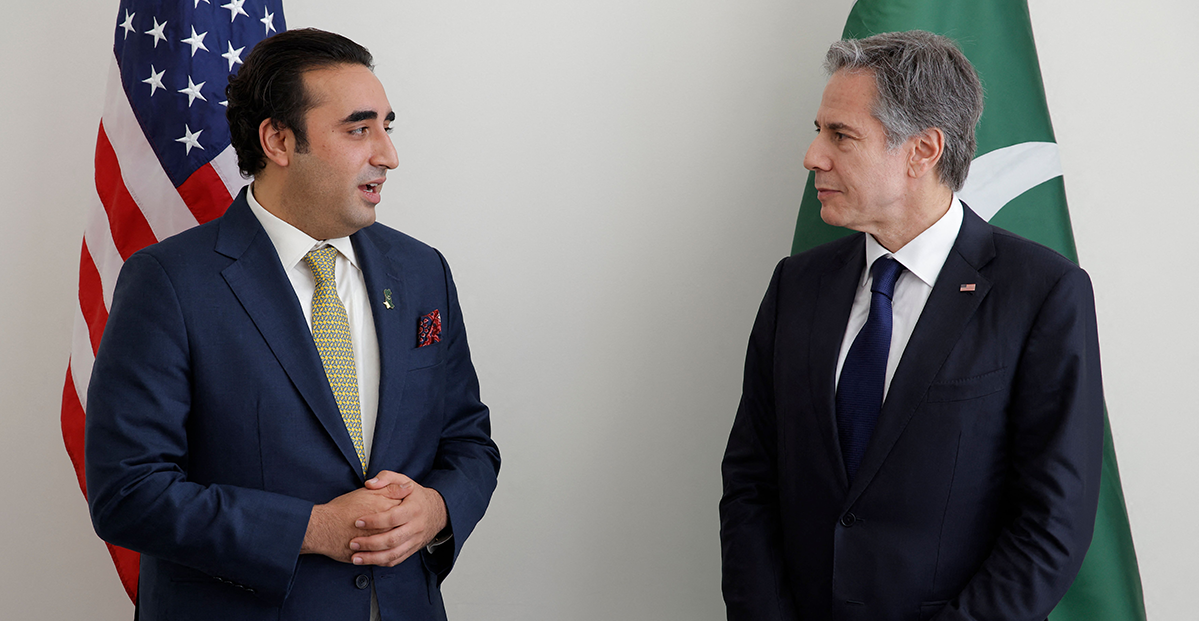
The multipolar moment has arrived in Pakistan’s backyard. Like China and India, Pakistan too is attempting its own geopolitical rebalancing. It seeks to revive ties with the United States and other Western countries. This pivot to the West comes after an earlier one to the East that began more than a decade ago. But, like the previous pivot, Pakistan’s efforts to rekindle ties with the West are unlikely to succeed unless it embraces the imperatives of economic reform and political stability.
The oldest peer-reviewed publication dedicated to the study of the modern Middle East, MEI’s flagship journal covers politics, society, and culture in the region.