I was a teenage Afghan refugee in Pakistan’s tribal areas when the Twin Towers fell. Almost nobody around us understood the politics of what had happened, but we knew that something had changed for good. Afghanistan, which until then had been our private tragedy and our first exile from Taliban rule, had suddenly become the world’s concern, with the United States leading the response.
United States Central Command (CENTCOM), one of the US Department of Defense’s (DoD) six geographical combatant commands, is responsible for countering threats, responding to crises, and strengthening regional stability in the Middle East, Central Asia, and parts of South Asia.
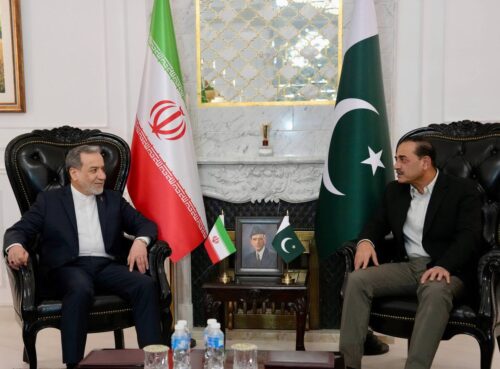
A Strategic Conundrum: Pakistan’s Transit Corridor to Iran as Lifeline or Liability
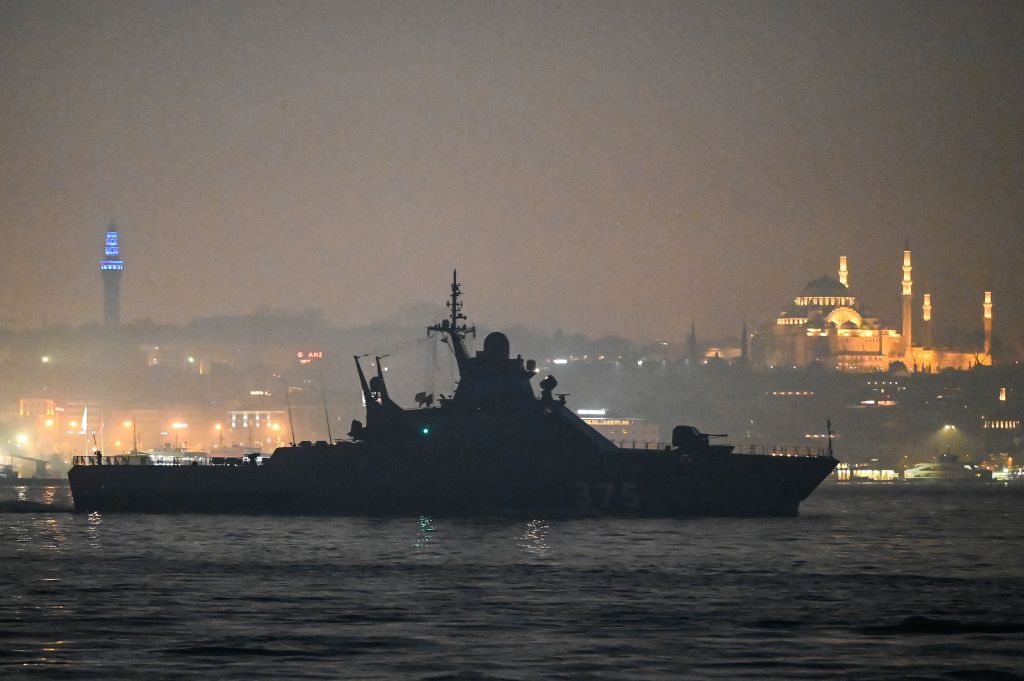
The US-Iran standoff over the Strait of Hormuz — disruptive to global trade and energy flows, and devastating for debt-burdened economies — has handed Pakistan an unexpected geoeconomic opportunity, one that may persist even if the framework agreement announced on June 14 results in a lasting peace and permanent reopening of the strait. But seizing it will have interlocking consequences for Islamabad’s ties with Tehran, Washington, and the Gulf states.
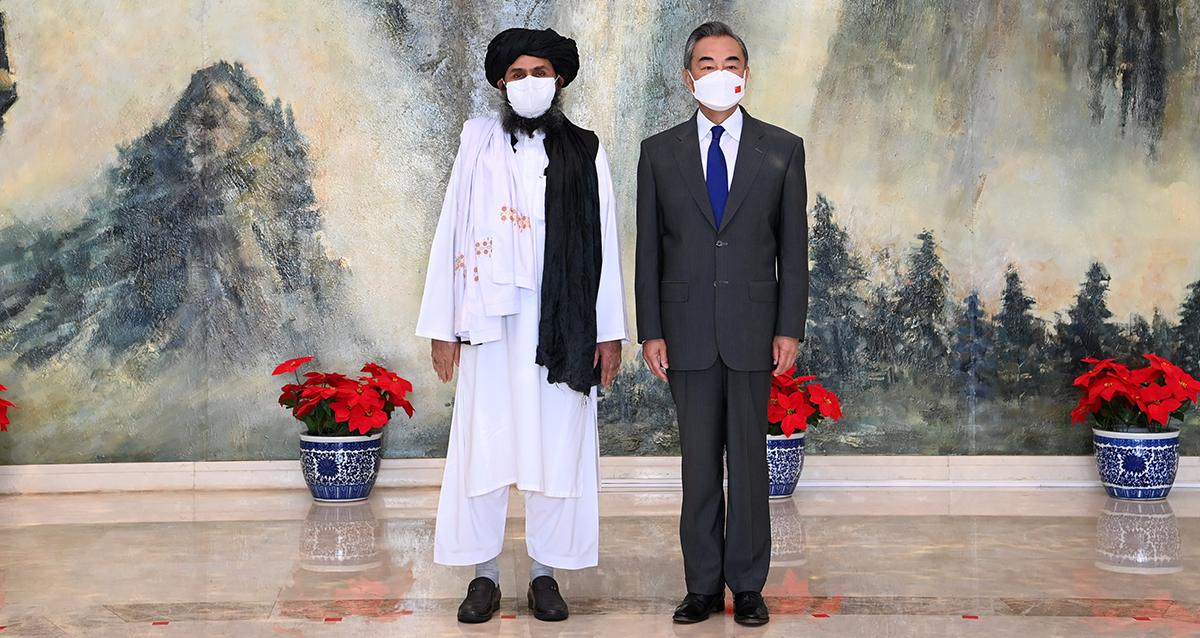
China draws closer to the Taliban as regional foreign ministers prepare to meet in Beijing
Despite the loss of crucial foreign aid, a deepening food crisis, and a sinking economy, little attention has been given to the effects of Afghanistan’s current political instability on the Taliban’s international relations. The international community has certainly taken an interest in Afghanistan, urging the Taliban to implement reforms, such as political representation for all Afghan ethnicities and respect for women’s rights, particularly when it comes to education and work. For its part, however, China has not let such concerns get in the way of establishing strong ties with the Afghan Taliban.
As global attention shifts further away from Afghanistan to Ukraine and elsewhere, time is running out to change course before the country’s freefall under the Taliban becomes irreversible. The international community needs a two-pronged, interlinked approach to normalize the economy and stabilize the political scene.
Connecting Beijing’s global infrastructure: The PEACE Cable in the Middle East and North Africa
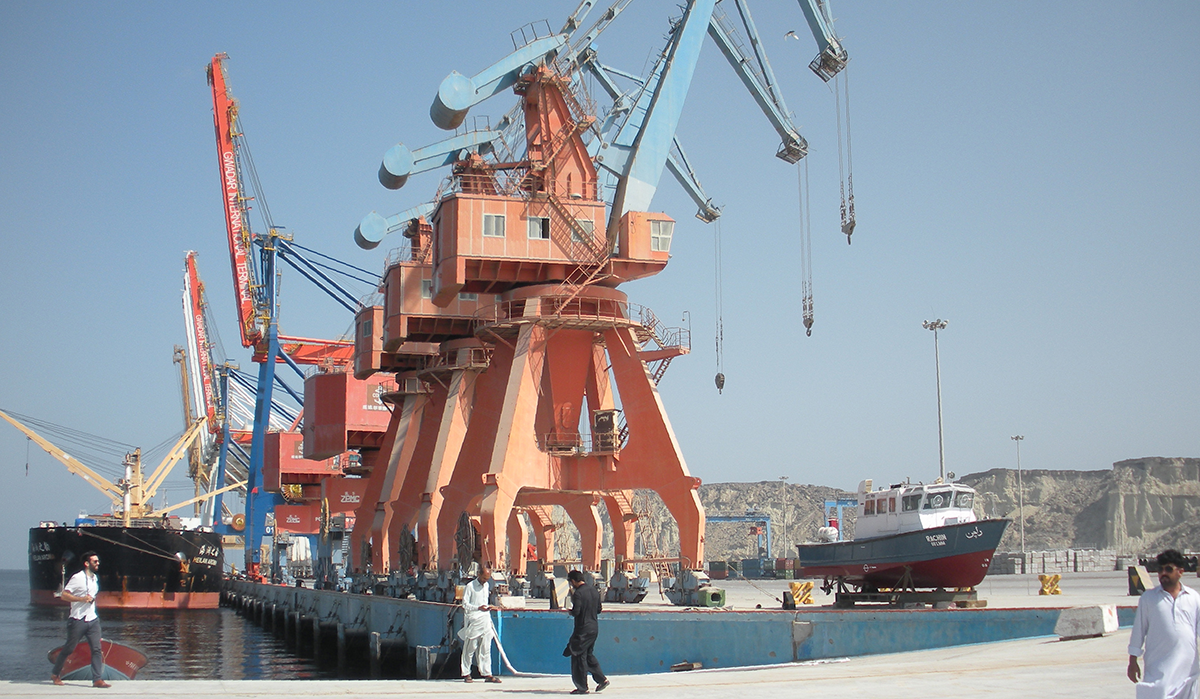
One of the most ambitious elements of China’s Digital Silk Road is the Pakistan & East Africa Connecting Europe (PEACE) fiber-optic cable. China has long expressed its ambition to connect the greater Middle East, Africa, and Europe with Chinese fiber optics in order to expand its presence in the region, and Beijing now boasts strategic infrastructure assets in geopolitical hotspots, such as the Pakistani port of Gwadar.
Marvin Weinbaum and Sayed Madadi discuss Afghanistan’s worsening economic and humanitarian crises six months after the Taliban reclaimed control of the country.
The Pakistani Taliban’s radical rebranding: Is there more than meets the eye?
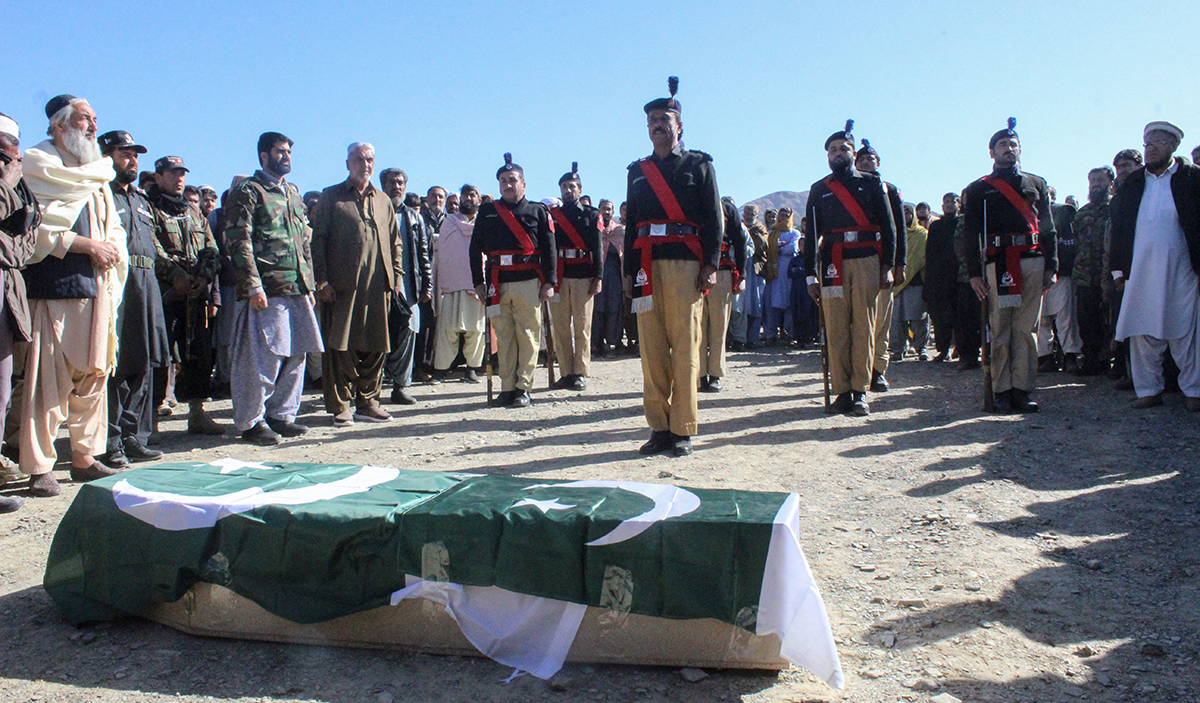
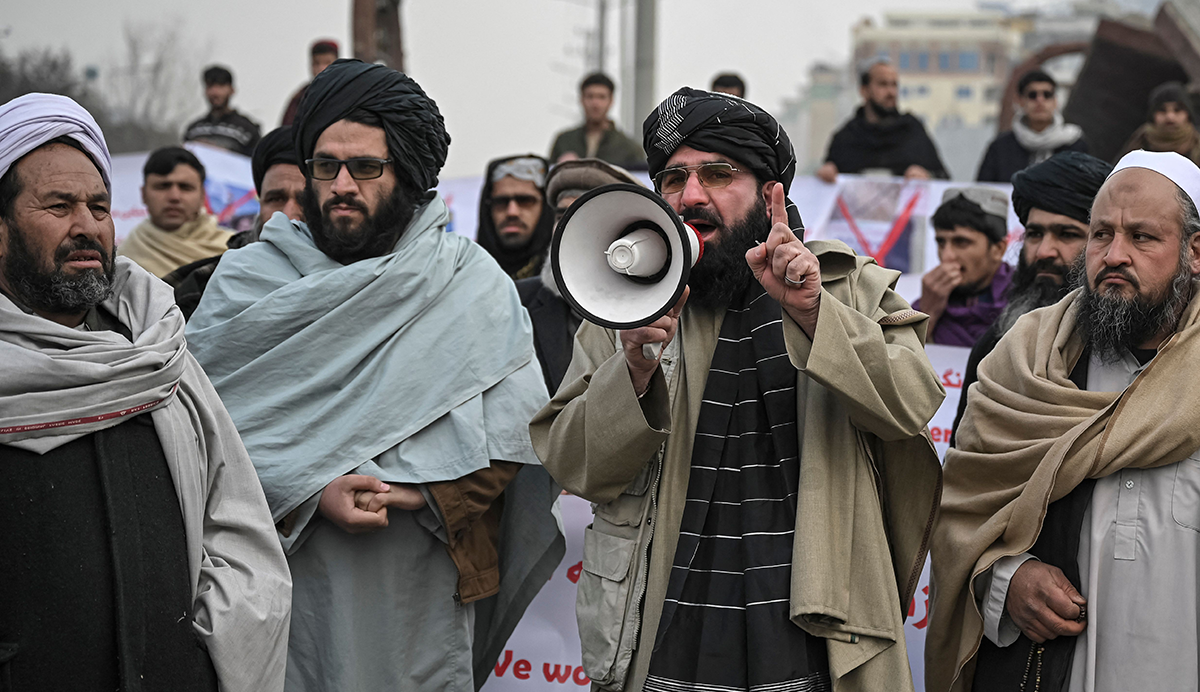
In a statement released on Feb. 12, the Tehreek-e Taliban Pakistan (TTP) distanced itself from international terrorism, declaring that its violence was singularly focused on Pakistan. While the TTP’s recent comments on America are unprecedented, they do fit into its broader rebranding effort under the leadership of Noor Wali Mehsud, who took over the group in 2018.
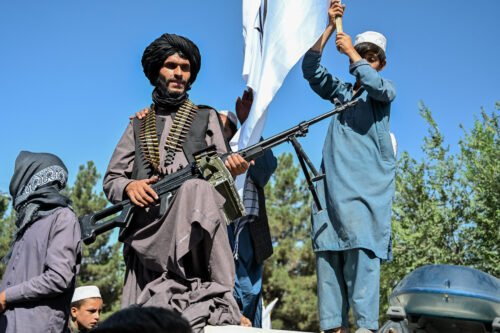
For years, the world tried to soften the Taliban’s extremist ideology by exposing them to modernity. As an insurgency they learned diplomacy and negotiation tactics, but their medieval thinking remained just as rigid. Now that the Taliban rule over Afghanistan, the international community continues to appease them, assuming it can convince them to form an inclusive government and ease their regressive policies while alleviating the country’s worsening humanitarian disaster. That is a naïve assumption that overlooks the root causes of the current crisis. Not only will the international community not get what it wants, but it also risks creating a much greater crisis: a Taliban theocracy that institutionalizes its repressive rule at a steep human and economic cost.
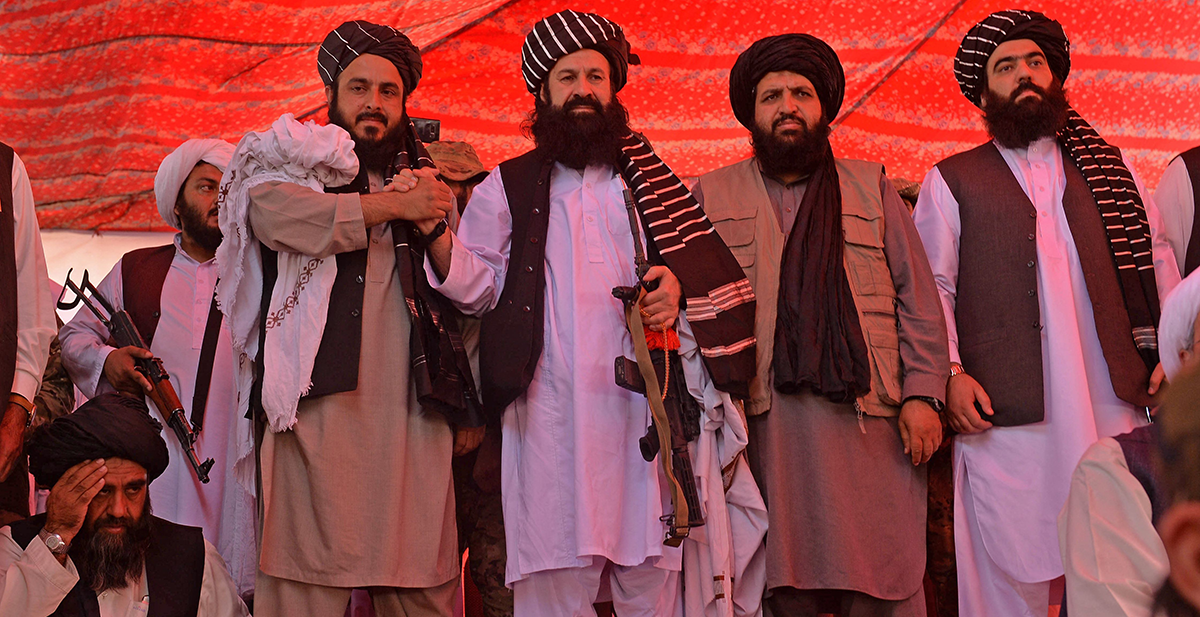
After a grueling 20-year campaign, America concluded its war in Afghanistan where it started: with the Taliban in charge. But this isn’t your father’s Taliban. In recognition of their need for a firmer ideological base and their desire to establish a purely Islamic system, the Taliban rulers are gradually putting together the framework for their new ideological state. They are enacting three closely intertwined ideological initiatives in order to solidify their rule: fleshing out a state religious ideology, burnishing their “originalist” religious credentials, and channeling Afghan nationalism into religious nationalism. These ongoing efforts, which revolve around the Taliban’s Islamism, provide a preview of how the new rulers intend to interact with temporal political realities by provoking religious reform in order to rule Afghanistan.
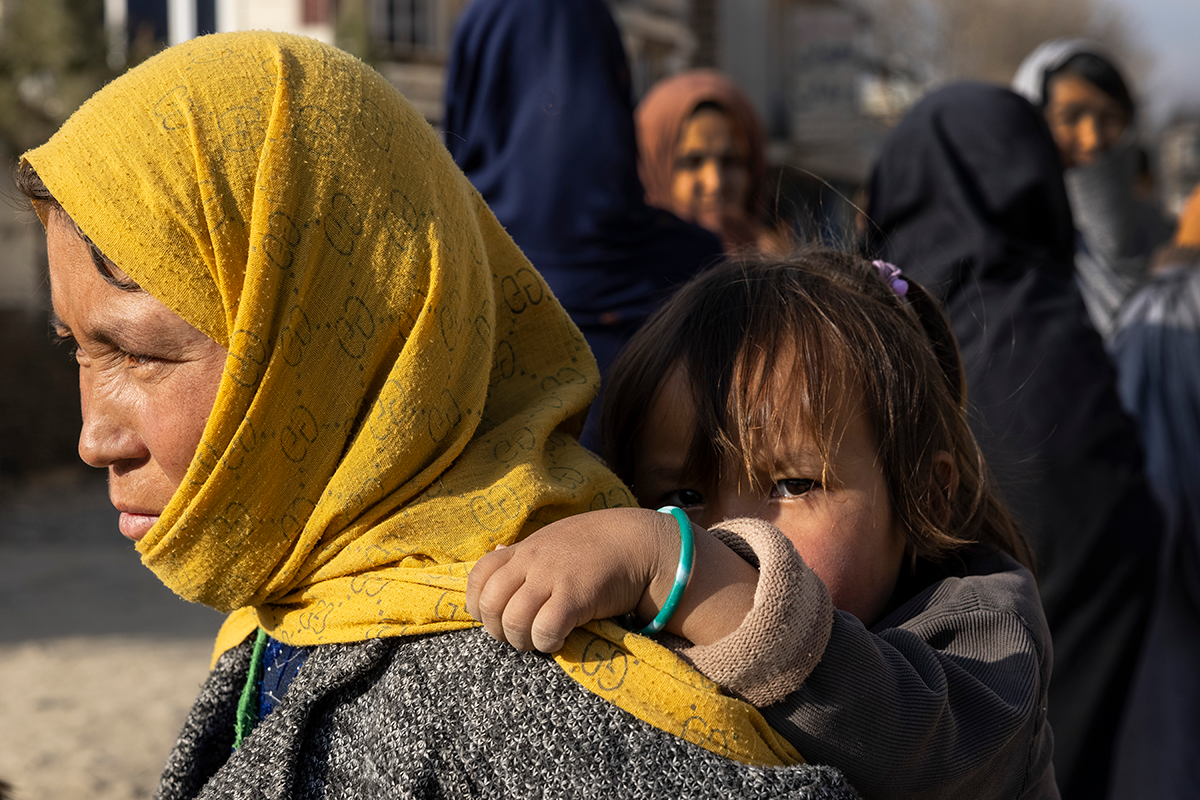
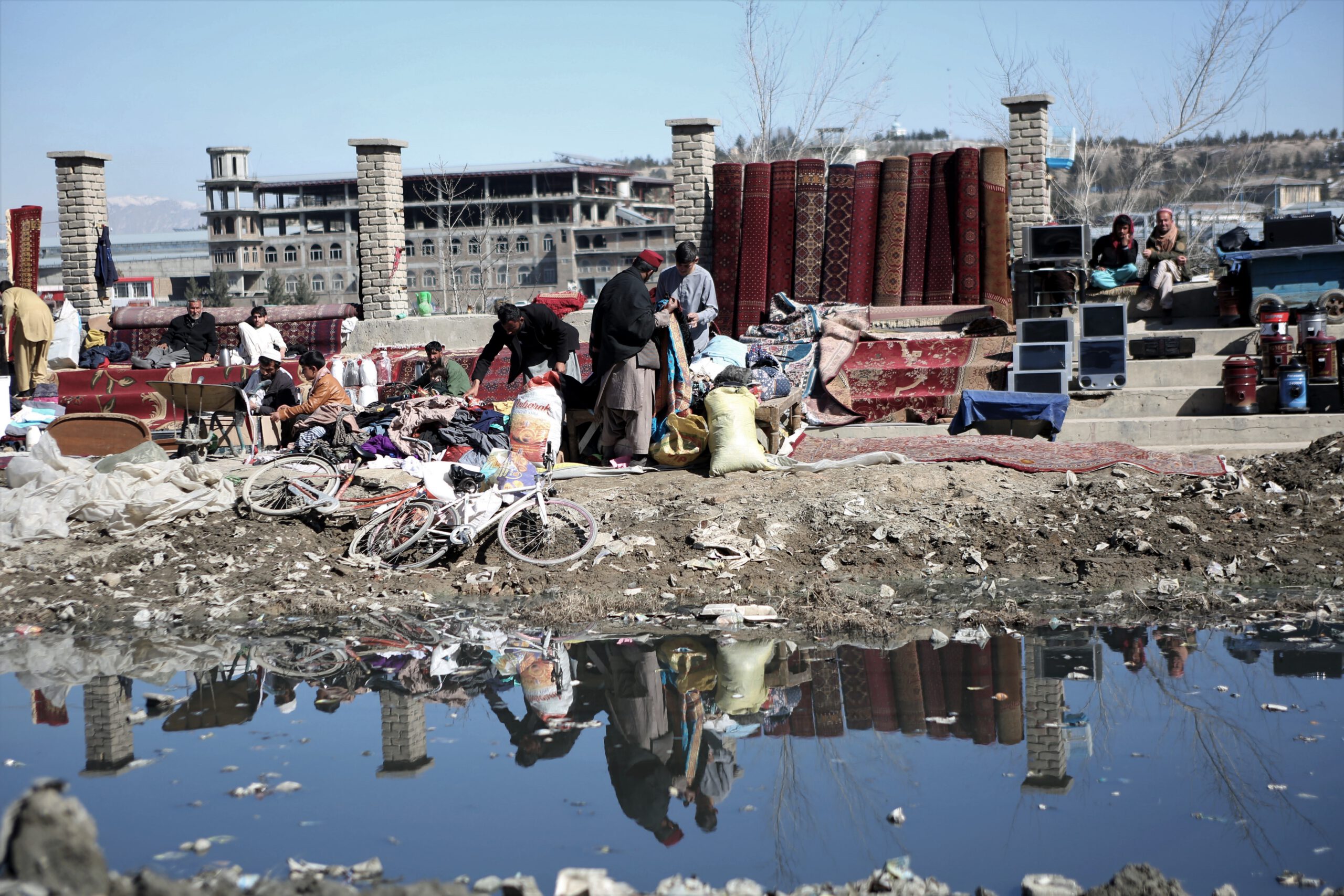
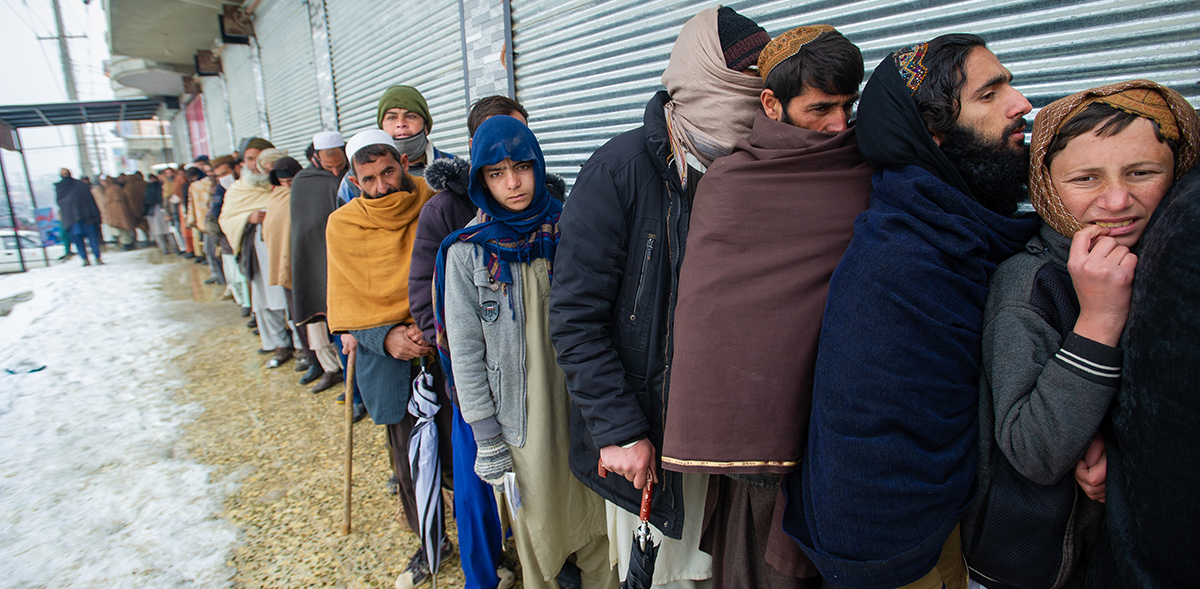
On Jan. 13, U.N. Secretary-General Antonio Guterres expressed alarm that millions of Afghans are on the “verge of death” thanks to a lethal brew of “freezing temperatures and frozen assets.” This was no idle warning. Notwithstanding the decline in fighting following the Taliban’s victory in August 2021, Afghanistan’s economy is in a deepening spiral of impoverishment and destitution.
The oldest peer-reviewed publication dedicated to the study of the modern Middle East, MEI’s flagship journal covers politics, society, and culture in the region.