The Pakistani General Running Washington’s Backchannel to Tehran
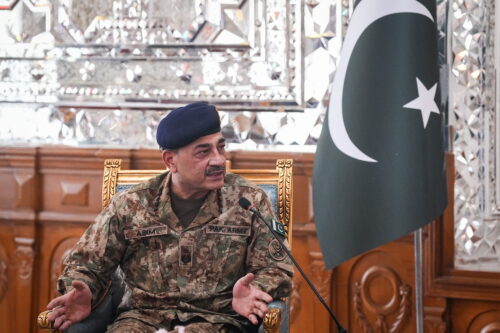
As Washington and Tehran edge closer to escalation, the most critical line of communication keeping the crisis from spiraling is being run not by polished diplomats, but by an unlikely figure: a Pakistani general. Field Marshal Asim Munir, Pakistan’s powerful army chief, has quietly become the key intermediary in the U.S.-Iran standoff, managing what may be the most important backchannel between the two sides. The mediation has thrust Pakistan to the center of the crisis while exposing it to enormous risk.
Bonus Episode: Stalled Talks and Next Steps for the US and Iran
This bonus episode of Middle East Focus features a recent MEI Virtual Briefing. Director of Communications Zeina Al-Shaib is joined by MEI Distinguished Diplomatic Fellows Alan Eyre and Daniel Benaim to discuss the historic talks held in Pakistan last weekend between the United States and Iran. Tehran insists the US failed to gain its trust, while the US made its red lines clear and declared it would blockade Iranian ports in the Persian Gulf. What happens next? Eyre and Benaim offer insights into what goes on behind the scenes at such negotiations; identify the core issues at play; explore potential incentives to end the war; analyze the weaponization of energy; as well as assess the role of other regional players in this conflict.
The Pakistan-Afghanistan conflict: A strategic concern for the US
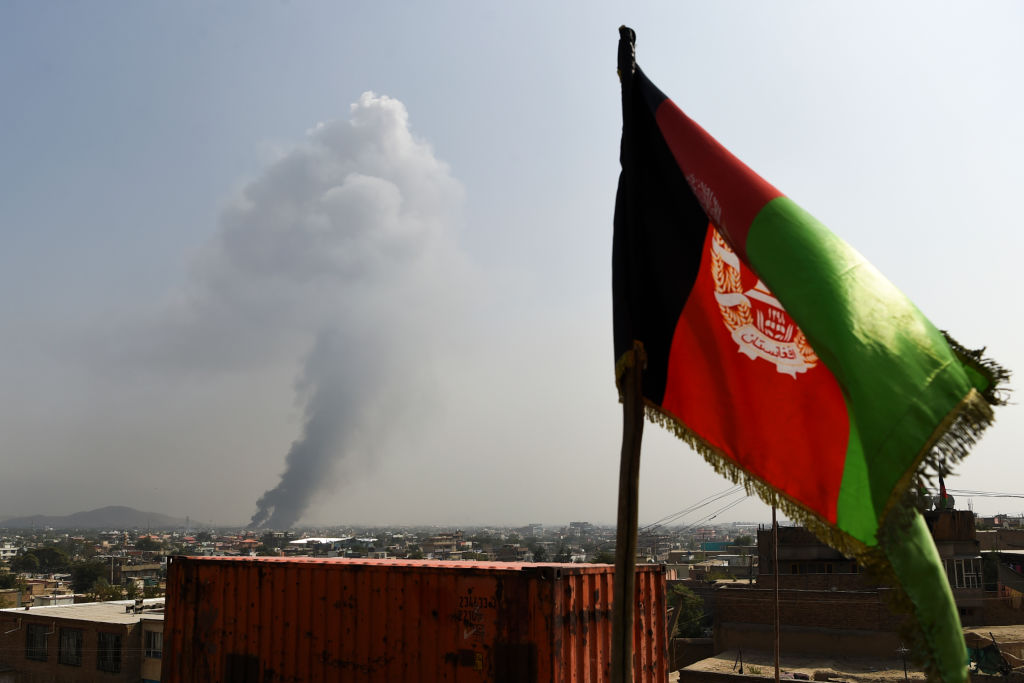
Pakistan’s relationship with the Afghan Taliban has shifted from open sponsorship in the 1990s to a silent partnership following 2001 to alienation and belligerence since 2021. Their current conflict, which comes at great cost to both countries and seems to have no easy military or political resolution, also poses a threat to the stability and prosperity of neighboring states. Although American strategic interests in the region greatly diminished following the United States’ military withdrawal from Afghanistan in August 2021, the region’s altered political dynamics have prompted a growing American engagement with Pakistan and tentatively with Afghanistan. At the same time, the US has become a factor in how both Islamabad and Kabul have come to form their national security strategies.
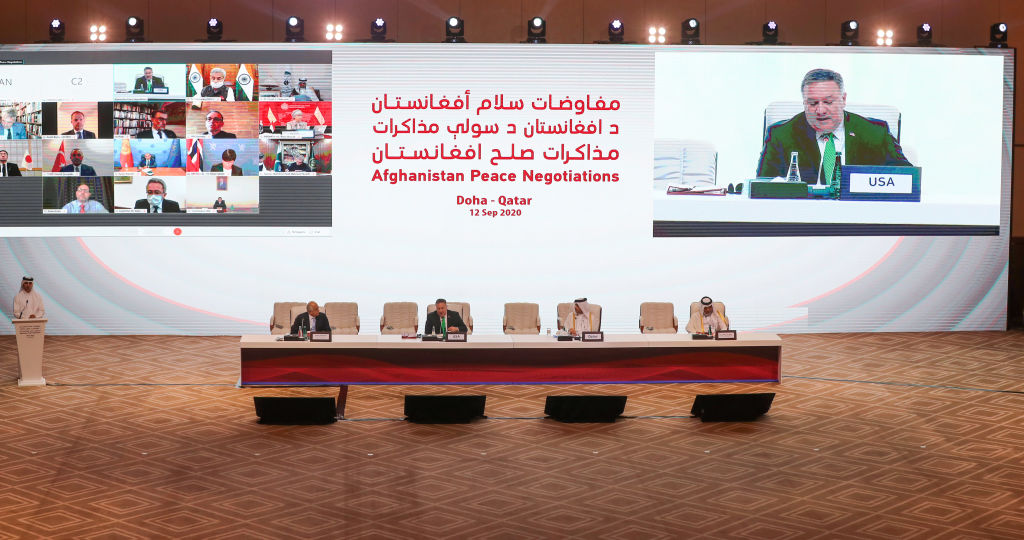
Omar Samad and Marvin Weinbaum join host Alistair Taylor to discuss what to expect from the intra-Afghan talks underway in Doha, the ongoing violence on the ground in Afghanistan, and the challenges facing Afghan security forces as the US continues its troop drawdown.
On Sept. 13, Bahrain recognized Israel at a ceremony attended by US President Donald Trump at the White House. With the stroke of a pen, Bahrain became the fourth Arab state to have forged official ties with Israel, following in the footsteps of Egypt (1979), Jordan (1994), and most recently, the UAE (Aug. 13, 2020).
In the recently released Showtime documentary “Kingdom of Silence” by Alex Gibney and Lawrence Wright, I made the statement that with hindsight the U.S. may have been better off never having occupied Afghanistan. That comment has brought some questions and responses, so let me be clear about what I mean and why.
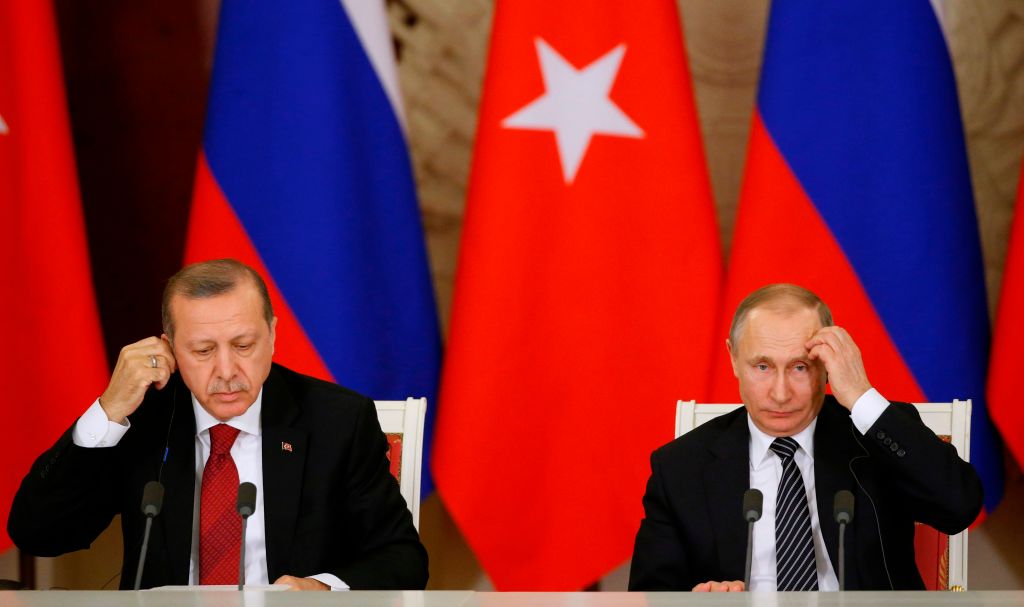
Monday Briefing: Will Russia and Turkey face off over Nagorno-Karabakh?
This week’s briefing on recent news and upcoming events in the region featuring Maxim A. Suchkov, Ibrahim Jalal, Eliza Campbell, Alex Vatanka, and Marvin G. Weinbaum.
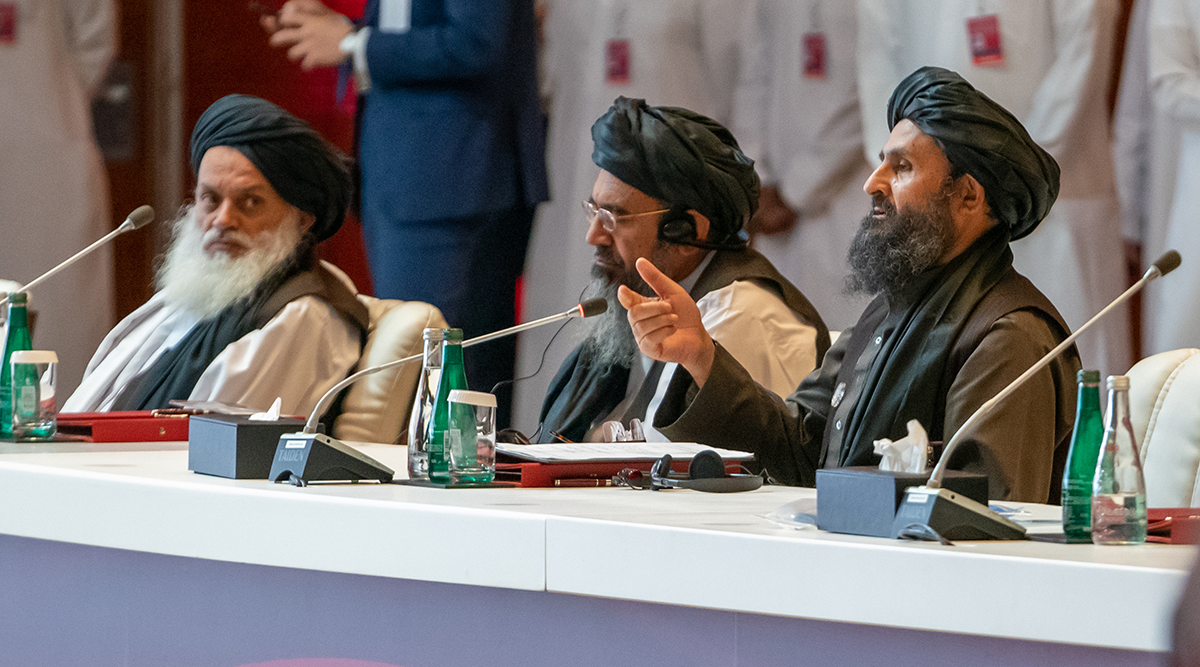
The Taliban holds the upper hand in intra-Afghan talks
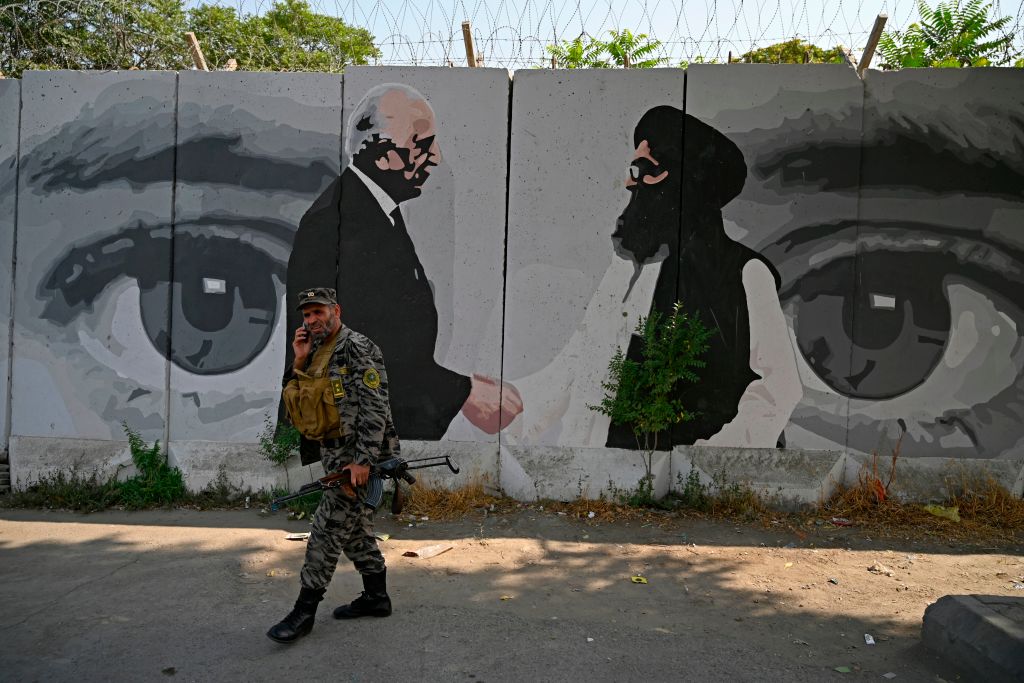
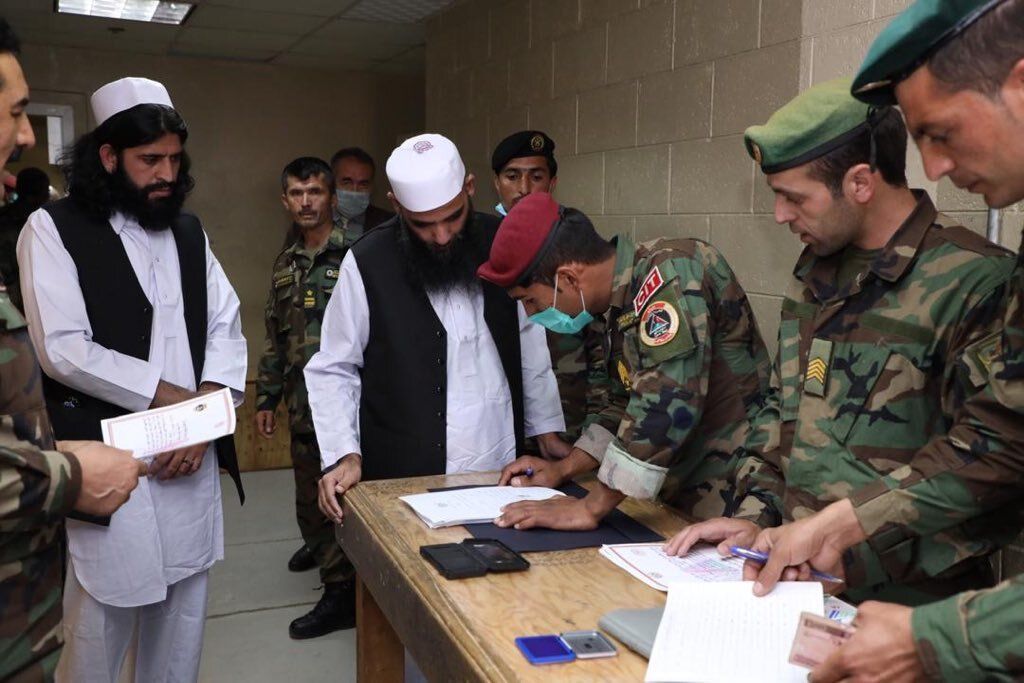
The ongoing intra-Afghan talks confirm, without a doubt, that the Taliban is negotiating from a position of remarkable strength. After being overthrown by the military of the world’s sole superpower two decades ago, the Taliban’s resurgence is a perfect example of what happens when a counterinsurgency campaign fails to eliminate its target’s safe havens. The Doha negotiations have also underlined the ugly reality of the Afghan conflict — that firepower alone cannot crush an insurgency when its narrative has some resonance with the local people.
Monday Briefing: In Afghanistan a major player plans to jump ship
This week’s briefing on recent news and upcoming events in the region featuring Marvin G. Weinbaum, Charles Lister, Hafsa Halawa, Bilal Y. Saab, Anthony Elghossain, and Michael Sexton.
Monday Briefing: Intra-Afghan talks begin with pomp and circumstance
This week’s briefing on recent news and upcoming events in the region featuring Marvin G. Weinbaum, Grace Wermenbol, Jason Pack, Shahla Al-Kli, and Khaldoun Khelil.
An enduring divide: Afghanistan, Pakistan, and the Durand Line
The Durand Line, as the British-Empire-drawn border that separates Afghanistan and Pakistan is known, continues to haunt the region and its leaders. On Sept. 7, Afghanistan’s first vice president, Amrullah Saleh, opened Pandora’s box by saying in an interview that “No Afghan politician of national stature can overlook the issue of Durand Line.”
Election 2020: Challenges and Opportunities for US Policy in the Middle East
In a new briefing book released ahead of the U.S. elections in November, entitled Election 2020: Challenges and Opportunities for US Policy in the Middle East, MEI scholars lay out key issues across the region, highlight the U.S. interests at stake, and provide policy insights and recommendations for the path forward.
The hurdles encountered in kick-starting the intra-Afghan talks seem to be more daunting than anticipated. This has not only delayed a process that was scheduled to begin immediately after the Doha agreement in February, but has also underlined the bumpy road that lies ahead for various stakeholders to reach a consensus on Afghanistan’s national destiny.
This week’s briefing on recent news and upcoming events in the region featuring Charles Lister, Randa Slim, Jonathan M. Winer, Alex Vatanka, Marvin G. Weinbaum, Robert S. Ford, Mirette F. Mabrouk, and Syed Mohammad Ali.
Looking to repair ties, Pakistan’s Gen. Bajwa heads to Saudi Arabia
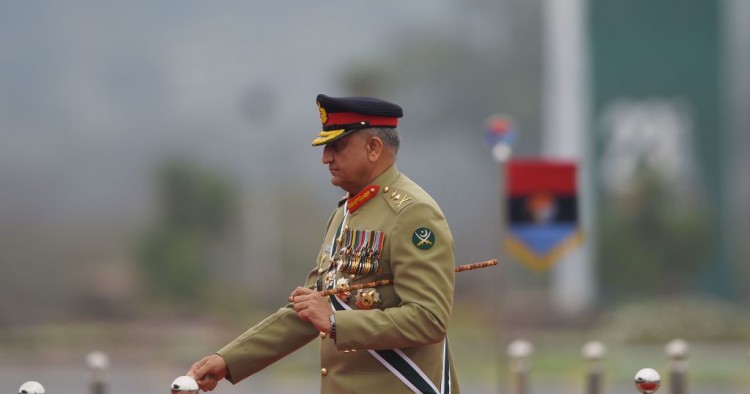
All is not well in Pakistan-Saudi relations, which seem to have gone into a tailspin. In order to repair the fractured ties with one of the country’s strongest allies, Pakistan’s army has swung into action and its chief, Gen. Qamar Javed Bajwa, will travel to Saudi Arabia for talks this weekend.
What does China’s growing engagement in Afghanistan mean for the US?
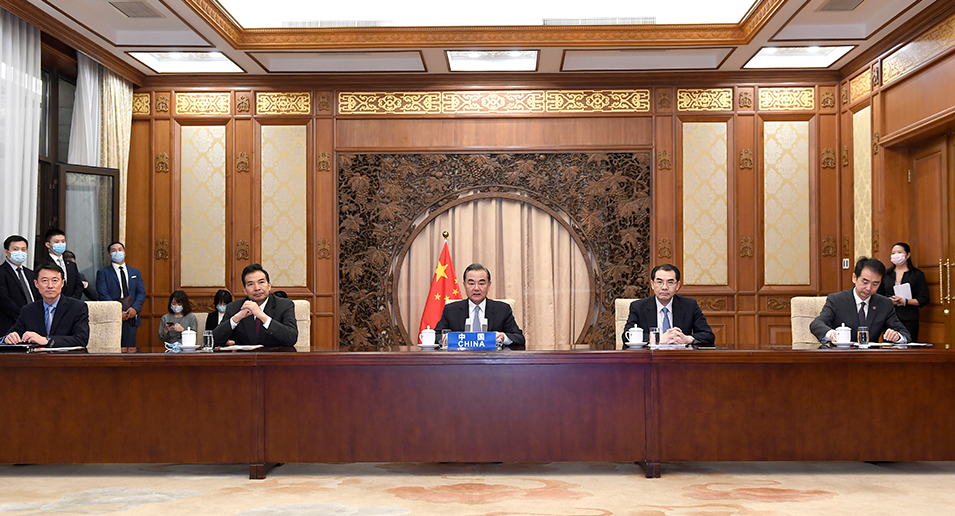
On July 27, Chinese Foreign Minister Wang Yi held a video conference with his counterparts from Afghanistan, Pakistan, and Nepal to suggest expanding their pandemic cooperation and proposed extending the China-Pakistan Economic Corridor into Afghanistan. Although the details about what this quadrilateral framework would entail and how it would work are unclear, any movement toward its institutionalization would be a serious challenge for the United States.
Monday Briefing | Lebanon: The twilight of an impotent government
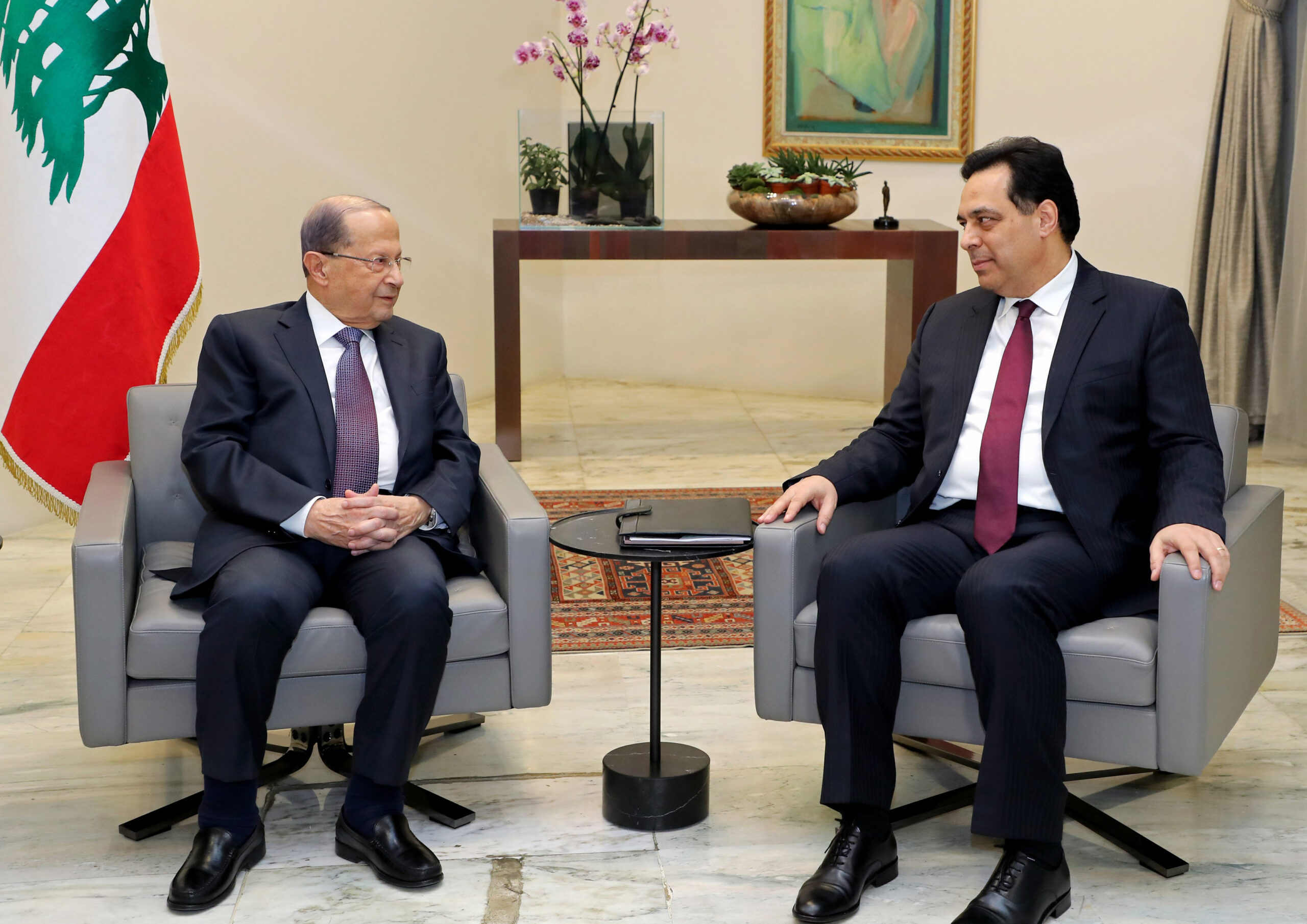
This week’s briefing on recent news and upcoming events in the region featuring Paul Salem, Hafsa Halawa, Marvin G. Weinbaum, Anne-Linda Amira Augustin, and Gerald Feierstein.
The oldest peer-reviewed publication dedicated to the study of the modern Middle East, MEI’s flagship journal covers politics, society, and culture in the region.