The Pakistani General Running Washington’s Backchannel to Tehran
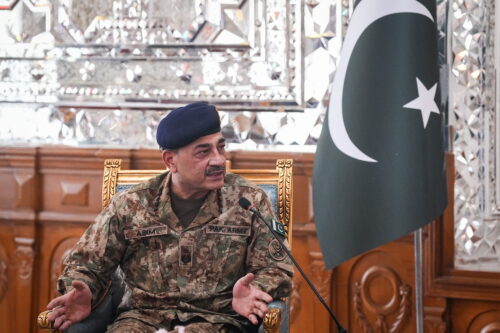
As Washington and Tehran edge closer to escalation, the most critical line of communication keeping the crisis from spiraling is being run not by polished diplomats, but by an unlikely figure: a Pakistani general. Field Marshal Asim Munir, Pakistan’s powerful army chief, has quietly become the key intermediary in the U.S.-Iran standoff, managing what may be the most important backchannel between the two sides. The mediation has thrust Pakistan to the center of the crisis while exposing it to enormous risk.
Bonus Episode: Stalled Talks and Next Steps for the US and Iran
This bonus episode of Middle East Focus features a recent MEI Virtual Briefing. Director of Communications Zeina Al-Shaib is joined by MEI Distinguished Diplomatic Fellows Alan Eyre and Daniel Benaim to discuss the historic talks held in Pakistan last weekend between the United States and Iran. Tehran insists the US failed to gain its trust, while the US made its red lines clear and declared it would blockade Iranian ports in the Persian Gulf. What happens next? Eyre and Benaim offer insights into what goes on behind the scenes at such negotiations; identify the core issues at play; explore potential incentives to end the war; analyze the weaponization of energy; as well as assess the role of other regional players in this conflict.
The Pakistan-Afghanistan conflict: A strategic concern for the US
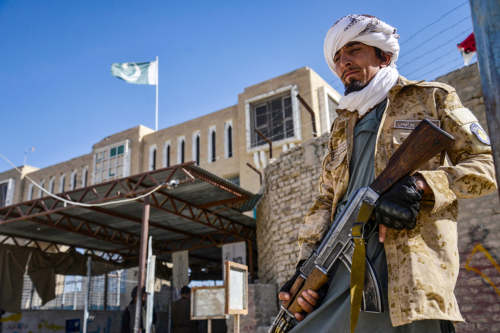
Pakistan’s relationship with the Afghan Taliban has shifted from open sponsorship in the 1990s to a silent partnership following 2001 to alienation and belligerence since 2021. Their current conflict, which comes at great cost to both countries and seems to have no easy military or political resolution, also poses a threat to the stability and prosperity of neighboring states. Although American strategic interests in the region greatly diminished following the United States’ military withdrawal from Afghanistan in August 2021, the region’s altered political dynamics have prompted a growing American engagement with Pakistan and tentatively with Afghanistan. At the same time, the US has become a factor in how both Islamabad and Kabul have come to form their national security strategies.
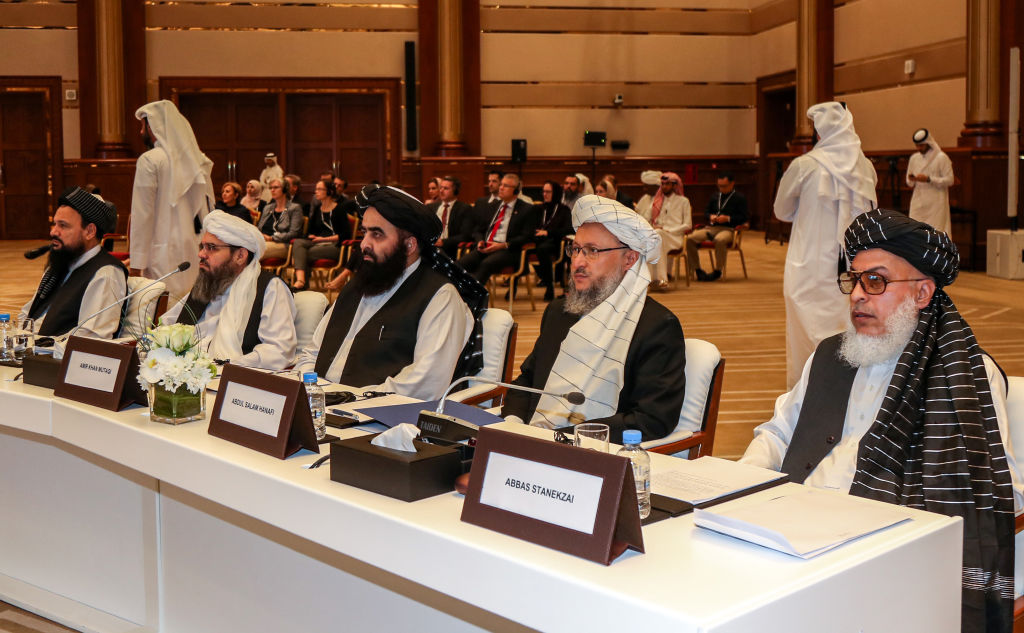
Much has been written about the ongoing direct peace talks between U.S. Special Representative Zalmay Khalilzad and an Afghan Taliban delegation headed by Mullah Sher Mohammad Abbas Stanikzai in Doha, Qatar. This article takes a closer look at the challenges to negotiating with the Afghan Taliban and lays out six reasons why the prospects for peace in Afghanistan still seem bleak.
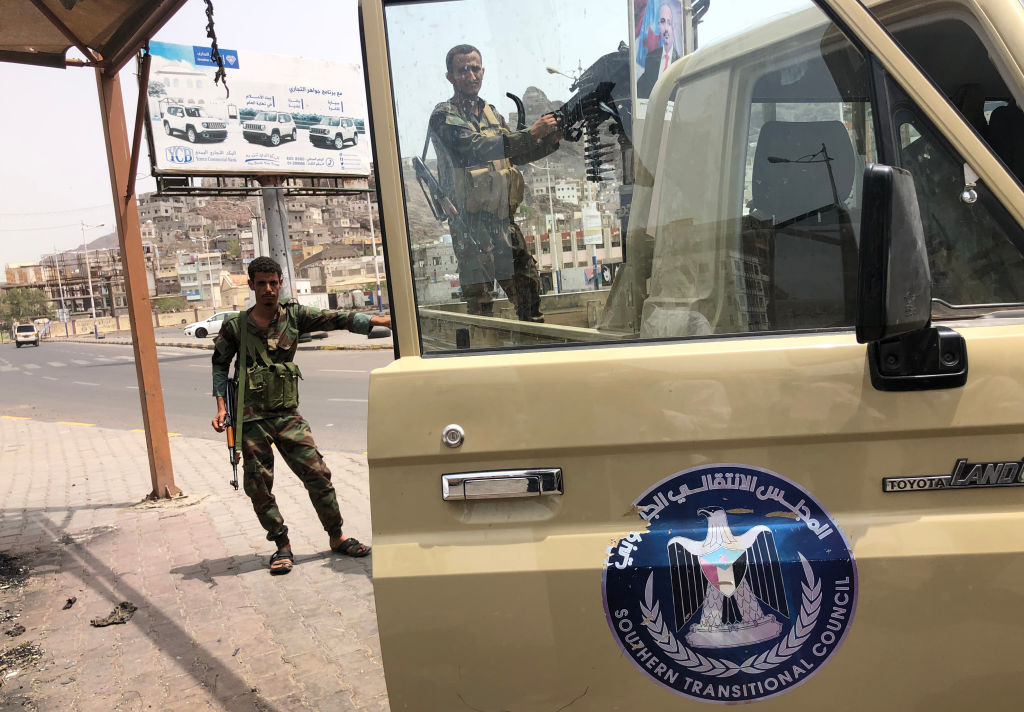
Monday Briefing: Fighting flares up in southern Yemen
This week’s briefing on recent news and upcoming events in the region featuring Fatima Abo Alasrar, Gonul Tol, Marvin G. Weinbaum, Randa Slim, and Michael Sexton and Eliza Campbell.
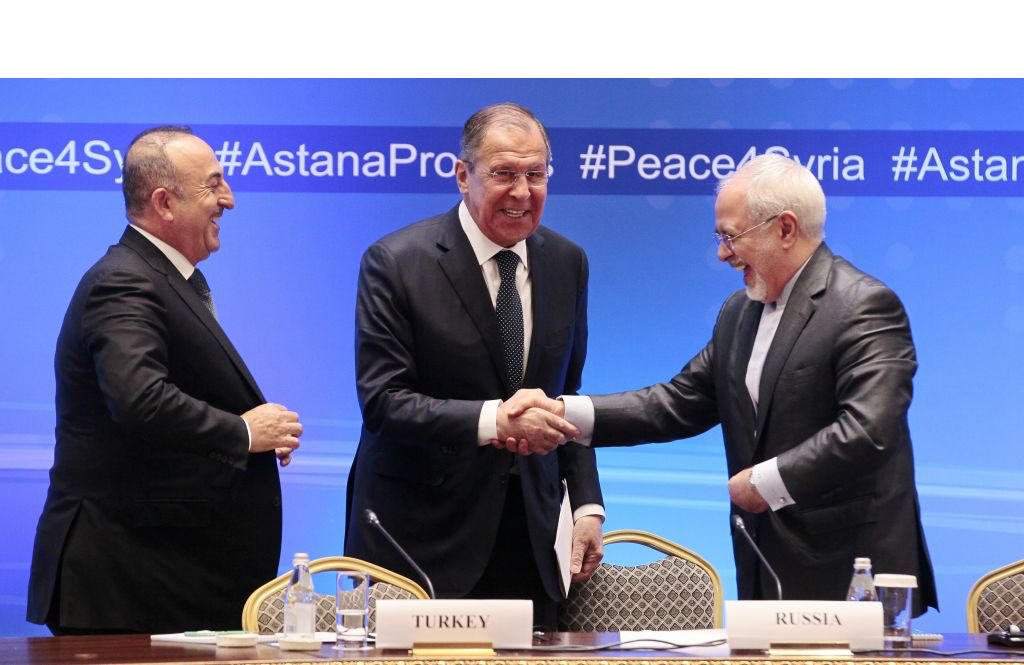
This week’s briefing on recent news and upcoming events in the region including Kazakhstan’s upcoming “Astana talks” on Syria, Jared Kushner’s planned visit to the Middle East, the shift in US-Pakistan relations, and Abbas’ announcement that the Palestinian Authority will halt all signed agreements with Israel, featuring Charles Lister, Gerald Feierstein, Marvin G. Weinbaum, and Khaled Elgindy.
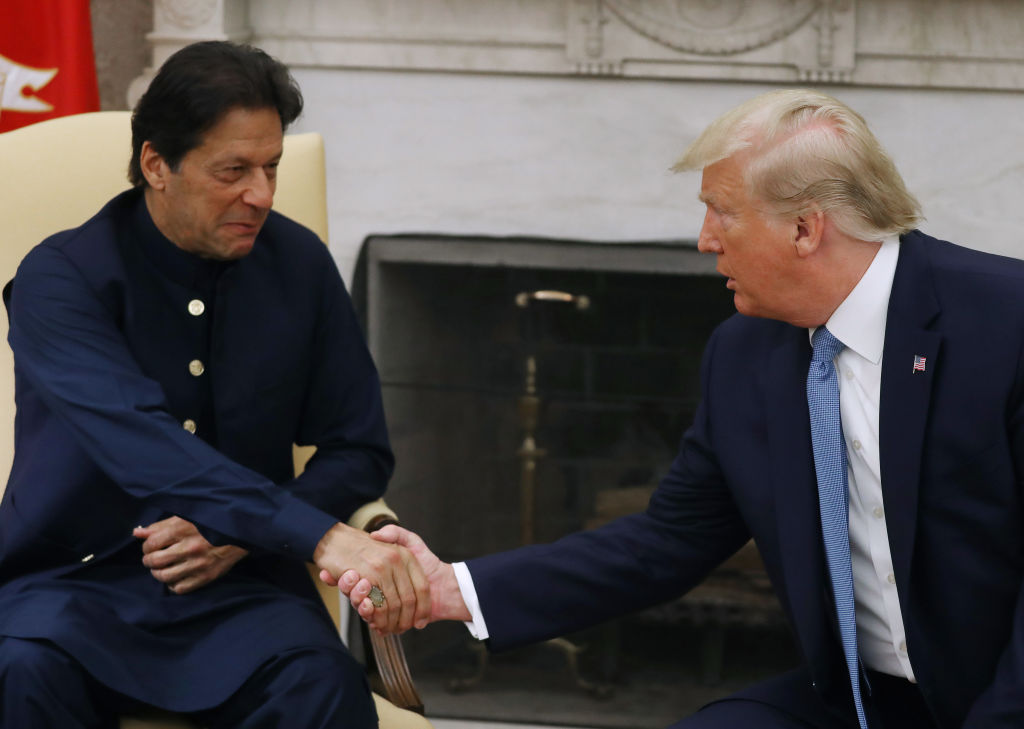
The long-awaited summit between U.S. President Donald Trump and Pakistani Prime Minister Imran Khan raised more questions than it answered. Nevertheless, the message emerging from the meeting has major implications for regional stability and the Afghan peace process.
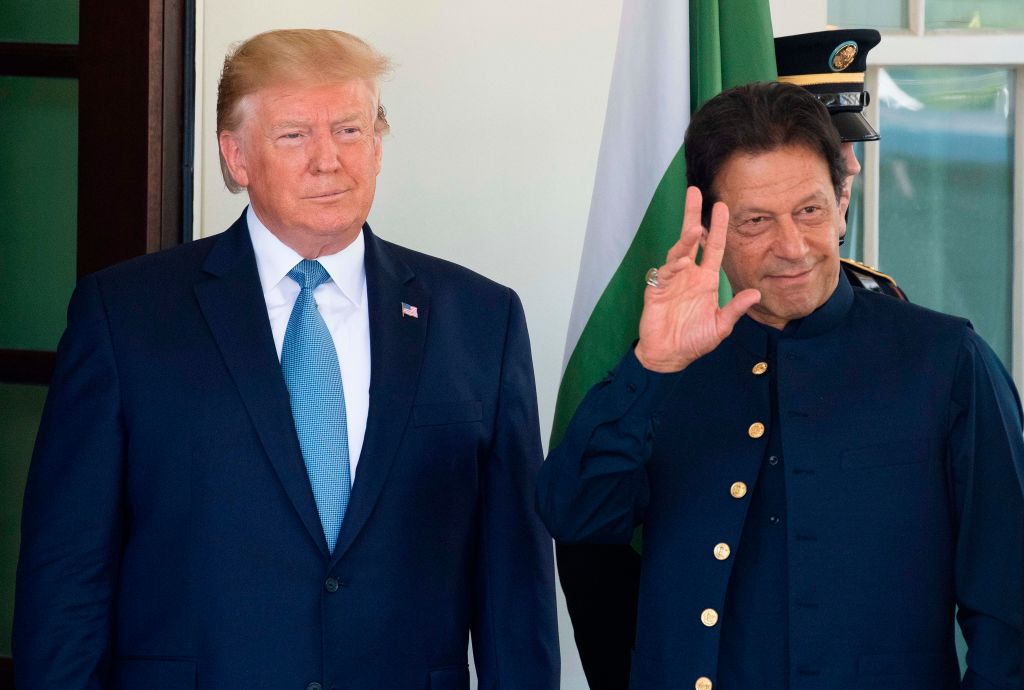
Monday Briefing: Pakistani PM Khan heads to the White House
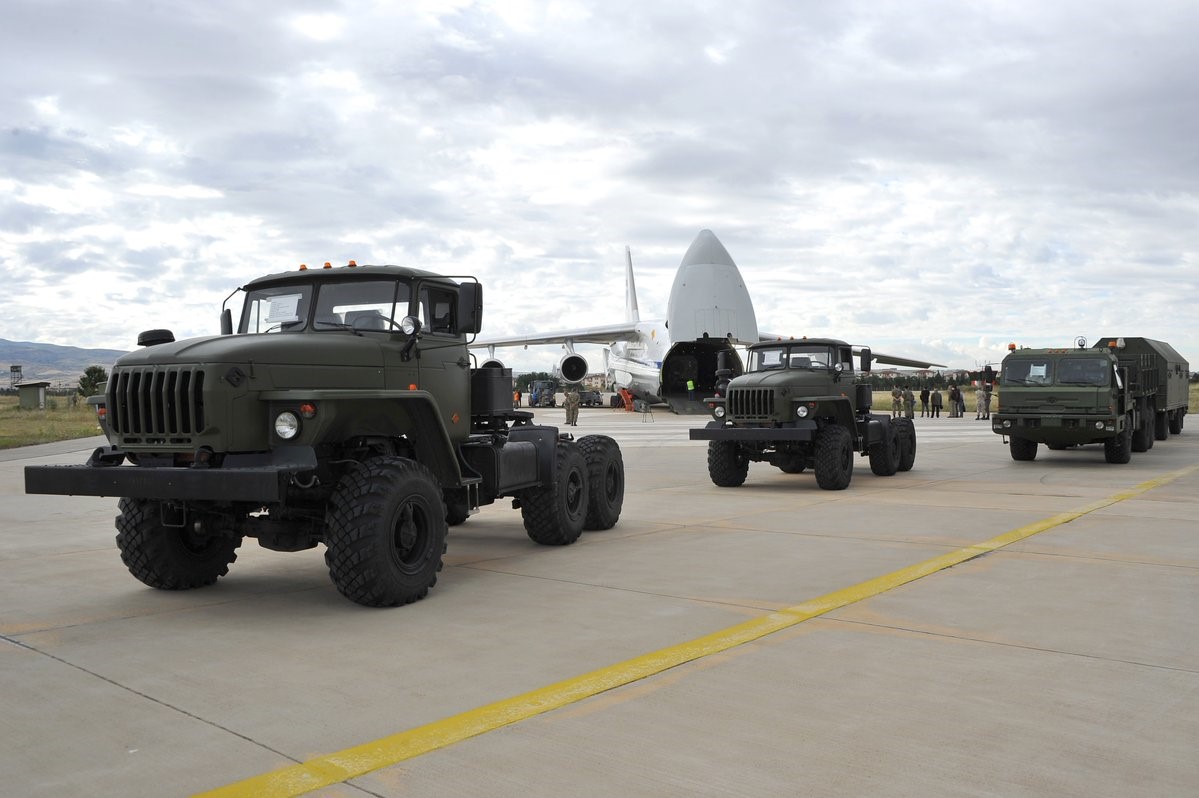
This week’s briefing on recent news and upcoming events in the region including Imran Khan’s visit to the White House, tensions between President Trump and Congress over Turkey’s new S-400 system, escalation in the Straits of Gibraltar and Hormuz, military restructuring in Iraq, increased collaboration on the region’s power supply, and changes to Egypt’s social safety net, featuring Arif Rafiq, Gonul Tol, Ruba Husari, Robert S. Ford, Dr. Ibrahim Saif, and Mirette F. Mabrouk.
Monday Briefing: US and Turkey face S-400 confrontation
This week’s briefing on recent news and upcoming events in the region including Turkey’s confrontation with the U.S. over its S-400 defense system, the latest round of Afghan peace talks, the UAE’s drawdown in Yemen, Turkey’s media signaling on Syria, and the 21st consecutive week of protests in Algeria, featuring W. Robert Pearson, Marvin G. Weinbaum, Ibrahim Jalal, Guney Yildiz, and Robert S. Ford.
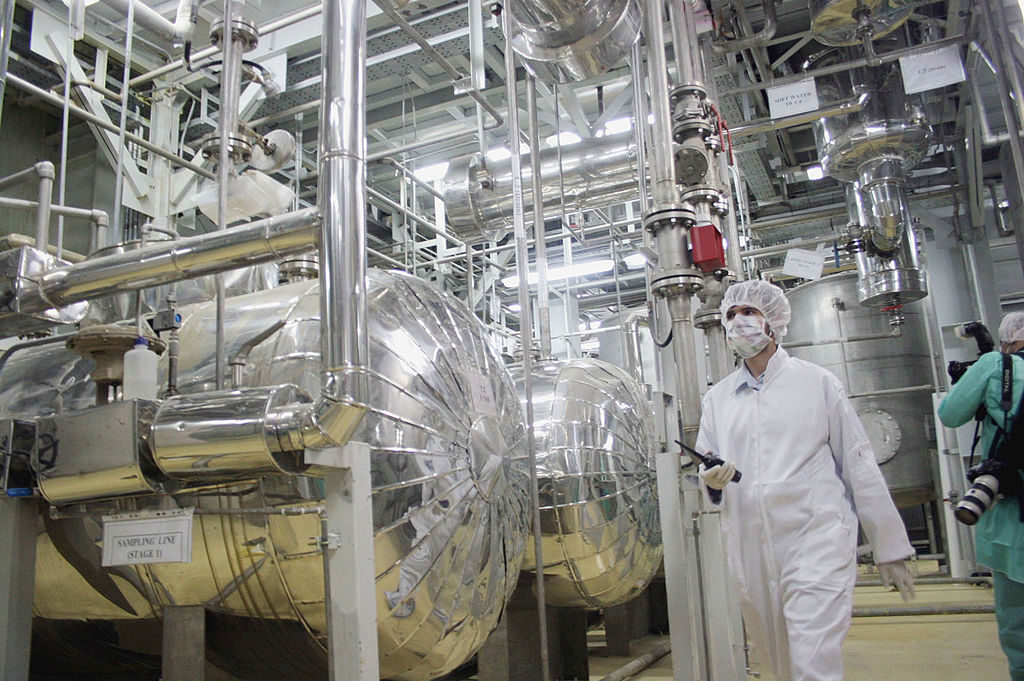
In this week’s Monday Briefing, MEI experts Alex Vatanka, Gonul Tol, Gerald Feierstein, Marvin G. Weinbaum, Rauf Mammadov, and Robert S. Ford provide analysis on recent and upcoming events including Iran’s announcement that it has exceeded its enriched uranium limit, Turkey’s purchase of Russia’s S-400s missile defense system over American objections, an Emirati announcement that it will downsize military involvement in Yemen, the resumption of intra-Afghan peace talks, Russia’s continuing embrace of OPEC+ oil production cuts, and the emergence of potential threats to Tunisia’s democracy.
In this week’s Monday Briefing, MEI experts Paul Salem, Gonul Tol, Alex Vatanka, and Marvin G. Weinbaum provide analysis on recent and upcoming events including Iran’s announcement that it will increase uranium enrichment, Istanbul’s upcoming mayoral election, potential leadership shifts in Tehran, and a rise in political tensions following Pakistan’s anti-corruption crackdown.
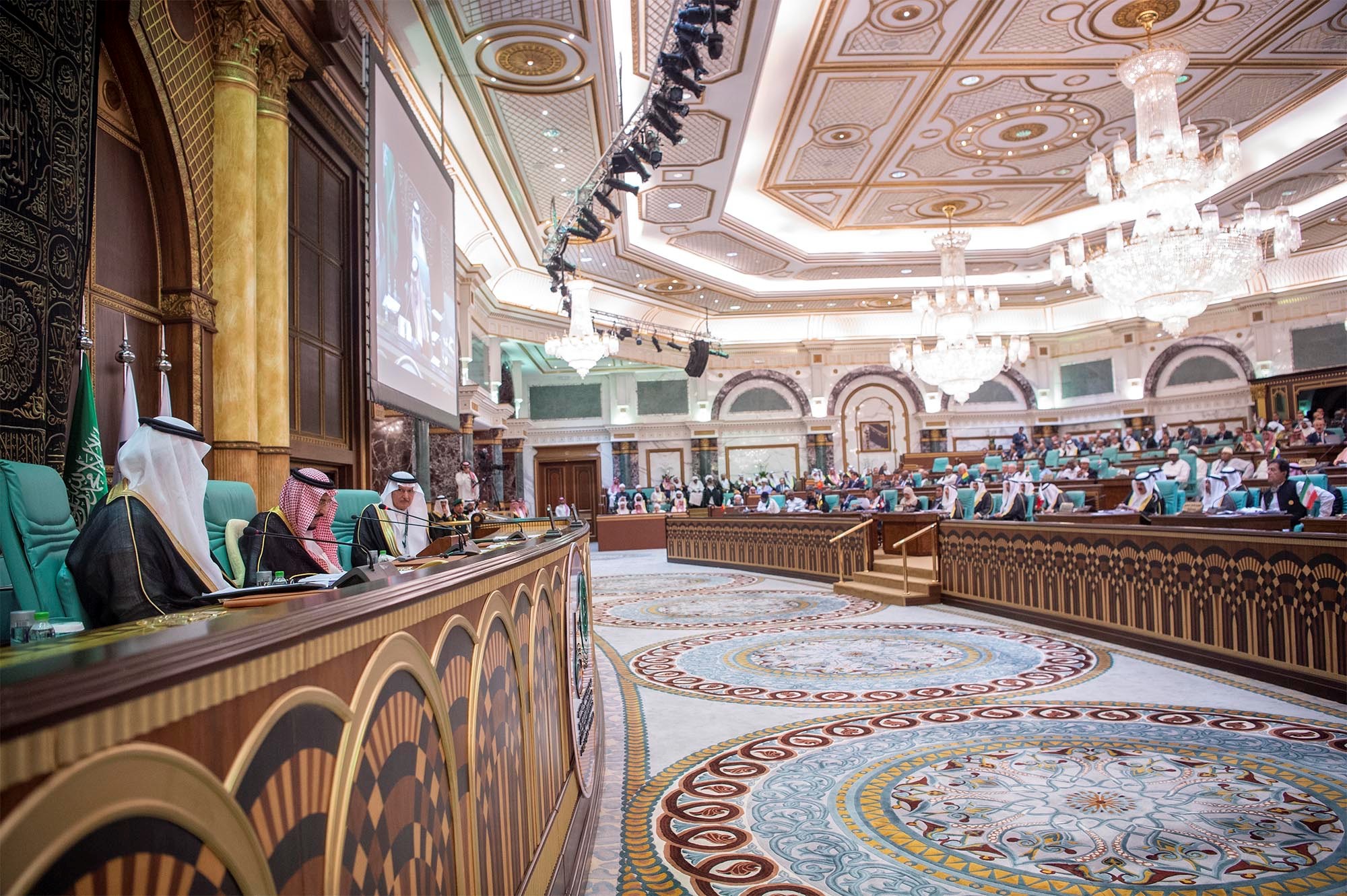
In this week’s Monday Briefing, MEI experts Birol Baskan, Eran Etzion, Alex Vatanka, and Marvin G. Weinbaum provide analysis on recent and upcoming events including recent regional summits in Mecca to discuss Iran and the Qatar crisis, Benjamin Netanyahu’s gambit to retain power in Israel, and escalating hostilities between the Pakistani military and the Pashtun Tahaffuz Movement.
Shamila Chaudhary, Michael Kugelman, and Marvin Weinbaum join host Alistair Taylor to discuss the political situation in Afghanistan following the expiration of President Ashraf Ghani’s term in office, presidential elections in September, the state of US-Taliban talks and the intra-Afghan dialogue.
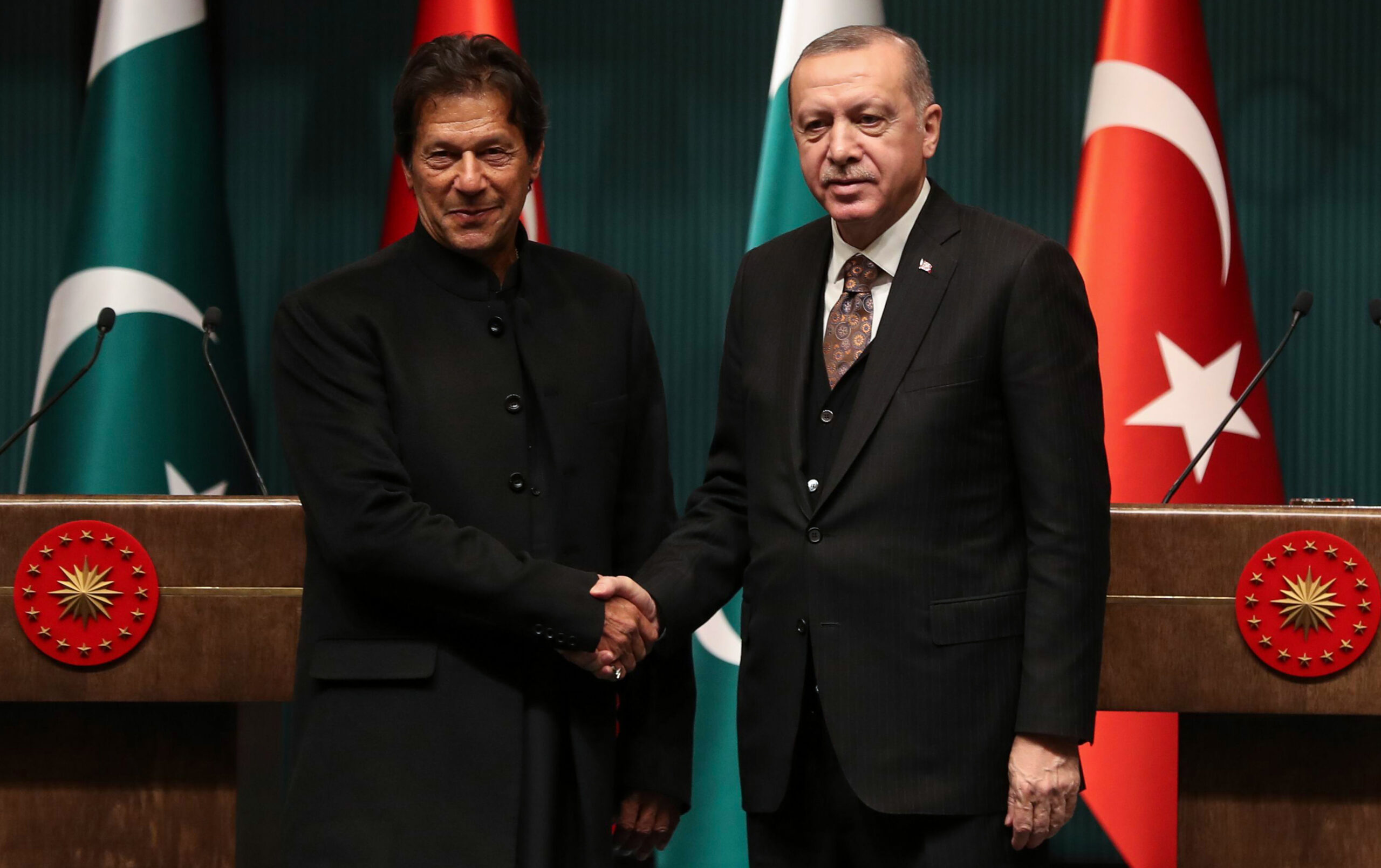
Turkish-Pakistani relations: A burgeoning alliance?
As Turkey aims to expand its influence throughout the Sunni Muslim world, President Erdoğan is playing up the historic ties and strategic partnership between Turkey and Pakistan. It remains to be seen, however, if this alliance will evolve beyond mere symbolism.
Monday Briefing: Iraq back in the eye of the storm
In this week’s Monday Briefing, MEI experts Randa Slim, Gerald Feierstein, Zubair Iqbal, Marvin G. Weinbaum, Mirette F. Mabrouk, Robert S. Ford, and Rauf Mammadov provide analysis on recent and upcoming events including the escalating tensions between the United States and Iran with Iraq caught in between, Jared Kushner’s economic development plan for Palestinians, the IMF’s bailout deal with Pakistan, political turmoil ahead of the Afghan presidential election, developments in the Egyptian media landscape following recent constitutional amendments, debate over how to approach elections in Algeria, and the impact of US-Iran tensions on the oil market.
U.S. Special Representative Zalmay Khalilzad is holding talks with the Afghan Taliban to make sure the guns fall silent in Afghanistan. But getting the Taliban to agree on a ceasefire and engage in an intra-Afghan dialogue is severely testing Khalilzad’s negotiating skills; the fifth round of talks in Doha lasted for 16 days. If the intra-Afghan dimension cannot be made to work, it will likely lead to not only a more complicated political process, but also a far more dangerous one.
The rise of ISIS post-2013 changed how we perceive jihadism, but it also transformed how jihadists perceive themselves and how they behave. ISIS’s brutality and indiscriminate violence created unprecedented fragmentation within the jihadi movement, leading to critical self-reflection and changes in codes of conduct. This paper examines how three different jihadi groups – the Afghan Taliban, al-Qaeda in the Indian Sub-Continent, and Tehreek- e-Taliban Pakistan (or the Pakistani Taliban) – responded to the challenges presented by ISIS.
The oldest peer-reviewed publication dedicated to the study of the modern Middle East, MEI’s flagship journal covers politics, society, and culture in the region.