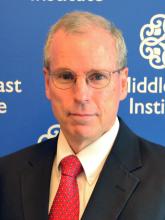
Brian is joined by His Excellency Talal Al Rahbi, the ambassador of the Sultanate of Oman to the United States of America, to discuss what it means to represent the “Switzerland of the Middle East” and the role of Oman’s quiet diplomacy. He also reflects on growing up during Oman’s transformation, his time spent in the United States, and why the two nations’ long-standing partnership matters today.
After decades of political setbacks, Iran’s former Revolutionary Guards commander has returned to the center of power. Is he an incidental beneficiary of war, or have observers underestimated him all along?
The Unavoidable Neighbor: Managing Iran Beyond the War
Gulf states and their partners are increasingly looking beyond their most immediate interests of containing the war with Iran. While recent talks between Saudi Arabia, Turkey, Pakistan, and Iran have kept de-escalation on the agenda, a broader regional security framework and non-aggression pact has also emerged, envisioning a longer-lasting solution to regional conflicts. The talks have yet to produce a settlement, but they reflect a growing recognition that Gulf security cannot depend entirely on Washington. Iran will still be there, and its neighbors will have to find ways of living with it.
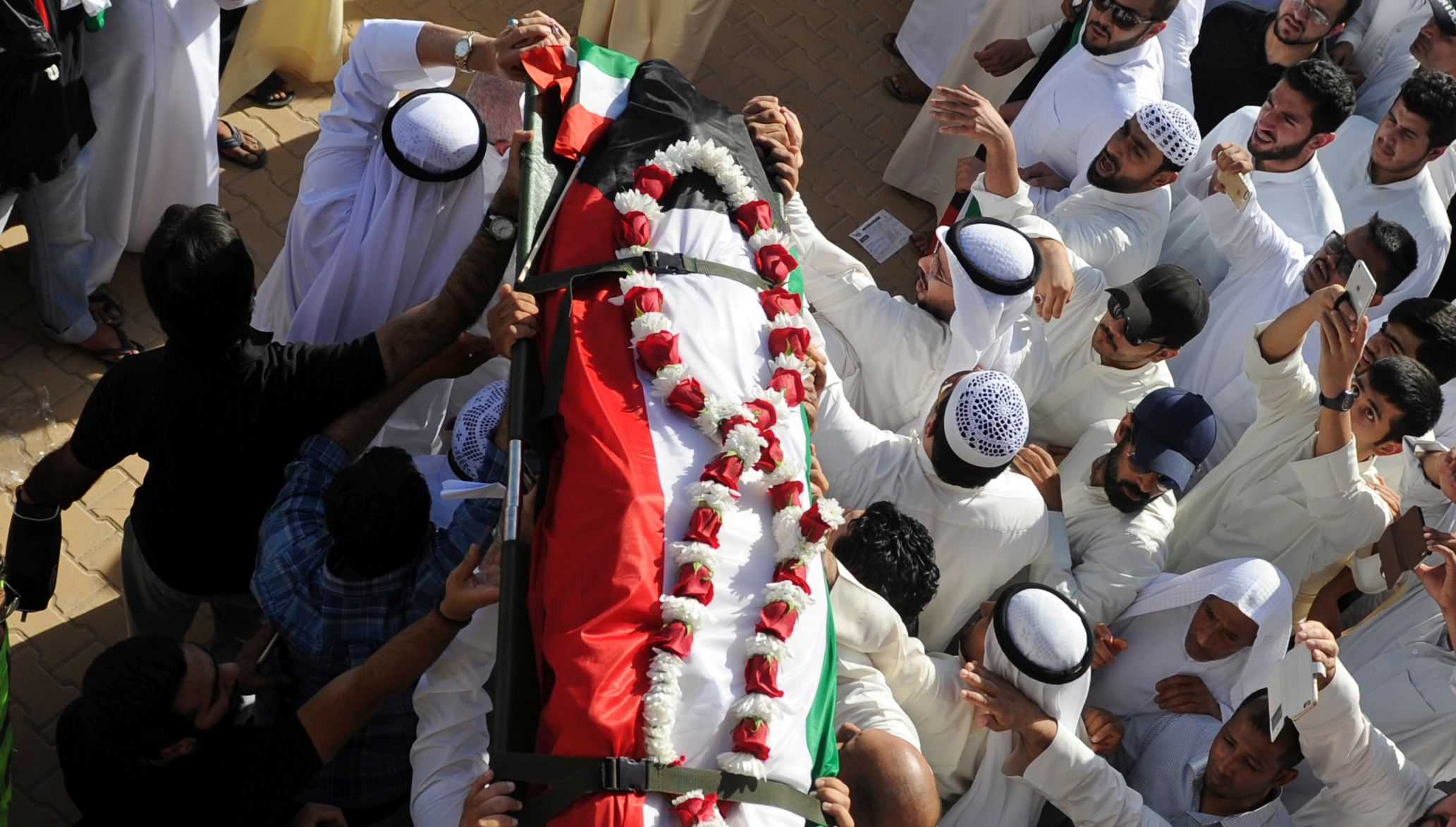
The intensifying rivalry between Saudi Arabia and Iran is raising sectarian temperatures in some smaller Gulf Cooperation Council (G.C.C.) states. Kuwait’s fractious parliament has seen growing tension and even physical confrontation between its Sunni and Shiite MPs in response to regional developments. Growing tension in Kuwait is also evident in the national media and online forums.
This article is the result of a recent visit by the authors to Baghdad where they met with government leaders, security officials, political party representatives from the various communities, and leaders of ten Iraqi think tanks. A version of this article appeared in the March 10 issue of the Arabic Al-Hayat newspaper.
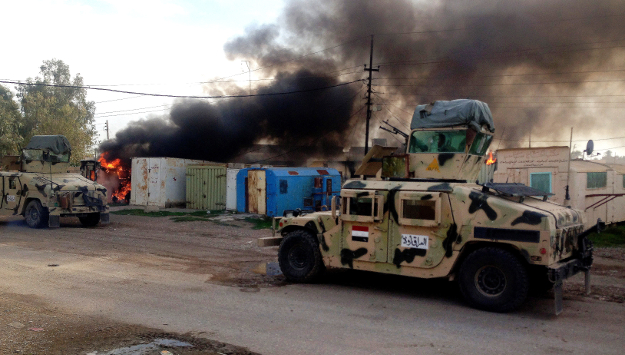
Despite deep internal divisions, a massive security threat from ISIS, and a fiscal collapse due to low oil prices, the Iraqi government is struggling to move the country forward and deserves urgent support from international and regional players.
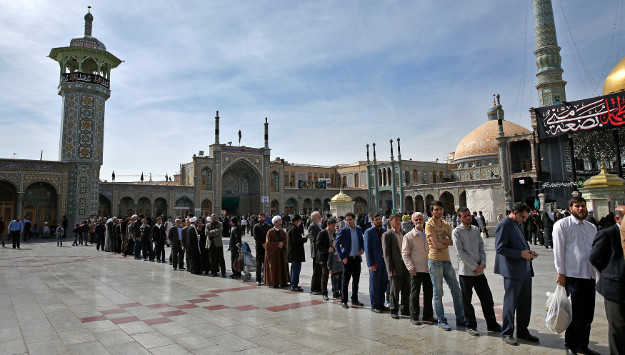
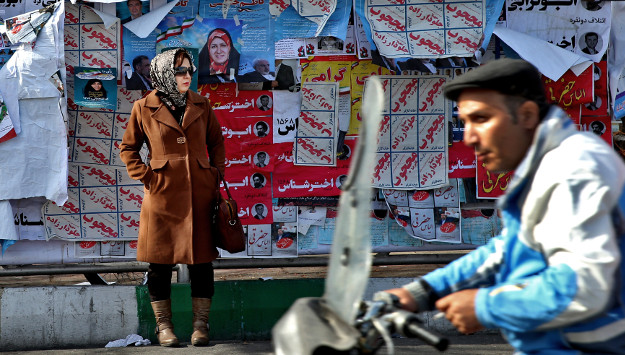
The stunning performance of Iran’s moderate forces in the Feb. 26 elections has prompted new optimism for democracy in the Islamic Republic. It should not.
Qatar’s Cabinet Reshuffle and a New Regional Approach
Qatar’s recent cabinet reshuffle marks the latest step in the tiny emirate’s shift away from its high-profile regional activities under former emir, Sheikh Hamad bin Khalifa al-Thani, to the more discreet role of his son and current emir, Sheikh Tamim bin Hamad al-Thani.
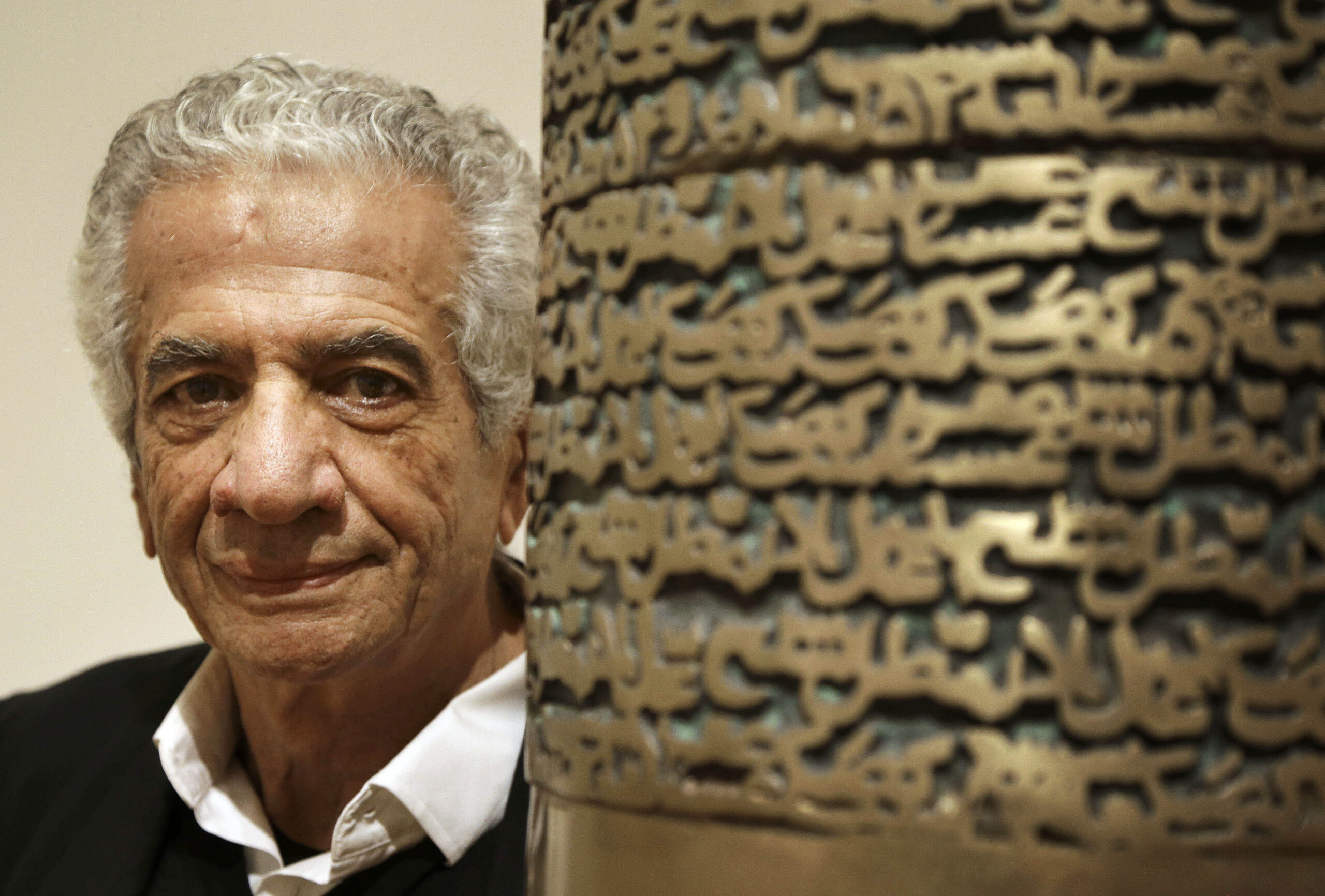
New Documentary Honors Father of Modern Iranian Sculpture
At the edge of the Pacific, in a bucolic suburb of Vancouver called Horseshoe Bay, the “father of modern Iranian sculpture” has lived a quiet existence since 1989.
Despite being a pioneer of Iranian modernism and one of the founders of the Saqqakhaneh School of Art in mid-20th century Tehran, Parviz Tanavoli has been virtually invisible in Vancouver.
Today, however, a new documentary about the artist directed by Canadian filmmaker Terrence Turner has bridged the chasm between the Middle East and the Pacific Northwest.
Saudi Arabia has come under intense scrutiny in recent months. Much of it centers on its more assertive and less accommodating foreign policy, as manifested in its unprecedented military campaign in Yemen. The shift in Saudi regional policy has spawned the sudden popularity of two narratives in the Western press, think tanks and even some official circles.
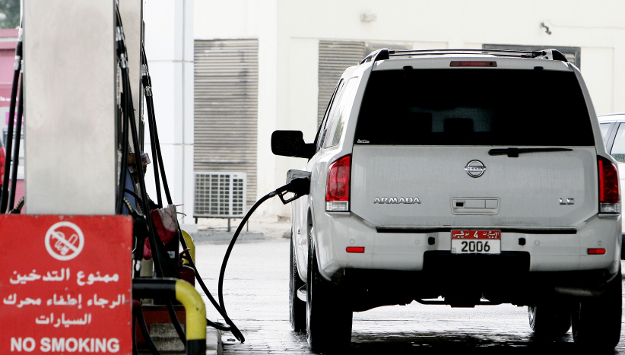
Emir Sheikh Tamim bin Hamad Al Thani warned Qataris in November that due to tumbling oil prices, the government could no longer “provide for everything.” The following month he addressed “wasteful spending, overstaffing and a lack of accountability,” sending a clear message that austerity measures were on the way.
South Korea’s Diversifying Economic Cooperation in the Gulf
Traditionally, South Korea’s economic relations with the Gulf states have been primarily based on energy trade and construction. The Park Geun-hye administration is keen to expand the scope and boost the value of South Korea’s economic relations with the GCC countries and with Iran.
Monday Briefing: Syria Ceasefire, Iran's Elections, and ISIS in Libya
In this week’s Monday Briefing, MEI experts Robert S. Ford, Paul Salem, Alex Vatanka, and David Mack provide analysis on recent events including the ceasefire agreement in Syria, Iran’s elections, and how the United States should respond to the growing threat of ISIS in Libya.
As objectionable as it may seem to many, it’s becoming increasingly likely that Donald Trump will be the Republican Party’s presidential nominee. It is also no longer a remote possibility for Trump to become the 45th president of the United States come next January. What would a Trump presidency mean for the oil-rich Gulf Arab states?
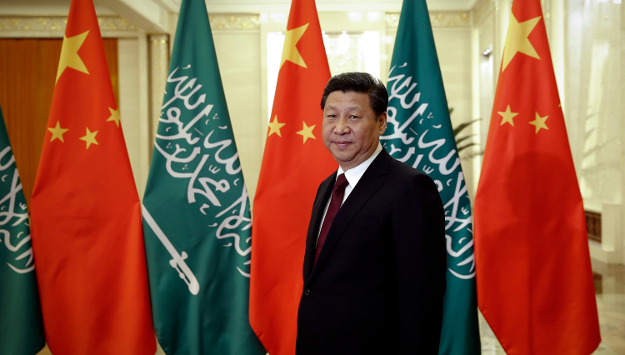
Chinese President Xi Jinping’s visit last month to Saudi Arabia, Egypt, and Iran represented the first, full frontal launch of China’s One Belt, One Road (OBOR) strategy in the Middle East. The visit has wide implications for Gulf Cooperation Council (GCC)-China relations as the geopolitical chessboard undergoes a major realignment.
The oldest peer-reviewed publication dedicated to the study of the modern Middle East, MEI’s flagship journal covers politics, society, and culture in the region.