Brian is joined by His Excellency Talal Al Rahbi, the ambassador of the Sultanate of Oman to the United States of America, to discuss what it means to represent the “Switzerland of the Middle East” and the role of Oman’s quiet diplomacy. He also reflects on growing up during Oman’s transformation, his time spent in the United States, and why the two nations’ long-standing partnership matters today.
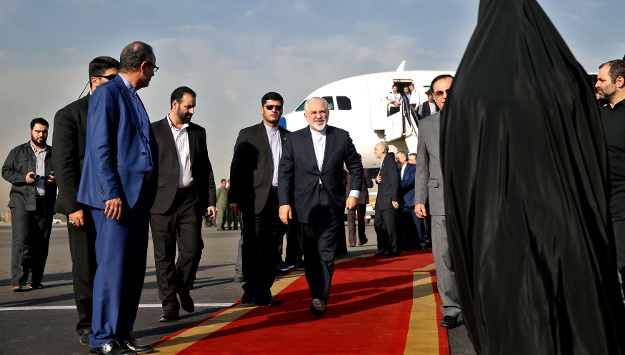
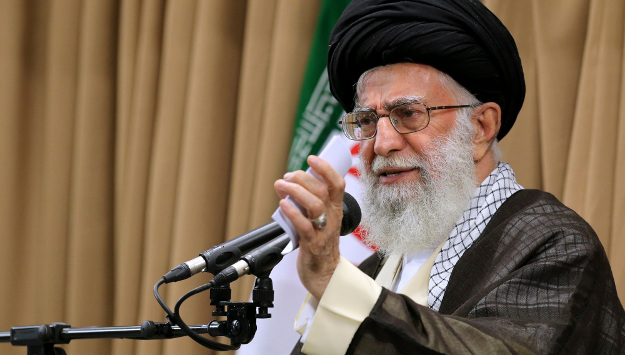
After decades of political setbacks, Iran’s former Revolutionary Guards commander has returned to the center of power. Is he an incidental beneficiary of war, or have observers underestimated him all along?
The Unavoidable Neighbor: Managing Iran Beyond the War
Gulf states and their partners are increasingly looking beyond their most immediate interests of containing the war with Iran. While recent talks between Saudi Arabia, Turkey, Pakistan, and Iran have kept de-escalation on the agenda, a broader regional security framework and non-aggression pact has also emerged, envisioning a longer-lasting solution to regional conflicts. The talks have yet to produce a settlement, but they reflect a growing recognition that Gulf security cannot depend entirely on Washington. Iran will still be there, and its neighbors will have to find ways of living with it.
This article was first published on NPR’s Parallels blog.
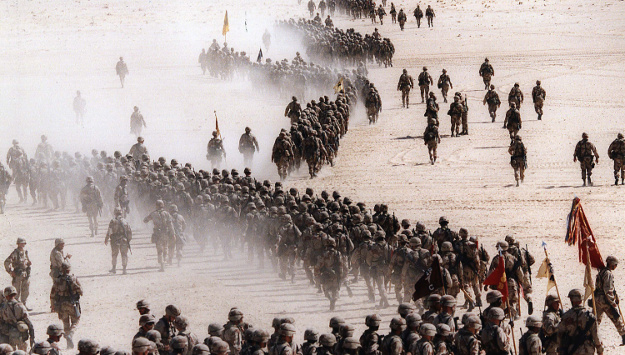
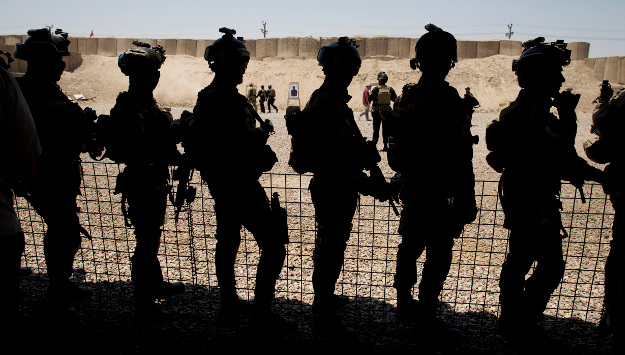
It started so well. When Saddam Hussein’s Iraq invaded Kuwait on Aug. 2, 1990, the United States swiftly cobbled together a broad coalition, unleashed a stunning new generation of air power and waged a lightning ground offensive that lasted all of four days. Iraqi troops were so desperate to quit that some surrendered to Western journalists armed only with notebooks.
Education: The Key to Women’s Empowerment in Saudi Arabia?
In recent news from Saudi Arabia: religious police filmed berating a fully veiled woman for not wearing gloves; a cleric’s fatwa against women watching football to prevent them from staring at men’s thighs; and a woman sentenced to 70 lashes for insulting her husband on WhatsApp.[1] At the same time, the Saudi education ministry released statistics showing that women constitute almost 52 percent of university graduates inside the kingdom, while more than 35,000 female Saudis studied abroad in 2014.
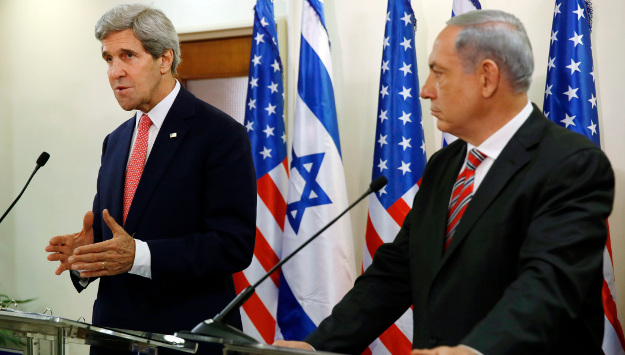
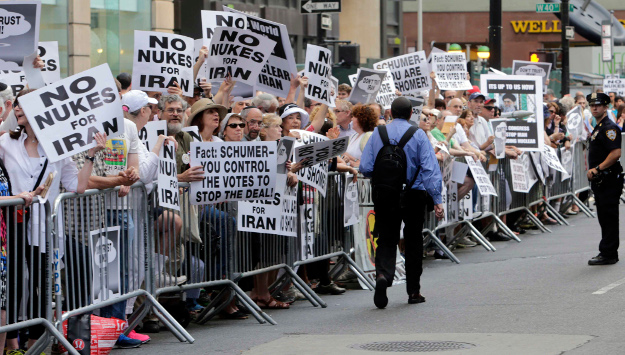
Here are some criticisms of the Iran deal that contain at least a kernel of truth; they are worth addressing for the sake of clarifying some of the arguments pro and con.
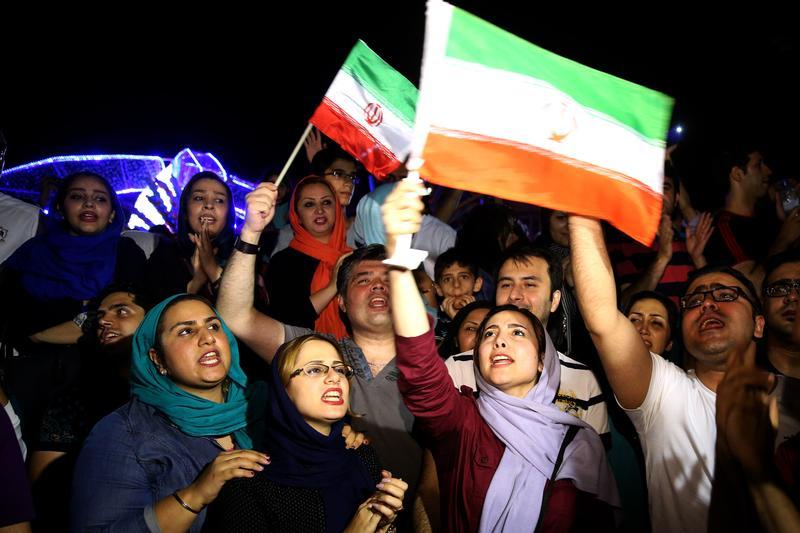
The Iran nuclear deal has only one big surprise: it is consistent with the April 2 “parameters” that preceded it and contains no surprises. No one caved. Nothing got walked back.
Iran Nuclear Deal: A Platform for Future Cooperation?
MEI interviewed Senior Fellow Alex Vatanka about the historic nuclear agreement between Iran and the P5+1 that was reached on July 14, 2015, and how it may impact regional dynamics and the long-term relationship between Iran and the West.
The Humanitarian Crisis in the Middle East: Highlights from the MEI Conference
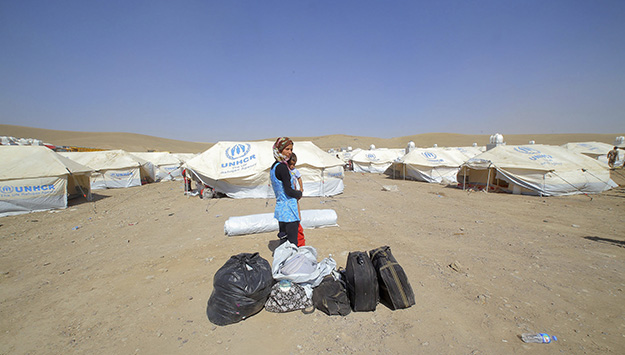
For decades, most refugee crises followed a pattern: A war erupted, usually in a poor country, and beleaguered civilians staggered across the nearest border. The United Nations organized a response, rich nations footed the bill, and aid groups sent in workers to tend to the needy. Even in extreme cases, such as the mass exodus from Afghanistan during the Soviet invasion in the 1980s, the crisis was largely confined to the country at war and a few immediate neighbors.
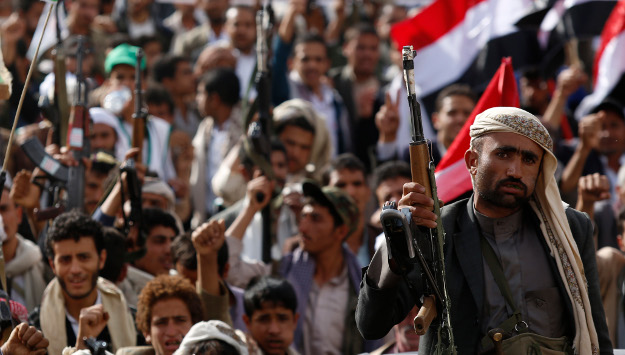
Three months after Saudi Arabia rounded up a few allies and began an intensive bombing campaign against the rebels known as Houthis across the border in Yemen, a conventional wisdom has developed. “It has not worked,” as The New York Times put it in a front-page article, and it probably can’t work because the strategic goals are too murky, the factions are too entrenched, the rivalries are too intense, and the conflict is too complicated to be resolved by a simplistic solution.
The oldest peer-reviewed publication dedicated to the study of the modern Middle East, MEI’s flagship journal covers politics, society, and culture in the region.