Skip to Content
Ambassador Talal Al Rahbi on Oman’s Diplomacy
  • Podcast
  • Ambassador Talal Al Rahbi on Oman’s Diplomacy

    Brian is joined by His Excellency Talal Al Rahbi, the ambassador of the Sultanate of Oman to the United States of America, to discuss what it means to represent the “Switzerland of the Middle East” and the role of Oman’s quiet diplomacy. He also reflects on growing up during Oman’s transformation, his time spent in the United States, and why the two nations’ long-standing partnership matters today.

    Mohsen Rezaei: The Unlikely Peacemaker
  • Analysis
  • Mohsen Rezaei: The Unlikely Peacemaker

    After decades of political setbacks, Iran’s former Revolutionary Guards commander has returned to the center of power. Is he an incidental beneficiary of war, or have observers underestimated him all along?

    The Unavoidable Neighbor: Managing Iran Beyond the War
  • Analysis
  • The Unavoidable Neighbor: Managing Iran Beyond the War

    Gulf states and their partners are increasingly looking beyond their most immediate interests of containing the war with Iran. While recent talks between Saudi Arabia, Turkey, Pakistan, and Iran have kept de-escalation on the agenda, a broader regional security framework and non-aggression pact has also emerged, envisioning a longer-lasting solution to regional conflicts. The talks have yet to produce a settlement, but they reflect a growing recognition that Gulf security cannot depend entirely on Washington. Iran will still be there, and its neighbors will have to find ways of living with it.

    Featured Experts

    Filter by
    4581 Results
    Reconceptualizing Sectarianism in the Middle East and Asia
  • Analysis
  • Reconceptualizing Sectarianism in the Middle East and Asia

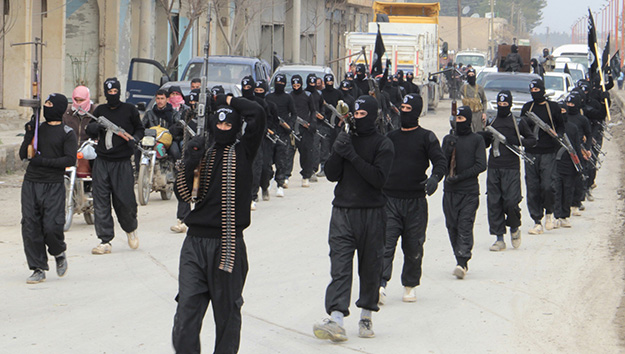
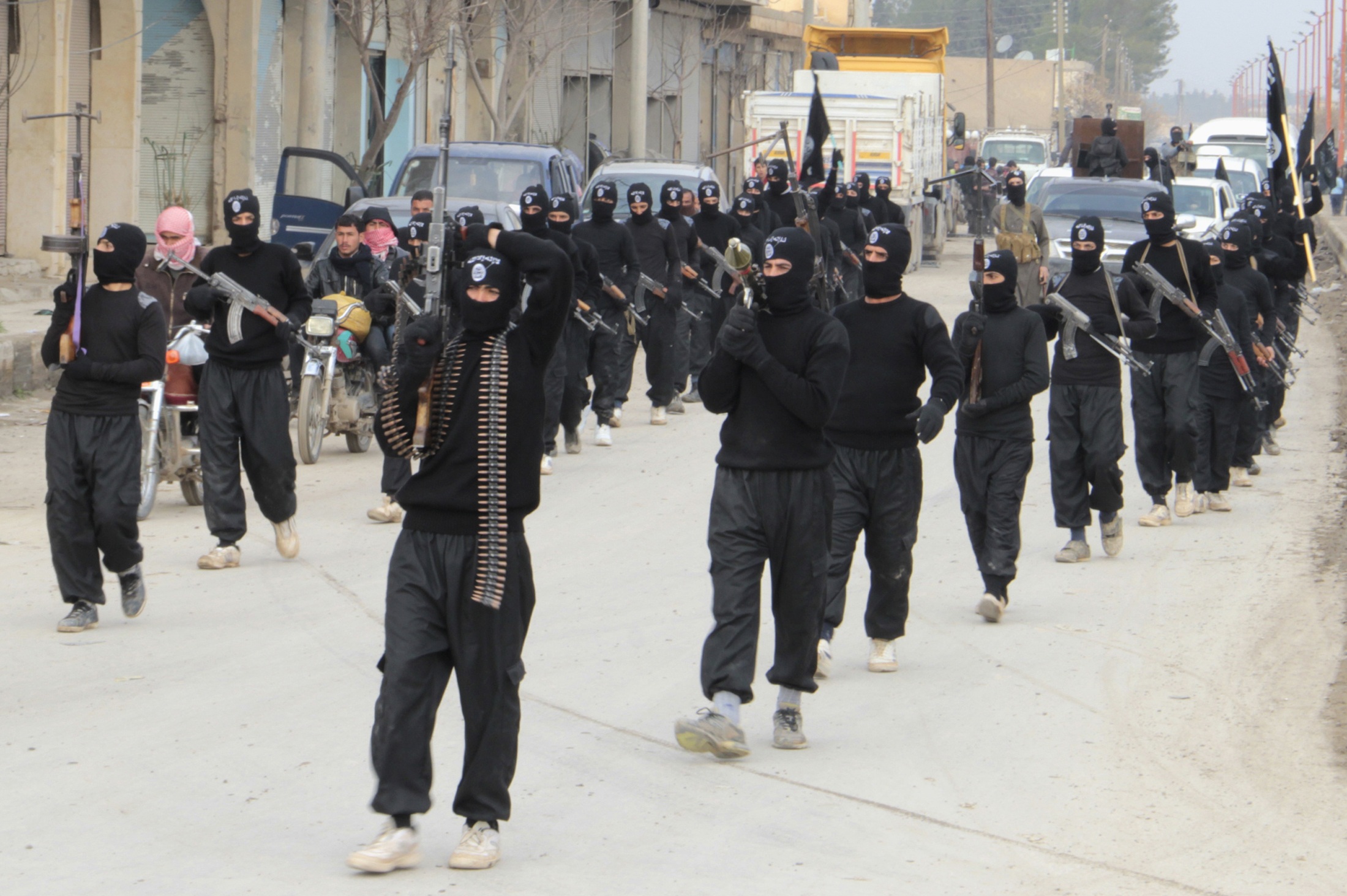
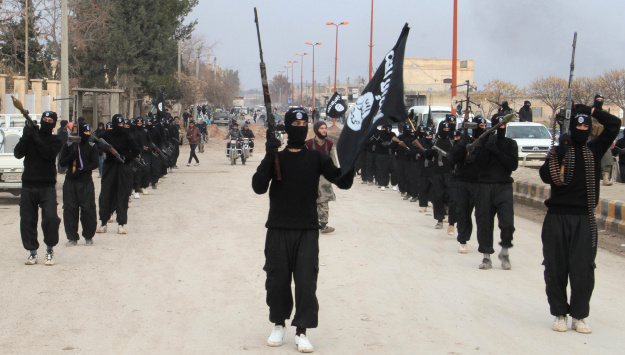
    Sectarianism as a concept has gained renewed prominence following an offensive by the Islamic State in Iraq and Syria (ISIS) in early June 2014, which resulted in the fall of Mosul and a string of Iraqi towns. These land grabs have resulted in a flurry of commentaries blaming the conflict on sectarian differences between Iraq’s Shi‘a and Sunnis and predicting the fragmentation of Iraq along sectarian lines. This piece seeks to provide an analysis as to whether sectarianism, in and of itself, is the driving factor behind the renewed conflict in Iraq or the three-year civil war raging in Syria.

    June 18, 2014

    Secular Sectarians
    Middle East Institute
  • Analysis
  • Secular Sectarians

    A common dichotomy that emerges in discussions of Sunni-Shi‘i “sectarianism” in the contemporary Middle East is that of secular versus sectarian. The logic underlining this false duality is obvious enough: a sect is, after all, a subgroup of a religious denomination that exists as a result of theological or jurisprudential peculiarity as shaped by history, politics, and geography. Therefore, logic would suggest that “secularism” is a plausible antonym for “sectarianism:” a temporal, civic approach to public space rooted in modern understandings of the nation-state and its master institutions and the need to separate church from state. As intuitive as this undoubtedly seems, it remains a false dichotomy that misrepresents sectarian identities and sectarian dynamics in the Arab world and overlooks the role played by class, politics, and power in what is ostensibly a religious issue.

    June 17, 2014

    Iraq — So What to Do?
  • Analysis
  • Iraq — So What to Do?

    This article was originally posted on Charles Duelfer’s blog.

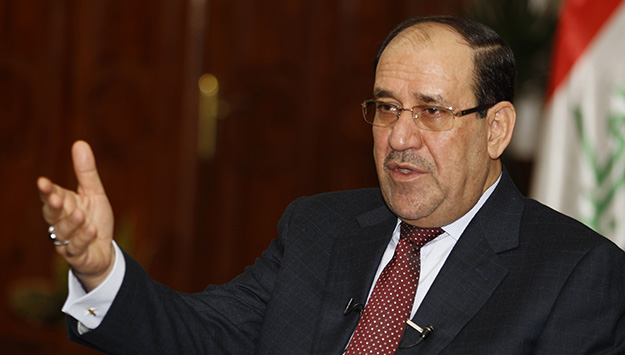
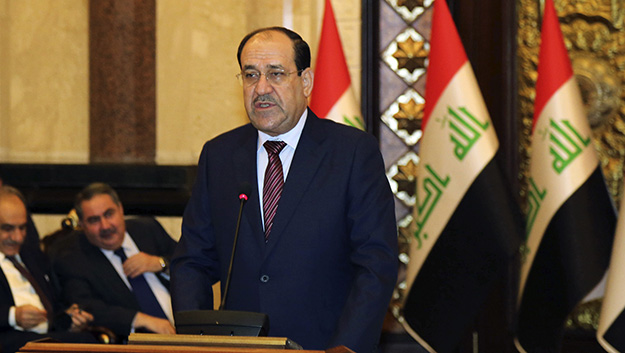
    A possible path ahead is to take advantage of the post-election negotiations and configure a leadership that accommodates Sunni interests. This would by necessity mean someone other than Maliki becoming prime minister.
    June 13, 2014

    Robert Ford on the ISIS Offensive in Iraq
  • Analysis
  • Robert Ford on the ISIS Offensive in Iraq

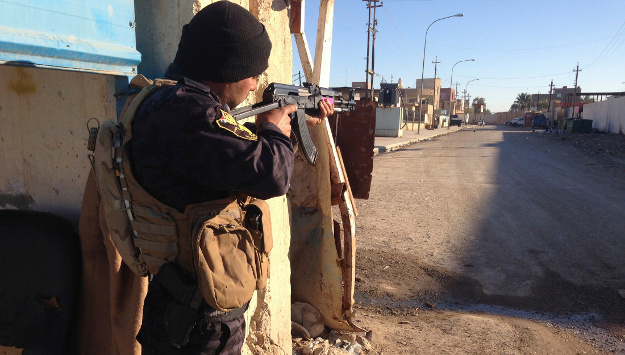
    The Islamic State of Iraq and Syria (ISIS), a Sunni militant group controlling territory spanning the border between the two country’s northern regions, made a rapid advance toward Baghdad this week, seizing control of Mosul, Iraq’s second largest city, and Tikrit, and attacking the refinery town of Baiji. Forces from Iraqi Kurdistan have since moved to secure Kirkuk as the Iraqi central government’s military has fled in disarray. Robert Ford, former U.S.

    Korea and the GCC: Reaching a Sustainable Economic Partnership
    Middle East Institute
  • Analysis
  • Korea and the GCC: Reaching a Sustainable Economic Partnership

    Over the past four decades, economic relations between the Republic of Korea (hereafter Korea) and the Gulf Cooperation Council (GCC) countries have been focused on two sectors. Given the lack of energy resources in Korea, the GCC countries have provided oil and gas for Korean manufacturing, electricity, transport, and related activities. These countries have also provided Korea with business opportunities in the construction sector, including the building of expressways, seaports, and industrial plants.

    June 6, 2014

    Rouhani’s Saudi Challenge
  • Analysis
  • Rouhani’s Saudi Challenge

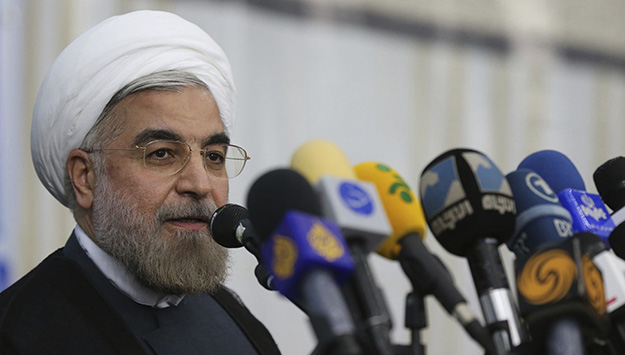
    This week’s visit to Tehran by the Kuwaiti emir, Sheik Sabah al-Ahmad al-Sabah, is about more than Iranian-Kuwaiti relations. It might even be a pivotal moment in the shaping of Iran’s ties with the Arab countries across the Gulf. Kuwait, which currently holds the rotating presidency of the Gulf Cooperation Council (GCC), is acting as a conduit for the collective unease that the GCC’s six member states, particularly Saudi Arabia, have about Iran’s regional policies.

    Prospects for an Iran Nuclear Agreement
  • Analysis
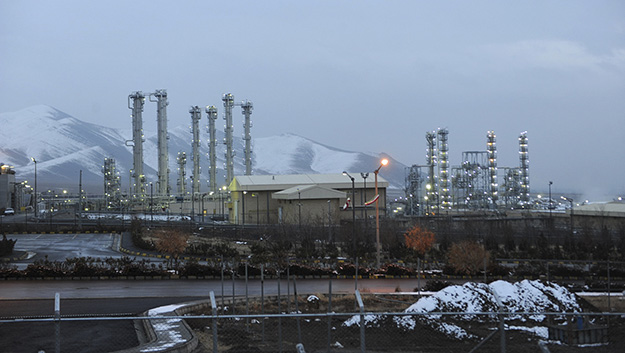
  • Prospects for an Iran Nuclear Agreement

    Allen Keiswetter is a scholar at the Middle East Institute and an analyst at the law firm of Dentons. This is an updated version of a paper originally published by Dentons-GPS.

    June 3, 2014

    Five Years After the Cairo Speech

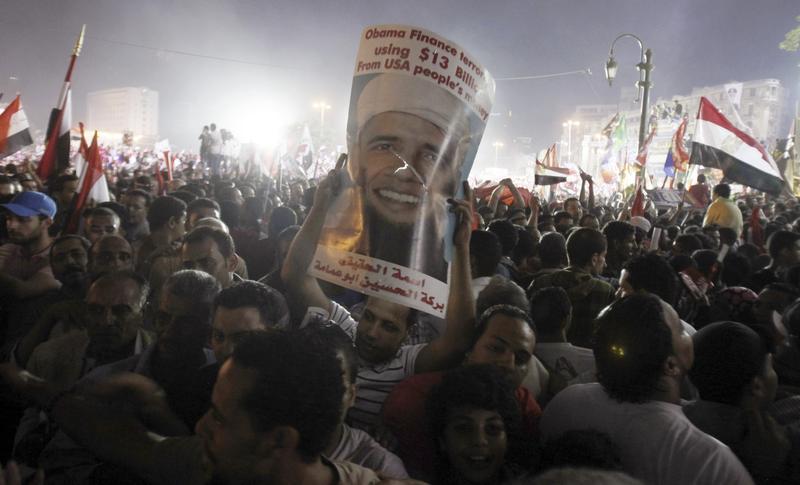
    Five Years After the Cairo Speech

    June 3 – January 1, 1970, June 3 - 12:00 PM – 12:00 AM
    January 1 - 12:00 PM – 12:00 AM

    SEIU Conference Center, 1800 Massachusetts Avenue NW, Washington, District of Columbia 20036

    The Iran Sanctions and South Korea’s Balancing Act
    Middle East Institute
  • Analysis
  • The Iran Sanctions and South Korea’s Balancing Act

    Following the recent progress on the Iranian nuclear issue and the subsequent easing of sanctions, South Korean businesses are reengaging the Iranian market. A South Korean trade delegation visited Iran on March 9, 2014 to expand bilateral trade ties in the mining, industrial, and food sectors. On March 17, South Korea’s Finance Ministry lifted a ban, allowing South Korean auto, construction, pharmaceutical, and telecommunications industries to resume trade with Iran, though sanctions remained in the shipbuilding, shipping, and harbor sectors.

    June 2, 2014

    Kuwait: At the Crossroads of Change or Political Stagnation
  • Analysis
  • Kuwait: At the Crossroads of Change or Political Stagnation

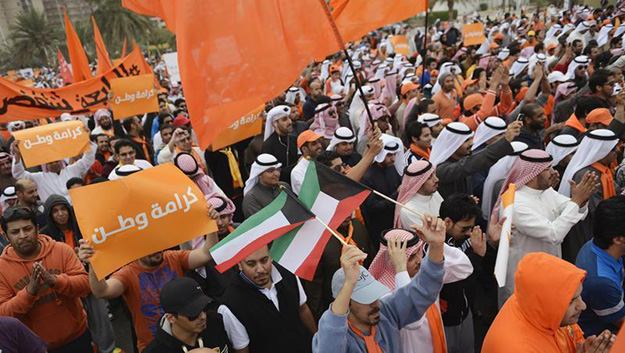
    Though Kuwaitis have been striving for change, particularly since 2011, their country’s political structures remain more or less unaltered.  Yet change is inevitable, writes Shafeeq Ghabra in this MEI Policy Paper. At issue is a semi-democratic system that has proven ineffective at dealing with problems such as government mismanagement, corruption, a lack of economic transparency, and inequality toward tribes and undocumented immigrants.

    May 20, 2014

    Read the Middle East Journal

    The oldest peer-reviewed publication dedicated to the study of the modern Middle East, MEI’s flagship journal covers politics, society, and culture in the region.