Recent Elections and What They May Mean for the Middle East
Recent elections for the Israeli Knesset and American Congress may make less of a difference in the Middle East than some people think. Elections are significant indicators of national political trends, but do not always translate into changes in national security strategies. That is likely the case now in both nations.
The Coming Debate Over the US Military Presence in the Gulf
The war with Iran is hardly over, but the debate over the shape and nature of the post-conflict American posture in the Gulf region is just beginning. Undoubtedly, how the war ends will affect how the United States adjusts its role. While this debate is still in its early stages, something of a conventional wisdom is already developing in policy circles that could seriously compromise American influence in the Middle East.
Curb Your Enthusiasm: Why the Midterms Might Not Change Much in US Middle East Policy
With less than a week before the midterm elections in the United States, the spotlight is on the economy and cultural divides. US foreign policy remains mostly on the sidelines, but this year’s inconclusive Iran war and its effect on America’s economy have shaped the broader political environment in this electoral cycle.
Debunking the role of cloud seeding in the April Arabian Gulf floods
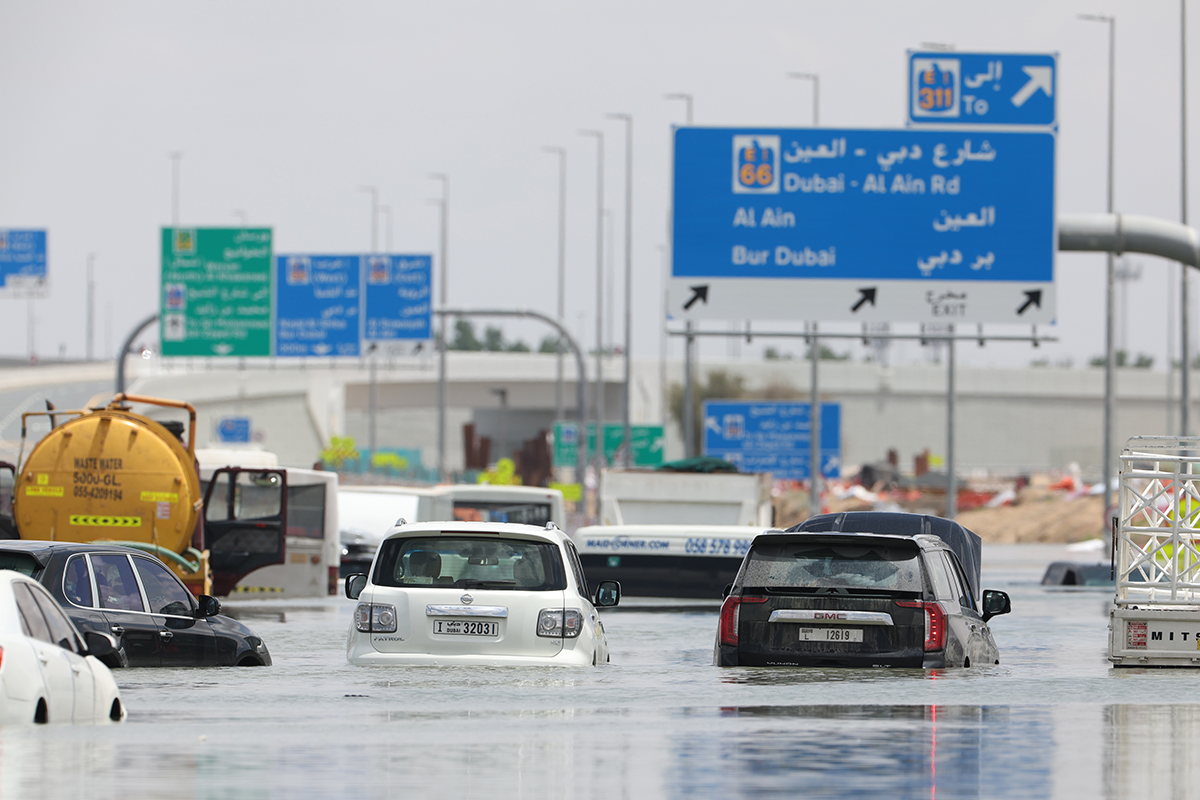
Intense flooding across the Arabian Peninsula caused by a storm in mid-April sparked speculation about the role cloud seeding might have played in the precipitation event, giving rise to conspiracy theories on social media and warnings trumpeting the hazards of human intervention into natural processes. Cloud seeding is not the only climate change-adaptive strategy to have been targeted in this way, and the effort being expended to combat such disinformation (though nascent) is growing.
Deterrence Reasserted? Debating Iran's Missile Capabilities and Willingness to Use Force
On this week’s episode, David DesRoches and Abdolrasool (Farzam) Divsallar, a Non-Resident Scholar with MEI’s Iran Program, speak to MEI Managing Editor Matthew Czekaj on Iran’s April 13 missile and drone attack on Israel and what it reveals about both countries’ attack and deterrence capabilities.
Qatar’s LNG expansion plans and the issue of market oversupply
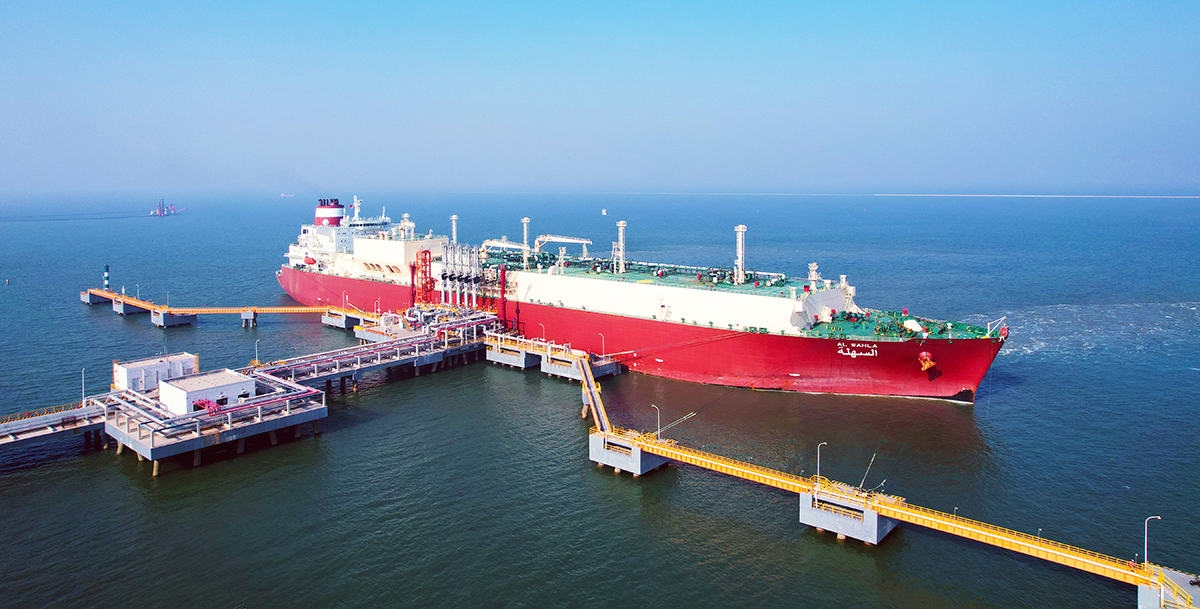
On Feb. 25, 2024, Qatar announced plans to increase its LNG production capacity by a further 16 million tons per annum (mtpa) in 2029-30, bringing the total to 142 mtpa. This would be the third such large-scale expansion of its LNG production within the next six years, but there’s one wrinkle: These new production volumes are set to come online at a time of significant oversupply in the LNG market. What accounts for Qatar’s decision?
China, the US, and the battle for Middle Eastern technology
The US is changing its approach to dealing with China’s technology statecraft in the Middle East. The recent Microsoft-G42 deal offers a new model for technology competition that helps to secure American technologies while accommodating its partners’ aspirations.
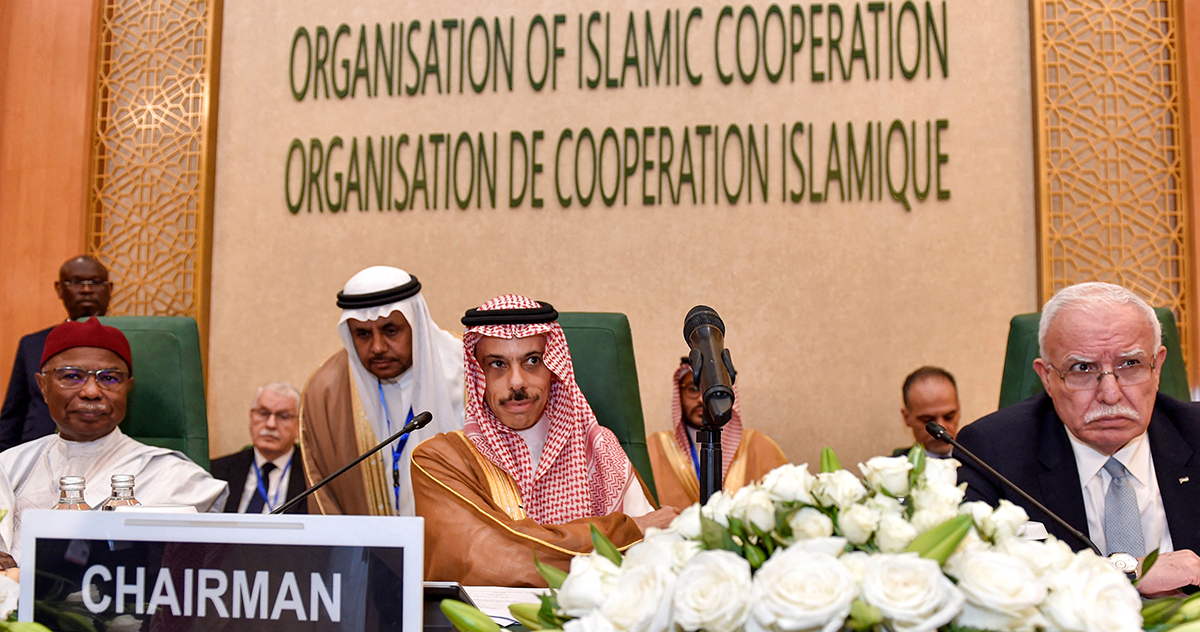
Riyadh and Tehran use OIC to mend ties, but its sway is limited
A year after the restoration of diplomatic relations between Saudi Arabia and Iran, the two countries are working to ease regional tensions in the Middle East in exchange for promises of improved bilateral cooperation. But strains persist in the relationship between Riyadh and Tehran, and the two capitals are using the Saudi-based Organization of Islamic Cooperation, which includes members from 57 Muslim countries, to try to bridge their differences.
Israel in the Red Sea during the War in Gaza: Strategic insights
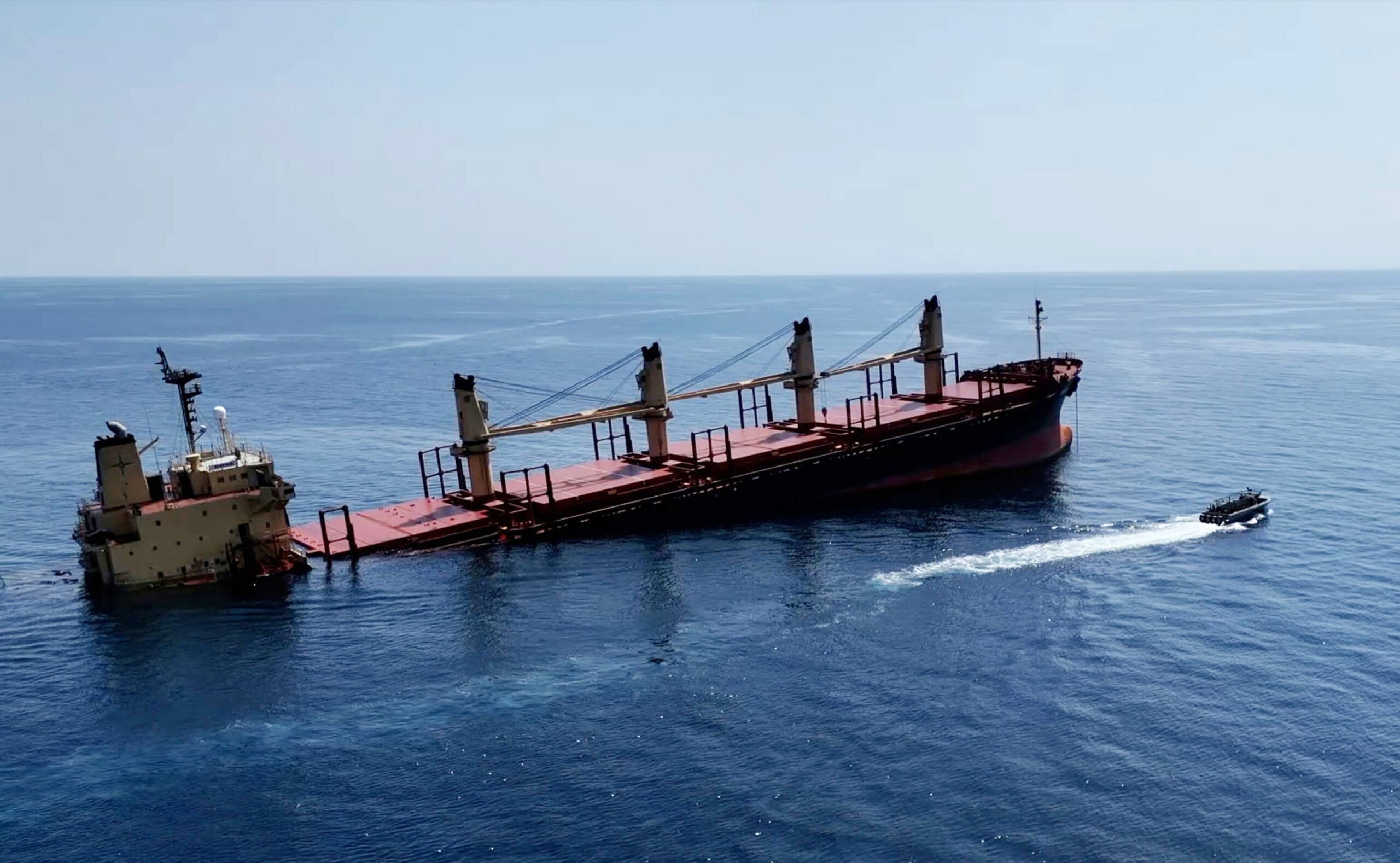
In recent months, Israel’s situation in the Red Sea has grown increasingly challenging in the security, economic, and diplomatic spheres. But the country is in a better position to meet these challenges and threats by leveraging the strategic regional partnerships it has developed over the past several years.
Iran’s new nuclear policy between deterrence and pragmatism
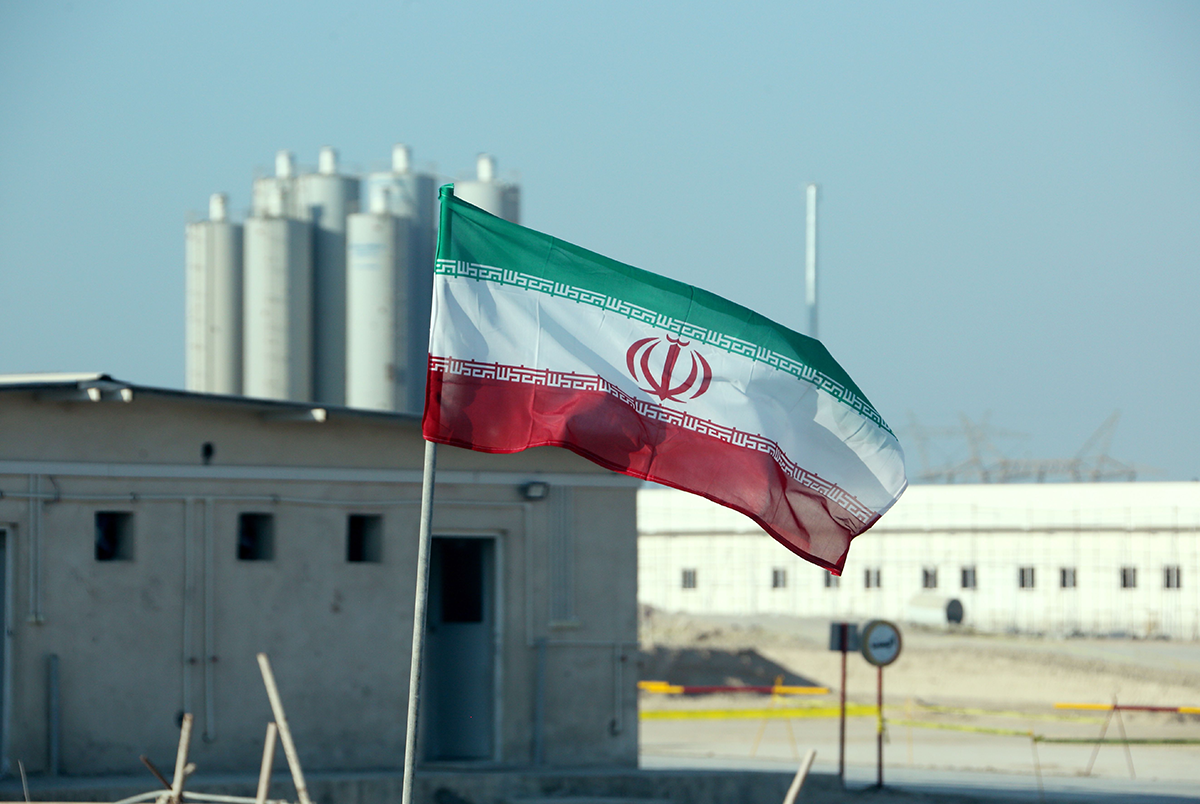
The recent escalation in tensions between Israel and Iran has sparked concerns about a potential shift in Tehran’s strategy toward full weaponization of its nuclear program. Under the current circumstances though, maintaining its status as a threshold nuclear power is likely to be Iran’s chosen strategy, in line with its broader shift from strategic patience to active deterrence.
US-Saudi accords must not remain hostage to normalization with Israel
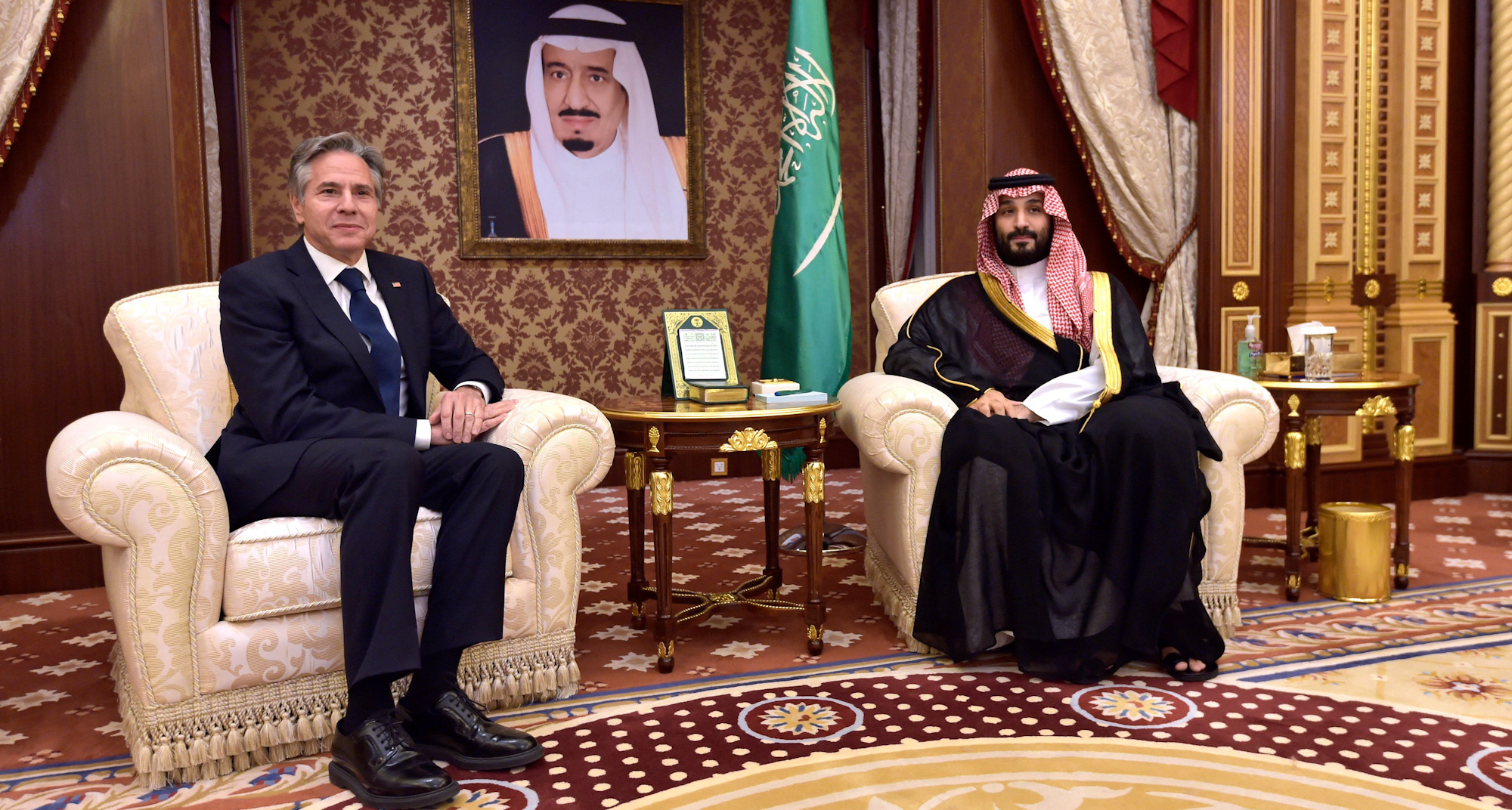
After Hamas’s unprecedented attack against Israel on Oct. 7, the siren song of Saudi-Israeli normalization risks wrecking the US-Saudi relationship against the rocks of stubborn geopolitical realities. An interim less-for-less approach in US-Saudi negotiations that doesn’t immediately require Senate approval nor is beholden to a much less certain Israeli-Palestinian peace process could set the stage for an even more consequential “mega deal” down the line.
As Armenia gradually reorients toward the West, Azerbaijan faces its own geopolitical choice
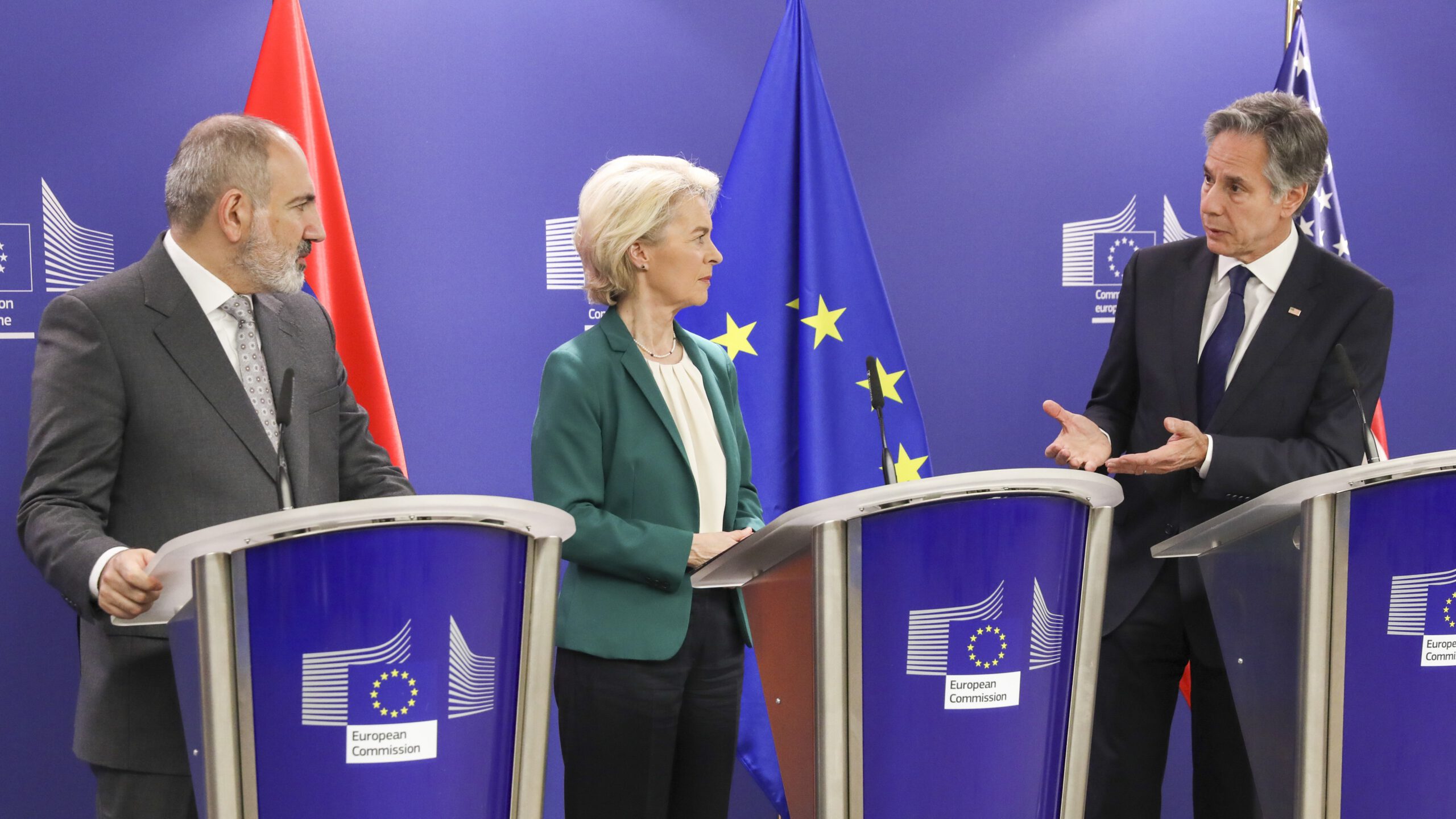
In early April, a highly publicized trilateral meeting involving the United States, the European Union, and Armenia was widely believed to mark a turning point in Yerevan’s relationship with the West. If it comes to pass, it will present Baku with its own critical decision: whether to abandon multi-vectorism and more fully align with Russia or the West.
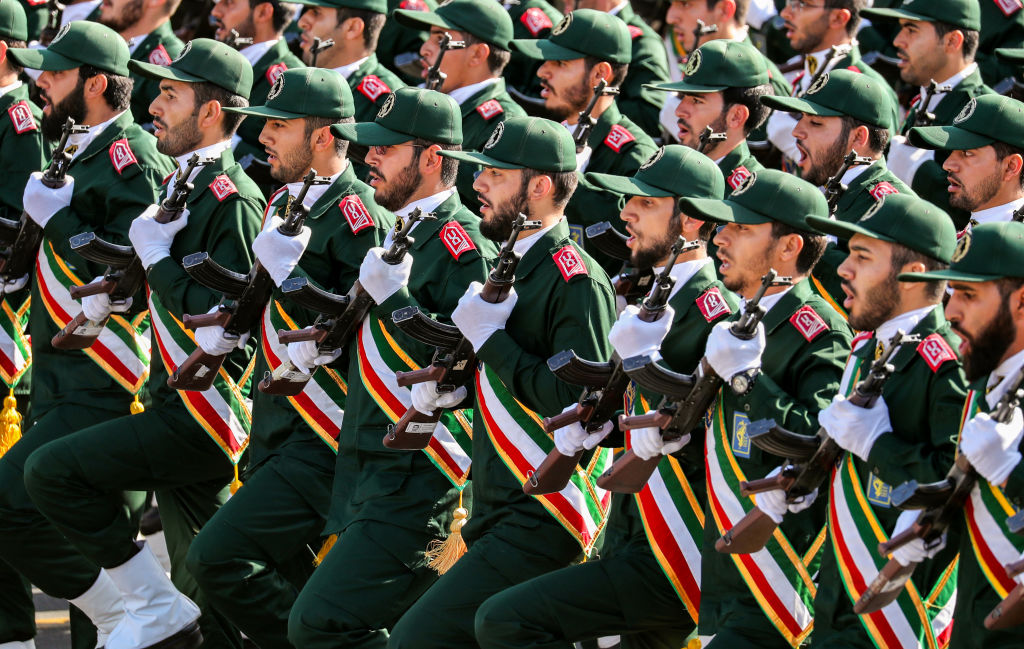
“The IRGC has become a multi-headed dragon”: A conversation with Mohsen Sazegara about the IRGC’s emergence and evolution
This month marks the 45th anniversary of the founding of Iran’s Islamic Revolutionary Guard Corps (IRGC). Mohsen Sazegara, a non-resident scholar with MEI’s Iran Program, was one of the group’s founders and a member of its first board of commanders. He later became a journalist and a reformist political activist. He was arrested and imprisoned four times before ultimately leaving Iran. He was interviewed by MEI in early May.
The oldest peer-reviewed publication dedicated to the study of the modern Middle East, MEI’s flagship journal covers politics, society, and culture in the region.