Iran’s Role in Arab Allies’ Underground Warfighting
Hamas, Hizballah and Houthi tunnel networks resemble Iran’s underground missile cities. But their origins reveal a more complicated story of local necessity, Iranian assistance and military adaptation.
Dr. Marwan Muasher: Has the Middle East Really Changed?
Have October 7 and the Iran war remade the Middle East, or just made it more dangerous? In the first episode of Re-Orient, Gönül Tol puts that question to Dr. Marwan Muasher, Jordan’s former Deputy Prime Minister and Foreign Minister. Muasher draws on his extensive career to unpack the key issues driving today’s Middle East, from regional alignments to US influence, and offers insights on what has the potential to shape this volatile part of the world.
President Donald Trump’s next move on Iran should follow from what he actually wants, and with his legacy at stake, the choice matters. If the ultimate goal is regime change through internal collapse, the logic points to a long squeeze: tighter enforcement of the economic blockade and periodic military strikes to limit Iranian actions in the Strait of Hormuz, a campaign that might outlast his presidency. Whether by design or by drift, that is roughly the course Washington is on today.
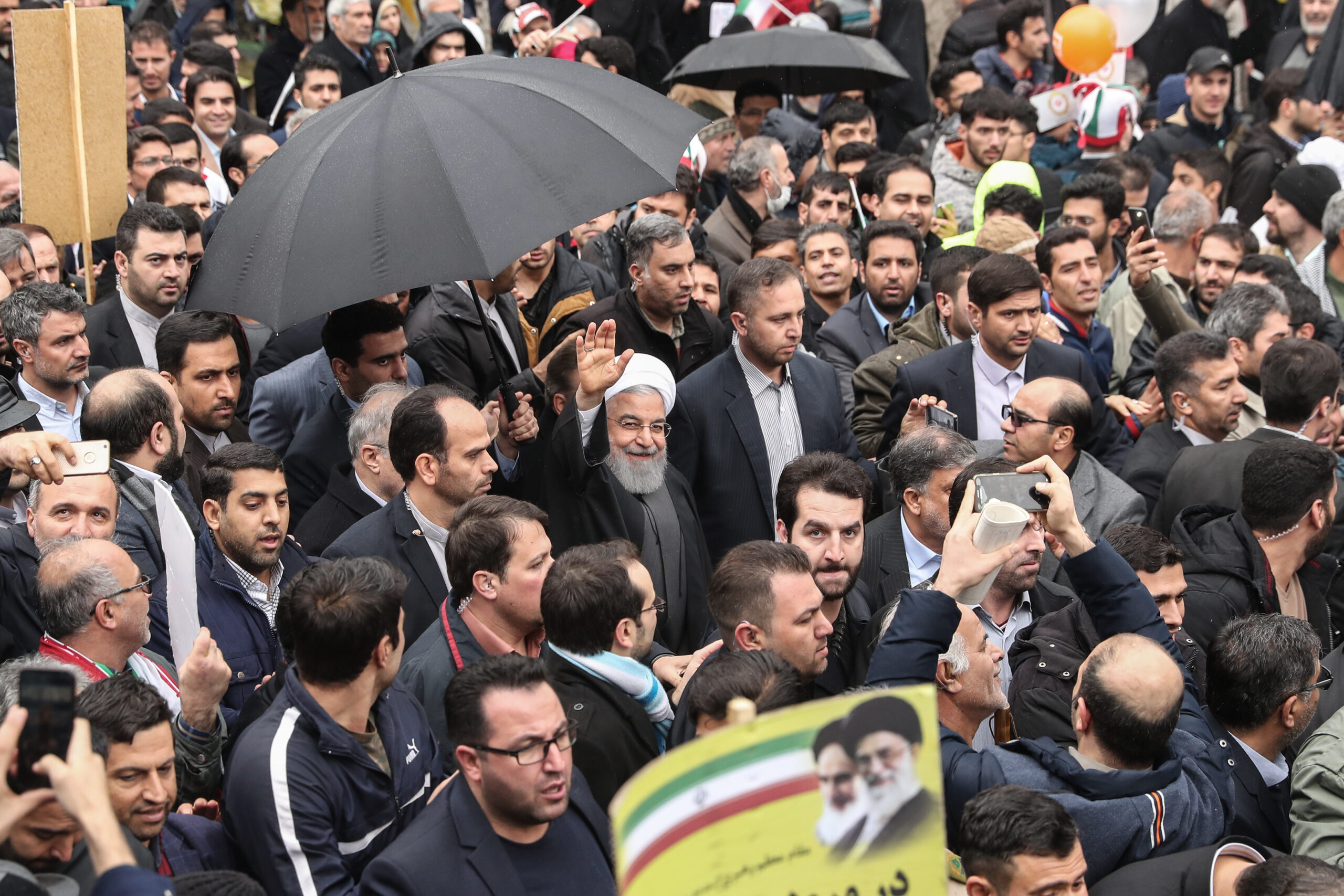
John Limbert, former Deputy Secretary of State for Iran under the Obama administration, and MEI senior fellows Alex Vatanka and Ahmad Majidyar join host Alistair Taylor to discuss the 1979 revolution and its continuing impact on US-Iran relations and the region.
Climate Change, Sea Level Rise, and Sustainable Urban Adaptation in Arab Coastal Cities
This article highlights how the lesser-known issue of sea level rise makes Arab states increasingly vulnerable to climate change. Using the city of Doha as a case study to highlight how sea level rise represents a critical threat to many Arab coastal cities and a national security challenge to Gulf Arab nations, this article underscores the need for greater anticipation in the region’s urban planning of the risks posed by climate change and sea level rise.
In this week’s Monday Briefing, MEI experts Ahmad Majidyar, Mirette F. Mabrouk, and Hassan Mneimneh provide analysis on recent and upcoming events including the 40th anniversary of Iran’s Islamic Revolution, a proposal for constitutional amendments in Egypt, and Iraqi PM Abdul-Mahdi’s first 100 days in office.
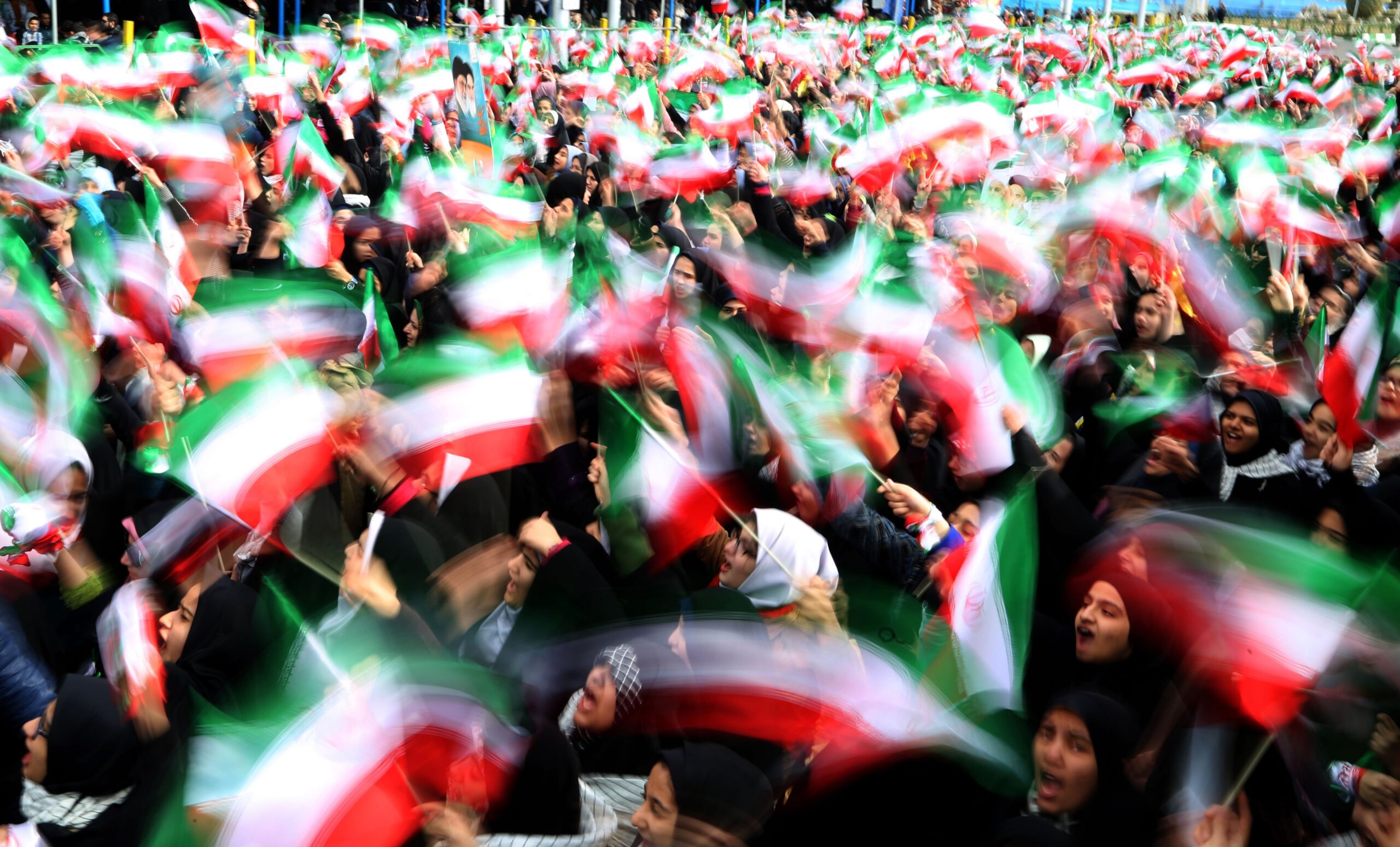
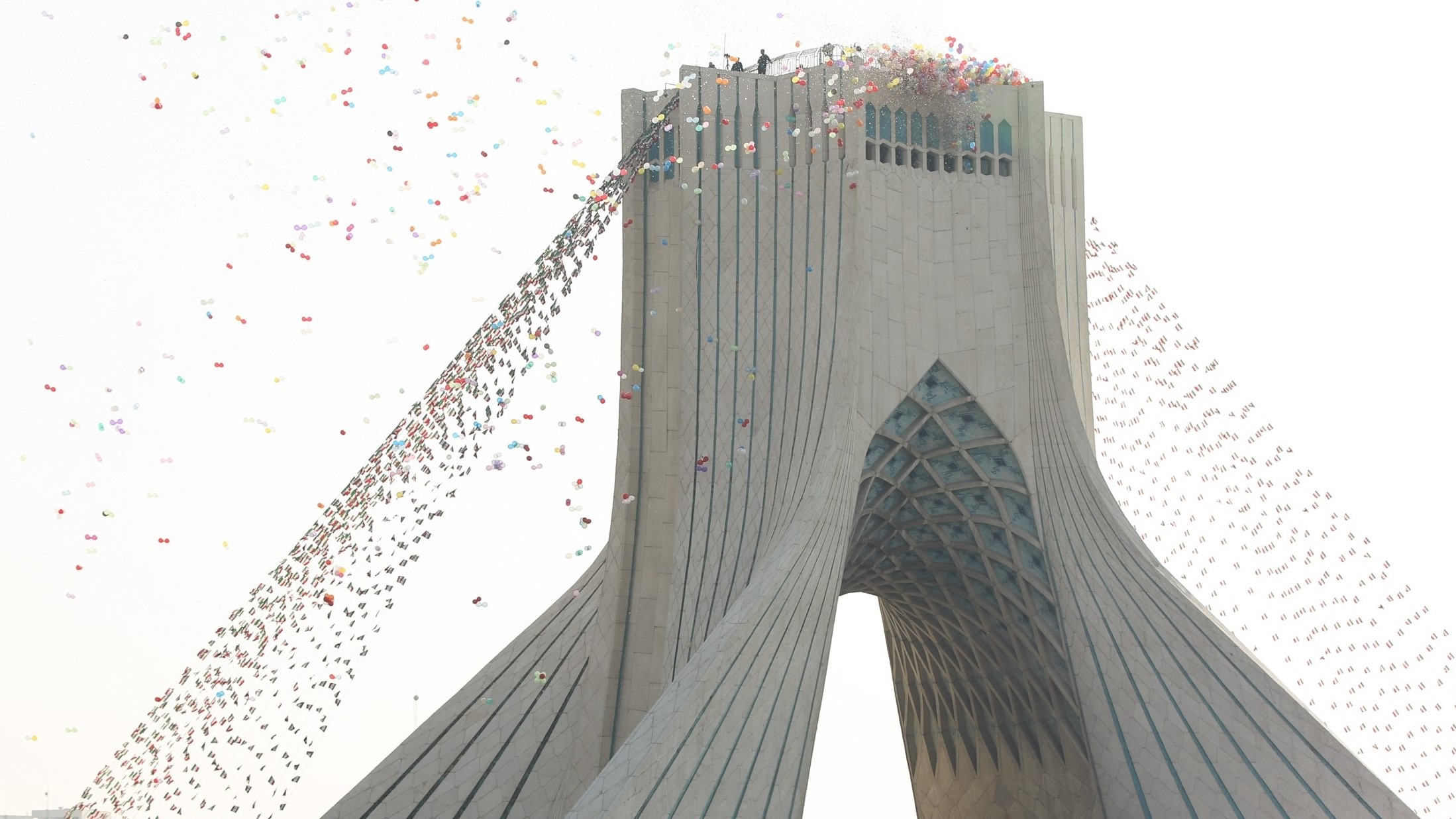
Challenges abound as the Islamic Republic turns 40
This February marks the 40th anniversary of Iran’s 1979 revolution and the birth of the Islamic Republic, but for those in power in Tehran, celebrating the victories of the past is easier than dealing with the problems of the present. Challenges abound on all sides.
Iran and the Gulf states 40 years after the 1979 revolution
Geopolitically, the Iranian Revolution did more to transform the Middle East than any other event in the second half of the 20th century. It aimed to restructure not only Iran’s society and political system, but also others across the Islamic world. Refusing to align with either the United States or the Soviet Union in the Cold War, the newly established Islamic Republic sought to create a new geopolitical order in the Persian Gulf and greater Middle East based on a mantra of “neither East nor West.”
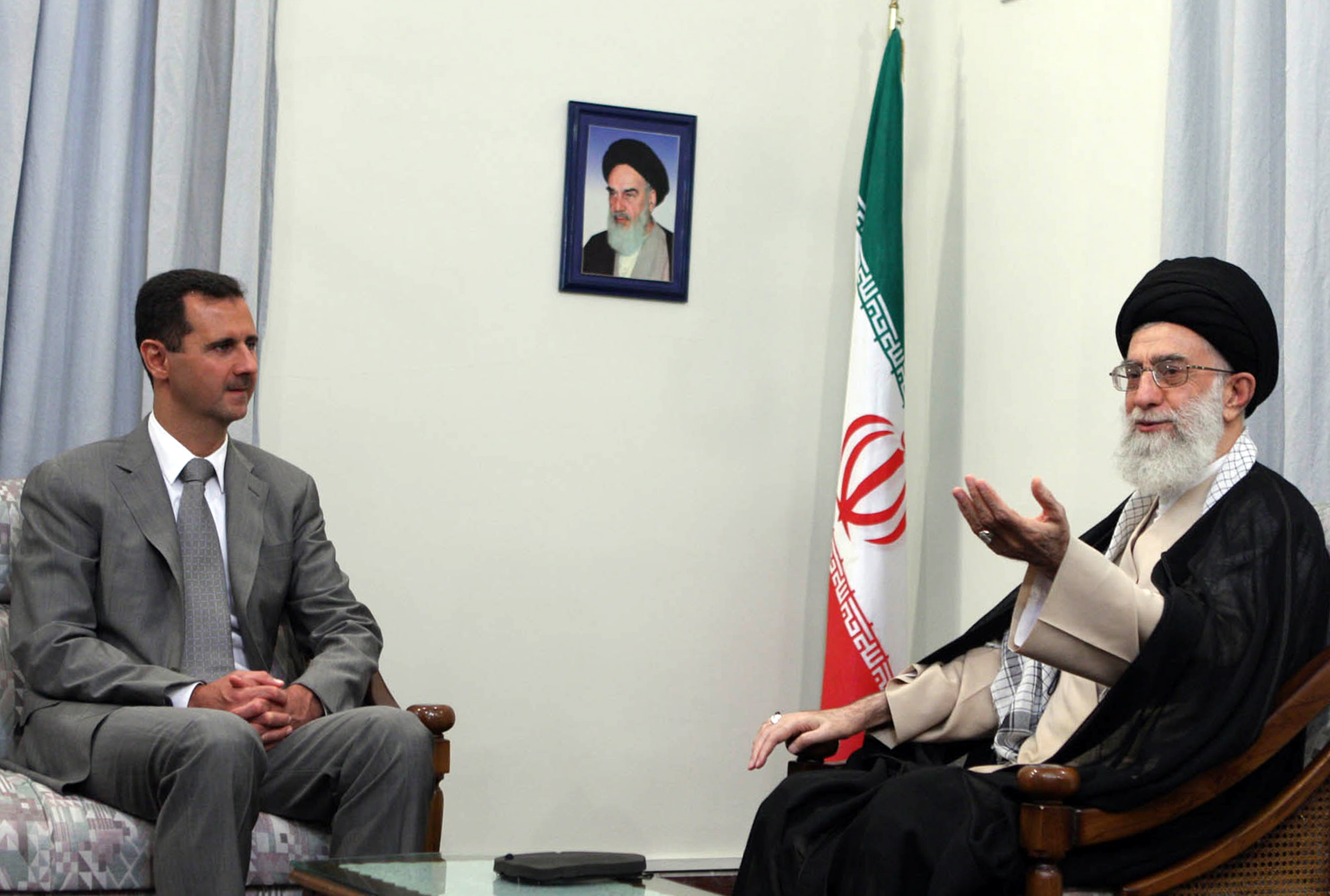
Why Assad’s alliance with Iran and Hezbollah will endure
This article was published by IranSource on February 6, 2019.
The Tehran-Damascus-Hezbollah trilateral partnership has been decades in the making. It pre-dates the Syrian civil war, has strengthened as a result of the war and will likely endure in the post-war years.
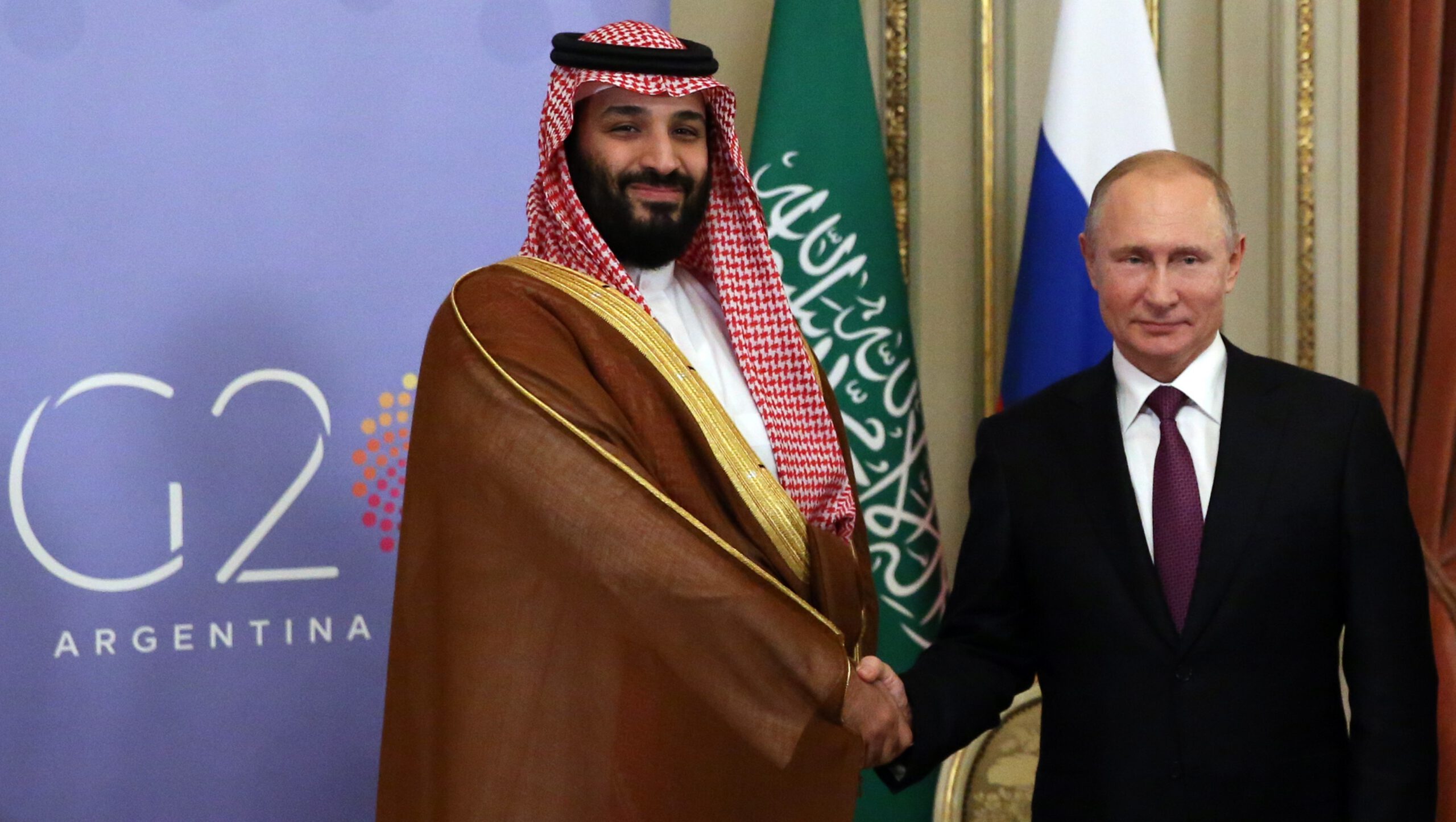
Growing ties with Russia could strain Saudi-US relations
With more of their geopolitical goals aligning, ties between Riyadh and Moscow are growing closer, and the kingdom plans to invest billions of additional dollars in Russian petroleum and other projects.
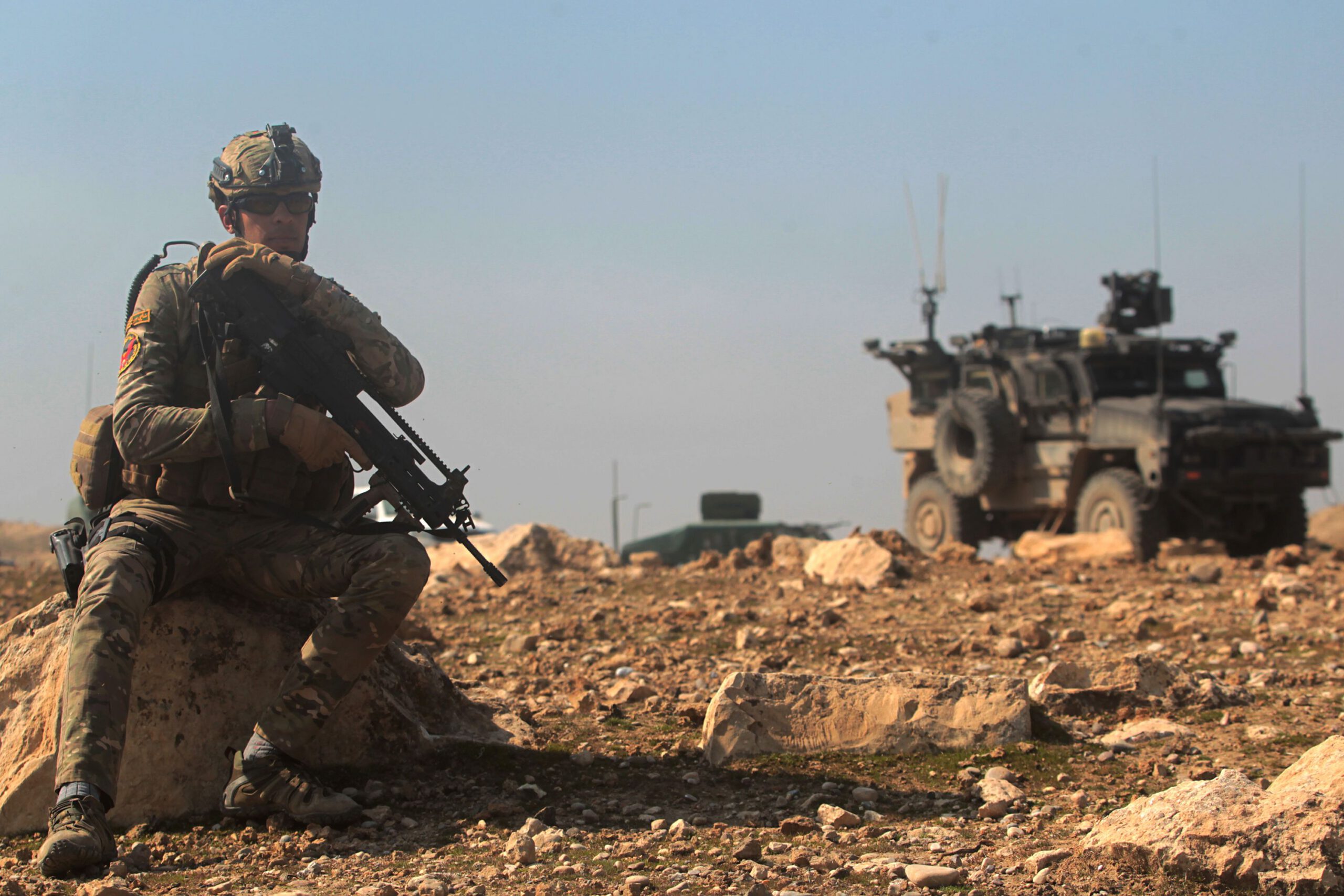
In this week’s Monday Briefing, MEI experts Randa Slim, Paul Salem, Ahmad Majidyar, and Marvin G. Weinbaum provide analysis on recent and upcoming events including President Trump’s comment about keeping U.S. troops in Iraq “to be able to watch Iran,” Pope Francis’s trip to the UAE, the EU’s maneuvers to defy U.S. sanctions on Iran, and intra-Afghan talks in Moscow.
Iraq: Stuck in the middle again
Randa Slim Senior Fellow, Director of Conflict Resolution and Track II Dialogues program
The Global and Regional Geopolitics of Civil War in the Middle East
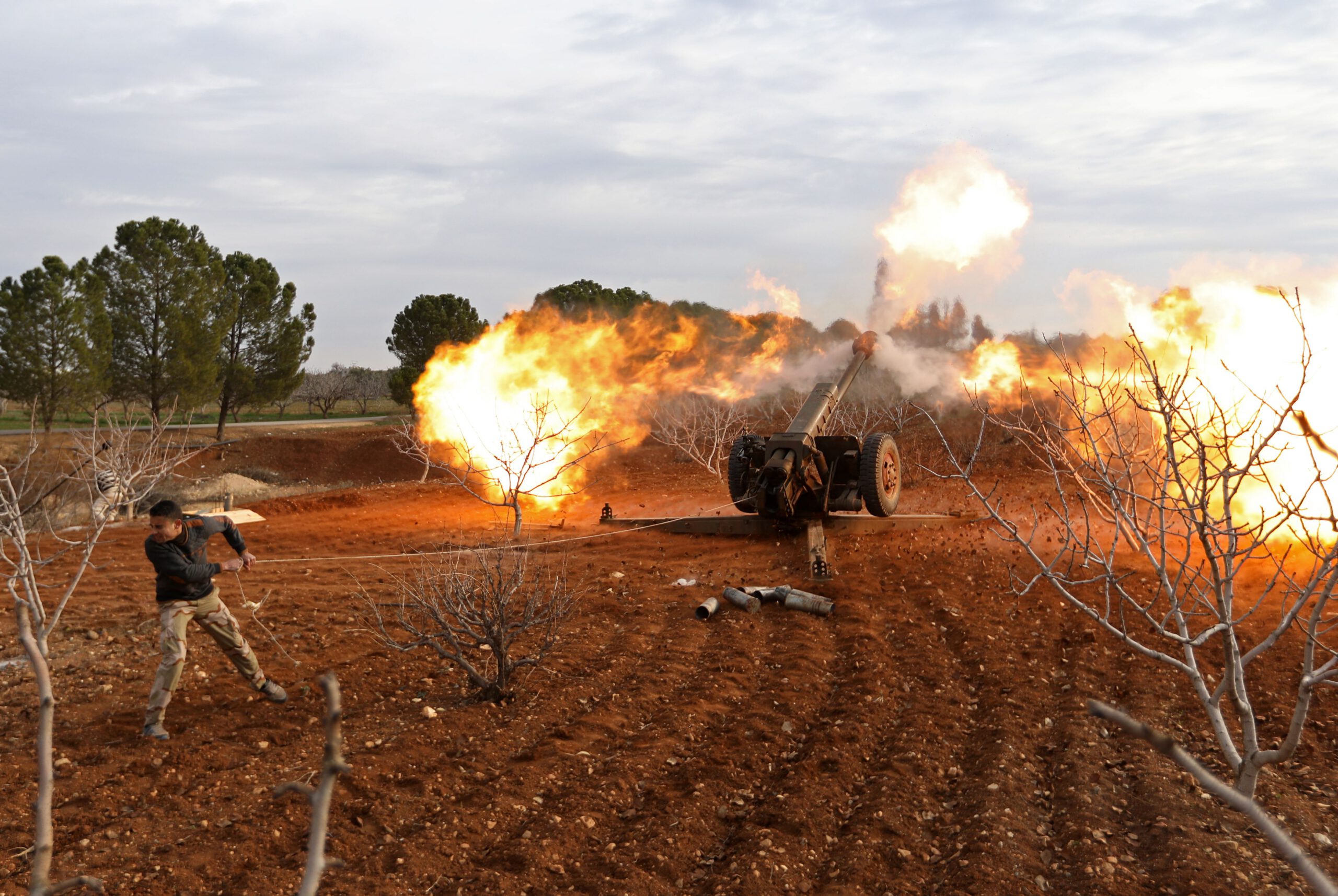
Power dynamics between the major global and regional powers have indirectly influenced the civil wars currently plaguing the Middle East. The distribution of power caused by end of the Cold War facilitated the creation of two opposing camps that later competed for regional primacy in the civil wars of Iraq, Syria, and Yemen.
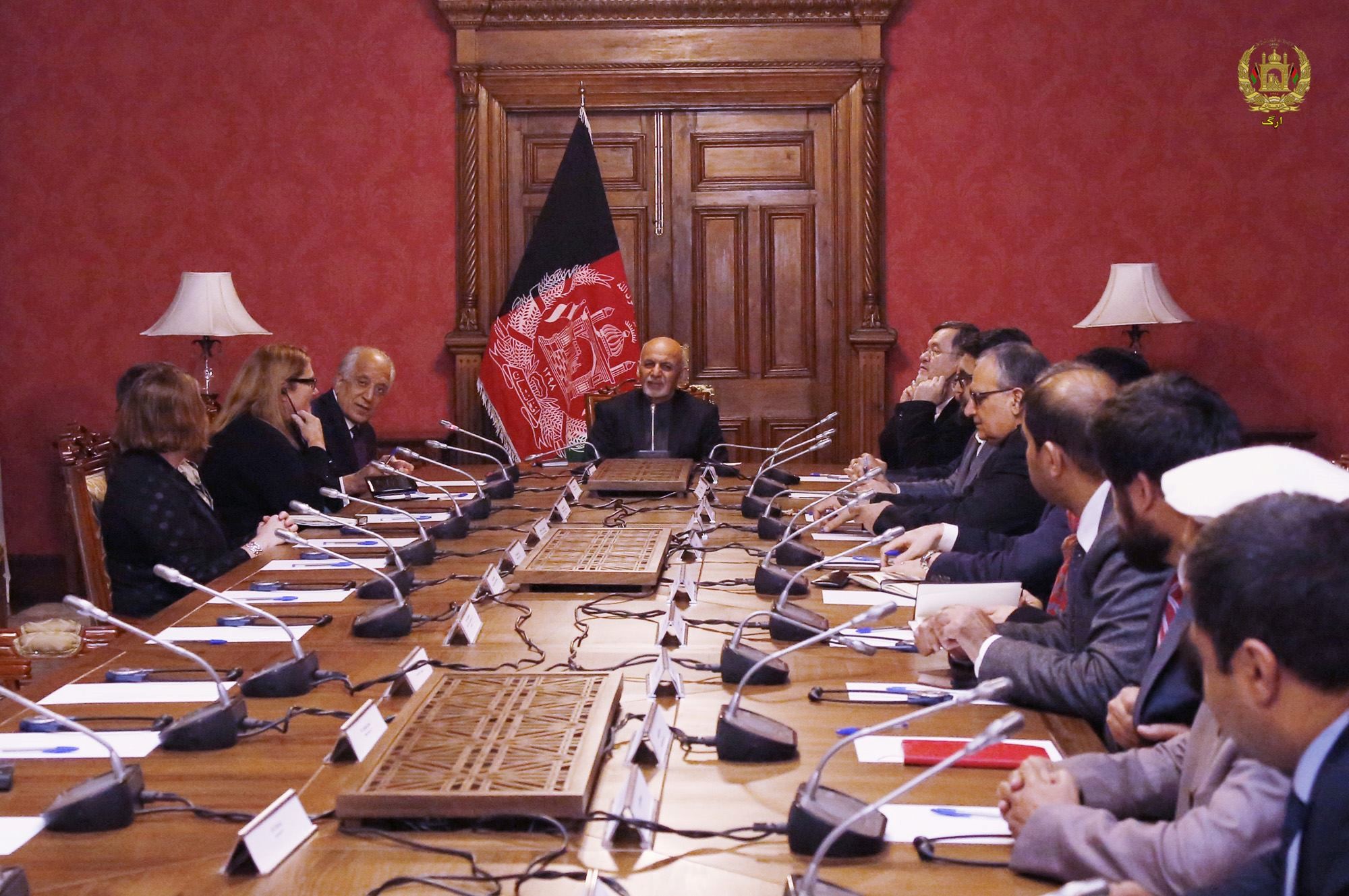
Monday Briefing: US-Taliban talks progress, but major obstacles remain
In this week’s Monday Briefing, MEI experts Ahmad Majidyar, Marvin G. Weinbaum, Randa Slim, Paul Salem, and Guney Yildiz provide analysis on recent and upcoming events including U.S. negotiations with the Taliban in Afghanistan, a warning sent to Israel by Hezbollah leader Hassan Nasrallah, the Sudanese president’s appeal for external support, Turkish-Syrian diplomacy, and Pakistan’s acceptance of Gulf aid.
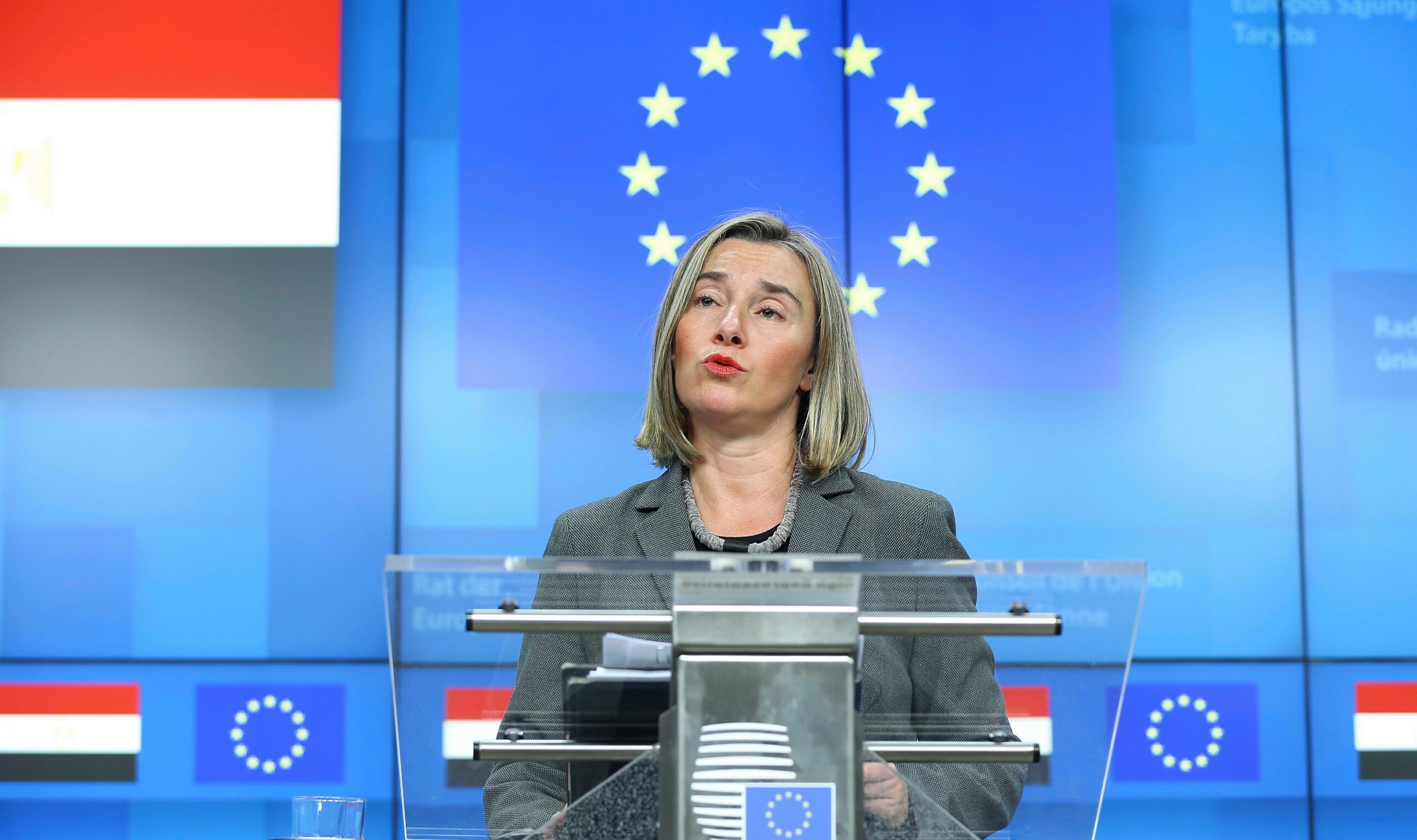
The EU and the Middle East: In Search of a Strategy
Since 1993, the EU has not adopted any comprehensive document to form the basis for its diplomatic and economic actions toward the Middle East, rendering the union less influential in the region today. The question remains, however, as to whether this attitude is in line with the bloc’s global ambitions.
Zmkin Ali and Mac Skelton of the Institute of Regional and International Studies (IRIS) at the American University of Iraq Sulaimani, join host Alistair Taylor for a discussion on Iraq’s political climate, Baghdad’s relations with Erbil in the aftermath of the 2017 referendum, and other regional dynamics.
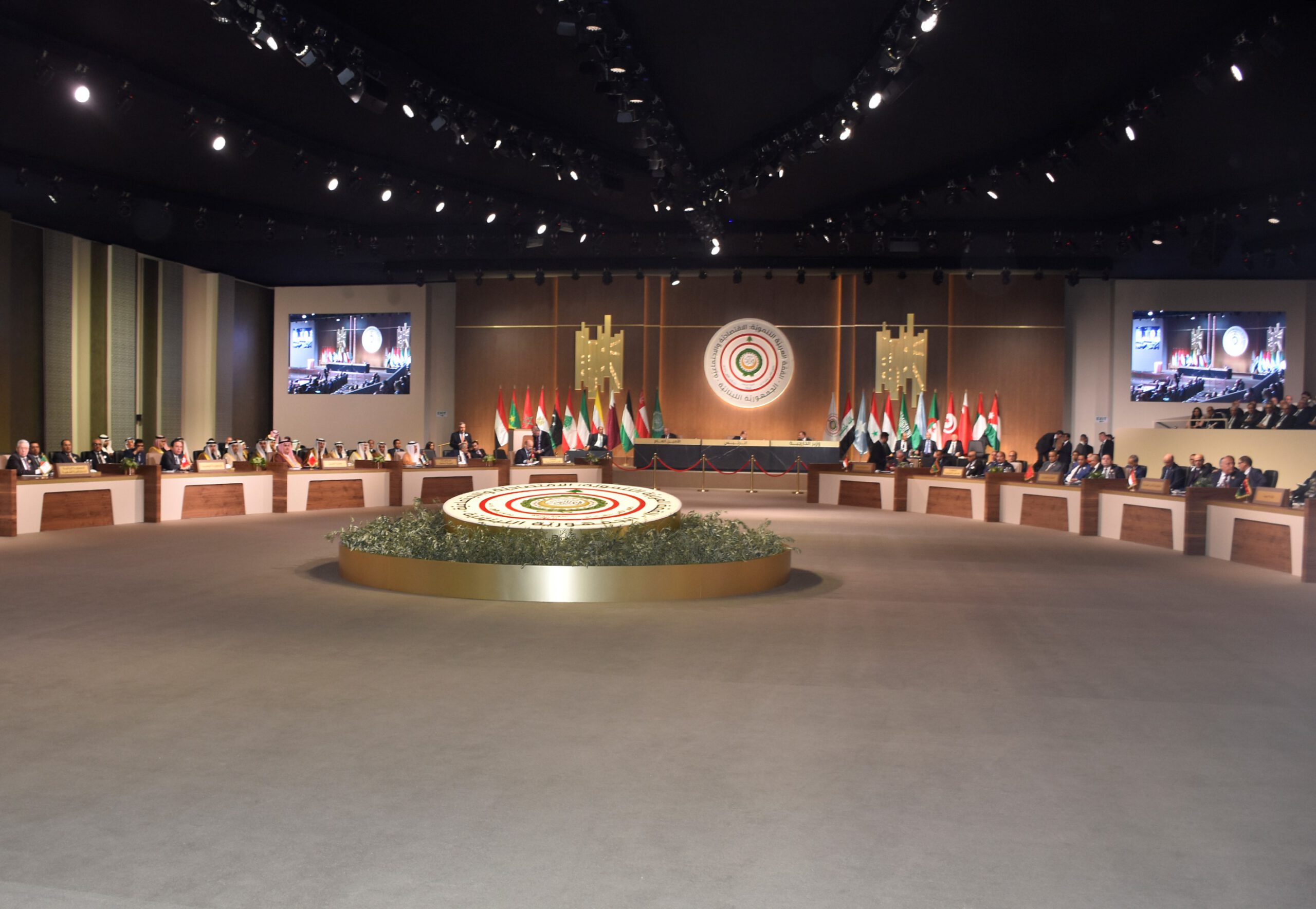
Weekly Briefing: Failed Arab Economic Summit in Beirut underscores divisions
In this week’s Weekly Briefing, contributors Paul Salem, Marvin G. Weinbaum, William Lawrence, Ruba Husari, and Jean-François Seznec provide analysis on recent and upcoming events including the Arab Economic Summit held in Beirut this weekend, Afghanistan’s upcoming presidential elections, strikes in Tunisia, the Trump administration’s next steps on Iranian oil policy, and Saudi Aramco’s $10B bond issue.
The Politics of Combating Infectious Diseases in Southeast Asia and the Middle East
This article compares the local responses to the 2012-2018 outbreak of Middle East Respiratory Syndrome (MERS) to that of the Avian Influenza outbreak in Southeast Asia from 2003-2015. How well do countries cope with the spread of new and deadly diseases? Why are some countries better at addressing the problem than others? And, what does this tell us about larger questions concerning states’ abilities to provide public goods (in this case health security) to their citizens and about global systems to prevent pandemics? What this comparison demonstrates is that countries with the ‘strongest’ state capacity to make and implement policy are best able to confront disease outbreaks.
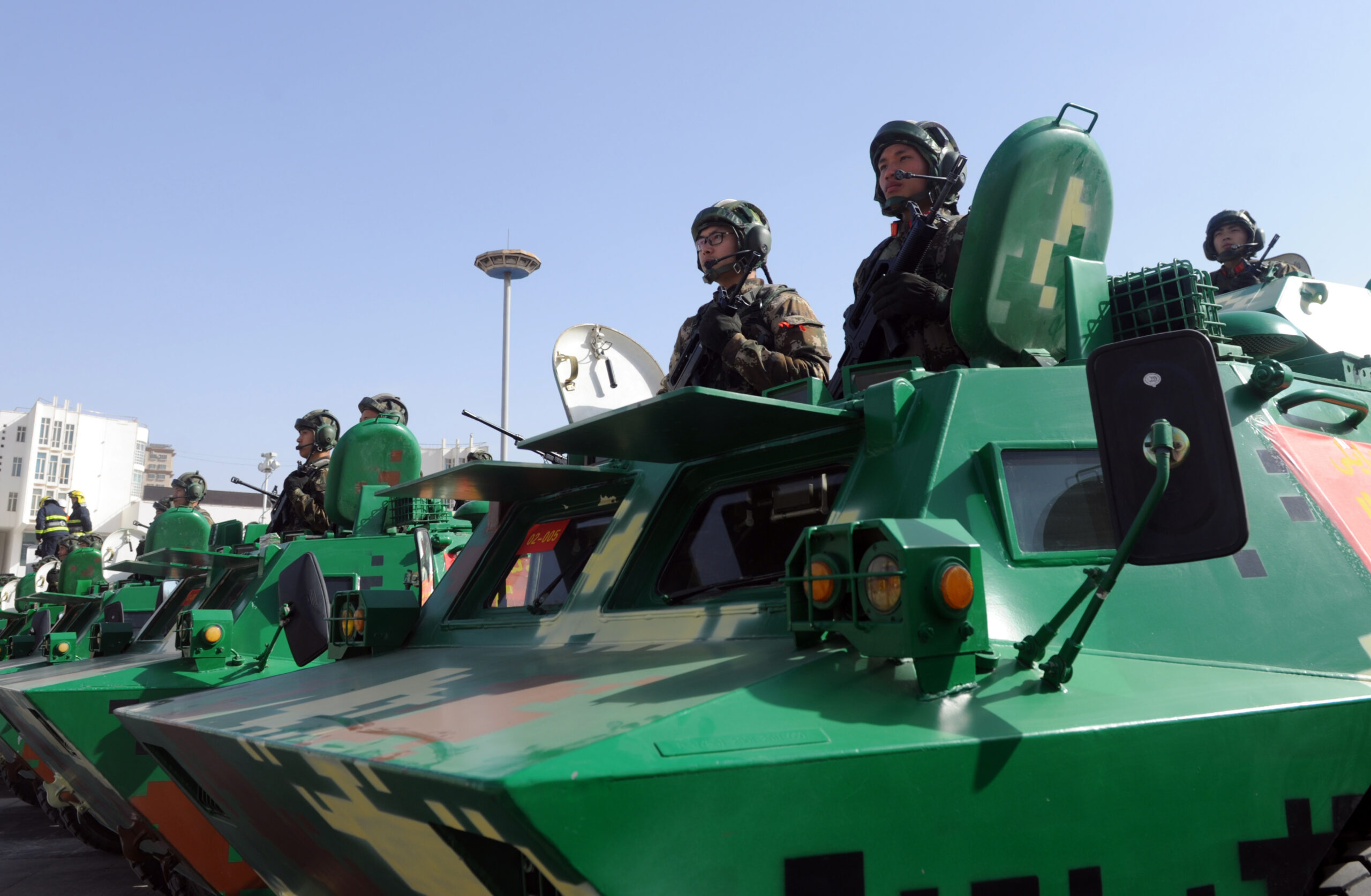
Arab Gulf states silent on China’s Xinjiang crackdown
Unlike other cases of repression against Muslims around the world, such as Myanmar, the Gulf monarchies have been silent about the “cultural cleansing” taking place in China’s Xinjiang Province.
The oldest peer-reviewed publication dedicated to the study of the modern Middle East, MEI’s flagship journal covers politics, society, and culture in the region.